

25 Best Things to Do in Barcelona (2026): Travel Guide
Discover the 25 best things to do in Barcelona, from iconic Gaudí sites to hidden gems. Plan your trip with our expert tips, neighborhood insights, and booking advice.
On this page
25 Best Things to Do in Barcelona: Your Ultimate Travel Guide
Barcelona is pure magic — a city where Roman foundations prop up Gothic cathedrals, and Modernista masterpieces share streets with Mediterranean beach bars. After multiple visits over several years, including a return in early 2026, I can say the city keeps surprising me. This guide covers the 25 best things to do in Barcelona for 2026, with practical details on tickets, timing, and cost so you can plan without guesswork.
Key Takeaways
- Book Sagrada Família and Park Güell tickets weeks in advance — both sell out daily.
- The 2026 visit to Sagrada Família is historically significant: the central tower group is nearing completion for the first time in 140 years.
- Best free experience: wander the Gothic Quarter or relax in Ciutadella Park.
- Best rainy-day option: Picasso Museum or Palau de la Música Catalana tour.
- Use a T-Casual card for 10 metro/bus trips at a reduced per-journey price.
Plan with trusted sources: cross-check opening hours and seasonal details with the official Barcelona tourism board, and read more about the city on its Wikipedia entry before you go.
Barcelona's Barrios: A Quick Orientation
Before diving into the attraction list, it helps to understand Barcelona's neighborhoods. The city is organized into distinct barrios, each with a different vibe, and knowing them saves you time when grouping activities by area.
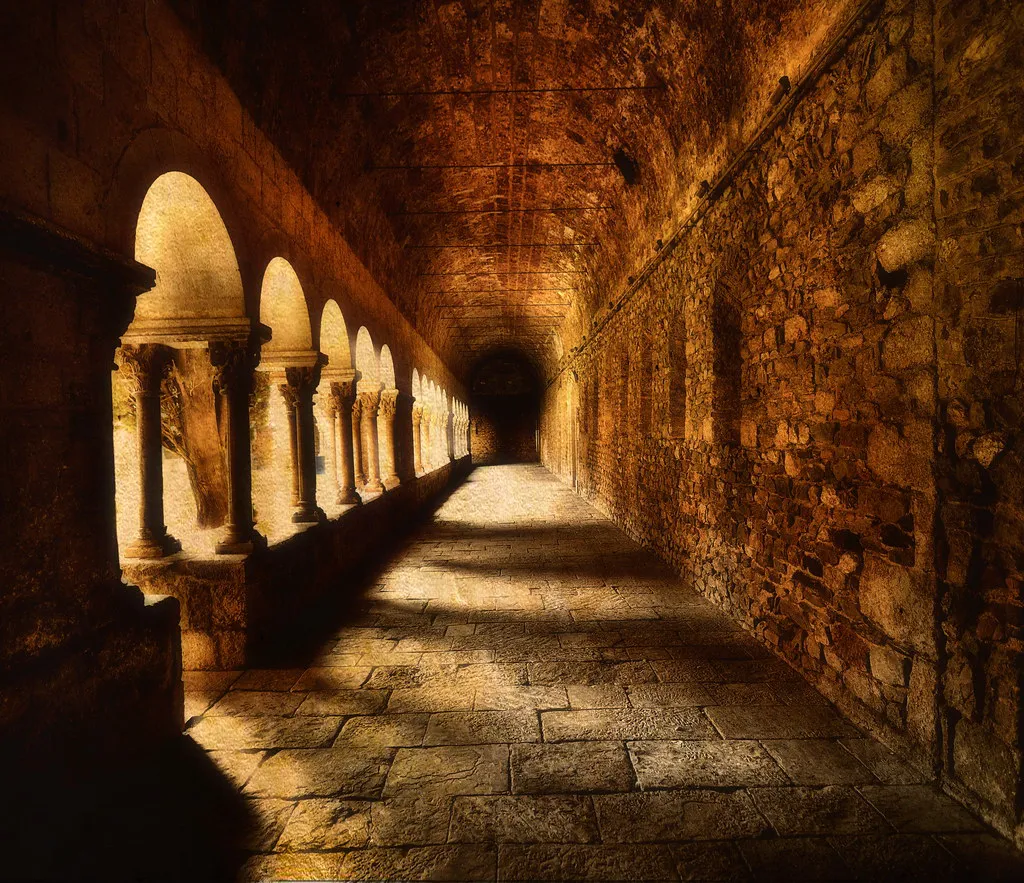
Barri Gòtic (Gothic Quarter) is the medieval core — atmospheric narrow streets, hidden squares, and Roman ruins. It borders La Rambla and is the most central base for first-timers. El Born (also called La Ribera) sits just east of the Gothic Quarter: more upscale, anchored by Santa Maria del Mar church and the Picasso Museum. Metro Jaume I or Urquinaona serve both.
Eixample is the 19th-century grid district where you'll find Sagrada Família, Casa Batlló, and Casa Milà. It's calmer and more residential than the old town. Gràcia, directly north, has a bohemian village feel with leafy plazas and a strong local Catalan identity. Barceloneta is the working-class seaside neighborhood with beach access, chiringuitos (beach bars), and the city's fishing-port heritage. El Raval, west of La Rambla, was once rough but is now a creative hub with MACBA and CaixaForum nearby.
For most first-time visitors, staying in the Gothic Quarter, El Born, or central Eixample puts you within walking distance of the top sights. Read our a guide to Barcelona's neighborhoods for a deeper breakdown, or check where to stay in the city for hotel recommendations by area.
1. Explore the Sagrada Família
Antoni Gaudí's basilica has been under construction since 1882 — and 2026 marks a historic turning point. The central tower group, including the Tower of Jesus Christ (Torre de Jesucrist), is in its final construction phase, making this the closest the building has ever come to Gaudí's original vision. The transformation from the exterior scaffolding you may have seen in photos is dramatic, and this is genuinely the best time in a generation to visit.
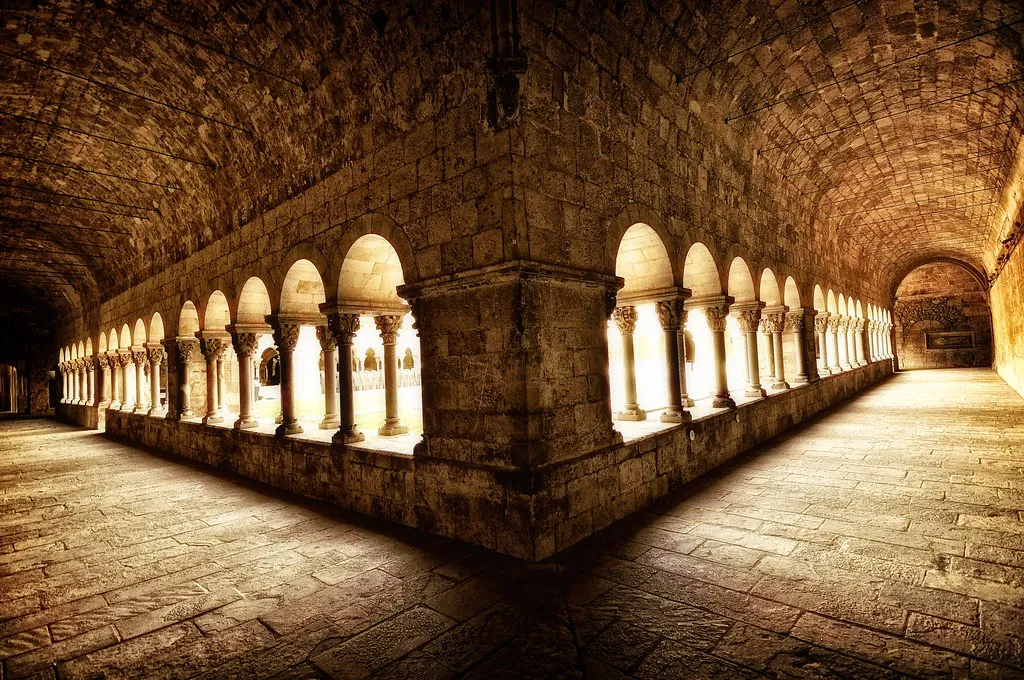
The interior is already finished and extraordinary: columns that branch like forest trees, and stained glass that fills the nave with amber and blue light depending on the time of day. Come in the morning for the Nativity façade light (east-facing, golden tones) or late afternoon for the Passion façade (west-facing, violet and crimson). Allow 1.5–2 hours minimum.
Tickets range from €26 (basic entry) to €40 (with tower access and audio guide). The guided audio tour via the official app is the best option — download it before you arrive as in-building connectivity is unreliable. Book 4–6 weeks ahead in peak season; same-day availability is rare from May through September. The basilica is located at Carrer de la Marina, in the Eixample district; metro: Sagrada Família (L2/L5).
2. Wander Through Park Güell
Park Güell was originally planned as a private housing development for Barcelona's elite, but the project failed and the city took it over as a public park. That context makes the whimsy even better — the mosaic dragon staircase, the Hypostyle Room with its tilted columns, and the famous serpentine bench with trencadís tilework were all meant to be the entrance to a residential estate, not a tourist attraction.
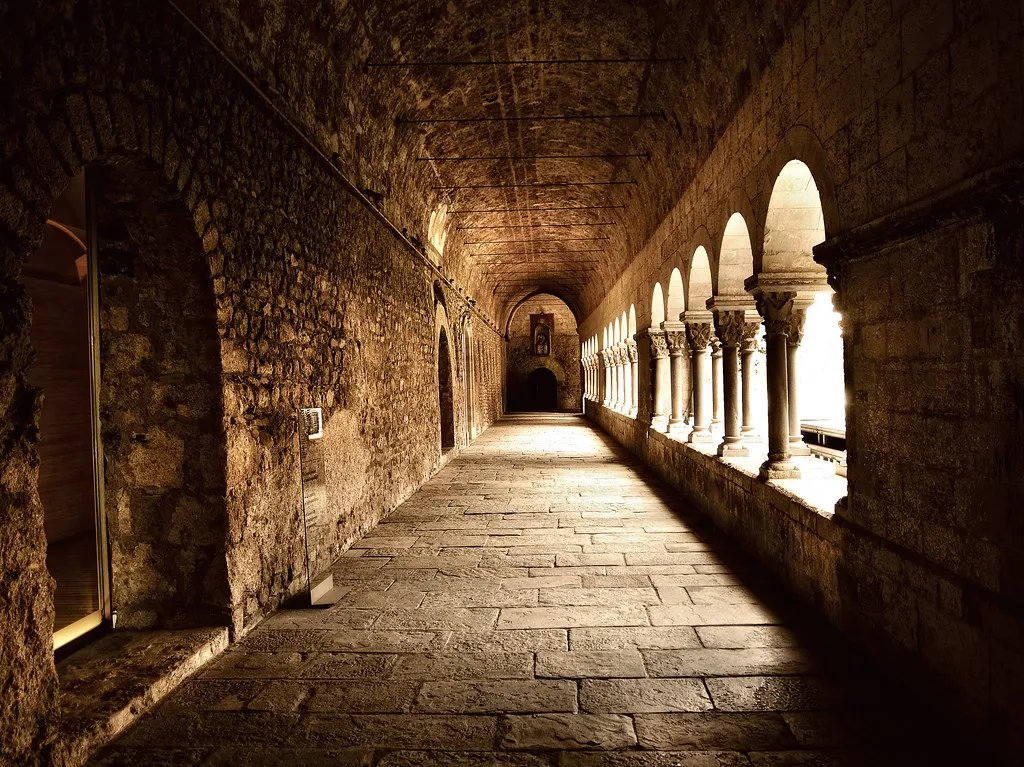
The monumental zone requires a timed ticket (€10 per adult; book online). The surrounding park is free and offers excellent views without the queue. The Casa-Museu Gaudí, where the architect lived from 1906 to 1926, is within the free zone and worth a look. Allow 1.5–2 hours for the paid zone; more if you plan to walk the surrounding hillside trails.
Visit early — 09:30 when the monumental zone opens — to avoid the densest crowds. Metro: Alfons X or Lesseps, then a 15-minute walk uphill. Timed entry is available from 09:30 to 17:30 (hours vary seasonally; check the official site).
3. Stroll La Rambla and Visit La Boqueria Market
La Rambla is a 1.2-kilometre pedestrian boulevard running from Plaça de Catalunya to the Columbus Monument at the waterfront. It's lined with flower stalls, newspaper kiosks, and café terraces. Yes, it's touristy and heavily pickpocketed — keep bags on your front and phones in a pocket — but it's also genuinely lively and leads you to La Boqueria, which earns its reputation.
Mercat de la Boqueria (officially Mercat de Sant Josep) is free to enter. The freshest stalls are toward the back and sides, away from the tourist-facing fruit cups at the entrance. Look for El Quim de la Boqueria for traditional tapas, or grab a jamón ibérico sandwich and fresh juice for under €8. Best visited early morning (08:00–10:00) before tour groups arrive, or late afternoon after 16:00. Closed Sundays.
La Rambla is also worth knowing for its other landmarks en route: the Gran Teatre del Liceu opera house, the Font de Canaletes (where FC Barcelona fans gather to celebrate trophies), and the Plaça Reial courtyard just off the main boulevard. Metro: Liceu (L3).
4. Discover the Gothic Quarter
The Barri Gòtic is Barcelona's oldest district, built over Roman Barcino. Street level reveals medieval buildings; below, you can trace Roman walls and a buried temple to Augustus (free, inside the Centre Excursionista de Catalunya, Carrer del Paradís 10). The neighborhood rewards aimless wandering more than any other part of the city.
Key anchors: the Catedral de Barcelona (free entry to the main nave most hours, ticketed during 12:30–19:30; €9–€14), the Plaça Reial colonnade (best at dusk with a beer at one of the terrace bars), and the Pont del Bisbe bridge connecting the Generalitat palace buildings. Free walking tours depart from Plaça Reial daily — tip-based, usually 2 hours.
Allow 2–3 hours minimum, more if you plan to eat or shop. The best strategy is to get intentionally lost: the streets between Carrer del Call and Carrer dels Banys Nous hide some of the best bookshops, wine bars, and artisan workshops. Avoid the stretch closest to La Rambla between 11:00 and 15:00 when it's most congested. Metro: Jaume I or Liceu (L3).
5. Marvel at Casa Batlló and Casa Milà (La Pedrera)
Both buildings sit on Passeig de Gràcia, Barcelona's grandest boulevard, and both are UNESCO World Heritage sites. Casa Batlló (completed 1906) has a facade of ceramic scales, a roof shaped like a dragon's back, and an interior that evokes the ocean — the entrance hall ceiling ripples like waves. The €35–€40 ticket includes an AR tablet that overlays Gaudí's original design as you walk through. The finale show in the main hall is worth the premium ticket.
Casa Milà, known as La Pedrera (meaning "the quarry"), was finished in 1912 and is more austere. The undulating stone facade and sculptural rooftop chimneys — the "warrior warriors" (guerrers) that inspired Darth Vader, according to George Lucas — are its signatures. Tickets are €22–€28 depending on options. The evening "La Pedrera by Night" tour (€38) includes the rooftop with live music and a cava drink; it's the better experience if you can only do one visit.
Both buildings are on the same block of Passeig de Gràcia. If budget is tight, you can see the facades for free at street level — they're extraordinary even from outside. Metro: Passeig de Gràcia (L2/L3/L4).
6. Ride the Montjuïc Cable Car and Explore the Hill
Montjuïc is the forested hill southwest of the city centre, and getting there is half the experience. The Teleféric de Montjuïc cable car runs from the Paral·lel funicular stop to Montjuïc Castle, offering unobstructed views over the port and the city. Return ticket: €13.50. Alternatively, the funicular from Paral·lel metro station (L2/L3) is free with a T-Casual transport card and takes you to mid-mountain.
At the top, Montjuïc Castle (€5 entry, free on first Sunday of the month and all Sundays from 15:00) has a grim history as a political prison but now holds exhibitions and a terrace with some of the best panoramic views in the city. The Magic Fountain (Font Màgica) at the base of Montjuïc runs light-and-music shows on Thursday to Sunday evenings from April through October — free to watch from Plaça d'Espanya.
The hill also holds several major museums: the Museu Nacional d'Art de Catalunya (MNAC, €12 entry, free on Saturdays from 15:00), Fundació Joan Miró (€14), and CaixaForum (prices vary by exhibition). A full Montjuïc day — funicular up, cable car across to Barceloneta beach, then walk back along the waterfront — is one of the best structural days you can build in Barcelona. Allow 3–4 hours minimum.
7. Experience Camp Nou
Camp Nou is the largest stadium in Europe and the spiritual home of FC Barcelona. The stadium is currently undergoing a major renovation project (Espai Barça), so the experience in 2026 involves visiting the Museu del Barça in its temporary location — check the official FC Barcelona site for the latest access configuration before you go, as the phased renovation changes what's accessible season to season.
The museum tour covers trophies, kits, match footage, and a walk through the mixed zone and tunnel. Allow 1.5–2 hours. Tickets for the museum experience are €28–€35 per adult; match tickets range from €50 to several hundred euros depending on the fixture and seat category. For a match, book through the official club channels only — third-party resellers charge significant premiums and occasionally sell invalid tickets.
Even outside a match day, walking around the stadium exterior gives you a sense of the scale. The neighborhood of Les Corts around the stadium is a regular Barcelona barrio with good local restaurants and none of the tourist pricing of the old town. Metro: Collblanc or Palau Reial (L5).
8. Take a Hop-On Hop-Off Bus Tour
For first-time visitors covering a lot of ground quickly, the hop-on hop-off bus is genuinely useful. Two main routes cover the city's principal attractions, including Sagrada Família, Camp Nou, Montjuïc, and Barceloneta. Buses run every 10–12 minutes, and the audio commentary covers historical context as you travel. A 24-hour pass costs around €30–€35 per adult.
The open-top deck gives you elevated views and good photo angles at landmarks. Use the bus as an orientation tool on day one, then revisit specific neighborhoods on foot. It's also one of the most efficient ways to reach Camp Nou and Park Güell if you prefer not to navigate the metro with luggage or a group.
9. Enjoy a Sailing Trip with Barcelona Sailboats
Seeing Barcelona from the water is one of those experiences that sounds optional until you've done it. The city's skyline — Barceloneta towers, Montjuïc behind, the Columbus monument at the tip of La Rambla — looks completely different from the Mediterranean. Barcelona Sailboats runs the most established operations, offering shared sunset sailboat tours (around €39/person, 90 minutes, includes cava and snacks) as well as private catamaran charters.
The shared sunset tour departs from Port Olímpic and is the best value option for solo travelers or couples. It runs daily in good weather from spring through October. For the best experience, book the last departure of the day — typically 19:30 or 20:00 depending on season — when the light is low and the city turns gold behind the sails.
Private options scale up to half-day or full-day trips along the Costa Brava. Not ideal if you're prone to seasickness on choppy days; the inner harbor is sheltered but the open sea in autumn can be rough. Best fit: couples, small groups, or anyone who wants a memorable evening that doesn't involve a nightclub.
10. Indulge in a Tapas and Drinks Tour
A guided tapas tour is one of the better ways to understand Barcelona's food culture without accidentally eating at tourist traps. The best tours focus on El Born or the Gothic Quarter, stopping at 4–6 spots over 3 hours. Expect traditional dishes: pan con tomate (bread rubbed with tomato and olive oil), patatas bravas, croquetas, jamón, and local vermouth. Prices range from €70–€100 per person including food and drinks.
If you prefer to do it yourself, the key rule is to avoid anything on or directly adjacent to La Rambla. In El Born, Carrer del Parlament (Sant Antoni) and Carrer de Blai in Poble Sec (the "tapas street") are both strong self-guided options — the latter has 20+ pintxos bars within one block and a beer-and-pintxos combo typically costs €1.50–€3 per piece.
For a sit-down lunch with locals, Barcelona's set lunch menus (menú del día) are extraordinary value: three courses plus bread and a drink for €12–€16, available Monday to Friday until 15:30. Ask for the menú at any restaurant that doesn't display prices in multiple languages — that's usually a reliable sign of local clientele. See our guide to the the city's best tapas bars for specific restaurant picks.
11. Visit the Picasso Museum
The Museu Picasso occupies five adjoining medieval palaces in El Born, and the permanent collection focuses specifically on Picasso's formative years (1895–1904) when he lived in Barcelona. It's not a comprehensive Picasso retrospective — for that you'd go to Paris or Madrid — but it's the best place in the world to understand how he developed his style. The Las Meninas series (his 1957 interpretations of Velázquez) is the highlight of the later collection.
Tickets are €12–€15 per adult. Free entry on Thursday evenings from 17:00 and on the first Sunday of each month — book these free slots online as they sell out. Allow 1.5–2 hours. Metro: Jaume I (L4). The surrounding streets in El Born are excellent for a post-museum coffee or wine.
12. Admire the Palau de la Música Catalana
The Palau de la Música Catalana is Lluís Domènech i Montaner's masterpiece and one of the most extraordinary interiors in Europe. Built between 1905 and 1908, it's the only Modernista concert hall in the world — and unlike Gaudí's buildings, which are atmospheric in their mystery, the Palau is explicitly joyful. Every surface is covered with ceramic, stained glass, mosaic, and sculpted stone. The central skylight — an inverted dome of stained glass in amber, gold, and blue — is the most photographed detail, but the stage's sculpted relief of the Valkyries charging through the wall is equally astonishing.
Guided tours run daily 09:00–15:30 (last entry), costing €20–€22 per adult. The tour lasts about 50 minutes. The better option, if timing allows, is to attend a performance — the Palau hosts regular concerts from October through June, with tickets from €20 for daytime recitals. Sitting inside the hall during a performance, with the skylight lit from above, is a categorically different experience from a tour. You can access for free or with discount using the Barcelona Card Modernista. Metro: Urquinaona (L1/L4).
13. Unwind at Parc de la Ciutadella
Parc de la Ciutadella is Barcelona's main urban park and one of its best free experiences. Built for the 1888 Universal Exposition, it holds the Cascada Monumental fountain (designed partly by a young Gaudí), a boating lake, the Catalan Parliament building, a greenhouse, and a zoo. On weekends it fills with locals picnicking, playing music, practicing slack-lining, and generally ignoring the tourists — which makes it one of the most genuinely pleasant places in the city.
Rent a rowboat on the lake (€6–€8 for 45 minutes) for a low-key highlight that's particularly good with children. The Arc de Triomf, a red brick arch at the park's north entrance, was built as the gateway for the 1888 Exposition. Entry to the park is free; allow 1–2 hours for a casual visit. Metro: Arc de Triomf (L1) or Ciutadella/Vila Olímpica (L4).
14. Discover the Recinte Modernista de Sant Pau
The Recinte Modernista de Sant Pau is frequently recommended by locals as the single best Modernista site in Barcelona — more coherent, less crowded, and arguably more beautiful than Gaudí's scattered works. Designed by Domènech i Montaner and built between 1902 and 1930, it functioned as a working hospital until 2009. It's now a UNESCO World Heritage Site and cultural center.
The complex consists of 12 Art Nouveau pavilions connected by underground tunnels, set within gardens aligned along a central axis pointed directly at the Sagrada Família two kilometers away — a deliberate architectural conversation between the two architects. The Administration Pavilion's ceramic domes, the mosaic-clad wards, and the underground tunnels are all accessible on the self-guided tour.
Tickets are €18–€22 per adult (free with the Barcelona Card Modernista). Allow 1.5 hours. Best for: architecture enthusiasts, those who find Gaudí's crowds overwhelming, and anyone visiting the Sagrada Família (it's a 10-minute walk and the two make a natural half-day pairing). Metro: Sant Pau/Dos de Maig (L5).
15. Get Playful at the Big Fun Museum
The Big Fun Museum (Museum of Illusions) near La Rambla is an interactive space built around optical illusions, perspective tricks, and oversized installations. It includes themed rooms — upside-down spaces, infinity mirrors, forced-perspective galleries — that generate shareable photos and are genuinely disorienting in the best way. It's not a serious cultural institution, but it's very good at what it does.
Tickets are around €20–€25 per adult; allow 1–1.5 hours. Best fit: families with children over 8, groups looking for a lighter afternoon activity, or anyone who wants something air-conditioned and screen-free on a hot afternoon. Not worth the time if you're short on days and choosing between this and the Picasso Museum.
16. Find Serenity at the Basílica de la Mercè
The Basílica de la Mare de Déu de la Mercè is Barcelona's patron church — the Virgin of Mercy (La Mercè) has been the city's patroness since 1637. The church itself is a 17th-century Baroque building with a later neo-Baroque facade, and the interior is calmer and less visited than the Cathedral. The statue of La Mercè on the dome is a Barcelona landmark visible from various points across the old town.
Entry is free; donations welcome. Open daily, generally 10:00–13:00 and 17:00–20:00 (hours vary; check before going). The Festes de la Mercè in late September (around 24 September) is Barcelona's biggest annual festival, with free concerts, fire runs (correfocs), and giant puppet parades centered on this church. Allow 30–45 minutes. Located in the Gothic Quarter near the waterfront; metro: Barceloneta or Drassanes (L3).
17. Take a Steel Donkey Bike Tour
Steel Donkey runs small-group bike tours focused on Barcelona's less-obvious neighborhoods and street culture. Their tours typically cover areas like Poble Sec, the old industrial waterfront, and the Poblenou design district — places that most standard walking tours skip entirely. Routes are flat (Barcelona's grid is well-suited to cycling) and the guides tend to be knowledgeable about local history and architecture beyond the tourist circuit.
Tours run 3–4 hours and cost around €35–€50 per person including bike rental. Book in advance as group sizes are small by design. Best fit: active travelers, repeat Barcelona visitors who've seen the main sights, and anyone curious about the city beyond Eixample and the Gothic Quarter.
18. Enjoy Panoramic Views from a Roof Terrace
Barcelona has some excellent roof terraces for a sunset drink with a view. Hotel 1898 on La Rambla has a rooftop pool and bar open to non-guests (entry from around €15, credited toward drinks). The Museu d'Història de Catalunya at Palau de Mar has a café terrace on the fourth floor with views across Barceloneta and the port — more low-key and cheaper than hotel options. For the highest vantage points, the Torre de Collserola communications tower (€5.50 entry, 10-minute funicular from Peu del Funicular metro) offers a 360-degree view from 560 meters above sea level.
Montjuïc Castle's terrace gives free views over the harbor once you've paid the €5 castle entry. The rooftop at La Pedrera (Casa Milà) is accessible during the daytime tour but the evening experience is better for the light and atmosphere. Arrive at any rooftop bar 30 minutes before sunset to secure a good spot — the "golden hour" fills terraces fast in summer.
19. Walk the Barceloneta Beach and Waterfront
Barcelona's urban beach is a genuine pleasure, particularly in spring and early summer before August crowds peak. Barceloneta is the closest beach to the centre and the most animated, with chiringuitos serving cold beer and fried fish. The water quality is generally good — the city posts a daily flag system (green/yellow/red) at each beach based on water quality and wave conditions; check the display at the entrance before swimming.
For cleaner water and fewer crowds, walk 20 minutes northeast from Barceloneta to Mar Bella or Nova Icária beaches, which are less central but significantly less packed in summer. The promenade from Port Vell along the entire coastal strip is one of the best free walks in Barcelona: palm trees, sea air, and views back toward the city skyline. Allow a half-day. Metro: Barceloneta (L4).
20. Explore Barcelona's Distinct Barrios on Foot
Beyond the headline attractions, spending time in individual neighborhoods offers a different kind of understanding of the city. El Born is best for independent boutiques, natural wine bars, and the Santa Maria del Mar church — gothic, undecorated, austere, and extraordinary. Gràcia (metro: Fontana, L3) has a genuine village feel with bookshops, health food stores, and plazas where locals actually sit; visit on a weekday afternoon to avoid the weekend tourist overflow.
Poble Sec, below Montjuïc, is where Barcelona's restaurant scene is most interesting right now: Carrer de Blai's pintxos bars, and a cluster of ambitious mid-range restaurants on Carrer de Tapioles and nearby streets. Sant Antoni, northwest of El Raval, has the renovated Mercat de Sant Antoni (an excellent local food and book market) and is the neighborhood of choice for Barcelona's creative class. None of these areas require a ticket or a plan — just pick a direction and walk.
21. Day Trip to Montserrat (with Wine Tasting)
Montserrat is a 50-minute train ride from Barcelona (FGC line R5 from Plaça Espanya, €12–€15 round trip with funicular included in some ticket combinations) and delivers a completely different landscape: serrated limestone peaks rising 1,200 metres, a Benedictine monastery perched at 720 metres, and hiking trails with panoramic views across Catalonia on clear days.
The Black Madonna (La Moreneta) in the monastery basilica is the primary pilgrimage site. The funicular up to Sant Joan (€13 return) gives access to a network of trails. Allow a full day. Many visitors combine the trip with a visit to the Penedès wine region — the DO Penedès produces the cava (sparkling wine) Spain is famous for, and several bodegas operate tours from €15–€25 per person with tastings. Operators like EVE BCN run private wine tours from Barcelona combining Montserrat and a bodega visit for around €100–€150 per person. The day trip is one of the most natural ways to extend a Barcelona visit beyond the city itself. See our guide to the best day trips for more options.
22. Visit CosmoCaixa Science Museum
CosmoCaixa is one of Europe's best science museums and one of Barcelona's most underrated attractions. The centerpiece is the Amazonian Flooded Forest — a living recreation of 1,000 square metres of Amazon rainforest inside the building, with real plants, fish, caimans, and insects. The geology section has genuine meteorites and a walk-through cross-section of geological time. The planetarium shows run several times daily.
Tickets are €6 per adult, with free entry for visitors under 16 and CaixaBank clients. Allow 2–3 hours. Located in the uphill Sant Gervasi neighborhood (bus 60 from Plaça de Catalunya or FGC to Peu del Funicular, then the funicular). Best for: families, curious adults, and anyone wanting a half-day away from the historic centre. Often quiet on weekday mornings.
23. Attend a Football Match
If you're visiting during the La Liga season (September through May), attending an FC Barcelona match is an immersive experience regardless of your interest in football. The atmosphere in the stadium — particularly against rival clubs — is unlike most sporting events in Europe. Ticket prices start around €50 for Category 3 seats and rise steeply for premium positions and marquee fixtures.
Buy only through official channels: the FC Barcelona website or the stadium box office. The secondary market (StubHub, Viagogo) operates legally but at significant premiums. Note the Espai Barça renovation — match capacity is reduced during the phased rebuilding, so tickets sell faster than usual in the 2025–26 season. getting around the city to the stadium is easiest by metro (L5) on match days.
24. Explore Santa Caterina Market
Santa Caterina Market (Mercat de Santa Caterina) in El Born is the local alternative to La Boqueria. Designed by Enric Miralles with a spectacular undulating ceramic roof in a mosaic of colors, it's architecturally remarkable and practically very good — fresh produce, a butcher and fishmonger used by neighborhood residents, and several excellent tapas bars at the back. Prices are lower and the atmosphere is genuinely local.
Free entry; open Monday to Saturday, generally 07:30–15:30 (with extended hours on Thursday and Friday). Allow an hour for browsing and a snack. The market closes on Sunday, so plan accordingly. Metro: Jaume I (L4). A visit pairs well with a walk through El Born afterward.
Practical Tips for Visiting Barcelona in 2026
Booking in advance is essential for Sagrada Família (book 4–6 weeks ahead in summer), Park Güell (1–2 weeks minimum), and the Palau de la Música evening tours. Many museums offer free entry at specific times — Picasso Museum on Thursday evenings and first Sundays, MNAC on Saturdays from 15:00, Montjuïc Castle on first Sundays. These slots fill up online, so booking even free tickets in advance is necessary.
The Barcelona Card (from €20/48h) covers unlimited public transport and free or discounted entry to over 25 museums. Worth calculating against your itinerary — it pays off if you plan to visit 3+ paid museums and use the metro daily. The Barcelona Card Modernista is the better option if Gaudí and Domènech i Montaner buildings are your priority, covering Sant Pau and Palau de la Música at full value.
For public transport, the T-Casual card offers 10 integrated journeys (metro, bus, FGC, tram) at a reduced per-journey cost versus single tickets. Single metro tickets are €2.40; the T-Casual brings this down to around €1.05 per trip. Taxis are metered and reliable; airport transfers cost €35–€45 flat rate from El Prat. Uber operates in Barcelona. Pickpockets are a genuine concern on La Rambla, in the Gothic Quarter, and on the metro during rush hour — use a front-facing bag or money belt.
Planning Your Barcelona Itinerary
Three days is the practical minimum for first-time visitors to cover the major sites without feeling rushed. Day 1 naturally groups around the Eixample and Gaudí: Sagrada Família in the morning (pre-booked timed entry), then Hospital Sant Pau 10 minutes away (same architectural period, far fewer crowds), then the Passeig de Gràcia for Casa Batlló or La Pedrera in the afternoon. Day 2 covers the old city: Gothic Quarter and La Rambla in the morning, El Born and the Picasso Museum after lunch, Barceloneta waterfront in the evening. Day 3 is best for Montjuïc (full morning), then Park Güell with pre-booked tickets in the afternoon.
| Day | Morning | Afternoon | Evening |
|---|---|---|---|
| Day 1 | Sagrada Família (pre-booked timed entry) | Hospital Sant Pau → Casa Batlló or La Pedrera (Passeig de Gràcia) | Dinner in Eixample |
| Day 2 | Gothic Quarter + La Rambla + La Boqueria | El Born + Picasso Museum | Barceloneta waterfront |
| Day 3 | Montjuïc (castle, MNAC, cable car) | Park Güell (pre-booked timed entry) | Rooftop bar or live music in Gràcia |
For a two-day visit, compress: prioritize Sagrada Família, Gothic Quarter, and one Passeig de Gràcia building on day one; Montjuïc or Park Güell and the waterfront on day two. For a single day, Sagrada Família plus the Gothic Quarter covers the city's essential poles. Read our dedicated 3-day Barcelona itinerary, 2-day itinerary, or 1-day guide for detailed route planning. And check the best time to visit Barcelona — May, June, and September offer the best balance of weather and manageable crowds; July and August are hot and extremely busy.
The one consistent tip for every visitor: don't over-schedule. Barcelona rewards spontaneous wandering — the best meal you'll have may be in a side street you found by accident, and the most memorable view may be from a rooftop you stumbled onto at dusk. Build gaps into the plan.
Frequently Asked Questions
Which things to do in Barcelona options fit first-time visitors?
First-time visitors should prioritize iconic sights like the Sagrada Familia, Park Güell, and the Gothic Quarter. A stroll down La Rambla and a visit to La Boqueria Market are also essential for a classic Barcelona experience. Consider a hop-on hop-off bus tour for an efficient overview of the city's main attractions.
How much time should you plan for things to do in Barcelona?
To experience Barcelona's main attractions comfortably, plan for at least 3 to 4 full days. This allows enough time for major sites, exploring a few neighborhoods, and enjoying local cuisine. If you wish to include day trips, extend your stay to 5-7 days for a more relaxed pace.
What should travelers avoid when planning things to do in Barcelona?
Avoid visiting popular attractions without pre-booked tickets, especially during peak season, to save time on queues. Also, try to avoid eating solely at tourist traps on La Rambla; venture into side streets or local neighborhoods for more authentic and better-value dining. Be mindful of pickpockets in crowded areas.
Is Barcelona a good choice for a babymoon?
Yes, Barcelona can be an excellent choice for a babymoon due to its relaxed pace, beautiful parks, delicious food, and accessible public transport. You can enjoy cultural sights, gentle walks, and lovely meals without feeling rushed. Many hotels offer comfortable amenities, and the city is generally very walkable.
Barcelona in 2026 is both familiar and new — the city's landmarks are as impressive as ever, and the ongoing completion of the Sagrada Família's central towers adds a once-in-a-generation reason to visit now rather than later. Whether you have three days or a week, the combination of world-class architecture, exceptional food, genuine beach access, and neighborhood character makes it one of Europe's most rewarding city destinations. Plan the key bookings early, leave room in the schedule, and the city will do the rest.
Explore More Barcelona Guides
Plan every part of your trip with our complete Barcelona guides — attractions, where to stay, food, day trips and more.
Itineraries & Trip Planning
- how many days you need
- a 3-day Barcelona itinerary
- a one-day Barcelona itinerary
- a 2-day Barcelona itinerary
- the Barcelona city pass
- whether Barcelona is worth visiting
- practical travel tips
Top Attractions
Neighborhoods
Food & Drink
- the best places to eat
- the city's best tapas bars
- cheap eats around the city
- what to eat in Barcelona
- the best rooftop bars
- La Boqueria market
Festivals & Culture
Where to Stay
Getting Around & Transport
When to Visit
Beaches
Day Trips
- the best day trips
- a day trip to Montserrat
- a day trip to Girona
- a day trip to Sitges
- a day trip to Tarragona
- a Costa Brava day trip
- the Dalí Museum in Figueres
More Things to Do
You might also like


Continue reading
More guides you'll find useful


