

What To Eat In Barcelona Travel Guide
Plan what to eat in barcelona with top picks, neighborhood context, timing tips, and practical booking advice for a smoother trip.
On this page
What To Eat In Barcelona
Barcelona feeds you differently than any other city in Spain.
The food here is Catalan first — not Spanish — and that distinction matters on every plate.
From market counters open since the 1940s to Michelin-starred tasting rooms with six-month waitlists, this guide covers what to actually order and where to find it in 2026.
Plan with trusted sources: cross-check opening hours and seasonal details with the official Barcelona tourism board, and read more about the city on its Wikipedia entry before you go.
Barcelona's Signature Dishes and Local Classics
The Barcelona food scene starts with a handful of dishes that locals treat as non-negotiable. Pa amb tomàquet (bread rubbed with ripe tomato and drizzled with olive oil) appears on almost every table, usually before anything else arrives. It is so fundamental to Catalan identity that restaurants here increasingly write menus exclusively in Catalan rather than Spanish. Ordering it by its Catalan name earns you a nod of approval.
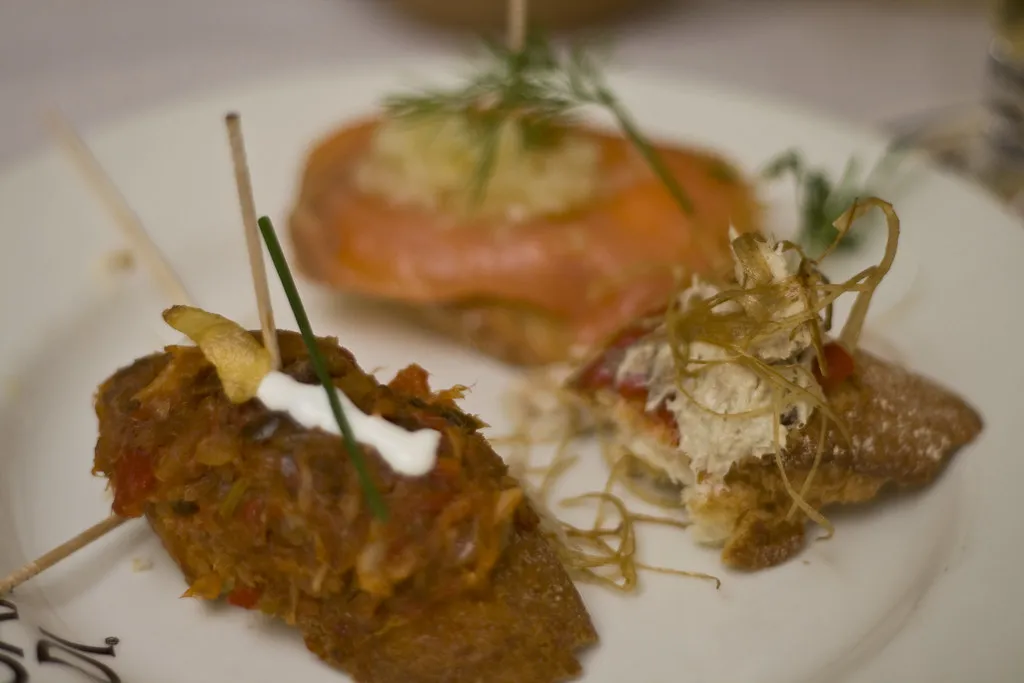
Patatas bravas are a Barcelona staple, but the city does them differently from the rest of Spain. Bar Tomás in the Sarrià district is the benchmark: thick-cut potato cubes, two sauces (a spicy brava and a garlic aioli), almost no frills. It is 15 minutes by train from the city centre and completely worth the detour. The bravas here are not very spicy by global standards — just enough heat to keep you ordering a second round.
Jamón ibérico deserves attention beyond the tourist bars. The best quality — pata negra, from acorn-fed black pigs dry-cured for two to four years — tastes nothing like supermarket ham. At serious tapas bars, a specialist carver handles the leg, and the slices should be so thin they are almost translucent. If a restaurant leaves the jamón pre-sliced and cellophane-wrapped on the counter, walk past it.
La bomba is a less-famous Barceloneta original worth tracking down. It is a soft potato ball stuffed with meat, fried, and served with brava and aioli. La Cova Fumada in Barceloneta is credited with inventing it. The dish is cheap, filling, and almost entirely unknown outside the city — exactly the kind of thing that separates a food-focused trip from a generic one.
Seafood, Rice Dishes, and What to Order Instead of Paella
Paella is everywhere in Barcelona, but it is not originally a Catalan dish — its roots are Valencian. That said, seafood paella (paella de marisco) is excellent here if you pick the right spot. For a fair price, head away from the beach front in Barceloneta: the further inland you go, the more likely you are to be eating alongside locals. Avoid anywhere displaying photo menus in five languages directly on the waterfront.
Paella negra is the version locals actually eat at weekend lunches. The rice is cooked with cuttlefish and squid ink, which turns it a deep black, and the dish is far more complex in flavor than standard paella. It shows up regularly on the menú del día at traditional restaurants. Try it with a squeeze of lemon and a spoonful of aioli stirred through the rice.
Fideuà is the dish most visitors miss entirely. It replaces the rice in paella with short, thin noodles (fideus), toasted dry in a hot pan before the stock goes in. The result is crispier at the edges, more intensely flavored, and harder to find at tourist-facing restaurants — which is exactly why it is worth seeking out. Ask for it specifically at traditional Barceloneta spots or at Sunday lunch restaurants in Gràcia.
Gambes a la planxa (grilled shrimp on a cast-iron pan) are another seafood essential. The shrimp arrive whole with heads intact, seasoned with salt, garlic, and parsley. Cerveceria Catalana in L'Eixample is a well-known spot for them, though they do not take reservations and queues form early. The adventurous move is to suck the head — the hepatopancreas inside concentrates the flavor of the sea.
Markets: Where to Actually Eat
La Boqueria on La Rambla is the most famous market in Barcelona, but it is also the most overrun. The best strategy is to arrive before 09:00 and go directly to Bar Pinoxto (Stall 465, closest to the La Rambla entrance), a 14-stool counter that has served breakfast to locals since the 1940s. Order a xiuxo — a deep-fried Catalan pastry filled with crema catalana, rolled in sugar — with a tallat (cortado). After 10:00, the stall fills with tourists and the experience changes entirely.
Mercat de Sant Antoni, a 15-minute walk west of La Boqueria, is where many Barcelona residents actually shop in 2026. The market was restored and reopened in 2015 and has wider aisles, proper ventilation, and bars inside that serve the same market-quality food as Boqueria at lower prices with more room to sit. If you are traveling with a pushchair or need more space, Sant Antoni is the practical choice. There is also a Sunday book market in the arcades surrounding the building.
Start your culinary exploration at La Boqueria Market for breakfast, then spend a longer stretch at Sant Antoni. Buying fresh produce to take back to your accommodation — good olive oil, aged Manchego, a wedge of tortilla from a market bar — is a far better souvenir than anything from the tourist stalls on La Rambla.
How Barcelona's Seven Mealtimes Actually Work
Barcelona runs on a meal schedule that confuses most visitors who do not prepare for it. There are effectively seven distinct eating moments in the day, and understanding them determines whether you eat well or stand hungry outside closed restaurants at the wrong hour.
- Esmorzar (08:00–10:00): Breakfast — coffee and a pastry, a bocadillo, or churros with thick hot chocolate. Cafes are full of workers before 09:00.
- Mig matí (10:30–12:00): Mid-morning snack — another coffee, a tostada with olive oil and tomato, or a small beer. Locals call this the second breakfast.
- L'aperitiu / vermut hour (12:00–14:00): Vermouth with small tapas before lunch. This is when older Barcelonans gather at neighborhood bars on weekends. Tall glasses of red or white vermouth, often spritzed with soda, served with olives, anchovies, or a small plate of patatas bravas.
- Dinar (14:00–16:00): Lunch is the main meal of the day. The menú del día (typically €12–€16) gives you a starter, main course, dessert, bread, and a drink. This is the best-value eating in the city. Many local restaurants only offer the menú at lunch.
- La merenda (17:00–19:00): Afternoon snack — often a pastry or a small sandwich for children and workers coming off early shifts.
- Tapeo (19:00–21:00): Early tapas round, moving between bars. This is the transition between afternoon and dinner. Pintxos bars in El Born fill up earliest.
- Sopar (21:00–23:00): Dinner. Restaurants do not fill before 21:00. If you sit down at 19:00, you will be surrounded by other tourists. Locals eat at 21:30 or later.
If you are hungry at 19:00, the practical move is a tapas round — not an early dinner sitting. The city's dining rhythm is not flexible; it is cultural infrastructure, and adjusting to it makes every meal better.
Which Neighborhoods Are Actually Best for Eating
The best food in Barcelona is in neighborhoods, not on tourist strips. The Gothic Quarter has a mixed reputation: the main streets are full of overpriced sangria and laminated menus, but the side streets still contain traditional tapas bars that have been there for decades. The rule in the Gòtic is to walk at least one block away from any main pedestrian artery before sitting down.
El Born (Sant Pere, Santa Caterina i la Ribera) borders the Gothic Quarter and has consistently better food. Bar del Pla is a reliable spot for traditional Catalan cooking without tourist markups. Senyor Vermut on Carrer del Parlament is the go-to for the vermut ritual — arrive between 12:00 and 14:00 on a Saturday or Sunday. Pintxos bars along Carrer del Parlament and nearby streets are worth a wander from 19:00 onward.
Gràcia, uphill from the city centre, is where many Barcelona residents eat on weeknights. The squares — Plaça de la Vila de Gràcia, Plaça del Sol — have outdoor terraces that fill with locals after 21:00. L'Anxoveta on Carrer del Torrent de l'Olla serves excellent traditional bombas. The neighborhood has a noticeably lower tourist density than anywhere closer to La Rambla.
| Neighborhood | Best For | Price Range | Best Time to Go |
|---|---|---|---|
| Gothic Quarter | Traditional tapas (off main streets) | €–€€ | Lunch, before 19:00 |
| El Born | Vermut, pintxos, Catalan bistros | €€–€€€ | 12:00–14:00 or 19:00+ |
| Gràcia | Local squares, neighbourhood dinners | €–€€ | 21:00+ on weeknights |
| El Raval | International food, late-night counters | €–€€ | Any time; post-midnight for kebab/Pakistani |
| Barceloneta | Seafood, paella negra, bombas | €€ | Weekend lunch (14:00–16:00) |
Budget-Friendly Eating and What to Order at Every Price Point
The menú del día is the single most important cost-saving mechanism for any visit to Barcelona. For €12–€16 at lunch (12:00 to 16:00), you typically get a three-course meal with bread, wine or water, and dessert. This is how locals eat their main meal. The same restaurant will charge significantly more for the same food in the evening à la carte. Prioritizing the menú del día at lunch reshapes your whole food budget.
Bocadillos (sandwiches on crusty rolls) and tapas bars serve families well — children are genuinely welcome in Barcelona's bar culture until late at night. Nobody looks twice at a family with young children at a tapas bar at 21:30. Patatas bravas, croquetas de jamón, tortilla española, and pan amb tomàquet are all child-friendly and cheap. A round of five tapas dishes at a non-tourist bar typically costs €15–€25 for two people.
For even cheaper eating, Raval has late-night counters — Pakistani spots, kebab shops, Filipino food — open past midnight and priced at €3–€7 a portion. These are not tourist accommodations; they are where Barcelona's night-shift workers eat. The food is good and the price is honest.
Sweet treats worth the small spend: xiuxos from Bar Pinoxto at La Boqueria (arrive before 09:00), churros from Xurreria Dels Banys Nous in the Gothic Quarter paired with thick chocolate from La Granja 1872 nearby, and gelat (Catalan ice cream) from Gelateria Italiana Pagliotta on Carrer de Jaume. The crema catalana flavor there is the one to order.
A Practical Guide to Barcelona's Tasting Menus
Barcelona is arguably the tasting menu capital of the world, with more Michelin-starred restaurants per capita than almost anywhere else. Disfrutar holds two Michelin stars and ranked in the World's 50 Best Restaurants list in 2026. Their tasting menu runs approximately €250–€300 per person before drinks, requires a reservation six to twelve months in advance, and lasts three or more hours. It is the kind of meal that justifies rearranging a travel itinerary.
Cocina Hermanos Torres, run by twin brothers Javier and Sergio Torres in an old warehouse in Les Corts, offers a comparable level of innovation at similar prices. The theatre of the space — an open kitchen surrounded by dining tables in a former warehouse — is part of the experience. Booking at least four months ahead is standard.
Mid-range tasting menus exist for visitors who want the experience without the six-month waitlist. Fismuler in El Born offers creative Catalan cooking with a seasonal focus at around €60–€80 per person for a set lunch menu. The format is more casual than the starred restaurants but the cooking is serious. Reservations a week in advance are usually sufficient.
The practical decision criteria: if you are visiting Barcelona once and budget allows, book Disfrutar or Torres nine months ahead while planning the trip. If you want tasting-menu quality without the commitment, target the menú de degustació at lunch at a mid-range spot — many restaurants offer an abbreviated version at lunchtime for €40–€70 that does not require months of advance planning.
What You Won't Find in Most Guides About El Born
El Born's most useful food secret is the vermut ritual before lunch on weekends. Between 12:00 and 14:00 on Saturdays and Sundays, neighborhood bars fill with locals drinking vermouth — tall glasses of red or white, often topped with a splash of soda — accompanied by free or very cheap small tapas. The social function is specific: it is a pre-lunch gathering that has nothing to do with evening bar culture. Tourists mostly miss it because they are still at breakfast or queuing for La Boqueria at that hour.
El Xampanyet on Carrer de Montcada is the classic vermut bar in El Born. It has been there since 1929, serves its own house vermouth, and offers cheese-stuffed peppers (a kind of local bomba) and anchovies alongside. The interior has barely changed. It gets crowded after 13:00; arrive by 12:15 for a seat.
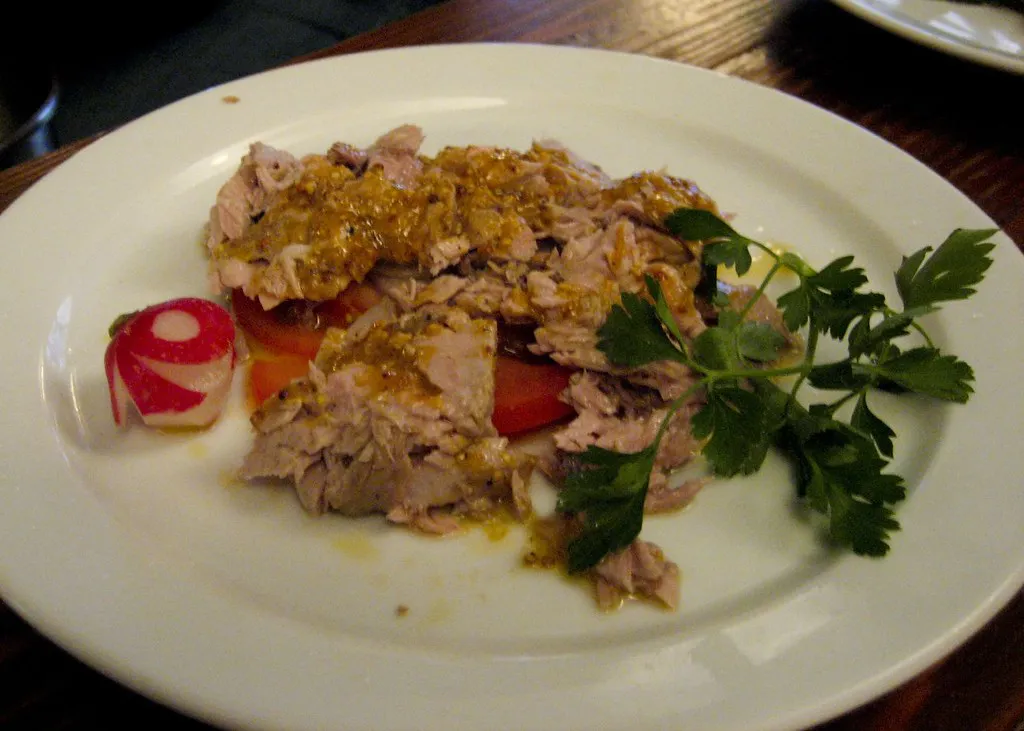
The other thing guides miss: esqueixada. This shredded salt cod salad with tomato, olive oil, onion, and black olives is one of the lightest and brightest dishes in Catalan cooking. Most tourists do not order it because it does not photograph dramatically and is not described in most English-language guides. At traditional Catalan restaurants in El Born, it is almost always on the menu and priced below €10. Order it as a starter before anything else.
How Global Barcelona's Food Scene Is in 2026
Barcelona's food landscape has broadened significantly beyond Catalan cuisine. El Raval, west of La Rambla, is the most multicultural neighborhood for eating — Pakistani, Moroccan, Filipino, Ecuadorian, and Peruvian restaurants sit alongside traditional Catalan bars. Potato-stuffed samosas from Ecuadorian spots in Raval are a specific Eater recommendation and cost €2–€3 apiece. These are not tourist fusion — they are immigrant cooking serving local communities.
Some of Barcelona's most interesting new restaurants operate as delivery-only concepts. Apps like Glovo carry several delivery-only kitchens serving everything from banh mi to creative kibbeh to specialty masala chai. This is worth knowing for nights when popular restaurants are fully booked — the delivery scene taps into serious kitchen talent that has no bricks-and-mortar presence. Order a variety of tapas to share rather than a single main dish for a better home-dining experience.
Wine is increasingly worth paying attention to in Barcelona. Catalan DO wines (Penedès, Priorat, Terra Alta) appear on restaurant lists that a decade ago would have defaulted to Rioja. Extra virgin olive oil labeled with a Catalan Denominació d'Origen designation is available at both La Boqueria and Sant Antoni markets. It has distinct peppery notes and is worth buying to take home — ask for a taste before purchasing at any market stall.
Before You Go: Practical Tips for Eating in Barcelona
Book tasting-menu restaurants as far in advance as possible — the starred places operate on months-long waitlists and online booking systems that open on specific dates. For everywhere else, walking in works fine before 21:00 most weekdays. On Friday and Saturday evenings, reservations for popular mid-range spots in El Born or Gràcia are worth making a week ahead.
Learn three Catalan phrases: pa amb tomàquet (bread with tomato), menú del dia (set lunch menu), and la compte, si us plau (the bill, please). Using even basic Catalan will be received warmly. The language was suppressed for much of the 20th century and its use in restaurants today carries political weight — menus written exclusively in Catalan are a deliberate statement, not an oversight.
Check opening hours carefully. Many Barcelona restaurants close completely between 16:00 and 20:00. Smaller neighborhood spots may observe a siesta break even on weekdays. The Barceloneta beach area is the exception — seafood restaurants along the promenade stay open through the afternoon. Planning your top things to do in Barcelona around lunch and dinner timing (not the reverse) produces a better trip overall.
A Saturday food route that works in 2026: Sant Antoni Market at 09:30 for breakfast at one of the market bars, vermut at Senyor Vermut or El Xampanyet around 12:30, menú del día at a traditional Catalan restaurant between 14:00 and 16:00, and dinner in Gràcia after 21:00. Four meals, four neighborhoods, almost no tourist infrastructure required.
Frequently Asked Questions
What Are Barcelona's Signature Dishes and Local Classics?
Barcelona's signature dishes include paella de marisco, a flavorful seafood rice dish. Try pan con tomate, simple bread rubbed with tomato and olive oil. Don't miss patatas bravas, fried potatoes with spicy sauce. These classics offer a true taste of Catalan cuisine.
Where Should You Grab Street Food in Barcelona?
For excellent street food, visit La Boqueria Market near La Rambla. You can find fresh juices, empanadas, and small fried fish. The Gothic Quarter also has several small kiosks offering quick snacks. Barceloneta Beach promenade is perfect for casual bites and churros.
What Do Locals Actually Drink, and When?
Locals often start their day with coffee, typically a 'café con leche'. Vermut is a popular aperitif, especially before lunch on weekends. Wine, particularly local Catalan wines, is common with meals. Beer is also widely enjoyed throughout the day and evening.
Which Neighborhoods and Markets Are Best for Eating?
El Born and Gràcia are excellent neighborhoods for diverse dining, from traditional to trendy. The Gothic Quarter offers classic tapas bars and historic eateries. La Boqueria Market is a must-visit for fresh produce and quick bites. Sant Antoni Market is also great for local food finds.
Barcelona's food scene rewards visitors who adjust to its rhythms — the late dinners, the midday menú del día, the Saturday vermut ritual before lunch.
The dishes that define it are Catalan first: pa amb tomàquet, fideuà, esqueixada, bombas from Barceloneta.
Work the neighborhoods, respect the mealtimes, and book the tasting menus far in advance.
Your best meals here will come from the places that do not need to advertise.
You might also like


Continue reading
More guides you'll find useful


