15 Best Things to Do in Madrid (2026 Travel Guide)
Plan things to do in Madrid with top picks, neighborhood context, timing tips, and practical booking advice for a smoother trip.
On this page
15 Essential Things to Do in Madrid for 2026
Madrid rewards visitors who slow down. Spain's capital is not a city you tick off in a day — it's a place where a morning at the Prado bleeds into a long lunch in La Latina, and before you know it you're watching the sunset from a rooftop bar on Gran Vía. This guide covers the essential things to do in Madrid in 2026: world-class museums, royal landmarks, outdoor escapes, and the food and neighbourhood experiences that make the city feel genuinely alive.
The attractions here are organised by type, so you can build a daily plan without bouncing across the map. Prices are in EUR; times are given in 24h format. Where booking in advance saves significant queue time, that's noted explicitly.
Key Takeaways
- Book the Royal Palace and Prado Museum online — queues at the door regularly exceed 45 minutes in peak season.
- Free Prado entry runs Mon–Sat 18:00–20:00 and Sun 17:00–20:00; arrive 15 minutes early as timed slots fill fast.
- El Rastro flea market runs every Sunday and public holiday, 09:00–15:00, in the La Latina neighbourhood — bring cash.
- The RIU Plaza España 360° Rooftop Bar fills up by 19:30 on weekend evenings; arrive by 18:30 for a good spot.
- Insider pick: Mercado San Antón in Chueca is calmer than Mercado de San Miguel and has a rooftop terrace bar on the third floor.
Plan with trusted sources: cross-check opening hours and seasonal details with the official Madrid tourism site, and read more about the city on its Wikipedia entry before you go.
Explore Madrid's Famous Neighbourhoods First
Madrid is best understood neighbourhood by neighbourhood, each with a distinct personality. Sol is the geographic and commercial heart of the city — this is where you find Plaza Mayor, Gran Vía, and Puerta del Sol, the spot marked as kilometre zero for all Spanish roads. It is also the most tourist-dense area, so use it as an orientation point rather than a base for all your meals.
La Latina sits just southwest of Sol and is the city's best foodie neighbourhood. Narrow streets are packed with tapas bars, and on Sundays the whole area hums after the El Rastro market closes and locals spill into the bars for vermouth. Malasaña, to the north, has a grittier creative energy — independent coffee shops, vintage clothing stores, and low-key restaurant terraces on streets named after Manuela Malasaña, the 15-year-old seamstress who became a symbol of resistance to Napoleon's forces in 1808. For upscale shopping, Salamanca is where the designer labels concentrate. Chueca, squeezed between Sol and Malasaña, is Madrid's LGBTQ+ neighbourhood and one of the liveliest spots in the city at any hour.
Walking between these neighbourhoods is genuinely feasible — La Latina to Malasaña is around 25 minutes on foot. Put away the map occasionally and let the streets pull you. Madrid's grid is forgiving and the payoff for wandering is high: ornate facades, hidden plazas, and the smell of coffee and churros at unexpected corners.
Must-See Madrid Attractions
The Royal Palace (Palacio Real) is the single most spectacular building in Madrid and a mandatory stop. It is Europe's largest functioning royal palace by floor area, with over 3,400 rooms — though visitors access a curated route through the grandest state rooms, throne room, royal chapel, and the armoury. Admission is €14 per adult in 2026. EU citizens get free entry on certain days (Monday–Thursday outside peak hours); check the official Patrimonio Nacional site for current schedules. Allow 2–3 hours minimum. The Sabatini Gardens on the north side are free to enter and worth 30 minutes on their own, especially in spring when the hedges are in full shape.
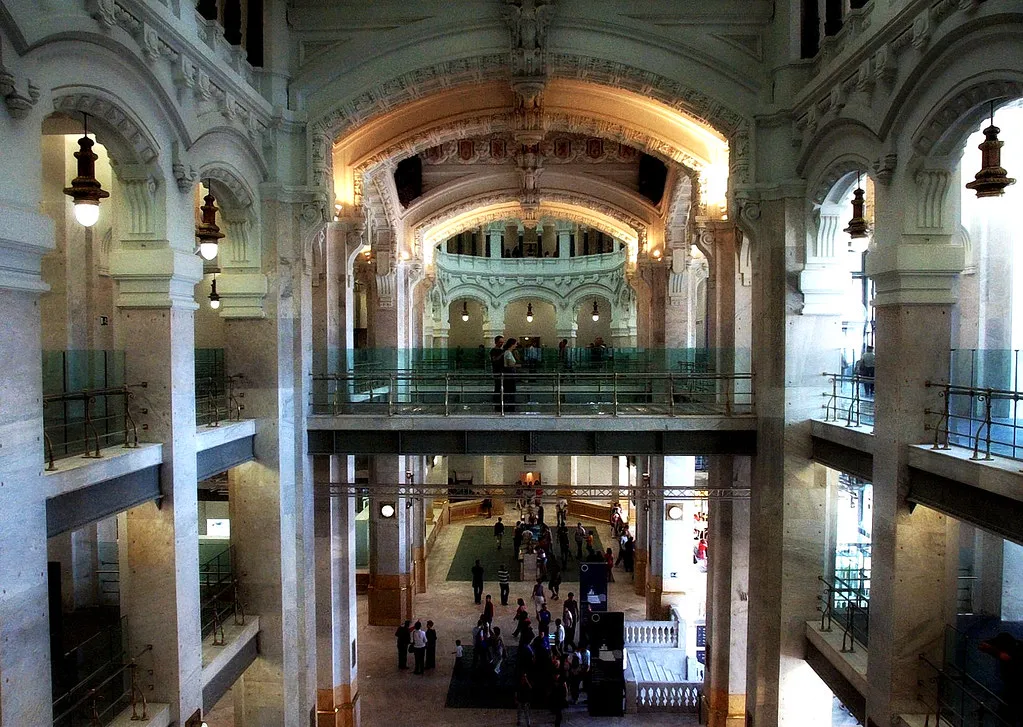
Adjacent to the palace is the Almudena Cathedral, which is free to enter. The exterior looks almost too new — construction ran from 1879 to 1993 — but the interior is striking, with tall columns and vivid stained-glass windows. The crypt beneath costs a small fee and contains the burial sites of several noble families. Because it is right there, it would be a shame to skip it.
Plaza Mayor, five minutes east of the palace, is the grand arcaded square that served for centuries as the city's stage for bullfights, coronations, and public trials. Today it is ringed by cafés and street artists. Prices at the tables here are high by Madrid standards — €6–€8 for a coffee. The real value is the architecture: the Casa de la Panadería on the north side has a painted baroque facade that is genuinely beautiful at any time of day. Spend 30 minutes here, then walk south into La Latina for cheaper and better food.
Museums, Art, and Culture in Madrid
The Prado Museum (Museo Nacional del Prado) is one of the top five art museums in the world by any serious measure. The permanent collection spans Spanish, Flemish, and Italian painting from the 12th to the early 20th centuries, anchored by Goya's Black Paintings, Velázquez's Las Meninas, and El Greco's large-format altarpieces. General admission is €15; online booking costs the same but assigns a timed entry slot, skipping a queue that can exceed an hour on summer mornings. Free entry runs Mon–Sat 18:00–20:00 and Sun 17:00–20:00. If you go for the free slot, arrive 15 minutes early: a queue forms, but it moves quickly once the doors open. Budget 3–4 hours for a proper visit, or pick a single wing and go deep rather than trying to cover everything.
The Reina Sofía Museum, near Atocha station, holds the city's 20th-century collection. Picasso's Guernica — the enormous anti-war canvas painted in 1937 in response to the bombing of the Basque town — is the centrepiece. It is bigger in person than photographs suggest, and the room around it is deliberately sparse so nothing competes for attention. Dalí and Miró also feature prominently. Admission is €12; free Mon and Wed–Sat 19:00–21:00 and Sun 12:30–14:30. The building, a converted hospital, has a pleasant inner courtyard café.
Iglesia de San Jerónimo el Real (St. Jerome the Royal) is a 16th-century church immediately northeast of the Prado — most visitors walk right past it. Entry is free. It is small, it is quiet, and the gothic stonework is in remarkable condition given its age. It is not worth a detour on its own, but since it is a two-minute walk from the Prado entrance, add it to either end of your museum visit. Royal weddings and state events have been held here for centuries, including the coronation mass of King Felipe VI in 2014.
Parks, Gardens, and Outdoor Spots in Madrid
El Retiro Park is the green lung of central Madrid — 350 acres of gardens, tree-lined promenades, and a large boating lake. Entry is free. Rowboats can be rented at the Estanque Grande lake for around €6 per person for 45 minutes. The Crystal Palace (Palacio de Cristal), built in 1887, sits in the southeastern section and hosts rotating contemporary art exhibitions from the Reina Sofía. The park is open daily from 06:00 to midnight in summer and 06:00 to 22:00 in winter. Sunday afternoons are when Madrid is most fully itself here — families, street performers, chess players, and everyone with a dog. The Campo del Moro rose garden (Rosaleda del Retiro) peaks in May and early June when hundreds of rose varieties are in bloom.
The Real Jardín Botánico (Royal Botanic Garden) borders the southern edge of the Prado and is a genuinely underrated stop. Admission is €4, or €6 with the Villanueva Pavilion. The bonsai garden alone justifies the entry fee: dozens of individual specimens, some over a century old, each maintained with visible care. In December the trees are bare but the greenhouses are still full. In spring the layout — three terraced levels of labelled plants from across Spain and its former territories — makes more sense as a place to spend an hour.
The Temple of Debod sits in Parque de la Montaña, a ten-minute walk west of Plaza de España. This 2nd-century BC Egyptian temple was dismantled, shipped from Egypt to Spain, and rebuilt here in 1972 as a gift in recognition of Spanish archaeological work that helped save monuments threatened by the Aswan Dam's rising waters. Entry to the interior is free but access is limited to ten people at a time, which creates waits of 45–75 minutes even in low season. The hieroglyphics inside are partially worn. The honest advice: skip the interior queue and walk around the outside instead. The park behind the temple has some of the best southwest-facing city views in Madrid, which means it is one of the best spots for sunset — no waiting, no ticket.
Check Out El Rastro Flea Market (Sundays Only)
El Rastro operates every Sunday and public holiday from 09:00 to roughly 15:00 across the La Latina neighbourhood. The main arteries are Calle de la Ribera de Curtidores, Calle de Toledo, and Calle de Embajadores, with overflow stalls filling Plaza del Cascorro and the surrounding side streets. Hundreds of vendors sell vintage clothing, leather goods, jewellery, prints, second-hand books, vinyl records, and a great deal of miscellaneous clutter. Entry is free; individual item prices are highly variable and negotiation is expected.
A few practical points: bring cash, as most stalls are card-free. Go early (before 10:30) to browse before the crowds arrive and before the best items disappear. Keep your bag in front of you — El Rastro is a well-known pickpocket area, simply because of the density of distracted tourists. The quality of goods ranges widely; vintage clothing and handmade craft items are worth the hunt, while mass-produced "artisanal" souvenirs are the same things sold near the Prado at twice the price. After the market winds down around 14:00, the tradition is to move into La Latina's tapas bars for vermouth and pintxos — this Sunday ritual is one of the most authentic things you can do in Madrid.
Rooftop Views: RIU Plaza España and El Corte Inglés Callao
The 360° Rooftop Bar at Hotel RIU Plaza España is the most popular elevated viewpoint in the city. The bar wraps the entire perimeter of the building, and on a clear evening the views extend to the Guadarrama mountains. Drinks run €12–€18. The glass floor panel near the elevator — you can look straight down to the traffic on Gran Vía — is worth a pause. Arrive by 18:30 on weekends; by 19:30 the queue for the lift is long and bar space is at a premium. Weekday evenings are significantly calmer.
A less-crowded alternative is the rooftop of El Corte Inglés at Callao, the large department store on Plaza del Callao at the top of Gran Vía. Take the lift to the top floor, walk through the café, and step out onto the open terrace. There is no entrance fee — you just need to buy something at the café if you want to sit. The views look straight down Gran Vía and across the city's roofline. Because it is technically a department-store café rather than a destination bar, it draws fewer people and feels calmer. It opens from around 10:00, which makes it useful for morning views over coffee when the rooftop bars are closed.
Food Markets and Tapas Bars Worth Knowing
Mercado de San Miguel is the city's most famous food market — a beautiful iron-and-glass structure from 1916, just off Plaza Mayor, with around 30 stalls selling charcuterie, oysters, jamón, vermouth, and wine. It is genuinely worth a visit for the aesthetics and the quality of produce, but it gets extremely dense during peak hours (13:00–15:00 and 19:00–21:00). Individual tapas cost €2–€8. Pickpocket awareness applies here for the same reason as El Rastro. The best time to visit is on a weekday between 10:00 and 12:00, when you can move freely and have a proper conversation with stall vendors.
Mercado San Antón in Chueca is the calmer alternative. It is a three-floor indoor market: fresh produce and butchers on the ground floor, prepared food stalls on the second, and a rooftop bar-restaurant on the third floor. The rooftop terrace has a retractable glass roof and is open year-round. The food quality is comparable to San Miguel and the atmosphere is considerably more relaxed — mostly locals and people who have specifically sought it out rather than tourists who wandered in from Plaza Mayor. The address is Calle de Augusto Figueroa 24, in the heart of Chueca.
For dedicated tapas bars beyond the markets, the streets of La Latina are the best concentration: Calle de la Cava Baja and its surroundings have dozens of options ranging from traditional jamón-and-cheese pintxo bars to Basque-influenced spots. The city's late dining schedule applies here — kitchen service typically does not start until 13:30 for lunch and 21:00 for dinner, with tapas available throughout. See our guide to the the city's best tapas bars for specific recommendations by neighbourhood.
Gran Vía at Sunset and Flamenco at Night
Walking Gran Vía at sunset is one of those Madrid experiences that is difficult to photograph and easy to remember. The street runs roughly west to east, which means the setting sun lights the facades of the early 20th-century buildings — a mix of beaux-arts, art deco, and neo-baroque — from the front. The effect at 20:30–21:30 in summer, when the sky goes pink and orange over the buildings, is worth slowing down for. Gran Vía is Madrid's busiest street, so this is less a tranquil stroll and more a city energy experience: trams of tourists, theatergoers heading to one of the dozen venues along the street, and locals who move through with practiced indifference.
Flamenco in Madrid is best in a tablao — a dedicated performance venue with an intimate stage setup, as opposed to a restaurant with incidental entertainment. The standard show runs 60–75 minutes and includes singing (cante), guitar, and dance. Tickets are typically €25–€45, with dinner packages available for €60–€80. Tablao Cardamomo on Calle de Echegaray and Las Carboneras near Plaza Mayor are two of the more respected mid-range options in 2026. Book at least 48 hours in advance for weekend shows; earlier in summer. The most authentic performances happen in venues where the performers are also the owners — the commercial tourist tablaos deliver technically proficient shows but lack the improvisational tension of smaller spaces.
The Las Meninas Madrid Gallery: Free Open-Air Street Art
Across the city, large-format sculptural figures of Las Meninas — the handmaidens depicted in Velázquez's 1656 masterpiece — stand on pavements, in plazas, and outside metro stations. Each statue is painted and decorated by a different artist, using the same silhouette as a canvas. The initiative, called Meninas Madrid Gallery, began in 2020 and has rotated new pieces annually since. It is completely free, fully outdoors, and scattered across every major neighbourhood — meaning you are likely to stumble across several without specifically looking for them.
This is genuinely something no other European city does at this scale, and it connects the Velázquez painting in the Prado — which is also one of the most-analysed artworks in Western art history — to street-level culture in a way that feels organic rather than gimmicky. The tourist office publishes an updated map of the current locations on esmadrid.com. If you are visiting with children or with people who are not museum-inclined, the scavenger-hunt quality of finding all the figures in a neighbourhood is a low-effort way to cover ground and have something to talk about.
Family-Friendly and Budget-Friendly Options in Madrid
Madrid is one of Europe's more manageable capital cities on a limited budget. The free evening hours at the Prado and Reina Sofía eliminate the cost of two of the best museum visits in the world. El Retiro Park, Parque de la Montaña, the Botanic Garden (€4), and all the city's main squares cost nothing. Temple of Debod entry is free. El Rastro on Sundays requires only what you choose to spend. Chocolatería San Ginés on Pasadizo de San Ginés — open since 1894, now 24 hours — serves churros con chocolate for around €5 and is genuinely one of the best cheap eats in the city.
Families with children do well with Retiro Park as a half-day anchor: rowboats on the lake, open grass for running, and the crystal palace with rotating exhibitions. The Royal Palace is engaging for kids who respond to large-scale grandeur — the sheer size and the armoury collection tend to hold attention. The Meninas statues around the city function as an informal scavenger hunt. For older children and teenagers, the Santiago Bernabéu stadium tour (home of Real Madrid, €25–€30 per adult) includes access to the changing rooms, pitch-side tunnel, and trophy display; book online in advance as this is one of the most visited sports venues in Europe.
The Madrid Tourist Travel Pass (Abono Turístico) covers unlimited metro and bus travel for 1–7 days (from €8.40 for 1 day, Zone A). If you are staying in the centre and walking between most attractions, it is rarely worth buying — but it pays for itself the moment you need to reach the Bernabéu (Zone A, metro line 10), the airport, or want to make a day trip by local train to Aranjuez.
Madrid Through the Seasons: When to Visit
Spring (April–May) is the strongest all-around choice. Temperatures sit between 15°C and 22°C, El Retiro's rose garden peaks in May, and the city has not yet reached the density of summer tourism. The Fiesta de San Isidro in mid-May — Madrid's patron saint festival — brings free outdoor concerts, processions, and extended evening events across the city for a full week.
Summer (June–August) is hot: July and August regularly hit 35–40°C. The city empties somewhat as locals leave on holiday, which means shorter museum queues — but outdoor sightseeing in the afternoon is genuinely uncomfortable. Prioritise morning activity before 12:00, siesta from 14:00–17:00, and late evenings when Madrid comes back to life after dark. Rooftop bars, evening museum visits, and late-night dining all play to summer's strengths.
Autumn (September–October) mirrors spring in temperature and is slightly less crowded than the peak summer months. Cultural programmes restart in September after the summer pause — theatre, live music, and gallery shows all resume. Winter (November–March) is cool (5–12°C) rather than cold by northern European standards. Christmas in Madrid is excellent: Plaza Mayor hosts a large market throughout December, and the city's buildings are lit impressively. For more detail on timing, see our guide on when to visit Madrid.
How to Plan a Smooth Madrid Attractions Day
Book the Royal Palace and Prado Museum online before you travel. Both sell timed entry slots and both regularly sell out popular time windows, especially on weekends and in July–August. Booking also cuts queue time significantly — the Prado's walk-up queue on a summer morning can be 45–60 minutes. Many Madrid museums close on Mondays, so factor that into your planning: the Prado and Reina Sofía are among those that are closed on Tuesdays (Prado) and Tuesdays (Reina Sofía) — check current schedules on each institution's website before planning a tight itinerary.
| Attraction | Admission (adult) | Free Entry | Recommended Time | Book Online? |
|---|---|---|---|---|
| Royal Palace (Palacio Real) | €14 | Mon–Thu, off-peak (EU citizens) | 2–3 hours | Yes — skips queue |
| Prado Museum | €15 | Mon–Sat 18:00–20:00; Sun 17:00–20:00 | 3–4 hours | Yes — timed entry |
| Reina Sofía Museum | €12 | Mon & Wed–Sat 19:00–21:00; Sun 12:30–14:30 | 2–3 hours | Recommended |
| El Retiro Park | Free | Always free | 2–3 hours | No |
| Temple of Debod | Free | Always free | 30–45 min | No (walk-up only) |
| Royal Botanic Garden | €4–€6 | — | 1 hour | No |
| Bernabéu Stadium Tour | €25–€30 | — | 1.5–2 hours | Yes — sells out |
| Flamenco Tablao (show) | €25–€45 | — | 60–75 min | Yes — 48h+ ahead |
The city is very walkable. From the Royal Palace to the Prado is about 20 minutes on foot through central Madrid, passing Plaza Mayor and along Paseo del Arte. The metro is clean, inexpensive (€1.50–€2 per journey), and useful for longer distances or reaching outlying attractions like the Bernabéu. Taxis and Uber/Cabify are reliable and reasonably priced by European capital standards — a city-centre journey rarely exceeds €10. See our guide on getting around the city for full transport options.
Madrid operates on a notably late daily schedule. Breakfast is often not served until 10:00 in cafés. Lunch service begins around 13:30 and runs until 16:00. Dinner is rarely before 21:00, and restaurants fill between 21:30 and 23:00. The tourist instinct to eat at 18:30 will leave you in near-empty restaurants; eating at 22:00 puts you exactly where the city is. Build this into your day: heavy morning sightseeing, long lunch around 14:00, late afternoon for parks or markets, dinner after 21:00, and then the evening, which in Madrid does not wind down early. See our guide on where to stay in the city to find the neighbourhood that best matches your plan.
Frequently Asked Questions
How many days are enough to see Madrid's main attractions?
Three to four days is generally sufficient to experience Madrid's main highlights. This allows time for major museums, the Royal Palace, Retiro Park, and a taste of the city's vibrant food scene. For a more relaxed pace or day trips, consider five to seven days.
Is Madrid a walkable city?
Yes, Madrid is very walkable, especially its central areas and historic neighbourhoods. Many key attractions are within comfortable walking distance of each other. Comfortable shoes are a must, but the excellent public transport system is always available for longer distances.
What are some free things to do in Madrid?
Madrid offers many free attractions, including exploring Retiro Park, visiting the Temple of Debod, and wandering through Plaza Mayor. Many museums like the Prado and Reina Sofía also offer free entry during specific evening hours. You can also enjoy the lively atmosphere of El Rastro flea market on Sundays.
Madrid rewards the visitor who gives it time. The Prado alone justifies the flight. Add the Royal Palace, a morning in El Retiro, an evening on the RIU rooftop watching the sun set over Gran Vía, and a late Sunday spent at El Rastro then drinking vermouth in La Latina, and you have the shape of a genuinely memorable trip. None of it requires elaborate planning — just a few online bookings for the big museums and a willingness to eat dinner at 22:00.
Use the neighbourhood section above to orient yourself on arrival, pick two or three anchors from the museums and landmarks sections for each day, and leave the rest to chance. Madrid's streets reliably reward the unplanned detour. ¡Buen viaje!
Explore More Madrid Guides
Plan every part of your trip with our complete Madrid guides — attractions, where to stay, food, day trips and more.
Itineraries & Trip Planning
- how many days you need
- a 3-day Madrid itinerary
- a one-day Madrid itinerary
- a 2-day Madrid itinerary
- the Madrid city pass
- whether Madrid is worth visiting
- practical travel tips
Top Attractions
Neighborhoods
Food & Drink
- the best places to eat
- the city's best tapas bars
- cheap eats around the city
- what to eat in Madrid
- the best rooftop bars
- Mercado San Miguel
- the best churros
Festivals & Culture
Where to Stay
Getting Around & Transport
When to Visit
Day Trips
- the best day trips
- a day trip to Toledo
- a day trip to Segovia
- a day trip to El Escorial
- a day trip to Ávila
- a day trip to Aranjuez
More Things to Do
You might also like


Continue reading
More guides you'll find useful