

9 Essential Things to Know & Do on La Rambla Barcelona (2026)
Discover La Rambla Barcelona's top 9 attractions, hidden histories, and local tips. Plan your visit with our essential guide to this iconic boulevard.
On this page
9 Essential Things to Know & Do on La Rambla Barcelona (2026)
After three visits to Barcelona over five years, I've come to appreciate La Rambla not just as a street, but as the pulsating heart of the city. This iconic boulevard, stretching from Plaça de Catalunya to the Christopher Columbus Monument, offers a vibrant cross-section of Barcelona life. It’s a place where history, art, and daily hustle converge, creating an unforgettable atmosphere for every visitor. This guide, last refreshed in November 2025, aims to help you navigate its charms and discover its hidden depths.
Many first-time visitors can feel overwhelmed by the sheer energy of La Rambla. However, taking the time to explore its distinct sections reveals a rich tapestry of experiences. Beyond the bustling crowds, you'll find architectural marvels, culinary delights, and unique cultural landmarks. Understanding its layout and key attractions is crucial for a truly rewarding visit.
Plan with trusted sources: cross-check opening hours and seasonal details with the official Barcelona tourism board, and read more about the city on its Wikipedia entry before you go.
9 Essential Things to Know & Do on La Rambla Barcelona (2026)
La Rambla is more than just a street; it is a collection of distinct sections, each with its own character and history. Exploring these individual 'Ramblas' reveals the true depth of this iconic Barcelona boulevard. From its origins as a seasonal waterway to its current status as a vibrant pedestrian thoroughfare, La Rambla tells the story of Barcelona. Let's dive into the essential experiences that make this street so captivating for 2026 visitors.
Understanding the historical context of La Rambla enhances appreciation for its current form. It's a place where every corner seems to hold a tale, from ancient traditions to modernist flourishes. These nine points will guide you through its most significant sights and experiences. Prepare to discover the essence of Barcelona's most famous promenade.
- Experience La Boqueria Market's Culinary Delights
- This bustling public market, Mercat de Sant Josep de la Boqueria, is a sensory explosion of colors, aromas, and flavors.
- It is a must-visit for food lovers, offering fresh produce, local cheeses, cured meats, and vibrant fruit juices.
- Entry is free, though samples and purchases vary; aim for €5–€20 for a substantial snack or light lunch.
- Visit early in the morning (around 9-10 AM) to avoid peak crowds and get the freshest selection before the afternoon rush.
- Admire Joan Miró's Pavement Mosaic
- Often overlooked by hurried passersby, this circular mosaic by the renowned artist Joan Miró is embedded directly into the pavement.
- It serves as a subtle yet significant piece of public art, marking the point where Miró was born and where he wished his art to be.
- Finding it requires looking down, just north of the Liceu Opera House, near the Pla de l'Os.
- It's free to view and best appreciated during quieter moments when you can stand back without obstructing foot traffic.
- Marvel at Casa Bruno Cuadros (Umbrella House)
- This stunning modernist building, also known as the Casa dels Paraigües, features an incredibly ornate facade adorned with umbrellas, fans, and a Chinese dragon.
- Designed by Josep Vilaseca i Casanovas, it was originally an umbrella shop and now houses a bank.
- The exterior is free to admire and offers a fantastic example of Catalan modernism.
- Allocate 10-15 minutes to take in the intricate details of its unique architectural elements.
- Sip Water at Font de Canaletes
- This ornate iron fountain holds a special place in Barcelona's heart, especially for FC Barcelona fans.
- Legend says that anyone who drinks from its four spouts will inevitably return to Barcelona.
- It is also the traditional spot where Barça fans gather to celebrate victories, making it a lively spot after a big match.
- Drinking from the fountain is free, and it's located at the very top of La Rambla, near Plaça de Catalunya.
- Explore the Grand Teatre del Liceu
- Barcelona's oldest and most prestigious opera house, the Liceu, is a magnificent cultural landmark with a rich history dating back to 1847.
- Despite several fires, it has been rebuilt to its former glory, offering a grand setting for opera, ballet, and concerts.
- Guided tours are available, typically costing €16–€20 per adult, running daily from 10 AM to 5 PM, with varying schedules on performance days.
- Booking tickets for a performance or a tour in advance is highly recommended, especially during peak season.
- Ascend the Christopher Columbus Monument
- Standing tall at the Port Vell end of La Rambla, this impressive monument honors Christopher Columbus's first return to Spain after his voyage to the Americas.
- An elevator inside the column takes visitors to a viewing platform offering panoramic views of the city, the harbor, and the Gothic Quarter.
- Entry to the viewpoint costs around €6–€8 per adult, generally open daily from 8:30 AM to 8:30 PM (check seasonal variations).
- Go on a clear day for the best photo opportunities, and consider combining it with a stroll along the waterfront.
- Wander through the Plaça Reial
- Just off La Rambla, this elegant and lively square is known for its palm trees, street lamps designed by a young Gaudí, and arcaded walkways.
- It is a beautiful spot to relax, enjoy a drink at one of its many terraces, or simply people-watch.
- The square is free to enter and always accessible, though cafes have their own operating hours, typically 9 AM to midnight.
- Visit in the evening when the square truly comes alive with musicians and a vibrant atmosphere.
- Discover the Wax Museum of Barcelona (Museu de Cera)
- Located in a beautifully restored 19th-century building, the Barcelona Wax Museum offers a unique and sometimes quirky experience.
- It features a wide range of figures from historical personalities to contemporary celebrities and fictional characters.
- Admission is typically €15–€18 per adult, with discounts for children, and it's usually open daily from 10 AM to 7 PM.
- This can be a fun rainy-day activity or a lighthearted break from historical sightseeing, especially for families.
- Find Gaudi's Hidden Lampposts in Plaça Reial
- Before his grand architectural masterpieces, Antoni Gaudí designed the elegant street lamps in Plaça Reial.
- These intricate, six-armed lampposts with dragon helmets are among his earliest public works.
- They are free to view and can be found by simply walking into the square from La Rambla.
- Take a moment to appreciate the nascent genius in these often-overlooked details of the square.
Planning Your Visit to La Rambla: Tips for a Memorable Experience
Navigating La Rambla effectively can significantly enhance your visit to Barcelona. This bustling boulevard, while iconic, requires a few insider tips to truly enjoy its charm. Considering the time of day and being aware of your surroundings are key to a smooth experience. I’ve learned that a little planning goes a long way here.
To truly appreciate the architecture and atmosphere without the heaviest crowds, plan your visit for early mornings, ideally before 10 AM. Evenings bring a different kind of energy, perfect for people-watching, but also denser crowds. Be mindful of pickpockets, especially in crowded areas like La Boqueria and around street performers. Keep your valuables secure and out of sight to prevent any issues.
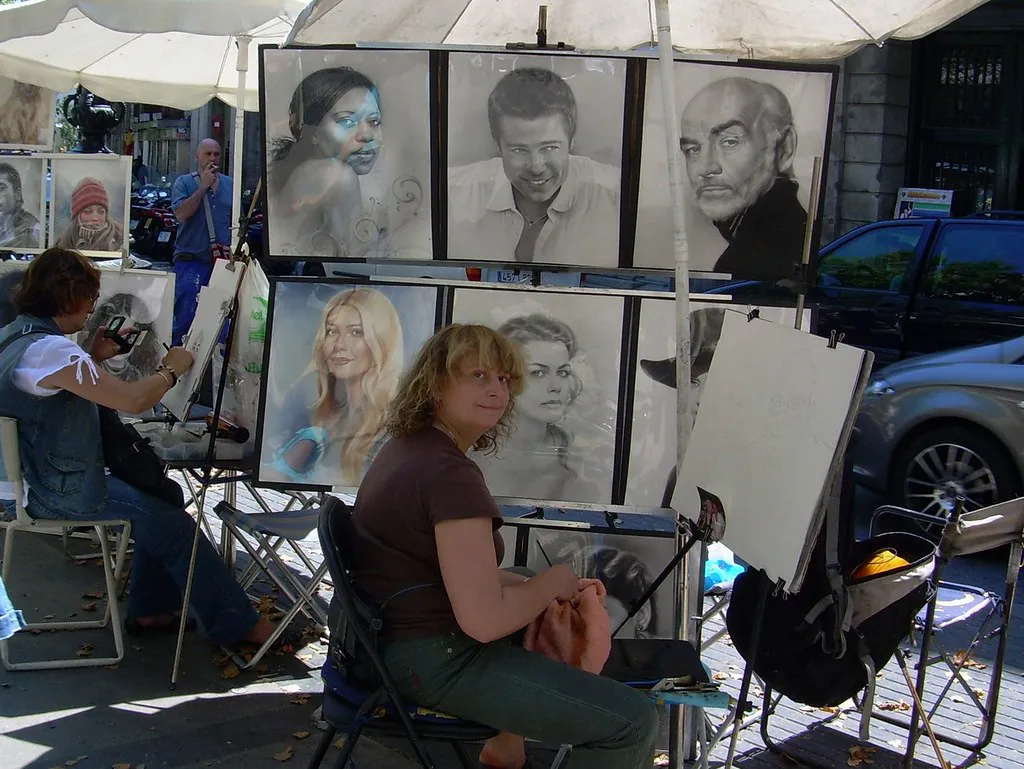
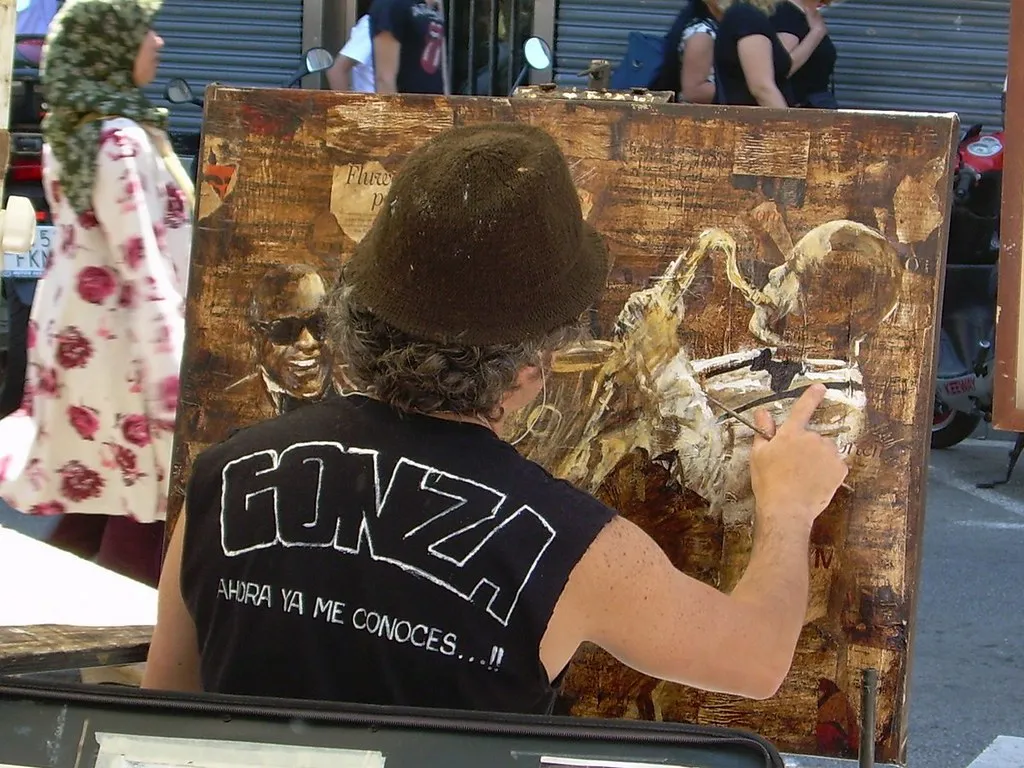
While La Rambla is famous for its street artists and performers, be aware that many charge for photos or expect tips. Always ask before snapping a picture to avoid awkward situations. For dining, many restaurants directly on La Rambla cater to tourists and can be overpriced. Venture into the side streets of the Gothic Quarter or El Raval for more authentic and affordable culinary experiences. Check out our guide to the best places to eat for more options.
The entire length of La Rambla is easily walkable, but wear comfortable shoes as you will be on your feet for a while. Public transport, like the metro (L3 line, stops at Drassanes, Liceu, and Catalunya), is excellent for reaching either end. Consider a guided walking tour for deeper historical insights into the area. These tours often reveal hidden gems and stories you might otherwise miss. For more general city navigation, consult our getting around the city guide.
What to skip: The tourist-trap souvenir shops that line parts of La Rambla often sell generic items. Instead, seek out unique local crafts in nearby neighborhoods like the Gothic Quarter or El Raval. Also, avoid the bird and pet stalls; while historically part of the Rambla de Sant Josep, they are often criticized for animal welfare concerns and detract from the street's cultural essence.
La Rambla remains an undeniable symbol of Barcelona, a vibrant artery that connects its rich past with its dynamic present. From its humble origins as a waterway to its current status as a world-famous promenade, it offers a unique blend of history, culture, and daily life. By delving into its distinct sections and iconic landmarks, you can move beyond the surface and discover the true essence of this remarkable street. Embrace its energy, but also take time to explore its quieter corners and hidden gems.
Whether you're savoring tapas at La Boqueria, admiring modernist architecture, or simply soaking in the atmosphere, La Rambla promises a memorable experience. Remember to stay aware of your surroundings and venture into the adjacent neighborhoods for deeper cultural immersion. Your visit to Barcelona wouldn't be complete without a stroll down this legendary boulevard. It truly captures the spirit of this incredible Catalan city.
As you plan, our guides to La Pedrera Casa Mila Barcelona Travel Guide and La Boqueria Market Barcelona Travel Guide cover the rest of the essentials.
Frequently Asked Questions
Is La Rambla worth visiting?
Yes, La Rambla is Barcelona's most famous promenade and a classic first-timer's stroll, though it is very touristy — go early in the morning to enjoy it before the crowds.
How long is La Rambla?
La Rambla stretches about 1.2 km (0.75 miles) from Plaça de Catalunya down to the Christopher Columbus monument at the waterfront.
What can you see on La Rambla?
Highlights include La Boqueria market, the Liceu opera house, the Miró pavement mosaic, Plaça Reial, historic buildings, and street performers and flower stalls.
Is La Rambla safe?
La Rambla is generally safe but is a known hotspot for pickpockets because of the crowds. Keep valuables secure and stay aware, especially at night.
Where does La Rambla start and end?
It runs from Plaça de Catalunya at the top down to the Port Vell waterfront and the Columbus Monument at the bottom.
You might also like


Continue reading
More guides you'll find useful


