20 Best Restaurants in Barcelona Right Now (2026 Guide)
Discover the 20 best restaurants in Barcelona for 2026. Our guide covers top picks, traditional Catalan spots, and hidden gems for an unforgettable dining experience.
On this page
20 Best Restaurants in Barcelona Right Now
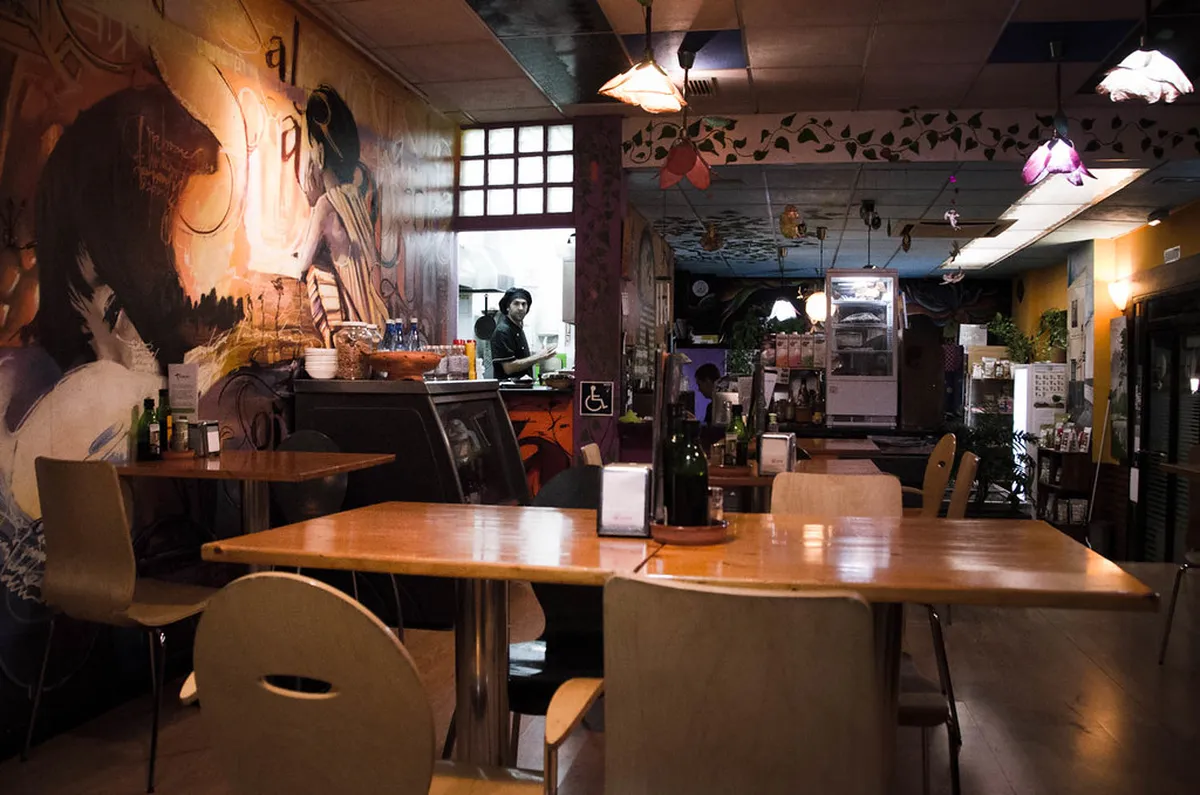
Barcelona's restaurant scene moves fast. Places that were impossible to book two years ago have been replaced by a new wave of chef-driven kitchens in Gràcia, Sant Antoni, and Eixample. This guide reflects what's actually worth your time in 2026: a curated shortlist that mixes current neighbourhood gems, longstanding institutions, and a handful of Michelin-starred rooms worth the splurge. Whether you're planning a casual lunch or a special dinner, the restaurants below cover every budget and occasion.
Each entry includes the neighbourhood, a price indication, and honest booking advice. The city rewards those who plan ahead: many of the best tables fill within hours of reservations opening. Use this guide as your starting point, then check current opening hours directly with the restaurant before you go.
Plan with trusted sources: cross-check opening hours and seasonal details with the official Barcelona tourism board, and read more about the city on its Wikipedia entry before you go.
Best Restaurants in Barcelona Right Now (2026)
The restaurants below represent the most consistent performers across different budgets and dining styles. Some have held steady for decades; others opened in the last two years and already have queues. The common thread is quality: every place on this list has been chosen for what it does well, not for fame alone.
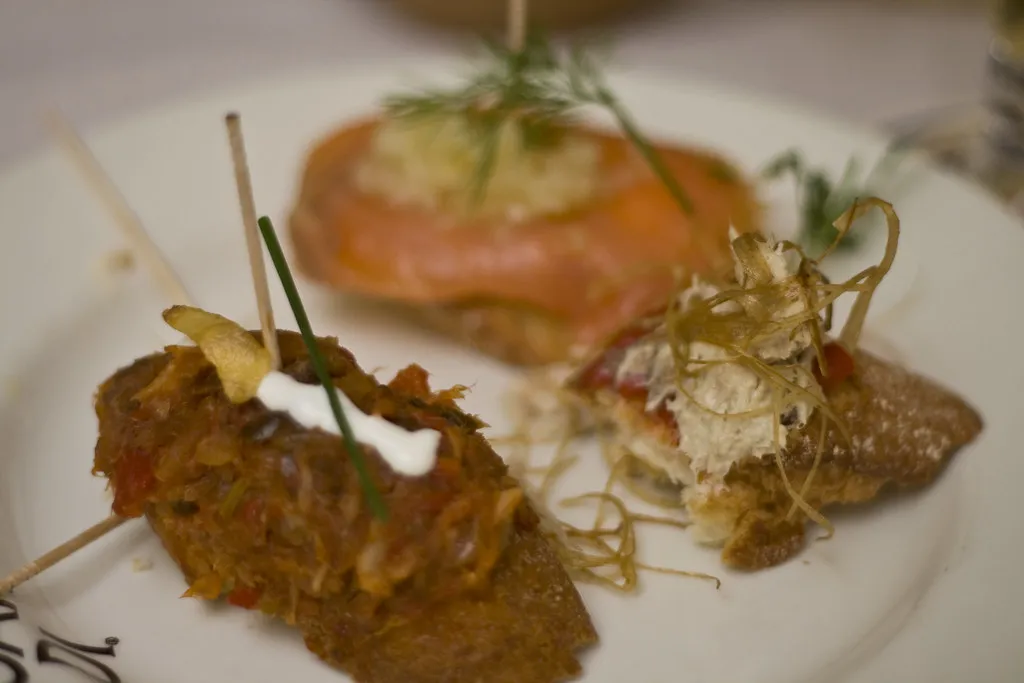
A note on booking: Barcelona restaurants fall into three rough tiers. Walk-in tapas bars and market counters require no reservation. Mid-range bistros benefit from a same-day or 48-hour booking, especially for Friday and Saturday evenings. Chef-driven and Michelin-starred rooms often require weeks or months of advance planning — some open reservations on the first of each month and fill within hours. Factor this into your itinerary before you arrive.
Contracorrent Bar and Bistro
Contracorrent runs two linked venues — a Bar in Arc de Triomf (Carrer de Ribes, 35) and a Bistro in Gràcia (Carrer Sant Domènec, 14-16). Both are run by an Italian duo: Niko in the kitchen and Anna managing wines. The fit-out is warm and low-key, with recycled furniture and shelves lined with natural wine bottles. The cooking blends Catalan ingredients with relaxed Mediterranean sensibility.
The Bistro format is the fuller experience — seasonal dishes that change week to week, a short menu with clear Italian-Catalan crossover flavours, and a wine list that reads like a small natural wine bar. Expect to pay €30–€50 per person including wine. Open Tuesday to Saturday, lunch and dinner. Bookings recommended for weekend evenings; the space is small and fills fast. Best suited to diners who want something creative and unhurried without the formality of a Michelin room.
Enoteca Paco Pérez
Situated inside the Hotel Arts on Carrer de la Marina (Vila Olímpica), Enoteca Paco Pérez holds two Michelin stars. Chef Paco Pérez centres his menu on the Mediterranean, with seafood driving most of the courses. The room is elegant and airy, with views over the beachfront that match the quality on the plate. Service is attentive without feeling stiff.
Tasting menus run €180–€250 per person. Open Tuesday to Saturday for dinner only. Book at least two to three weeks ahead; the restaurant draws a mix of serious food travellers and hotel guests. Dress smart-casual. This is one of the most consistent two-star experiences in the city — not the most avant-garde room, but reliably excellent and easier to book than Barcelona's three-star options.
Bar Cañete
Bar Cañete sits in El Raval on Carrer de la Unió, a short walk from Las Ramblas but firmly in local territory. This is a classic: a long marble counter, an open kitchen, and a menu anchored in fresh seafood, cured meats, and old-school tapas. The atmosphere is loud and energetic in a good way. Watching the kitchen from your stool while sharing a plate of anchovies and a cold glass of white is as good as Barcelona dining gets at this price point.
Budget €40–€70 per person with drinks. Open daily from 13:00 to 01:00, which makes it one of the more flexible options for both late lunch and late dinner. Arrive before 20:00 on weekdays or book ahead on weekends. First-timers: order the montaditos, the croquetas, and whatever fresh fish is chalked on the board that day.
Cinc Sentits
Cinc Sentits is a one-Michelin-star restaurant in Eixample (Carrer d'Aribau, 58) led by chef Jordi Artal. The name translates as "Five Senses" and the tasting menus are designed to work through all of them in sequence. Artal's sourcing is unusually rigorous — producers and small farms are named on the menu, and much of the menu changes with the season rather than staying fixed for months at a time.
Tasting menus start at around €150 per person. Open Tuesday to Saturday for dinner, with a Friday lunch sitting. Allow at least three hours. Reservations are essential — book one to two weeks in advance. The room is calm and relatively small, which makes it feel more intimate than many one-star venues in the city. A good choice for a first Michelin experience in Barcelona, particularly if you want cooking rooted in Catalan identity rather than international fusion.
Fonda Pepa
Fonda Pepa occupies a corner spot in Gràcia (Carrer de Tordera, 58) and is run by chefs Pedro and Francisco. The decor is casual and vintage-accented, with a small patio at the back that's excellent in warm weather. The menu sits at the intersection of Catalan home cooking and Mexican-inspired flavours — an unusual combination that somehow works. Their seafood dishes and daily rice specials are particularly strong.
A lunch menú del día runs €15–€20 and represents excellent value. Dinner is around €30–€40 per person. Open Monday to Friday for both meals. The relaxed atmosphere, genuine flavours, and reasonable prices make this the kind of neighbourhood restaurant that locals actually eat at regularly — a rarity in areas that attract as many visitors as Gràcia does.
La Cova Fumada
La Cova Fumada on Carrer del Baluard in Barceloneta has been open since 1944 and claims credit for inventing the bomba — a fried potato ball stuffed with meat and served with bravas sauce. The place looks exactly as you'd expect from something that's barely changed in eighty years: plastic tables, a blackboard menu, no website, no reservations. Cash only.
The menu is written on a board each morning based on what arrived fresh that day. Plates cost €3–€10. Open Monday to Saturday, 09:00–15:15. Closed afternoons and all day Sunday. Go for a late breakfast or early lunch — they often sell out by midday. This is less a restaurant and more a piece of living Barcelona history; the bomba and the fried fish platters are reason enough to visit.
Traditional Catalan Cuisine: Must-Try Dishes and Where to Find Them
Catalan cooking is built on the concept of mar i muntanya — sea and mountain — combining seafood and inland ingredients in the same dish. Understanding a few key preparations makes it much easier to order confidently and recognise quality when you find it.
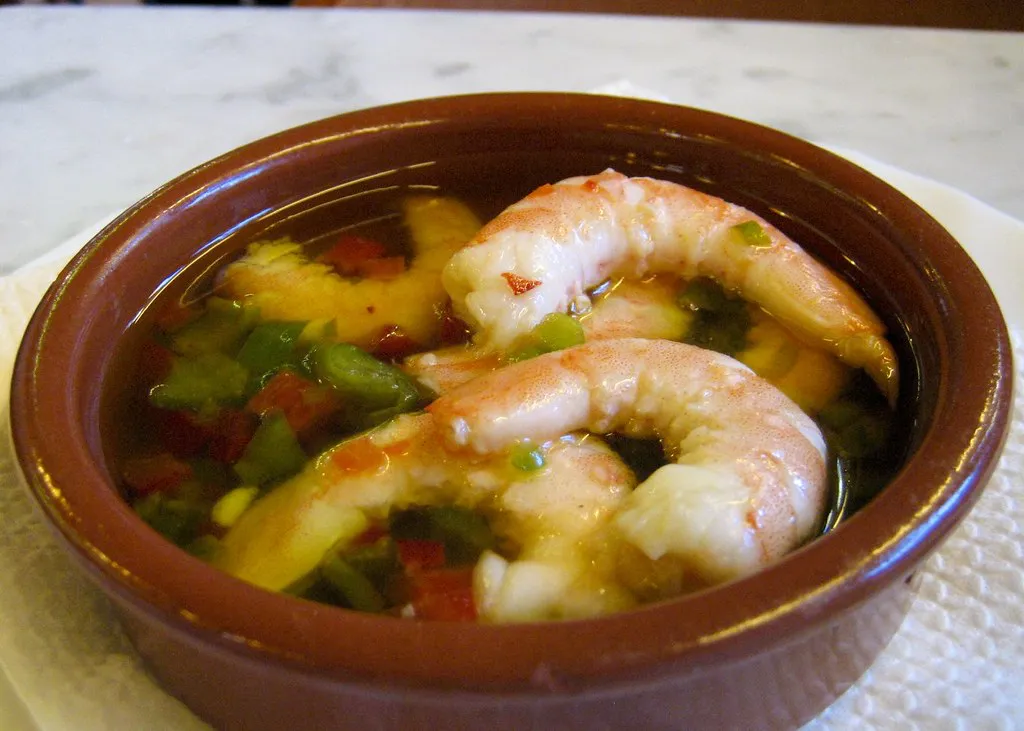
The dishes to seek out: pa amb tomàquet (bread rubbed with ripe tomato and olive oil — the Catalan equivalent of garlic bread, and essential at almost every table); escalivada (slow-roasted peppers and aubergine, often served with anchovies); fideuà (a noodle version of paella, typically more intensely flavoured); botifarra amb mongetes (grilled Catalan sausage with white beans); and crema catalana for dessert — the local ancestor of crème brûlée, made with cinnamon and lemon zest.
For these traditional flavours, neighbourhood fondas and family-run restaurants in Gràcia, Poble Sec, and Sants consistently outperform tourist-zone equivalents. Fonda Pepa (listed above) is the most reliable current option. Cal Boter in Gràcia is also worth noting for its grilled meats and generous portions at around €25–€40 per person. Avoid restaurants that list paella and sangria together in large photographs outside — that combination reliably signals tourist pricing and frozen ingredients.
Best Paella Restaurants in Barcelona
Authentic paella takes time — it should be cooked to order, never pre-made and reheated. The rice should absorb the stock fully and develop a light crust at the bottom of the pan, called the socarrat. Any restaurant displaying large pre-cooked pans in the window is a red flag. Good paella also requires a minimum of two portions — solo diners should order arroz a banda or fideuà instead, as most serious rice dishes are only available for two or more.
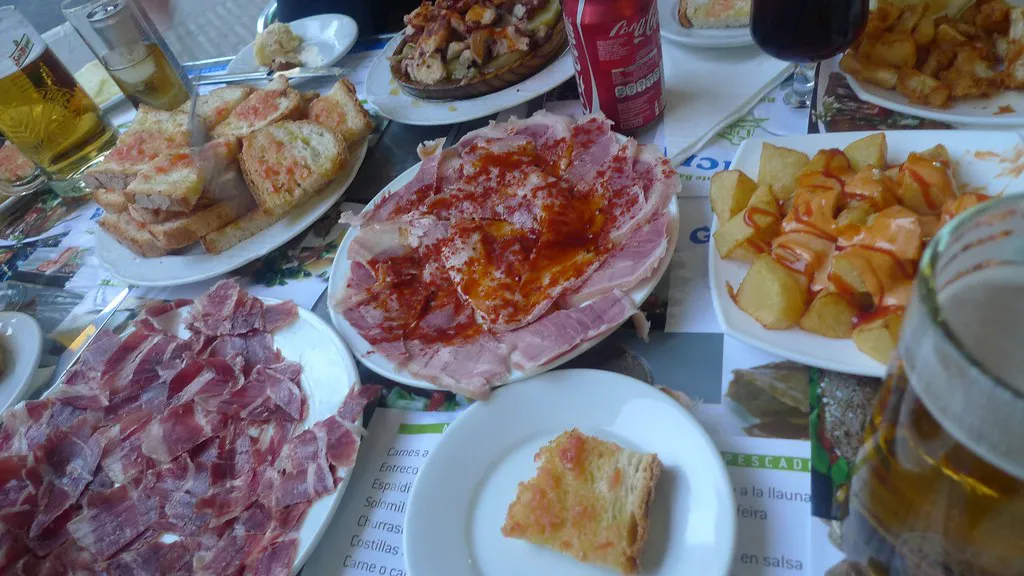
Can Majó on Carrer de l'Almirall Aixada in Barceloneta is the most dependable option for seafood paella with sea views. The paella de marisco is cooked to order, the ingredients are fresh, and the setting is relaxed. Expect to pay €40–€60 for two. Reservations are strongly recommended, especially on weekends. Closed Mondays.
Arrosseria Xàtiva, with locations in Gràcia and Les Corts, specialises in rice dishes from the Valencia region including arroz a banda and traditional paella. Locals treat it as a destination specifically for rice. Prices run €18–€25 per person. Open daily for lunch and dinner, closed Sunday evenings. For a more historic setting, 7 Portes near Port Vell has been serving paella since 1836 — a larger restaurant, but one that maintains consistent quality. Paella here averages €20–€30 per person; open daily 13:00–01:00.
| Restaurant | Neighbourhood | Price (per person) | Hours | Best For |
|---|---|---|---|---|
| Can Majó | Barceloneta | €40–€60 | Lunch & dinner (closed Mon) | Seafood paella with sea views |
| Arrosseria Xàtiva | Gràcia / Les Corts | €18–€25 | Daily lunch & dinner (closed Sun eve) | Authentic rice dishes, local favourite |
| 7 Portes | Port Vell | €20–€30 | Daily 13:00–01:00 | Historic setting, classic Catalan paella |
Michelin Stars vs Bib Gourmand: What the Difference Actually Means for Your Dinner
Barcelona currently holds more Michelin recognition per square kilometre than almost any city in Spain. But the star-versus-Bib Gourmand distinction is frequently misunderstood by visitors planning a special meal. Michelin stars (one to three) reward exceptional cooking, regardless of price. Bib Gourmand restaurants are specifically recognised for delivering high quality at a price Michelin considers "good value" — roughly below €40 for a complete meal in the current Spanish edition. This is a genuinely useful filter for anyone who wants the Michelin stamp of approval without a €200 tasting menu.
For starred dining, Disfrutar (three stars, Carrer de Villarroel, 163) sits at the summit — run by three former elBulli chefs, with tasting menus from €255. Cocina Hermanos Torres (also three stars, Carrer del Taquígraf Serra) occupies a former tyre factory and offers a theatrical kitchen-in-dining-room concept; menus start around €250. Both require bookings weeks in advance. One-star options like Cinc Sentits, Alkimia, and Mont Bar offer comparable ambition at lower price points (€90–€150 per person). Enoteca Paco Pérez at two stars sits between these tiers.
For Bib Gourmand options in 2026, the Michelin guide recognises several Barcelona restaurants where you can eat a full meal well under €40. These are typically neighbourhood spots with short menus and strong local sourcing — exactly the kind of place that disappears quickly from generic tourist lists. Mont Bar in Eixample (Carrer del Consell de Cent, 303) has held Michelin recognition for several years and is significantly easier to book than the starred rooms. Tapas here average €12–€25 per plate; tasting menu around €90. Book a week ahead for dinner sittings.
Barcelona Foodie Map: Eating by Neighbourhood
Barcelona's best restaurants are spread across the city in a way that aligns with how locals actually live. Understanding which neighbourhoods are worth prioritising for food makes route-planning easier, especially if you're combining dining with sightseeing.
Eixample has the highest concentration of chef-driven restaurants, including most of the Michelin-starred rooms. The grid layout makes it easy to combine several spots in one evening — an aperitivo at a bar on Carrer del Consell de Cent before dinner at a nearby restaurant, for example. Gràcia is the neighbourhood for neighbourhood restaurants: family-run places with short menus, local clientele, and prices that reflect what people who live there actually spend. Fonda Pepa, Contracorrent Bistro, and Cal Boter are all here. Sant Antoni has shifted in the past five years from a working-class market neighbourhood to the most dynamic dining area in the city. Maleducat, El Rectangle, and Contracorrent Bar are all within a few blocks of each other.
Barceloneta remains the destination for seafood and paella — the waterfront setting is part of the appeal, but quality varies enormously. Stick to Can Majó or La Cova Fumada and avoid restaurants with photographs of bright yellow rice on plastic signage. El Born suits casual tapas evenings: Bar del Pla on Carrer de la Montcada offers traditional and creative tapas at €6–€12 per plate, open daily 13:00–01:00. Poblenou is further out but increasingly relevant — Masa Vins (Carrer de Pallars, 154) runs a natural wine bar with seasonal small plates in a setting that feels genuinely local rather than designed for visitors.
A practical note: for broader trip planning, our guide on top things to do in Barcelona covers how to combine the best dining areas with sightseeing. If you're still deciding on a base, our where to stay guide maps the neighbourhoods above against hotel options by budget.
Budget-Friendly Eating in Barcelona: How to Eat Well for Less
Barcelona is not a cheap city, but it still rewards people who know where to look. The most consistently good-value format is the menú del día: a set lunch offered by many restaurants on weekdays, typically including a starter, main, dessert, bread, and a drink for €12–€20. Quality ranges enormously, but in established neighbourhood restaurants outside the tourist core, a menú del día at €15 is genuinely good food. Fonda Pepa and similar spots in Gràcia offer this format. La Cova Fumada does not run a set menu but individual plates at €3–€10 make it one of the cheapest places on this list.
Market counters are another strong option. El Quim de la Boqueria inside La Boqueria market serves eggs with baby squid, seasonal seafood platters, and daily specials at €15–€30 per dish; open Monday to Saturday 07:00–16:00. Go early to get a counter seat. Can Paixano (La Xampanyeria) in Barceloneta operates as a standing cava bar: sandwiches cost €3–€6, cava pours €1.50–€3 per glass. It's loud, crowded, and cash only — exactly the kind of place that doesn't survive this close to the beach unless it's genuinely good.
For those planning more broadly, knowing the best time to visit Barcelona matters for restaurant availability too. August sees many local neighbourhood restaurants close for holiday, which shifts the best dining options toward tourist-zone establishments — another reason to visit in spring or autumn when the full restaurant landscape is open.
What to Skip: Avoiding Overpriced Restaurants in Barcelona
La Rambla restaurants with photographs of food on the menu boards are the clearest warning sign. These places price for foot traffic, not for quality — a standard plate of paella here routinely costs double what it should and uses pre-made rice with artificial colouring. The same applies to most restaurants within 50 metres of La Boqueria entrance and around the Gothic Quarter's main pedestrian streets.
Beyond location, there are two specific patterns to avoid. The first is pre-cooked paella displayed in large pans outside — any restaurant doing this is not cooking it fresh. The second is places that advertise "sangria and tapas" in prominent signage: this combination exists almost exclusively to capture tourists unfamiliar with how locals drink and eat. In Barcelona, locals order vermouth or local wine, not sangria, and tapas are typically a precursor to a meal rather than the meal itself. Genuine tapas bars don't need to advertise themselves as such.
FAQs About Dining in Barcelona
Frequently Asked Questions
Which best restaurants in Barcelona options fit first-time visitors?
First-time visitors should consider a mix of iconic tapas bars like Bar Cañete and a traditional Catalan restaurant like Fonda Pepa. These spots offer a great introduction to local flavors and vibrant dining culture. Exploring the Boqueria Market for quick bites is also a must for a comprehensive first impression.
How much time should you plan for dining at top Barcelona restaurants?
For casual tapas or a quick lunch, plan 1-1.5 hours. A more relaxed dinner at a mid-range restaurant typically takes 2 hours. Fine dining experiences, especially tasting menus, can easily extend to 3-4 hours, so allocate your evening accordingly for these special occasions.
What should travelers avoid when choosing restaurants in Barcelona?
Avoid restaurants directly on La Rambla or in very touristy areas displaying large, generic food photos. These often serve overpriced, uninspired food. Also, be wary of places offering 'paella' that looks pre-made or has artificially colored rice. Seek out spots where locals are dining.
Is fine dining in Barcelona worth including on a short itinerary?
Yes, if you appreciate culinary artistry and have allocated the budget. Barcelona's Michelin-starred restaurants like Enoteca Paco Pérez or Disfrutar offer unique, world-class experiences. Even on a short 3-day itinerary, one fine dining meal can be a memorable highlight.
What are the best traditional Catalan restaurants in Barcelona?
For authentic Catalan cuisine, consider Fonda Pepa in Gràcia or Cal Boter. These establishments serve classic dishes like 'botifarra amb mongetes' and 'escalivada' in a local, unpretentious setting. They offer a genuine taste of regional culinary traditions at reasonable prices.
How to find authentic paella in Barcelona?
To find authentic paella, look for restaurants specializing in 'arroces' (rice dishes), particularly in Barceloneta. Avoid places with pre-made paella visible. Good options include Can Majó or Arrosseria Xàtiva, where paella is cooked to order with fresh seafood and a flavorful 'socarrat'.
Barcelona's restaurant scene consistently delivers across every budget and dining style. The Michelin-starred rooms reward the effort of advance booking. The neighbourhood restaurants in Gràcia and Sant Antoni offer some of the best value-for-quality eating in Spain. And the market counters and standing bars — La Cova Fumada, Can Paixano — provide an experience no formal restaurant can replicate. The key is knowing which format suits your evening before you arrive.
For help building your wider itinerary, see our guide to the city's best tapas bars and our overview of Barcelona's neighbourhoods to understand which areas suit your travel style. Eat well.
You might also like


Continue reading
More guides you'll find useful