

15 Best Tapas Bars in Barcelona: A Local's Guide (2026)
Discover the 15 best tapas bars in Barcelona with local insights, neighborhood guides, essential ordering tips, and what to try for an unforgettable culinary experience.
On this page
15 Best Tapas Bars in Barcelona: A Local's Guide & Tips
After three visits to Barcelona over five years, I've learned that finding truly authentic tapas is an art. It's easy to stumble into a tourist trap, but with a little guidance, you can uncover the city's incredible culinary heart. This guide, updated for 2026, shares my top picks organized by neighborhood, plus the practical tips you need to eat like a local.
Barcelona's tapas scene is distinct from the rest of Spain — more Catalan in character, more focused on fresh seafood and market produce, and structured around a different social rhythm. Understanding that difference is the first step to eating well here. Get ready to explore small plates, exquisite flavors, and lively atmospheres that define the best tapas in Barcelona.
Plan with trusted sources: cross-check opening hours and seasonal details with the official Barcelona tourism board, and read more about the city on its Wikipedia entry before you go.
What Makes a Tapas Bar Truly Great in Barcelona?
Not every bar with "tapas" on the sign is worth your time. The best places share a few clear signals: good turnover, a focused menu rather than 100 generic options, and visible locals eating at the bar — not just tourists with maps out on the table. A focused menu of 15–20 dishes prepared with seasonal ingredients consistently beats a laminated book of 80 items.
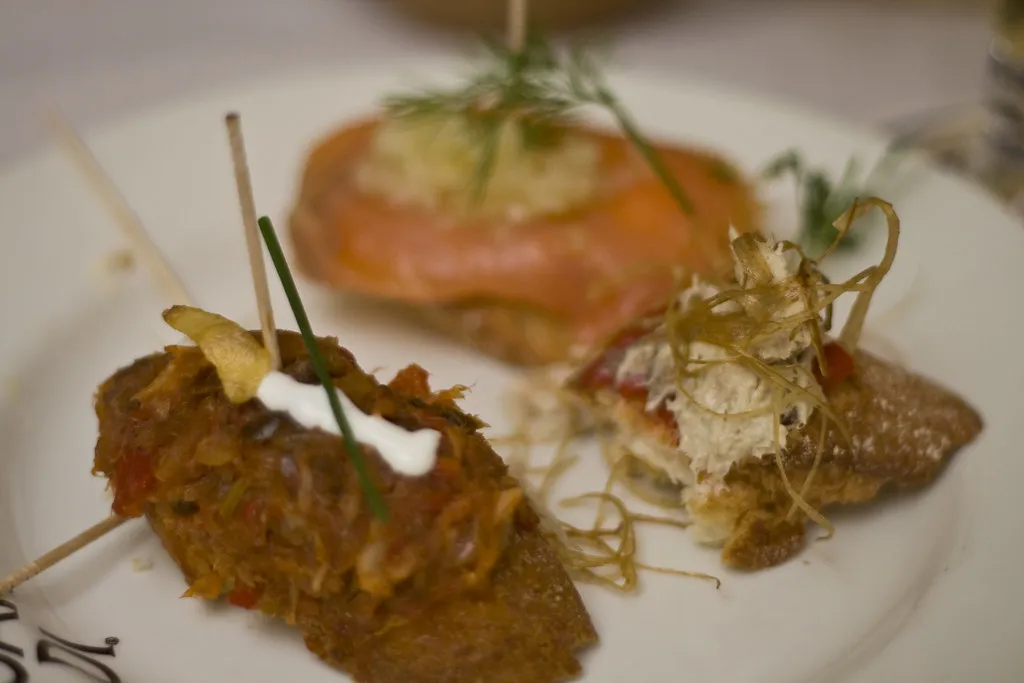
Authenticity in Barcelona has a specific flavor. Look for places that lean Catalan: menus written in Catalan first, dishes like pa amb tomàquet made with real ripe tomatoes rubbed onto toasted bread, and wine lists featuring Penedès whites and Priorat reds. These aren't tourist-facing choices — they're what the locals actually order.
Price is also a quality signal here, but not in the obvious direction. Some of the best tapas in Barcelona cost €3–5. The classic bodegas in Barceloneta and the standing bars in Poble Sec serve exceptional food at low prices because their model depends on volume and loyal regulars, not one-time visitors paying tourist premiums.
Barcelona vs. Mainland Spain: The Catalan Tapas Difference
This is the detail no competitor guide explains clearly, and it matters for how you plan your visit. In Madrid or Seville, tapas are often free with a drink and eaten standing at a zinc bar as a warm-up to dinner. In Barcelona, tapas are ordered and paid for individually — the culture is closer to a curated small-plates meal than a free snack. This isn't a downgrade; it means the quality of each dish is higher and the kitchen takes them seriously.
Barcelona also has its own distinct culinary building blocks. Pa amb tomàquet — bread rubbed with ripe tomato, drizzled with olive oil, and salted — appears on nearly every table before anything else is ordered. It's Catalan, not Spanish, and it tells you immediately whether a kitchen cares about ingredients. The tomatoes should stain the bread red; they shouldn't be watery.
The city's proximity to the sea shapes the tapas menu in ways you won't find inland. Barceloneta's old bodegas built their reputations on anchovies, fried sardines, and baby cuttlefish. The Gràcia neighborhood leans into market-fresh fish dishes from the Llibertat market. Even in Eixample, the best modern tapas bars anchor their menus in seasonal seafood. If you're only eating jamón and patatas bravas, you're missing Barcelona's real signature.
One more Catalan-specific tradition worth knowing: the mid-morning or pre-lunch vermut (vermouth) session. From about 11:00 to 14:00 on weekends, locals fill neighborhood bodegas to drink house vermouth with a few small tapas — anchovies, olives, a slice of fuet sausage. This ritual is separate from lunch and dinner and gives you a third window to experience the city's best tapas bars without the evening crowds.
Top Tapas Bars in the Gothic Quarter & El Born
The Gothic Quarter and El Born together form the historic core of Barcelona's tapas culture. The crowds are real, but so are the gems. The key is to move away from La Rambla and the main cathedral square — the side streets within a five-minute walk hold the city's oldest and most reliable bars.
- Bar del Pla (Carrer de Montcada, 2, El Born) — A lively corner bar with creative takes on Catalan classics. The suckling pig tacos and pig trotter with mojo rojo sauce are unforgettable. Open daily from 12:00; expect queues after 20:00. Tapas €4–€15.
- Cal Pep (Plaça de les Olles, 8, El Born) — There's no written menu. Sit at the bar, state your preferences, and trust the kitchen. The seafood is impeccably fresh. Open Mon–Sat 13:00–15:45 and 19:30–23:30; closed Sundays. Tapas €10–€30.
- El Xampanyet (Carrer de Montcada, 22, El Born) — A classic cava bar steps from the Picasso Museum, in operation for decades. Order house cava by the glass (€2–€4), anchovies, and jamón. Standing room only after 20:00. Open Tue–Sat 11:00–15:30 and 19:00–23:00; closed Mon and Sun.
- Bar La Plata (Carrer de la Mercè, 28, Gothic Quarter) — This tiny bar has served exactly four tapas since 1945: fried sardines, botifarra sausage, tomato salad, and white beans. Cash only. Tapas €2–€5. Open Mon–Sat 09:00–15:00 and 18:00–21:00.
- La Cova Fumada (Carrer del Baluard, 56, Barceloneta) — The bar credited with inventing the bomba, a fried potato ball filled with meat and topped with brava and alioli. No sign on the door, no menu — just a blackboard. Cash only, no reservations. Open Mon–Fri 09:00–15:00, plus Friday evenings 18:00–20:00. Tapas €3–€10.
Bar Bodega l'Electricitat (Carrer de Sant Carles, 15, Barceloneta) deserves a specific mention. This 1940s-era bodega serves wine poured directly from barrels into simple glasses. The tapas are minimal — sardines, olives, cured meats — but the atmosphere is irreplaceable. It's a living relic of old Barceloneta, always full of locals at any hour. Prices are very low; expect to spend under €12 for wine and snacks for two people.
Best Tapas Spots in Sant Antoni & Poble Sec
Sant Antoni has become one of Barcelona's most interesting food neighborhoods since the renovation of its market in 2018. The streets around Carrer del Parlament and Carrer de Sepúlveda are now dense with good bars. Poble Sec, a few blocks south, is quieter but holds two of the city's most iconic standing bars.
- Bar Canyí (Carrer de Sepúlveda, 107, Sant Antoni) — This bar is connected to a Michelin-star kitchen but operates as a genuinely casual neighborhood spot. Vinyl records play, there's a small terrace, and the dishes rotate with the seasons. Arrive before 13:30 at lunch or 20:30 at dinner to avoid the wait. Tapas €6–€14.
- Quimet & Quimet (Carrer del Poeta Cabanyes, 25, Poble Sec) — Standing room only, always packed, and worth every minute of the wait. The montaditos (small open sandwiches) are the draw — particularly the tinned salmon combinations. Open Mon–Fri 12:00–16:00 and 19:00–22:30; closed weekends. Montaditos €2.50–€5.
- Bar Cañete (Carrer de la Unió, 17, Raval) — High-quality market cuisine with a strong seafood focus. The bar seats are the best in the house — watch the kitchen work while eating chipirones (fried baby squid) and Iberian pork dishes. Reservations essential. Open daily 13:00–01:00 (kitchen closes at midnight). Dishes €8–€25.
Tickets Bar (Avinguda del Paral·lel, 164, Poble Sec) sits at the opposite end of the price spectrum. This Albert Adrià restaurant applies Michelin-grade creativity to the tapas format — olives made from olive oil spherification, air bread with Iberian ham, theatrical presentations at every course. Expect to spend €100–€150 per person. Reservations open months in advance online and sell out within minutes. It's a splurge, but it reframes what tapas can be.
Hidden Gems: Tapas Bars in Gràcia & Eixample
Gràcia is Barcelona's most neighborhood-feeling district — a place where locals outnumber tourists and the bars reflect it. The streets around Plaça del Sol and the Mercat de l'Abaceria are particularly good for evening tapas. Eixample, the grid neighborhood that surrounds the Sagrada Família, has both polished modern spots and old-school bodegas worth seeking out.
- Hermós, Bar de Peix (Plaça de la Llibertat, Gràcia) — Inside the covered Llibertat market, this small bar has a handful of counter seats and an exceptional selection of fish dishes and wines. Arrive early; it fills up fast and reservations are needed. One of the best-value fish tapas experiences in the city.
- Bodega La Puntual (Carrer de Montcada, 22, El Born / also Gràcia area) — Rustic, atmospheric, and reliably good. The patatas bravas here are cooked properly — crunchy outside, soft inside — and the vermouth list is excellent. Open daily 13:00–01:00. Tapas €4–€12.
- Betlem Miscellánia Gastronomica (Carrer de Girona, 70, Eixample Dreta) — This is a low-key Eixample spot that flies under the radar. No loud branding, no queue of tourists — just a good room, solid wines, and refined small plates. The terrace on the pedestrianized street is a bonus. Reservations recommended in the evenings. Dishes €10–€20.
- Per Feina Per Plaer (Via Augusta, 9, Sarrià-Sant Gervasi) — The menu is divided by pace: quick plates (per feina, meaning for work) and slower, more elaborate dishes (per plaer, for pleasure). Both halves are good. It suits a range of occasions — solo lunch, date night, or a relaxed group dinner. Dishes €6–€16.
- La Pepita (Carrer del Progrés, 16, Gràcia) — Vibrant and artistic, with creative pepitas (small sandwiches) and standout croquetas. Popular with a younger local crowd. Write your name on the walls — it's part of the ritual. Open daily 09:00–01:00. Tapas €5–€15.
Must-Try Tapas Dishes in Barcelona
When exploring the best tapas in Barcelona, certain dishes are non-negotiable. These staples define the city's culinary identity and offer a direct window into Catalan flavors. Beyond the famous patatas bravas, a world of distinctive small plates awaits.
Start with pa amb tomàquet — grilled bread rubbed with ripe tomato, drizzled with olive oil, and salted. It's a foundational Catalan dish that arrives before almost every meal. Order it wherever you go; the differences in execution tell you a lot about a kitchen's standards. Follow it with jamón ibérico, thinly sliced cured ham, ideally of the bellota grade, which carries a deep nuttiness from acorn-fed pigs.
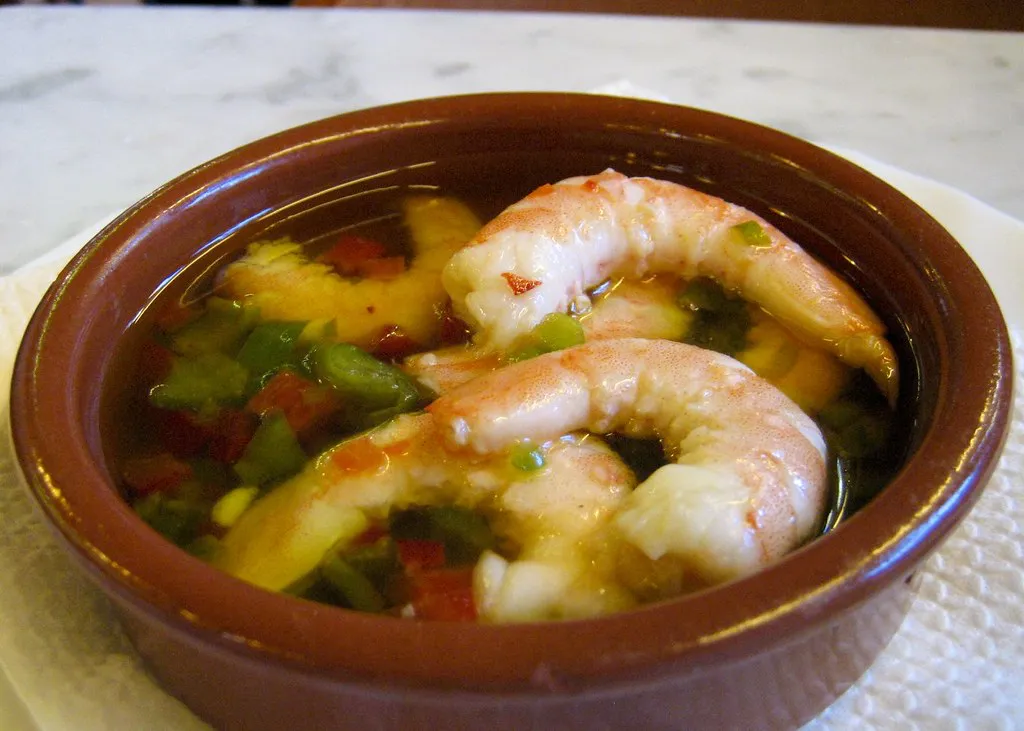
Seafood lovers should prioritize gambas al ajillo (garlic shrimp cooked in bubbling olive oil), chipirones (small fried squid), and anchovies — particularly the Catalan anxoves packed in salt, which have a cleaner, more briny flavor than tinned alternatives. For something uniquely Catalan, order escalivada: slow-roasted eggplant and red peppers, charred and dressed with olive oil. It appears as a tapa, a side, or a topping on bread.
Cured meats are also worth exploring beyond jamón. Fuet is a thin, dry-cured pork sausage from Catalonia — mild, slightly garlicky, and best eaten with bread and a glass of house red. Chorizo a la sidra (chorizo cooked in cider) appears in some Gràcia bars with Asturian connections and is worth trying when you spot it. Finish any tapas session with croquetas — creamy béchamel fritters filled with jamón, bacallà (salt cod), or wild mushrooms, fried to a crisp shell.
Tapas for Every Budget: From Cheap Eats to Gourmet Experiences
Barcelona tapas span a wide price range, and matching your expectations to your budget matters. The cheapest and often most authentic experiences cost almost nothing — a glass of house wine and two tapas at a Barceloneta bodega or a handful of montaditos at Quimet & Quimet will run under €10 per person.
| Budget Tier | Price per Person | Best Bars | Style |
|---|---|---|---|
| Budget | Under €15 | La Cova Fumada, Bar La Plata, Bar Bodega l'Electricitat, Can Paixano | Standing room, cash only, no frills |
| Mid-range | €20–€40 | Bar del Pla, El Xampanyet, Bar Canyí, Bodega La Puntual, Per Feina Per Plaer | Table or bar service, wine list, seasonal dishes |
| Upper-mid | €35–€50 | Tapas 24, Bar Cañete | Chef-pedigree, market cuisine, reservations advised |
| Splurge | €60–€150 | Tickets Bar, Cal Pep | Michelin-grade creativity or renowned fresh seafood |
For budget eating (under €15 per person including drinks), focus on: La Cova Fumada (Barceloneta), Bar La Plata (Gothic Quarter), Bar Bodega l'Electricitat (Barceloneta), and Can Paixano / La Xampanyeria (Barceloneta — very cheap house cava and simple tapas, always packed). These are cash-only, standing-room spots with no frills and genuine quality.
Mid-range tapas (€20–€40 per person) covers the majority of the bars in this guide — Bar del Pla, Bar Canyí, Bodega La Puntual, El Xampanyet, Betlem, and Per Feina Per Plaer. This range gives you table service, a proper wine list, and more ambitious dishes without the premium pricing of chef-led restaurants.
For a splurge (€60–€150 per person), the options are Tickets Bar (Poble Sec, book months ahead), Bar Cañete (Raval, a high-end market restaurant), and Cal Pep (El Born, renowned for fresh seafood at the bar). These are occasions as much as meals. Tapas 24 (multiple locations including Carrer de la Diputació, 269, Eixample) sits at the upper-mid range around €35–€50 per person and offers a famous-chef pedigree without the full splurge price — the bikini (truffle and ham sandwich) is the signature order.
Navigating the Tapas Scene: Ordering & Etiquette
The most important distinction to understand before you order is the difference between tapas and raciones. Tapas are small, individual portions — good for trying multiple things. Raciones are larger sharing plates. Many bars offer both; ask if you're unsure which size you're getting. Some menus also list medias raciones (half portions), which are ideal for two people sampling a wider range.
Locals eat late. Lunch runs 14:00–16:00, and dinner rarely starts before 21:00. Arriving at 19:30 means you'll have your choice of tables; arriving at 21:30 means the room will be full and the energy will be at its peak. If a bar takes no reservations, go 30 minutes before it opens and wait outside — regulars do this and it works.
When ordering, don't be intimidated by Catalan menus. A few phrases go a long way: una caña for a small draft beer, un vermut for a glass of house vermouth, pa amb tomàquet to start, and la recomanació d'avui (today's recommendation) if you want the kitchen to guide you. Pointing is completely acceptable; nobody minds. Standing at the bar is standard practice in most places and often gets you faster service than table seating.
Tipping is not obligatory in Barcelona tapas bars. Rounding up the bill or leaving a euro or two per person is appreciated at sit-down service spots, but dropping coins at a standing bar is unusual. Don't stress about it.
Barcelona Tapas Tours: Are They Worth It?
A guided tapas tour is genuinely useful on your first visit, for a specific reason: it compresses orientation time. A good guide covers two or three neighborhoods in one evening, explains the difference between Catalan and Spanish tapas culture, gets you into bars you'd walk past on your own, and teaches you how to order. That context makes every subsequent meal better.
The trade-off is flexibility. Tours follow a fixed route and pace, which means you can't linger at a place you love or skip one that doesn't appeal. They also cost more than going independently — typically €60–€90 per person for a 3-hour evening tour with four or five stops. If you're visiting for more than three days, the investment pays off quickly because you'll make better choices for the rest of the trip.
If you'd rather self-guide, the most effective approach is to spend your first evening doing a one-neighborhood crawl — pick El Born or Sant Antoni, not both — and move slowly. Order two or three things at each stop, drink at the pace of the locals around you, and move on. Four bars in one neighborhood over three hours is a better introduction than eight bars across the whole city.
What to Skip: Common Tapas Tourist Traps
The clearest red flag is a glossy, laminated menu with photos of every dish and translations in six languages, displayed outside to catch foot traffic. These establishments are designed for one-time visitors who won't be back. The food is often pre-prepared or frozen, and prices are inflated relative to quality.
Avoid any restaurant directly on La Rambla or facing the major tourist squares in the Gothic Quarter. Carrer de la Boqueria and the streets immediately surrounding the Picasso Museum are higher-risk areas. The food isn't necessarily terrible, but the price-to-quality ratio is consistently worse than bars two streets away. Moving one block off any main tourist route drops prices and raises authenticity immediately.
Also be cautious about bars advertising "paella and tapas" combos. Paella is a Valencian dish; Barcelona's version varies in quality widely and the combo deal usually signals a tourist-focused kitchen. Seek out fideuà (a noodle-based dish similar to paella) or rice dishes at a dedicated restaurant rather than treating them as an afterthought at a tapas bar. The what to eat in Barcelona covers the best rice restaurants separately.
Beyond Tapas: Other Barcelona Culinary Delights
Barcelona's food culture extends well beyond tapas bars. The city's covered markets are a food experience in themselves. La Boqueria on La Rambla is famous but genuinely worth a visit — not for the tourist-facing stands near the entrance, but for the interior counters where local chefs shop. Mercat de Santa Caterina in El Born is less crowded and equally good, with a spectacular Gaudí-influenced ceramic roof. Mercat de l'Abaceria in Gràcia is the most local-feeling of the three.
For sweet treats, churros con chocolate remain a Barcelona ritual. The best are made fresh and dipped in thick, slightly bitter European-style hot chocolate — not the watered-down version. Go early on a weekend morning to avoid queues. La Campana in El Born, operating since 1890, is also worth a stop for torró (nougat) and artisan chocolates.
If you want to explore more of the city's dining scene beyond tapas, the top things to do in Barcelona guide covers food markets, cooking classes, and wine tours in the wider context of planning your visit. The a guide to Barcelona's neighborhoods breaks down which areas to prioritize for food depending on your interests and where you're staying.
FAQ: Your Barcelona Tapas Questions Answered
Frequently Asked Questions
Are tapas expensive in Barcelona?
Tapas prices vary widely in Barcelona. Basic tapas can be as low as €2-€5 per plate at local bodegas, while gourmet or seafood tapas at upscale restaurants might cost €10-€25 or more. A good meal of several tapas and drinks can range from €20-€40 per person.
Do you need to book a table at tapas bars?
For very popular or upscale tapas restaurants, especially those offering full table service, booking a table in advance is highly recommended. Many traditional, casual tapas bars operate on a first-come, first-served basis, with standing room at the bar being common. Arriving early can help secure a spot.
What is the difference between tapas and raciones?
Tapas are small, appetizer-sized portions of food, typically intended for one person to sample. Raciones are larger portions of the same dishes, designed for sharing among two or more people. Many bars offer both options, allowing diners to customize their experience.
Are tapas bars in Barcelona authentic?
Yes, many tapas bars in Barcelona offer authentic experiences, especially those frequented by locals. To find genuine spots, venture away from major tourist hubs, look for menus in Catalan/Spanish, and observe if the clientele is primarily local. Avoiding places with aggressive touts or overly glossy photo menus helps.
What time do locals eat tapas?
Locals in Barcelona typically eat tapas later in the evening than many international visitors. Dinner service often starts around 8:30 PM or 9 PM, with many people enjoying tapas and drinks well into the night. It's common to have a small 'aperitivo' of tapas earlier, around 7 PM.
Exploring the best tapas in Barcelona is an adventure for your taste buds. From historic bodegas in Barceloneta to modern gastrobars in Sant Antoni, the city offers a culinary journey that rewards those who move beyond the main tourist routes. Armed with these neighborhood-specific picks and ordering tips, you're ready to eat well every time you go out.
Remember to embrace the local pace — eat late, drink vermouth in the morning, and let a good bar hold you longer than planned. Whether you start with a guided tour or dive straight into El Born on your own, Barcelona's tapas scene will leave a lasting impression.
You might also like


Continue reading
More guides you'll find useful


