Barcelona
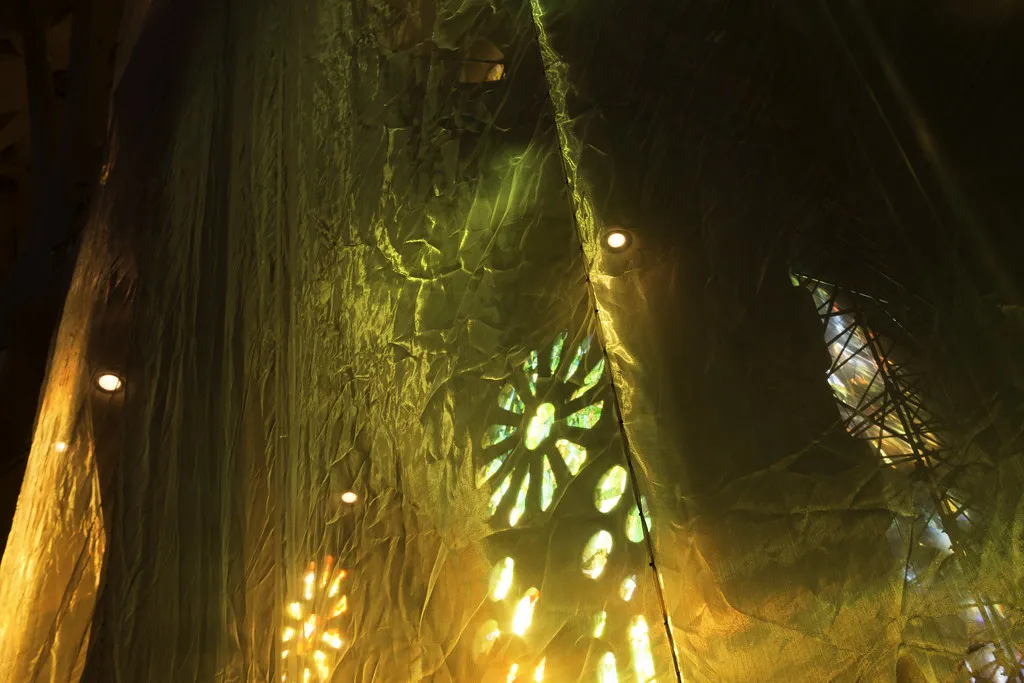
Sagrada Família, Park Güell, the Gothic Quarter and Gaudí's Casa Batlló — 7 attraction guides.
Browse Barcelona attractions →
Spain's top tourist attractions for 2026, organised by city: Barcelona, Madrid, Seville and Málaga. Find must-see sights, planning tips and city guides in one place.
Spain packs more headline sights into one country than almost anywhere in Europe — Barcelona's Sagrada Família, the Royal Alcázar of Seville, Madrid's Prado, and Málaga's Moorish Alcazaba among them. From Gaudí's Modernisme to Andalusian palaces and world-class art museums, the must-see icons are spread across distinct cities, each with its own rhythm. To keep things practical, this page organises Spain's top attractions city by city rather than as one endless list. Pick a destination below to browse its individual attraction guides, or jump into a full city overview: things to do in Barcelona, Madrid, Seville and Málaga.
Sagrada Família, Park Güell, the Gothic Quarter and Gaudí's Casa Batlló — 7 attraction guides.
Browse Barcelona attractions →
The Prado, Royal Palace, Retiro Park and Plaza Mayor in the lively capital — 6 attraction guides.
Browse Madrid attractions →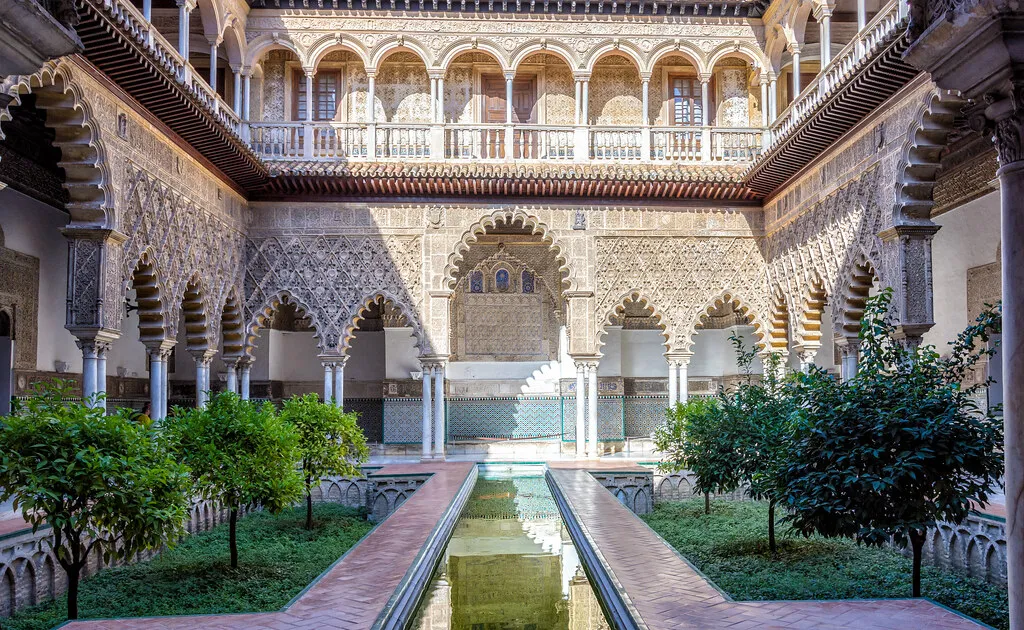
The Royal Alcázar, the cathedral and Giralda, and the grand Plaza de España — 5 attraction guides.
Browse Seville attractions →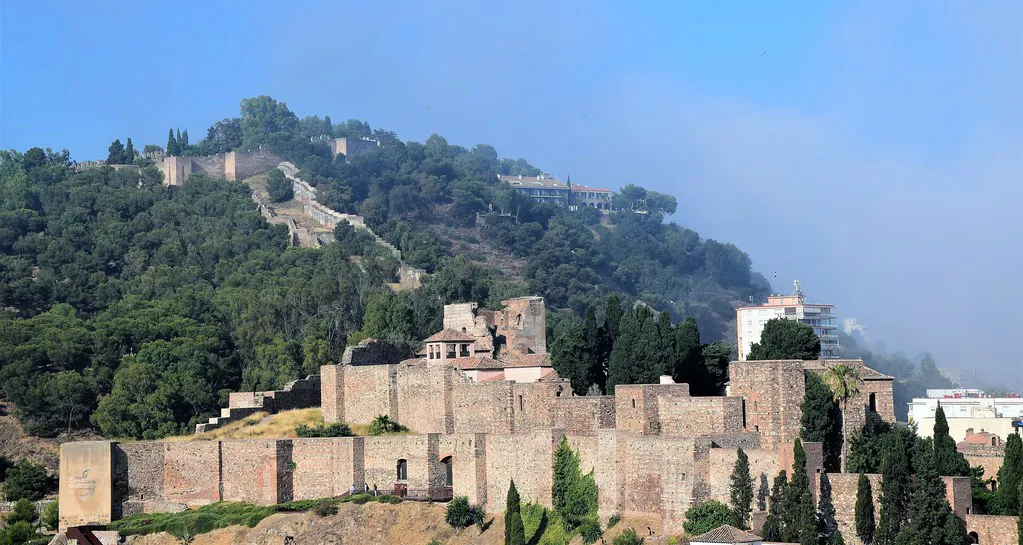
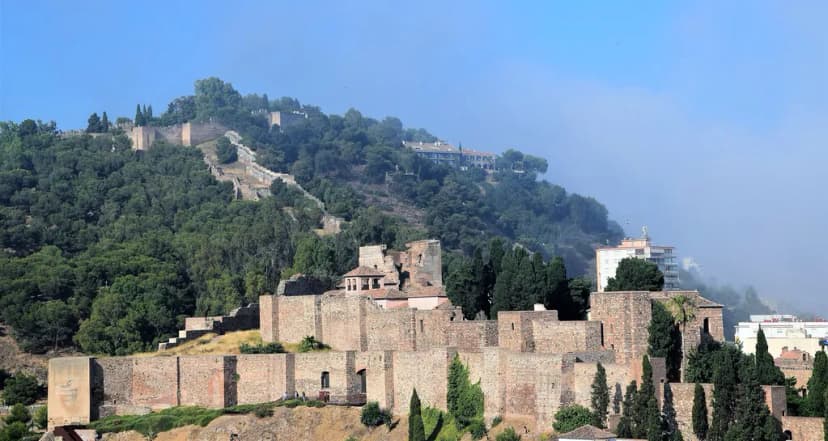
The Alcazaba, Picasso Museum and Roman theatre on the Costa del Sol — 3 attraction guides.
Browse Málaga attractions →Spain's signature sights cluster in four cities, and knowing what sits where makes trip-planning far easier. Barcelona is the home of Catalan Modernisme: Antoni Gaudí's Sagrada Família basilica, the mosaic terraces of Park Güell, and Casa Batlló, plus the medieval lanes of the Gothic Quarter — start with the Barcelona attractions hub. Madrid anchors Spain's art scene with the Prado, one of the world's great painting collections, alongside the Royal Palace, Retiro Park and Plaza Mayor; the Madrid attractions hub covers each. In Andalusia, Seville holds the UNESCO-listed Royal Alcázar, the cathedral and its Giralda tower, and the sweeping Plaza de España — all detailed on the Seville attractions hub. On the Costa del Sol, Málaga pairs the hilltop Alcazaba and Roman theatre with the Picasso Museum in the artist's birthplace, gathered on the Málaga attractions hub.
Spain's cities are well connected by high-speed AVE rail, so a multi-city itinerary is realistic even on a short trip. A common pairing is Madrid and Seville, linked by frequent fast trains, while Barcelona works well as a standalone base or bookended at the start or end. Málaga makes a natural Andalusian add-on alongside Seville. As a rough guide, allow two full days for a city's headline attractions and more if you want museums plus day trips. For the bigger picture and neighbourhood breakdowns, read the full city guides — Barcelona, Madrid, Seville and Málaga — then drill into individual sights on each attractions hub.
For Spain's most popular sights, book timed-entry tickets online in advance wherever they're offered. The Sagrada Família, the Royal Alcázar in Seville and the Alhambra in nearby Granada all use timed slots that frequently sell out days or weeks ahead, especially in peak season — turning up at the door is often the slowest way in. Many state-run museums, including the Prado, offer free-admission windows on certain evenings or days; these get busy, so arrive early. Where a city pass or skip-the-line option exists, weigh it against how many paid sights you'll actually visit. Each attraction guide on the city hubs lists current opening hours and entry details so you can confirm before you go.
Spring (April–June) and autumn (September–October) are the sweet spot across Spain — warm but comfortable, with lighter crowds than midsummer. July and August bring intense heat, particularly in inland Madrid and Andalusian Seville and Málaga, where afternoons can be punishing for sightseeing; plan outdoor sights for the morning and save museums for the hottest hours. Coastal Málaga stays mild and visit-worthy nearly year-round. Winter is quieter and cheaper, ideal for indoor icons like the Prado and Picasso Museum, though some attractions run shorter hours. Whatever the season, check each sight's seasonal schedule on its individual guide before locking in your plans.
Barcelona's Sagrada Família, Antoni Gaudí's unfinished basilica, is consistently among Spain's most-visited paid attractions, drawing millions of visitors a year. Other top draws include the Alhambra in Granada and the Prado Museum in Madrid. See the Barcelona attractions hub for visiting details.
Several major state museums have free-entry periods. Madrid's Prado offers free admission during set evening hours and on certain days, and Barcelona's municipal museums often have free Sunday-afternoon slots. These windows are popular, so arrive early and check the official site for current times before you go.
Yes — cities like Barcelona and Madrid offer tourist or city cards that bundle public transport with discounted or skip-the-line museum entry. Whether one saves money depends on how many paid sights you visit, so tally your planned attractions first and compare against buying individual tickets.
A week comfortably covers two to three cities. A popular route pairs Madrid and Seville via high-speed AVE rail, often adding Barcelona or Málaga. Allow about two full days per city for its headline attractions, plus travel time between them.
For the busiest sights — the Sagrada Família, Seville's Royal Alcázar and the Alhambra in Granada — yes. These use timed-entry tickets that frequently sell out days or weeks ahead in peak season, so booking online in advance is the most reliable way to guarantee entry.
In Seville, the headline sights are the UNESCO-listed Royal Alcázar, the cathedral with its Giralda tower, and the Plaza de España. In Málaga, the hilltop Alcazaba, the Roman theatre and the Picasso Museum lead the list. Browse the Seville and Málaga attractions hubs for full guides.