

Costa Brava Day Trip from Barcelona: Ultimate Itinerary & Guide
Plan your perfect Costa Brava day trip from Barcelona with our detailed itineraries, transport tips, and local insights for an unforgettable adventure.
On this page
Costa Brava Day Trip from Barcelona: Your Ultimate 1-Day Itinerary & Guide
The Costa Brava — meaning 'Wild Coast' in Catalan — stretches along the Mediterranean from the town of Blanes to the French border, about 60 km northeast of Barcelona. Rocky headlands, hidden coves of turquoise water, medieval walled towns, and one of Spain's great art museums make it a day trip that genuinely competes with anything the city offers. This guide gives you three distinct itinerary routes so you can choose the one that fits your time, transport, and interests.
Whether you want a beach-and-ferry day to Lloret de Mar and Tossa de Mar, a deep dive into medieval history via Girona and Pals, or a full Salvador Dalí art circuit through Figueres and Cadaqués, the logistics are different for each. Read through all three options before you book — the transport connections and advance ticket requirements vary significantly.
Plan with trusted sources: cross-check opening hours and seasonal details with the official Barcelona tourism board, and read more about the city on its Wikipedia entry before you go.
Why Choose Costa Brava for a Day Trip from Barcelona?
The Costa Brava offers something most beach escapes from Barcelona do not: a combination of dramatic coastal scenery, well-preserved medieval architecture, and genuine cultural depth within a 1–2 hour journey. Competitors like Sitges or Tarragona are fine day trips, but the Costa Brava's scale — over 200 km of coastline, three Dalí museums, and a Michelin-starred restaurant scene — rewards a full day far more. Consider adding it to your Barcelona itinerary as a priority.
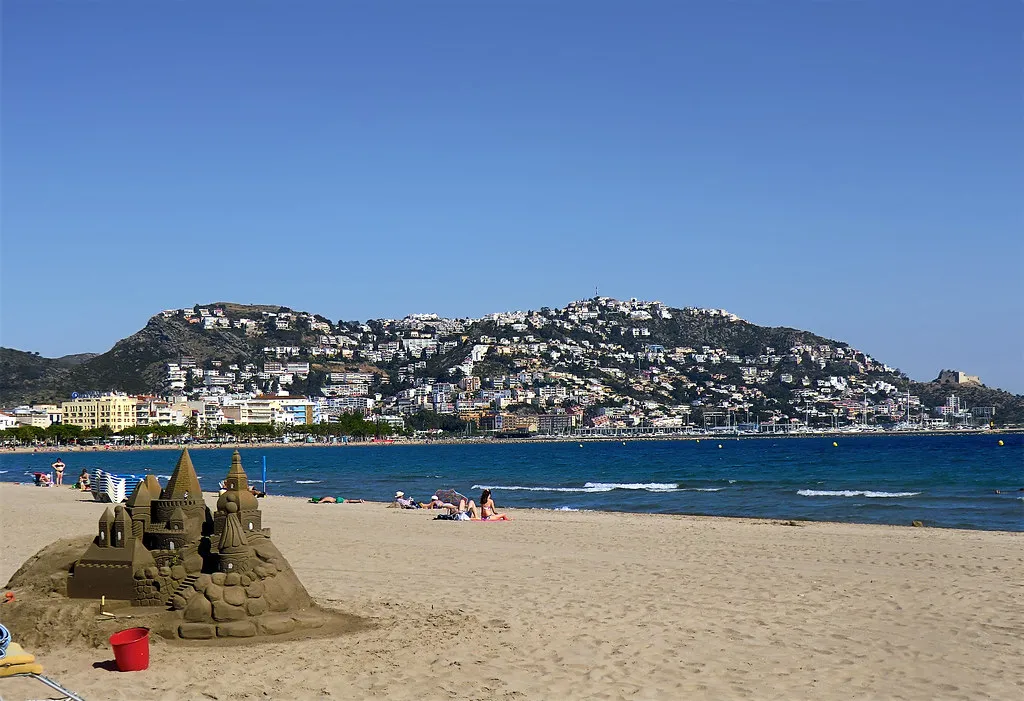
The region attracts visitors from across Europe, and menus in larger towns are typically printed in Catalan, Spanish, French, and English. Lloret de Mar leans heavily toward package tourism and nightlife. Tossa de Mar, Cadaqués, and Calella de Palafrugell are quieter and more atmospheric. Understanding which zone you want to visit shapes every transport and logistics decision that follows.
In 2026, the Costa Brava's coves and coastal hiking paths along the Camí de Ronda remain among the least crowded ways to enjoy the Mediterranean coast — provided you avoid mid-July and August, when parking at the calas fills by 08:00 and accommodation prices double. See the section on timing below for the optimal window.
Where is the Costa Brava?
The Costa Brava occupies the northeast corner of Catalonia, running from Blanes (roughly 60 km from Barcelona) north to the French border near Portbou. The entire stretch belongs to the province of Girona. Administratively, Girona city — about 100 km from Barcelona by train — is the inland gateway, and many day-trip itineraries combine a few hours in Girona with time on the coast.
The coast splits into two broad zones. The southern Costa Brava (Blanes, Lloret de Mar, Tossa de Mar, Sant Feliu de Guíxols) is most accessible from Barcelona and is where the classic one-day ferry route runs. The northern Costa Brava (Begur, Palafrugell, L'Escala, Roses, Cadaqués, Figueres) requires either a car or a train + bus combination, but it rewards the extra effort with quieter towns and more dramatic scenery.
Barcelona's El Prat airport is the most common arrival point, about 2–2.5 hours by car from the northern coast. Girona-Costa Brava airport (GRO), served by Ryanair routes, puts you 30–45 minutes from much of the region and is worth checking if your flights allow it.
Getting to Costa Brava from Barcelona: Transport Options
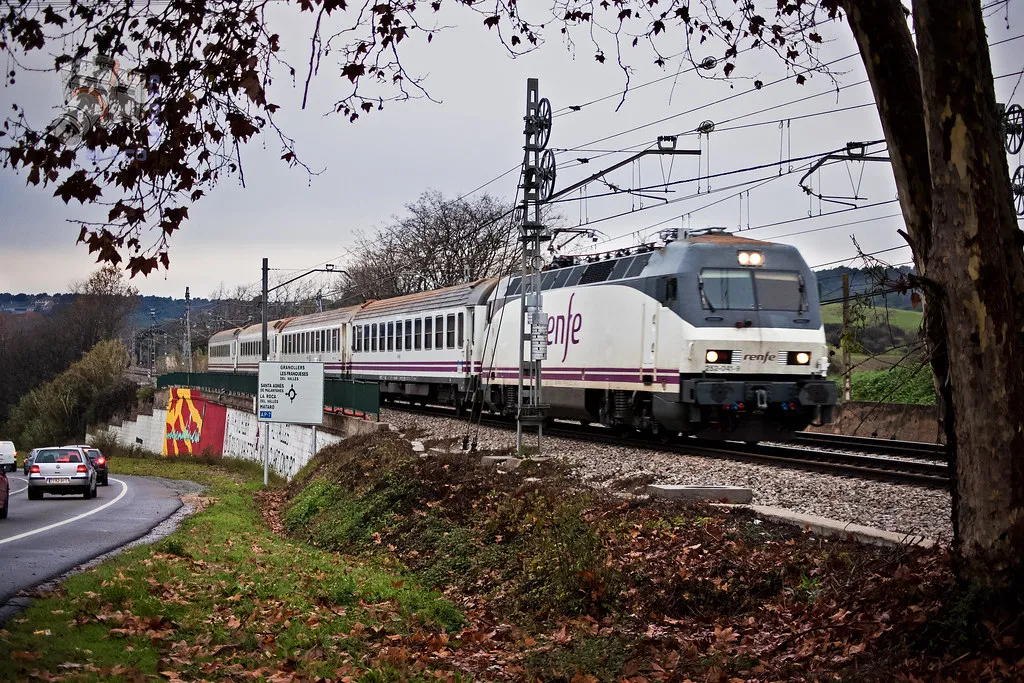
There is no direct train from Barcelona that runs along the Costa Brava coastline. This is the single fact that surprises most first-time visitors. The AP-7 motorway and the N-II road connect Barcelona to the region by car; buses cover the key towns; and Renfe's regional train reaches Girona (and Figueres) but not the coast itself.
Renting a car offers the most flexibility. You can reach Lloret de Mar in about 1 hour 15 minutes via the AP-7 (toll ~€8 each way), park at Platja de Lloret, and stop at hidden calas that buses simply do not serve. Car rental from Barcelona typically costs €30–€70 per day in 2026, plus fuel and tolls. Driving is the only realistic way to reach smaller coastal villages like Calella de Palafrugell or the secluded coves between Tossa de Mar and Sant Feliu.
Sarfa buses (operated by Moventis) depart from Estació del Nord in Barcelona and serve Lloret de Mar, Tossa de Mar, Palamós, Palafrugell, and other coastal towns. A one-way ticket to Lloret de Mar costs around €11–€14 and takes 1 hour 15 minutes to 1 hour 45 minutes. Buy tickets online at moventis.es or at the station — services can fill up on summer weekends. Renfe's Media Distancia trains run from Barcelona Sants to Girona in 38–45 minutes (€10–€15 one way) and to Figueres in about 1 hour 15 minutes.
Organized tours remove all logistics and are the best option if you want to cover both coast and Girona in a single day without worrying about connections. Full-day tours from Barcelona typically run €70–€120 per person and include transport, a guide, and often the Dofi Jet ferry leg. Check other day trip options from Barcelona to compare the Costa Brava against Montserrat and Tarragona.
| Transport Option | Journey Time | Approx Cost (one way) | Best For |
|---|---|---|---|
| Rental car (AP-7) | ~1h 15min to Lloret | €30–€70/day + €8 toll | Hidden calas, small villages, full flexibility |
| Sarfa bus (Estació del Nord) | 1h 15min–1h 45min | €11–€14 | Lloret, Tossa, Palamós, Palafrugell |
| Renfe train (Sants) | 38–45min to Girona; ~1h 15min to Figueres | €10–€15 | Girona, Figueres, Dalí itinerary |
| Organized tour | Full day (departs central BCN) | €70–€120/person | Coast + Girona combo; no logistics stress |
Itinerary 1: Coastal Charm — Lloret de Mar & Tossa de Mar
This is the classic one-day route and the most popular for visitors staying in Barcelona. Best suited for first-timers who want beaches, a scenic ferry crossing, and a medieval walled town without inland travel. Total time: 10–11 hours including travel. Works by bus or car; no car required.
Leave Barcelona by 08:30 to catch the Sarfa bus from Estació del Nord (journey ~1 hour 20 minutes). Arrive Lloret de Mar by 10:00. Lloret is a heavily developed resort town, so focus your 1.5 hours on the things that justify the stop: the cliff path south of Playa de Lloret toward Fenals Beach (20-minute walk with good views), the Parish Church of Sant Romà in the old quarter (gothic exterior, colorful 20th-century domes, free to enter), and the hilltop Castell d'en Plaja — a 1930s private mansion that looks convincingly medieval. Santa Clotilde Gardens above the coast charges ~€5 and opens at 10:00; skip it if you're tight on time.
At 11:30, board the Dofi Jet ferry from Playa de Lloret. These glass-bottomed boats run from roughly late April through October and make the 1-hour crossing to Tossa de Mar with stops at sea caves and coves along the way. Return tickets cost approximately €15. The boat dips into a glass-bottom viewing chamber mid-crossing so passengers can see Mediterranean fish — less colorful than tropical reefs but impressive in number. Book in advance in July and August; the boat sells out regularly.
Arrive in Tossa de Mar around 12:30. The town's main draw is La Vila Vella, a 12th–14th century walled citadel perched 60 meters above sea level on the southern headland. Spend 45 minutes on a guided tour of the walls, the ruins of Sant Vicenç Church, and the 1917 lighthouse — all with sweeping Mediterranean views. Afterward, walk the narrow internal streets where restaurants and boutiques fill the old fishermen's houses. One unexpected detail: a statue of Ava Gardner stands near the beach, placed there after the actress filmed The Flying Dutchman here in 1950 and spent years publicly praising the town. Lunch at one of the waterfront restaurants on Platja Gran costs €15–€25 for a two-course menu del día. Depart Tossa by bus toward Girona or back to Barcelona by 16:00–16:30.
Itinerary 2: Medieval Villages — Girona, Pals & Besalú
Best suited for history-focused travelers or those who have already done the coastal route. This itinerary works well by car or organized tour; doing it independently by public transport requires careful scheduling. Total time: 10–11 hours. No beach stop, but the stone villages and river landscapes are among the most visually striking in Catalonia.
Take the Renfe regional train from Barcelona Sants to Girona, departing by 08:30–09:00 (38–45 minutes, ~€10). Girona rewards 3–4 hours. Start with the Jewish Quarter (El Call), a dense warren of medieval alleys that housed one of the largest Jewish communities in medieval Iberia before the 1492 expulsion — the Museum of Jewish History at Carrer de la Força 8 charges €4 and takes 45 minutes. Then climb the 90 steps to the Gothic Cathedral of Girona (admission ~€7, open 10:00–18:00), which contains the famous 11th-century Tapestry of Creation. Walk the 12th-century city walls for views over the Onyar River and the colorful housefronts that appeared in Game of Thrones. Allow 20 minutes for a coffee break on Plaça de l'Independència before your afternoon moves.
By car, add a 45-minute detour to Pals, a hilltop medieval village 50 km east of Girona near the coast. Pals is a genuine working village — not a tourist replica — with an intact Gothic quarter, a Romanesque tower, and views over the Gulf of Roses. Most visitors spend 1 hour here. From Pals it is a 10-minute drive to the long sandy beach of Platja de Pals for a swim, or head north to Besalú (45 minutes from Girona by car), a remarkably well-preserved 11th-century town with a fortified Romanesque bridge. Besalú is the better inland add-on if you want medieval architecture without the coastal crowd.
Without a car, keep the afternoon in Girona. The walls circuit, the covered market at Mercat del Lleó on Plaça Calvet i Rubalcaba, and dinner in the old town before the 20:00 Renfe train back to Barcelona (arrives Sants ~20:45) fills the day well. A meal in Girona's old town typically costs €18–€35 per person.
Itinerary 3: Art & Culture — Figueres & Cadaqués
This route is built around Salvador Dalí, who was born in Figueres in 1904 and spent decades in Cadaqués. It is the most logistically demanding of the three options and the one where advance booking is not optional — it is the difference between getting in and being turned away at the door.
The Dalí Theatre-Museum in Figueres is the most visited museum in Spain after the Prado. In July and August 2026, timed-entry tickets sell out days in advance, often by 09:00 on the morning they go on sale. Buy them through the official Dalí Foundation website (salvador-dali.org) as soon as your travel dates are confirmed. Morning slots (10:00–11:00) are the most available. The museum is everything the hype promises: Dalí designed the building himself, and the interior functions as a total artistic environment rather than a conventional gallery. Allow 2 hours minimum. Figueres is 1 hour 10 minutes from Barcelona by Renfe train; depart Sants by 08:30 to reach the museum for its 10:00 opening.
Cadaqués is 1 hour 15 minutes from Figueres by Sarfa bus (several daily departures, check moventis.es for the current schedule). The town is widely regarded as the most beautiful on the Costa Brava, a whitewashed fishing village backed by the rocky Cap de Creus cape. The key visit here is the Salvador Dalí House-Museum in Portlligat, a short walk from the town center. This is where Dalí lived for most of his adult life, and the guided tour reveals a completely personal space — stuffed bears, egg sculptures, a swimming pool shaped like a Cadillac. Critically: the house limits each visit to 8 people, and slots must be booked separately through salvador-dali.org well in advance. Walk-ins are not possible in peak season. Allow 45–60 minutes for the tour.
After the museum, Cadaqués itself rewards wandering. The town beach, Port d'Alguer, is small and pebbly; Platja Sa Conca to the south is cleaner and less crowded. Lunch at a waterfront restaurant runs €20–€30. Buses back to Figueres run in the afternoon, connecting to the last viable train to Barcelona arriving by 21:00. This itinerary works without a car, but a car removes the bus timing pressure and lets you stop at the Cap de Creus lighthouse at the cape's eastern tip — the easternmost point of mainland Spain and a genuinely dramatic viewpoint.
Must-See Attractions & Activities in Costa Brava
The Camí de Ronda is a coastal hiking path that runs the entire length of the Costa Brava. Originally used by coastguards to patrol the shoreline, it links the towns and coves of the region on foot. The stretch between Calella de Palafrugell and Llafranc (about 7 km) passes some of the wildest coastal scenery in Catalonia. The section between Tossa de Mar and Sant Feliu de Guíxols (about 22 km) is the most dramatic but requires a car or taxi for logistics. This hike is missing from most day-trip articles but it is the single best way to access hidden calas that buses never reach.
The Illes Medes, a protected marine reserve off the town of L'Estartit, is the best scuba diving destination in the western Mediterranean. The reserve's giant sea walls, tunnels, and dense fish populations make it worth a targeted trip. Kayaking and snorkeling tours depart from L'Estartit daily in season; a 2-hour guided snorkel tour costs around €35–€45 per person.
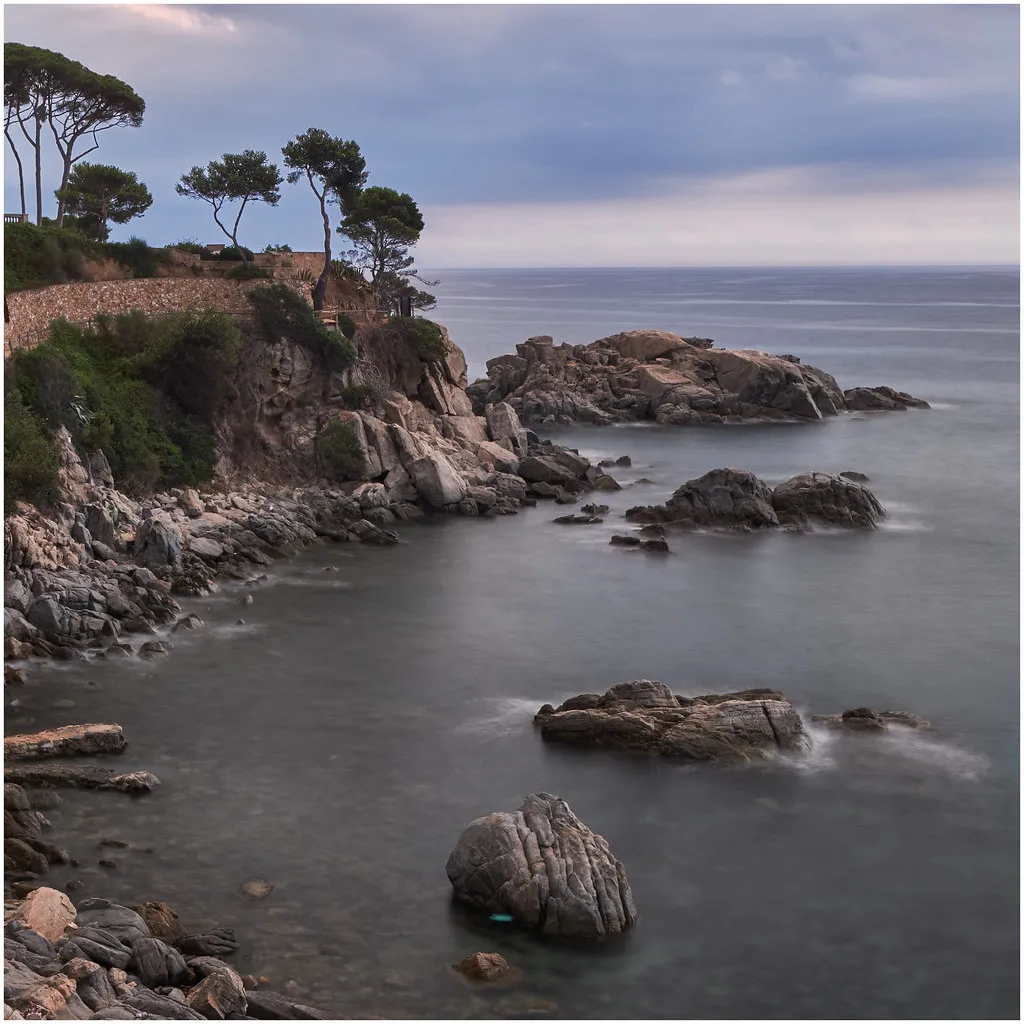
For beaches, the southern Costa Brava is dominated by longer sandy stretches like Platja de Lloret and Platja Gran in Tossa de Mar, while the northern half offers the classic rocky coves (calas) flanked by pine forests. Platja es Codolar in Tossa de Mar — tucked just outside the Vila Vella walls — is one of the most photographed spots on the coast. Platja de Pals near Begur provides a wide sandy alternative more typical of the northern zone.
The Empordà wine region, inland from the coast, has produced wine since Roman times. Around 30 wineries offer tastings. If you have a car and the afternoon free, a visit to a winery near Peralada or Garriguella pairs well with the medieval villages itinerary.
Exploring Costa Brava Without a Car: A Detailed Guide
Going car-free is entirely viable for Itinerary 1 (coastal route) and Itinerary 3 (Figueres and Cadaqués). It is more constrained for Itinerary 2, where the medieval village detours to Pals and Besalú require a car. The core tool is Sarfa/Moventis buses combined with Renfe regional trains. The official timetable and ticket booking site is moventis.es; Renfe tickets book at renfe.com.
For the coastal route: take the Sarfa bus from Estació del Nord to Lloret de Mar, board the Dofi Jet ferry to Tossa de Mar, and return by Sarfa bus from Tossa de Mar back to Barcelona (via Girona bus exchange if needed). The full round trip costs under €35 per person excluding the ferry. Frequency drops significantly outside peak season (June–September), so check the winter and shoulder-season timetables before assuming there is an afternoon return service.
For Figueres and Cadaqués: Renfe from Sants to Figueres, then Sarfa bus from Figueres bus station (a 5-minute walk from the train station) to Cadaqués. The Figueres–Cadaqués bus runs several times daily in summer; in winter the service reduces to 2 departures per day. Always check the last return bus time before you leave Figueres — missing it means a taxi (~€60) or an unplanned overnight stay.
Organized tours remain the most efficient car-free option for combining multiple towns or the coast with Girona. Full-day guided tours departing from central Barcelona collect from hotel zones and handle all connections. They cost more (€70–€120 per person) but eliminate the risk of missed connections.
Best Time to Visit Costa Brava
Late May and early June are the sweet spot for a day trip from Barcelona in 2026. Water temperature is 18–20°C — warm enough for swimming — crowds are manageable, and the coastal gardens are in full bloom. The Jardins de Santa Clotilde above Lloret de Mar are particularly striking in May. Accommodation prices across the region are 30–50% lower than peak summer rates.
July and August bring Mediterranean heat (30–35°C), packed beaches, and parking chaos at the popular calas. Getting parking at any beach cove before 08:00 in August is a genuine challenge. If you are visiting in high summer, either go on a guided tour with a bus or accept that you will spend time queuing. Book all Dalí museum tickets at least a week ahead in this window.
September is the second-best window: water remains warm from summer heat (22–24°C), crowds thin noticeably after the first week, and prices drop. The Camí de Ronda hiking is excellent in September and October — cooler days and clear air. November to March sees many coastal restaurants and hotels close, particularly in smaller villages, but Girona and Figueres function normally year-round.
Planning Your Costa Brava Day Trip: Essential Tips & Cheatsheet
Choose your itinerary before booking anything. The three routes above have different transport logistics, different advance booking requirements, and different paces. Mixing the coastal ferry route with an art museum visit and a medieval town in a single day is too ambitious — each itinerary above is already a full day.
Book the Dalí Theatre-Museum and Portlligat House tickets the moment your dates are confirmed. In peak season, these sell out within hours of going on sale. Check salvador-dali.org — there is no reliable third-party re-seller. For the Dofi Jet ferry, book 24–48 hours ahead in July and August.
Leave Barcelona by 08:00–08:30 on any itinerary. Most attractions open at 10:00 and you need travel time built in. An early start also means you beat the midday heat on the coastal walk and reach the ferry terminal before it fills. Pack sunscreen, a hat, and comfortable walking shoes that can handle cobbled streets and cliff paths. A small daypack with a refillable water bottle covers the rest.
Respect local siesta hours (approximately 14:00–17:00) in smaller villages — some shops and ticket offices close. Larger towns like Lloret de Mar and Girona operate more continuously. Card payments are accepted almost everywhere in 2026, but carry some cash for small beach bars and ferry terminals where card readers sometimes fail.
FAQs About Costa Brava Day Trips
Common questions answered for independent travelers planning their first visit.
As you plan, our guides to Montserrat Day Trip From Barcelona Travel Guide and Girona Day Trip From Barcelona Travel Guide cover the rest of the essentials.
Frequently Asked Questions
Which Costa Brava day trip from Barcelona options fit first-time visitors?
First-time visitors should focus on a combined trip to Lloret de Mar, Tossa de Mar, and Girona. This itinerary offers a perfect blend of coastal beauty, medieval history, and charming city exploration. It provides a comprehensive introduction to the diverse landscapes of Costa Brava.
How much time should you plan for a Costa Brava day trip from Barcelona?
A full day, approximately 12-14 hours, is ideal for a Costa Brava day trip. This includes travel time and allows for sufficient exploration of 2-3 key towns. Starting early helps maximize your sightseeing opportunities and avoid rushing through the attractions.
What should travelers avoid when planning a Costa Brava day trip from Barcelona?
Avoid trying to visit too many towns in one day, as this leads to rushing. Also, do not rely solely on last-minute transport bookings, especially during peak season. Always verify opening hours for attractions and ferry schedules to prevent disappointment.
Is a Costa Brava day trip from Barcelona worth including on a short itinerary?
Yes, a Costa Brava day trip is definitely worth it, even on a short Barcelona itinerary. It offers a unique escape from the city and showcases Catalonia's stunning natural beauty. It provides a refreshing change of scenery and a memorable cultural experience.
Can you visit Costa Brava without a car?
Absolutely, you can visit Costa Brava without a car. Public buses, primarily Sarfa (Moventis), connect Barcelona to many coastal towns. The Dofi Jet ferry also links several coastal resorts, offering a scenic way to travel between them. Organized tours are another car-free option.
The Costa Brava rewards planning more than almost any other day trip from Barcelona. Pick one itinerary, book the tickets that require advance purchase, and leave early. Whether you take the ferry between Lloret and Tossa, climb the walls of Girona's Jewish Quarter, or stand inside the surreal architecture of the Dalí Theatre-Museum, the day will feel longer and richer than the distance from Barcelona suggests.
You might also like


Continue reading
More guides you'll find useful


