Barcelona 3 Day Itinerary: A Local's Guide for First-Timers
Plan your perfect Barcelona 3 day itinerary with insider tips, day-by-day routes, local food spots, and essential travel advice for a memorable trip.
On this page
Barcelona 3 Day Itinerary: The Ultimate Local's Guide
Three days in Barcelona is enough time to fall completely in love with the city. You'll stand inside a cathedral that has been under construction for over 140 years, wander medieval streets that predate the Roman empire, and eat better than almost anywhere else in Europe. This guide is built around how the city actually works — not just a list of landmarks, but a real plan that takes logistics, crowds, and meal timing into account.
I've organized each day by neighborhood to cut down on unnecessary travel. Sagrada Família is on Day 1 because it deserves your freshest energy. Park Güell is on Day 2 because the morning light is extraordinary up there. Day 3 moves between Montjuïc, El Raval, and the waterfront at a deliberate pace. By the time you leave, you'll have covered the best of the city without feeling like you sprinted through it.
Plan with trusted sources: cross-check opening hours and seasonal details with the official Barcelona tourism board, and read more about the city on its Wikipedia entry before you go.
Barcelona 3 Day Itinerary Overview
This itinerary groups sights by proximity so you're walking between attractions, not commuting. The architecture, the food, and the street life are all layered into each day rather than separated into themed buckets. You'll cover Eixample and the Gothic Quarter on Day 1, Gràcia and El Born on Day 2, and Montjuïc with the waterfront on Day 3.
- Day 1 — Gaudí Icons and the Old City: Sagrada Família first thing, then Casa Batlló on Passeig de Gràcia, the Gothic Quarter in the afternoon, and dinner in El Born.
- Day 2 — Park Güell, Gràcia, and Barceloneta: Timed entry at Park Güell early, walk down through the Gràcia neighborhood, visit Recinte Modernista de Sant Pau, and end the evening at Barceloneta beach.
- Day 3 — Montjuïc, La Rambla, and El Raval: Montjuïc castle and gardens in the morning, La Boqueria and La Rambla, then El Raval and the Barceloneta waterfront for a seafood dinner.
| Day | Focus | Key Highlights | Advance Booking | Neighbourhoods |
|---|---|---|---|---|
| Day 1 | Gaudí Icons & Gothic Quarter | Sagrada Família, Casa Batlló, Barcelona Cathedral, El Born | Sagrada Família (4–6 weeks), Casa Batlló (5–7 days) | Eixample, Barri Gòtic, El Born |
| Day 2 | Park Güell, Gràcia & Beach | Park Güell, Gràcia squares, Recinte Modernista de Sant Pau, Barceloneta | Park Güell (1–2 weeks) | Gràcia, Sant Pau, Barceloneta |
| Day 3 | Montjuïc, La Rambla & El Raval | Fundació Joan Miró, MNAC, Montjuïc Castle, La Boqueria, MACBA | None required | Montjuïc, El Raval, Poble Sec |
Book Sagrada Família and Park Güell tickets before anything else. Both sell out weeks or months in advance in peak season (June–September). Everything else can be arranged 3–7 days out. Keep your afternoons slightly flexible — Barcelona is a city that rewards spontaneous detours.
Is 3 Days Enough Time in Barcelona?
For a first visit, three days is actually the ideal length. It gives you enough time to cover the iconic landmarks without feeling rushed, to eat properly (dinner starts at 9 PM here and that takes some adjusting), and to wander neighborhoods without constantly watching the clock. You won't see everything, but you'll leave with a real sense of the city rather than a blur of queues and selfie spots.
The things you will miss: the outer neighborhoods like Poblenou and Gràcia's less-visited corners, the smaller museums like the MNAC or the Fundació Joan Miró in full, and any serious day trip. If you can stay four or five days, you'll cover more ground and your pace will be much more relaxed. But three days done well beats five days done badly — and this plan is built to make three days count.
Who is This 3-Day Barcelona Itinerary For?
This itinerary is designed for first-time visitors who want to see the major landmarks without surrendering their entire trip to tourist queues. It works well for couples, solo travelers, and small groups of friends. Families with young children can follow it with minor adjustments — Park Güell and Parc de la Ciutadella are both excellent with kids.
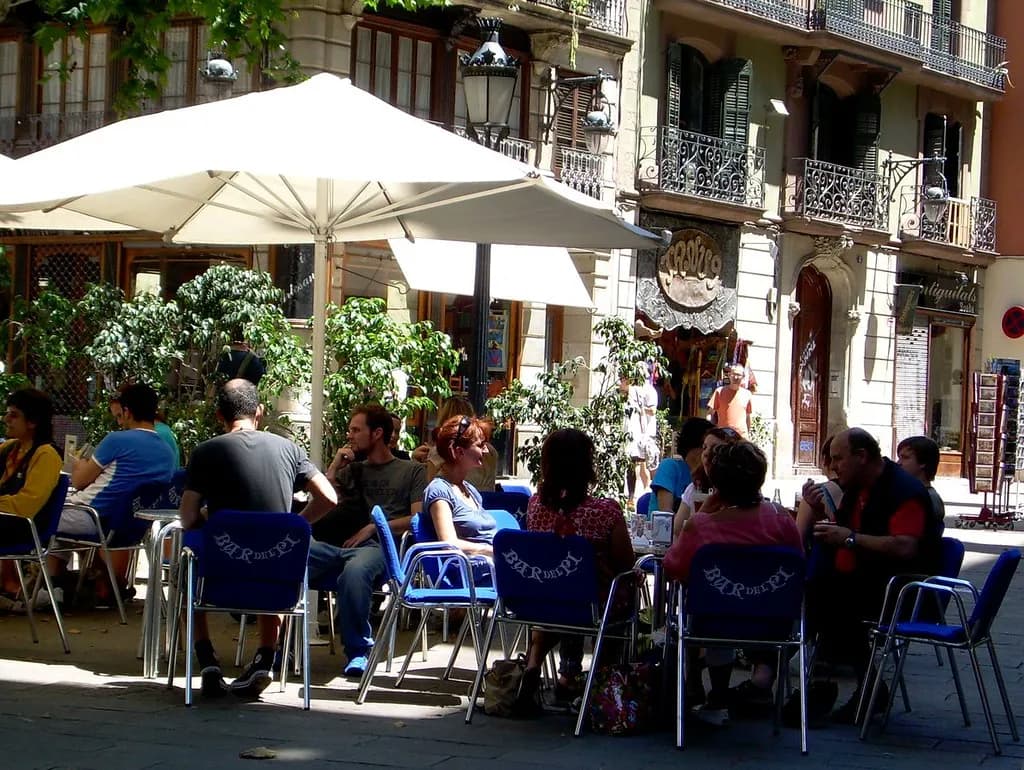
A few things Barcelona expects from its visitors that other cities don't. Dinner before 8:30 PM means eating alongside other tourists in half-empty restaurants — locals sit down at 9:00 PM or later, and the best kitchens don't really get going until then. Tipping is not obligatory; rounding up the bill or leaving €1–2 on a tapas dinner is normal and genuinely appreciated, but nobody expects a 20% service charge. When you walk into any shop, bar, or restaurant, say "Hola, buenos días" — walking in without acknowledging anyone is considered rude here in a way it isn't in most cities. And plan your shopping for weekdays or Saturday; most independent shops close on Sundays.
Getting Around Barcelona: Transport Tips
The metro is the fastest and cheapest way to move around the city. There are 11 lines covering all major attractions, trains run every 3–4 minutes during peak hours, and the network operates from 05:00 to midnight Monday–Thursday, until 02:00 on Fridays, and 24 hours on Saturdays. For transport, buy a T-Casual card (10 trips, around €12.15), which covers metro, bus, and tram. If you're staying 3–4 days and plan to use transit frequently, the Hola Barcelona 72-hour card (around €18.20) covers unlimited journeys including the airport metro and is worth it if you make more than 8 trips. Single tickets cost €2.55 each and are a poor value for anyone staying more than a day.
For getting from Barcelona El Prat Airport to the city center, the Metro L9 Sud connects the airport directly to the city. The journey to Zona Universitària takes about 35 minutes and costs around €5.15 (a surcharge applies on top of the standard fare — the airport metro is separate from the T-Casual network). A taxi from the airport to the center costs a fixed €39–€43 depending on your destination zone and is the right choice if you have significant luggage or arrive late at night. Rideshare apps (Cabify, Bolt, Uber) also operate here and are competitive on price during off-peak hours.
Walking is genuinely the best way to see most of what this itinerary covers. The Gothic Quarter, El Born, and Barceloneta are all interconnected and walkable. Passeig de Gràcia to the Gothic Quarter is about 15 minutes on foot. Getting up to Park Güell or Montjuïc warrants a taxi or metro, but most of each day can be done on foot without strain.
Day 1: Gaudí's Masterpieces & The Gothic Quarter
Start at Sagrada Família. Book the earliest available slot — the 09:00 AM entry is consistently the best. By 11:00 AM the interior is significantly more crowded and the light through the stained glass, while still spectacular, is harder to appreciate when you're shoulder-to-shoulder with other visitors. Allow 1.5–2 hours inside. Add tower access when booking; the views over the Eixample grid are worth the extra cost, and the tower entry has a separate timed slot you'll need to coordinate. Tickets run €26–€38 for standard entry, €40–€60 with tower access. Book 4–6 weeks ahead in summer, 2 weeks minimum at other times. Approach from the Nativity Façade on the east side first — the morning light catches it beautifully.
From Sagrada Família, walk 20 minutes southwest down Avinguda de Gaudí to Passeig de Gràcia. This route also takes you past the axis framing of Recinte Modernista de Sant Pau — worth noting for Day 2. On Passeig de Gràcia, stop at Casa Batlló (Passeig de Gràcia, 43). The dragon-spine rooftop, bone-like columns, and color-shifting central light well make this the most otherworldly interior in the city. Book at least a week ahead (more in summer); the standard ticket runs €35–€45. A few doors down, Casa Milà (La Pedrera) has an equally striking exterior and is free to admire from the street. Going inside is best saved for a return trip or if you have a spare afternoon.
After lunch — try Cerveceria Catalana on Carrer de Mallorca or Vinitus on Carrer del Consell de Cent for excellent traditional tapas without a reservation (arrive before 13:15 or after 15:00 to avoid the worst queues) — walk south to Plaça de Catalunya and then into the Gothic Quarter. Put your phone away and wander. The Barri Gòtic is a 2,000-year-old maze of Roman ruins beneath medieval buildings beneath modern restaurants. Find the Barcelona Cathedral (free mornings and Sunday afternoons, €28 at other times), walk Carrer del Bisbe past the famous Pont del Bisbe, and follow your feet to Plaça de Sant Jaume and the quieter Plaça de Sant Felip Neri. Keep your bag zipped on La Rambla — pickpockets work this street constantly, especially near La Boqueria.
For dinner, stay in or near El Born. Barcelona's El Born neighborhood is one of the best places to eat in the city. Can Culleretes (Carrer Quintans, 5, in business since 1786) serves no-nonsense Catalan dishes at competitive prices and is frequently full of locals — book ahead. For something more contemporary, the narrow streets between Picasso Museum and Palau de la Música are lined with reliable options. Sit down no earlier than 20:30; 21:00 is better.
Day 2: Park Güell, Gràcia & Barceloneta Beach
The 09:00 AM slot at Park Güell is the one to book. The ticketed Monumental Zone — the famous mosaic terrace, the dragon staircase, and the hypostyle hall — fills up quickly, and the morning light on the ceramic tiles is exceptional. From most hotels in Eixample, take a taxi (around €10–€15, 15 minutes) directly to the park entrance rather than the bus; you want to arrive with energy. Tickets for the Monumental Zone cost €10 online, €14 at the gate. Book 1–2 weeks ahead minimum, more in peak season. Once inside, go straight to the main terrace first, then work your way down through the hypostyle hall and gatehouses. The free outer zone — wooded paths, viaducts, city views — is worth 30 additional minutes after your timed slot ends.
After Park Güell, walk downhill through Gràcia rather than taking a taxi. The 20-minute descent takes you directly through one of Barcelona's most genuinely local neighborhoods: bohemian squares, independent bakeries, families eating breakfast at pavement terraces. Stop at Plaça del Sol or Plaça de la Vila de Gràcia for a coffee. This is Barcelona without the tourist performance. Lunch in Gràcia is excellent — the neighborhood has a strong independent food scene with good cafés and casual restaurants that don't depend on passing tourist trade.
In the early afternoon, take the metro or a short taxi to Recinte Modernista de Sant Pau (Carrer de Sant Antoni Maria Claret, 167). This is the most underrated building in Barcelona — a UNESCO World Heritage Site designed by Lluís Domènech i Montaner, Gaudí's great rival, between 1901 and 1930. Originally a fully functioning hospital, it comprises 12 pavilions set in gardens, covered in mosaics, stained glass, and ceramics. Most tourists skip it entirely. Tickets run €16 online; allow 1–1.5 hours. After spending the previous morning with Gaudí's work, seeing Domènech i Montaner's vision here gives you a completely different perspective on what Catalan Modernisme was — not just one genius, but an entire movement.
End the day at Barceloneta. The beach itself is pleasant enough, but the real draw is the Barceloneta neighborhood and the Passeig Marítim promenade. Walk the waterfront as the sun drops, then find a seafood restaurant in the grid streets behind the beach — the best ones are a block or two inland from the front, away from the tourist-facing restaurants on the promenade. Barceloneta and the waterfront area stay lively well into the evening.
Day 3: Montjuïc, El Raval & Local Culture
Take the metro to Plaça Espanya and the funicular from Paral·lel station (included in the T-Casual card) up to Montjuïc. The hill holds the Fundació Joan Miró (€16, 10:00–20:00 Tuesday–Sunday), the Museu Nacional d'Art de Catalunya (MNAC), the Pavillon Mies van der Rohe, and Montjuïc Castle at the summit. The views over the city and port from the castle terraces are among the best in Barcelona. Allow 2.5–3 hours for the hill depending on which buildings you enter. The gardens between the sites are free and genuinely beautiful.
Come down from Montjuïc and walk up La Rambla for the single experience it's worth having. Buy nothing, eat nothing on La Rambla itself — every restaurant on the street is overpriced and underwhelming. La Boqueria market (La Rambla, 91) is worth 30–45 minutes: pick up a piece of jamón ibérico, fresh fruit, or a coffee at one of the interior stalls. Avoid the tourist-facing counters near the entrance; the better and cheaper stalls are deeper inside.
The afternoon belongs to El Raval, the neighborhood immediately west of La Rambla. The Museu d'Art Contemporani de Barcelona (MACBA) dominates the main square with a Richard Meier building that is architecturally striking regardless of what's inside. Carrer de l'Hospital leads to the Antic Hospital de la Santa Creu, a 15th-century Gothic complex that is now a public library and cultural center — free to enter, almost entirely tourist-free, and one of the more extraordinary spaces in the city. Walking El Raval's grid of streets gives you a very different Barcelona from the Gothic Quarter's polished medieval charm.
For your last dinner, Barcelona's dining scene peaks in the evening. El Raval and the surrounding Poble Sec area have some of the city's best-value restaurants and most interesting kitchens. Carrer de Blai in Poble Sec is lined with pintxos bars — small Basque-style bar snacks at €1.50–€2.50 each — and is the best place in the city for a casual final evening without spending much.
The View No One Tells You About: Bunkers del Carmel
Every Barcelona itinerary sends you to Montjuïc for panoramic views. Montjuïc is excellent, but there is a better viewpoint that most visitors never find: the Bunkers del Carmel (Turó de la Rovira), a set of Civil War-era anti-aircraft gun emplacements on a hill northeast of the center. The 360-degree view from the top takes in the entire city from the Pyrenees to the Mediterranean — Sagrada Família, the Eixample grid, Tibidabo, the port, and the sea all visible simultaneously. Entry is free. There is no queue, no ticket, no timed entry.
Getting there takes 20–25 minutes from the Alfons X metro station (L4) on foot, mostly uphill. The walk is steep but manageable; the last section is a footpath through a quiet residential area. Go in the late afternoon, around 18:00–19:00, when the light is gold and the heat has dropped. Bring a drink. Locals come here with wine and sit on the concrete ruins until dark. It is one of the genuinely authentic experiences left in a city that has seen a lot of its local character eroded by over-tourism — and it costs nothing.
If you want to fit it in, attach it to Day 2 after Park Güell: both sites are in the northern hills above the city, and you can taxi between them in under 15 minutes. Alternatively, use it on Day 3 as a late-afternoon stop before heading to Poble Sec for dinner — the timing lines up perfectly.
What to Eat in Barcelona: Savoring Local Flavors
Catalan food is distinct from the broader Spanish kitchen. The region has its own culinary traditions that predate the modern Spanish state, and Barcelona takes them seriously. Pan con tomate (pa amb tomàquet) — bread rubbed with tomato and olive oil — appears at almost every table and is non-negotiable. Order it. Patatas bravas here come with a proper alioli alongside the spicy tomato sauce, which is different from most of Spain. Escalivada (roasted aubergine and peppers), fideuà (a noodle-based paella from the coast), and croquetes de bacallà (salt cod croquettes) are all dishes worth seeking out specifically.
For tapas, Cerveceria Catalana (Carrer de Mallorca, 236) and Bar Calders (Carrer del Parlament, 25, in Sant Antoni) are consistent and genuinely good. La Pepita (Carrer de Montserrat, 22) is a well-regarded pintxos bar with creative options. For seafood, the restaurants one or two blocks inland from Barceloneta beach are substantially better and cheaper than the promenade-facing ones. Suquet de peix (Catalan fish stew) and grilled gambas al ajillo (garlic prawns) are the dishes to order on the waterfront.
Breakfast in Barcelona is not a large meal. Locals eat a coffee and a croissant or pa amb tomàquet standing at a bar. The sit-down brunches are mostly aimed at tourists. Lunch (14:00–16:00) is traditionally the main meal of the day. If you eat a proper lunch, a lighter dinner at 21:00 makes much more sense and is far more local in character. Many Barcelonans eat lunch at their work canteen and dinner late — adapting to this rhythm even partly will improve your experience of eating here significantly.
Where to Stay in Barcelona: Neighborhood Guide
Eixample (specifically Dreta de l'Eixample, the right side of the grid) is the best base for a 3-day trip. It puts you within walking distance of Sagrada Família, Casa Batlló, and Passeig de Gràcia, and the metro connections are excellent in every direction. The architecture of the neighborhood itself is worth staying for — the chamfered corner buildings and wide boulevards are extraordinary. Accommodation ranges from budget-friendly hotels to high-end options; expect €80–€250 per night depending on standard.
El Born is an excellent choice if you want immediate access to the Gothic Quarter and the best restaurant density in the city. It's more lively at night than Eixample, which is either a feature or a drawback depending on your preference. Gràcia offers a more local, residential feel and is quieter than both; it's best for people staying longer or returning visitors who want less tourist infrastructure. The Gothic Quarter itself is atmospheric but very noisy late at night due to bar traffic, and accommodation tends to be overpriced relative to what you get.
Avoid staying on or directly adjacent to La Rambla unless you specifically want to be in the middle of the heaviest tourist corridor in the city. Hotels there charge a premium for convenience that doesn't translate into a better stay. For all neighborhood options and specific hotel recommendations, see the full Barcelona neighborhood guide.
Essential Barcelona Tips for First-Time Visitors
Book Sagrada Família and Park Güell the moment you have travel dates confirmed. Both sell out completely during summer, and even in shoulder season the best time slots disappear weeks in advance. Use the official websites (sagradafamilia.org and parkguell.barcelona) — third-party resellers charge significant markups. For Casa Batlló and Casa Milà, 5–7 days is usually enough advance notice outside peak season.
Pickpocketing is a real concern on La Rambla, around La Boqueria, on the metro at busy stations, and anywhere large crowds concentrate. Keep your bag in front of you, don't put your phone in your back pocket, and be skeptical of anyone who bumps into you or tries to distract you. This is not rare — it is the most common crime against tourists in the city and it happens constantly.
The city's drinking water is safe but has a strong mineral taste that many visitors dislike. Locals routinely drink bottled water; a small reusable bottle that you fill from the Agbar water dispensers found throughout the city (marked with a blue tap icon) gives you free filtered water all day. Pharmacies (farmacias, marked with a green cross) are dense throughout the city and are the right first stop for minor medical issues — pharmacists here have significant prescribing authority and can handle most common problems without a doctor's visit.
Barcelona Planning Cheatsheet
Use this as a checklist before you travel:
- Tickets to book immediately: Sagrada Família (sagradafamilia.org), Park Güell Monumental Zone (parkguell.barcelona). Do this before booking anything else.
- Tickets to book 5–7 days out: Casa Batlló (casabatllo.es), Casa Milà / La Pedrera (lapedrera.com), Picasso Museum (museupicasso.bcn.cat — free Thursdays 17:00–21:00, book online even for free entry).
- Transport card: T-Casual (10 trips, ~€12.15) for most visitors; Hola Barcelona 72h (~€18.20) if you'll use transit 8+ times and want airport coverage.
- Airport to city: Metro L9 (~€5.15 surcharge, 35 min) or fixed-rate taxi (€39–€43).
- Connectivity: An EU SIM or eSIM works throughout Spain with standard EU roaming rules for European visitors. Non-EU visitors should buy a local prepaid SIM at the airport (Orange, Vodafone, and Movistar all have airport desks) or activate an eSIM before travel. Airalo and Holafly are reliable eSIM providers for Spain; a 10GB Spain data plan typically costs €8–€12.
- Useful apps: TMB (Barcelona metro and bus real-time maps), Google Maps (works well for walking and transit directions), Glovo or Bolt Food if you need delivery, Cabify or Bolt for rideshare.
- Weather in 2026: Summer (June–August) is hot, 28–33°C, very crowded. Spring (April–May) and autumn (September–October) are ideal — 18–25°C and noticeably fewer tourists. Winter is mild, 10–15°C, with very short queues and lower prices.
- Cash vs card: Barcelona is almost entirely card-friendly. Carry €30–€50 in cash for small bars, markets, and the occasional taxi that prefers it.
Optional 4th Day: Best Day Trips from Barcelona
If your schedule allows a fourth day, Catalonia offers excellent options within 1–2 hours of the city. Montserrat is the most popular: the Benedictine monastery sits on a dramatic serrated mountain visible from Barcelona on clear days. Take the R5 FGC train from Plaça Espanya to Monistrol de Montserrat (~1 hour, ~€7 each way), then the cable car or rack railway up. Allow a full day for the monastery, the Sant Joan funicular, and some walking in the hills. The views are extraordinary and the setting is unlike anything in the city.
Girona is an excellent full-day alternative. The medieval walled city is about 40 minutes by high-speed train from Sants station (€12–€20 each way), and the historic center — colorful houses above the Onyar river, Roman walls, the Jewish quarter, and the Cathedral — is compact and walkable. It was also used as a filming location for Game of Thrones, which draws visitors but doesn't overwhelm the city the way Barcelona can feel. Sitges, 35–45 minutes by regional train from Passeig de Gràcia (€4–€5 each way), is the right choice if you want beaches, a charming old town, and a more relaxed afternoon by the sea.
Frequently Asked Questions
What should I book in advance for 3 days in Barcelona?
For a 3-day Barcelona itinerary, prioritize booking Sagrada Família and Park Güell tickets several weeks ahead. Also consider Casa Batlló and Casa Milà a few days in advance. This saves time and guarantees entry to popular attractions.
When is the best time to visit Barcelona for 3 days?
The best time to visit Barcelona for 3 days is during spring (April-May) or fall (September-October). The weather is pleasant, and crowds are generally smaller than in summer. This allows for comfortable sightseeing and enjoyable outdoor activities.
What is the best area to stay for 3 days in Barcelona?
For a 3-day trip, the Eixample district is often the best base due to its central location and excellent transport links. The Gothic Quarter offers historic charm but can be noisy. Gràcia is great for a local vibe.
Three days in Barcelona, done well, leaves you with more than just photos of famous buildings. You'll have eaten at the right times, wandered the right neighborhoods, and found at least one thing that nobody else in your travel group had on their list. The Bunkers del Carmel at sunset. A bookshop that serves tapas in the Gothic Quarter. The scale of Recinte Modernista, which almost nobody visits. This city rewards people who look slightly sideways from the main tourist track.
Check your ticket bookings before anything else. Then pack light — Barcelona's streets are best explored without a heavy bag — and enjoy every moment of it.
You might also like


Continue reading
More guides you'll find useful