Is Barcelona Worth Visiting? My Honest 2026 Review
Is Barcelona worth visiting? Get my honest review, including pros, cons, best times, and where to stay for an unforgettable trip to Spain.
On this page
Is Barcelona Worth Visiting: An In-Depth Travel Review
Yes, Barcelona is worth visiting for most travelers seeking a vibrant European city with architecture, beaches, and serious food. That said, it is not the right trip for everyone, and knowing what you are walking into makes the difference between a magical week and a frustrating one. I visited Barcelona in late May 2024, and this review reflects what I know heading into 2026.
This guide gives you an honest look at the pros, the downsides, and the practical detail that travel blogs usually skip — from the best neighborhood to base yourself in, to which attractions justify the ticket price and which ones do not.
Plan with trusted sources: cross-check opening hours and seasonal details with the official Barcelona tourism board, and read more about the city on its Wikipedia entry before you go.
So, Is Barcelona Worth Visiting?
Short answer: yes. Barcelona is one of the rare European cities where you can walk through streets built by Romans in the morning, stand inside a still-unfinished UNESCO basilica at noon, and eat grilled razor clams at a Barceloneta chiringuito by evening. That range of experience in a single day is genuinely hard to match elsewhere in Spain or Europe.
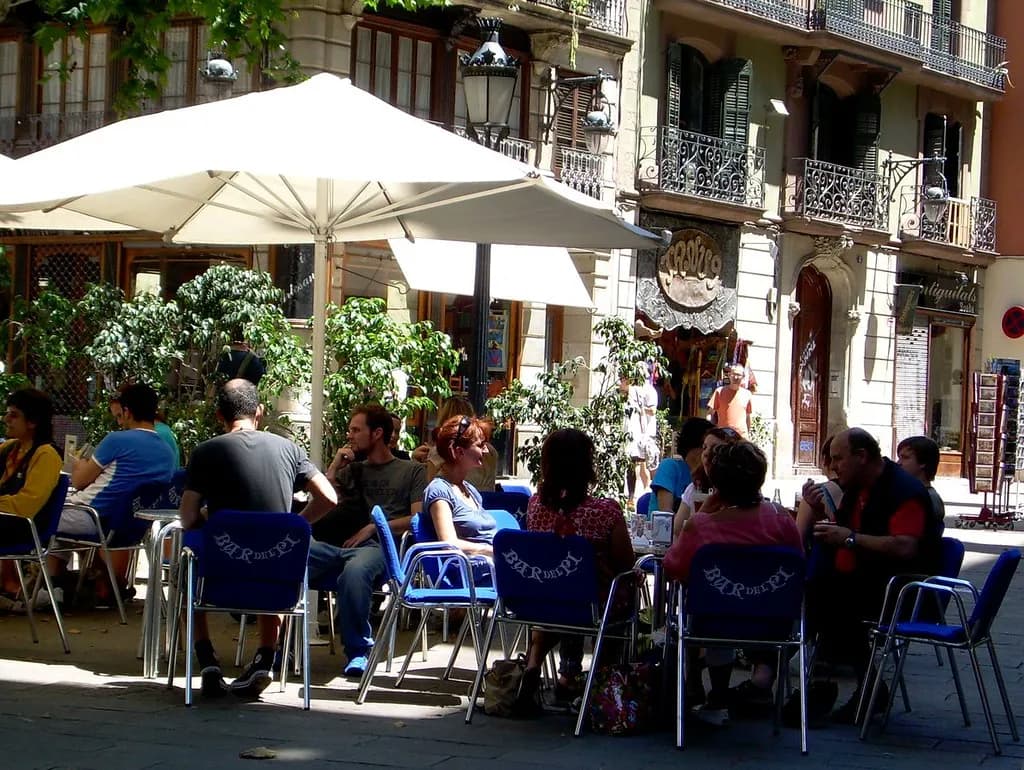
The longer answer requires honesty. Barcelona deals with 32 million tourists a year, and you will feel it in the city center. The area around La Rambla and the Gothic Quarter gets thick with crowds by 10:00, pickpocketing is a real risk on the metro and at major attractions, and accommodation prices have climbed steeply since 2022. The city also levies a tourist tax (taxa turística) of €3.25 per person per night for most hotels in 2026 — a small but real extra cost no one seems to mention in their packing guides.
None of that makes Barcelona less worthwhile. It does mean you should go in with a plan rather than winging it. Travelers who spend time in Gràcia, Poblenou, or Sant Antoni alongside the headline sights consistently leave more impressed than those who stick to the postcard circuit.
Skip Barcelona if you genuinely dislike crowds and heat in any form, or if you are working with a budget under €80 per person per day (accommodation plus food). Consider spending 4–5 days in Barcelona as a minimum to feel the city's real rhythm rather than just its tourist surface.
Top Attractions That Make Barcelona Special
The Sagrada Família is the obvious starting point, and it lives up to the hype in a way few iconic landmarks do. Gaudí designed it to be read like a Bible in stone — the Nativity facade faces east toward the sunrise, the Passion facade faces west. Tickets in 2026 cost from €26 for basic entry to €40 with a tower access add-on. Book at least two weeks ahead from June through August; they sell out daily. Go at 09:00 when the doors open to catch the interior light before the tour groups arrive.
Park Güell is worth it, but be selective. The Monumental Zone — the mosaic terrace and Gaudí's gingerbread gatehouses — requires a timed ticket (€10 in 2026, book online). The surrounding park is free and equally pleasant for a stroll. Many visitors buy the Monumental Zone ticket, spend 45 minutes, and feel underwhelmed. Pair it with the free lower park and the Carmel bunkers viewpoint nearby to make the trip worthwhile.
Casa Batlló and Casa Milà (La Pedrera) on Passeig de Gràcia are genuine architectural experiences, not just facades to photograph from the street. Both have excellent audio guides. Casa Batlló's nighttime "magic nights" events run from May through October — tickets cost around €49 but include a drink and a theatrical element that day-visitors miss entirely.
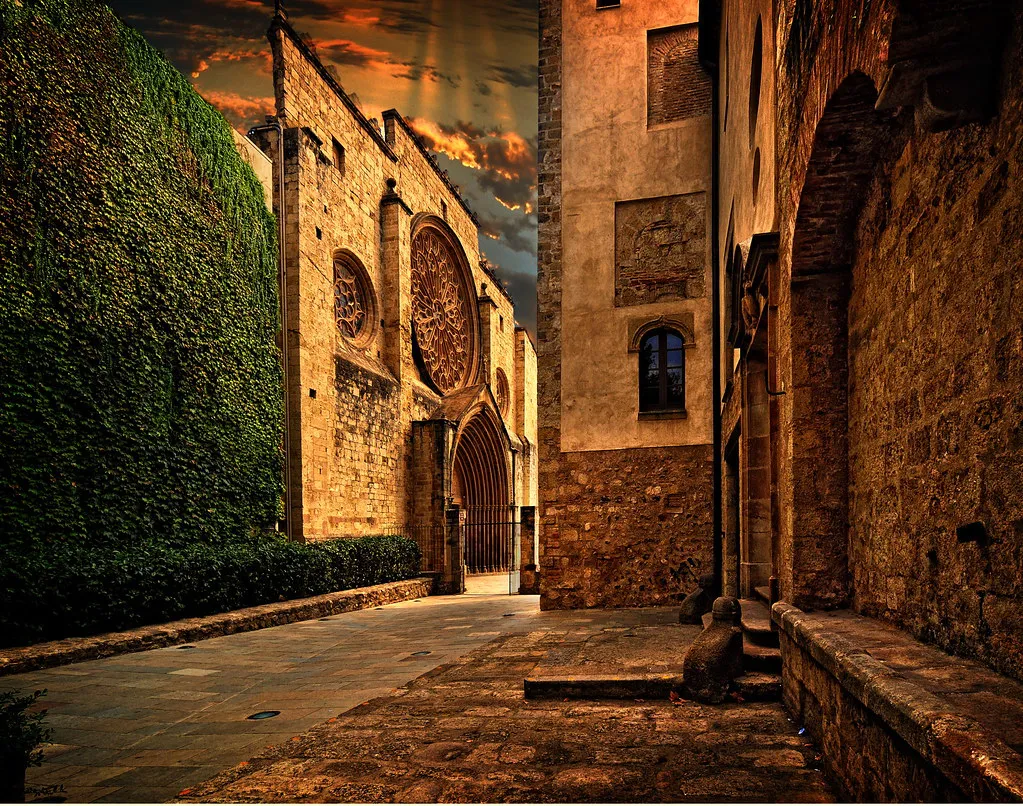
Beyond Gaudí, the Gothic Quarter rewards aimless walking more than any structured tour. The Barcelona Cathedral is free Monday to Friday from 12:30 to 19:30 (a detail most visitors miss because the tourist entrance schedule differs from the worshipper schedule). The Picasso Museum on Carrer de Montcada costs €14 and covers his formative Barcelona years in depth — underrated relative to the queues at the Gaudí sites.
Why We Love Barcelona So Much
The architecture is only part of it. Barcelona is one of very few cities in Europe where you can move from medieval to modernist to brutalist to beach in a 20-minute walk. That physical variety keeps the city from ever feeling monotonous, even on a long stay.
The food scene runs deeper than most visitors realize. Catalan cuisine is distinct from general Spanish cooking — think pa amb tomàquet (bread rubbed with tomato and olive oil), fideuà (a noodle-based cousin of paella), and botifarra sausage grilled with white beans. The tapas scene in Barcelona is strongest in El Born and Sant Antoni, not La Boqueria, which is better for a visual tour of produce than for actually eating. Sant Antoni's Mercat de l'Abaceria and the Sunday Els Encants flea market in Glòries give you a much more local version of Barcelona's market culture.
The city also has a genuine beach, which almost no other major European cultural capital can claim. Barceloneta is lively and well-connected (take the L4 metro to Barceloneta station). It is not the most pristine beach in Spain, but having the Mediterranean 20 minutes from Sagrada Família is a quality-of-life factor that makes a multi-day stay feel effortless rather than exhausting.
Barcelona's festival calendar is exceptional. La Mercè (around September 24) is the city's main annual celebration — free outdoor concerts, human tower competitions (castellers), fire-running (correfoc), and giant puppet parades take over the streets for four days. It coincides with the shoulder-season sweet spot when crowds thin and temperatures drop to the mid-20s Celsius. If you can align your trip with La Mercè, do it.
The Downsides — and How to Navigate Them
Crowds are the biggest complaint, and they are justified. July and August bring temperatures above 30°C alongside the year's peak visitor numbers. Locals have a saying: "In August, Barcelona belongs to the tourists." Most Barcelona residents who can afford to leave do exactly that. If you visit in high summer, expect queues of 45–90 minutes at Sagrada Família even with pre-booked tickets (for the bag-check and security line), packed metro carriages, and La Rambla so congested that walking in a straight line becomes an achievement.
Pickpocketing is a specific and well-documented risk. La Rambla, the metro (especially L3 between Passeig de Gràcia and Drassanes), and the area around La Boqueria are the highest-risk zones. Keep your phone in a front pocket, use a small crossbody bag, and do not put anything in the outer pocket of a backpack. This is not a reason to avoid the city, but it is a reason to spend five minutes reorganizing your bags before you arrive.
Cost has risen significantly. A mid-range hotel in Eixample runs €150–€220 per night in peak season. Meals in tourist-facing restaurants near La Rambla cost 30–40% more than equivalent quality two streets away. The €3.25/night tourist tax is added automatically to your hotel bill. A realistic daily budget for two people including accommodation, three meals, and two or three paid attractions is €300–€400.
Language is a minor friction point. Barcelona is bilingual — Catalan and Spanish both operate officially. Most people in hospitality speak English, but using a few words of Catalan (gràcies, bon dia, perdona) is genuinely appreciated and immediately separates you from the tourist mass. Do not assume Castilian Spanish is the preferred choice; in some local bars, a Spanish greeting will get a Catalan reply.
Barcelona for Different Types of Travellers
First-time visitors to Europe will find Barcelona an excellent entry point. The city is walkable, the metro is cheap (a T-Casual 10-trip card costs €11.35 for zones 1–2 in 2026), and most major attractions are concentrated enough that you can cover the highlights in 3–4 days without a car. The sheer density of quality things to see and eat makes every day feel full without exhausting logistical effort.
Solo travelers do well here. Barcelona has a strong solo travel infrastructure — good hostel culture in El Born and Barceloneta, organized free walking tours that depart from Plaça de Catalunya daily at 11:00 and 15:00, and a nightlife scene that is genuinely welcoming to people arriving alone. The main caution for solo travelers is the same as for anyone: stay alert in crowded areas and avoid La Rambla after midnight.
Families with children are well served. Parc de la Ciutadella has a boating lake and open green space. The CosmoCaixa science museum in the Sarrià-Sant Gervasi neighborhood is genuinely excellent for children aged 6–14 (€6 entry). The Magic Fountain of Montjuïc runs Thursday to Sunday evenings from mid-May to September — free, colorful, and reliably entertaining for kids. Beaches are calm and well-lifeguarded.
Budget travelers can make it work but need to be strategic. Accommodation outside the center (Sants, Poble Sec, or Clot neighborhoods) cuts hotel costs by 30–40% with only a 15-minute metro ride to the action. Eating at a menú del día — a set lunch offered by most restaurants from 13:00 to 15:30 for €12–€16 including a starter, main, and drink — is how locals eat affordably. Many municipal museums are free on the first Sunday of each month.
Where to Stay in Barcelona
| Neighborhood | Best For | Peak Season Cost (per night) | Metro Access | Noise Level |
|---|---|---|---|---|
| Eixample | First-time visitors | €150–€220 | Excellent (L2, L3, L4, L5) | Moderate |
| El Born / Gothic Quarter | Historic atmosphere | €130–€200 | Good (L4 Jaume I) | High (bars until 03:00) |
| Gràcia | Second visits, local feel | €100–€160 | Good (L3 Fontana) | Low–Moderate |
| Barceloneta | Beach-first travelers | €160–€240 | Good (L4 Barceloneta) | High |
| Poblenou | Budget + beach access | €90–€150 | Good (L4 Poblenou) | Low |
| Sants / Poble Sec / Clot | Budget travelers | €80–€130 | Good | Low |
Eixample is the most practical base for first-time visitors. It sits between the Gothic Quarter and the Gràcia neighborhood, is well-connected by metro (L2, L3, L4, L5 all pass through it), and has Barcelona's highest concentration of Gaudí buildings on or near Passeig de Gràcia. It is calmer than the Gothic Quarter but still central. The Esquerra de l'Eixample (left side) is slightly less expensive than the Dreta (right side) and has a strong bar and restaurant scene around Carrer del Consell de Cent.
El Born and the Gothic Quarter are ideal for visitors who prioritize being inside the historic core. Walking out of your hotel door into medieval streets is genuinely special. The trade-off is noise — the Gothic Quarter has bars that run until 03:00, and some streets amplify sound. Request an interior-facing room if noise sensitivity is a concern.
Gràcia feels like a village inside the city. It has wide squares (Plaça del Sol, Plaça de la Vila de Gràcia) lined with cafés, a strong indie restaurant scene, and significantly less tourist foot traffic than the old town. It is a 20-minute walk or one metro stop from Passeig de Gràcia. Good choice for a second visit to Barcelona, or for anyone who wants to live rather than just sightsee.
Barceloneta and the waterfront work best for beach-first travelers. Hotels here skew toward the expensive end for what you get, and the area is loud until late. Poblenou — the next neighborhood along the coast — offers a quieter, increasingly creative alternative with better value accommodation and direct beach access.
When to Visit: Timing and Crowds
The best months to visit Barcelona are May, June, September, and October. Temperatures in these months range from 18°C to 27°C, the sea is warm enough to swim from June onward, and the main attractions are accessible without the extreme July–August crowds. September is the strongest single month: the water temperature peaks at around 24°C, the La Mercè festival runs around the 24th, and hotel prices drop 15–20% from August highs.
April is excellent for sightseeing but can be wet. The city celebrates Sant Jordi on April 23 — Barcelona's version of Valentine's Day, where people exchange books and roses. La Rambla and the Gothic Quarter fill with flower and book stalls; it is one of the most genuinely local festivities of the year and costs nothing to experience.
Winter (December–February) is underrated for Barcelona. Temperatures stay around 10–15°C, crowds at major attractions drop by 60–70%, hotel prices fall sharply, and the city has a rhythm that feels much closer to daily Catalan life than summer's tourist marathon. You cannot swim, but you can eat, walk, and museum-hop in relative peace.
Whenever you visit, book Sagrada Família and Park Güell tickets before you travel — not at the door, not the day before. Both routinely sell out. Use the official websites (sagradafamilia.org and parkguell.barcelona) to avoid third-party markup fees.
Frequently Asked Questions
Is 3 days in Barcelona enough?
Three days in Barcelona is a good starting point for first-time visitors. It allows you to see major sights like Sagrada Familia and the Gothic Quarter. However, you will feel rushed trying to fit everything in.
What should you see when visiting Barcelona?
When visiting Barcelona, prioritize Sagrada Familia, Park Güell, and the Gothic Quarter. Explore La Rambla and La Boqueria Market for a taste of local life. Don't miss Casa Batlló and a stroll along Barceloneta Beach.
When is the best time for visiting Barcelona?
The best time for visiting Barcelona is during the shoulder seasons, specifically April-May or September-October. The weather is pleasant, and crowds are less intense than in the summer. This allows for comfortable sightseeing.
Barcelona is worth visiting in 2026. The crowds, the tourist tax, and the rising hotel prices are real, but they are manageable with planning. The combination of architecture, food, beach, and neighborhood character that the city offers is genuinely difficult to replicate anywhere else in Europe. Go in the shoulder season, stay somewhere with a local feel, book your tickets in advance, and leave two or three unscheduled afternoons to wander — that is when Barcelona tends to do its best work.
You might also like


Continue reading
More guides you'll find useful