

12 Barcelona Hidden Gems: Off-the-Beaten-Path Guide (2026)
Uncover Barcelona's best-kept secrets with our guide to 12 hidden gems. Explore local neighborhoods, unique sights, and authentic experiences away from the crowds.
On this page
15+ Barcelona Hidden Gems: Discover Off-the-Beaten-Path Wonders (2026)
Barcelona has roughly 32 million visitors a year. Most of them spend their whole trip in a tight triangle between Sagrada Família, La Boqueria, and the Barceloneta beach. That leaves an enormous city — full of bunkers, Gothic squares, cactus gardens, and century-old bars — almost entirely to the locals. This guide is built around those spots. Everything here is somewhere a resident would take a visiting friend in 2026, not somewhere a tour bus would stop.
Plan with trusted sources: cross-check opening hours and seasonal details with the official Barcelona tourism board, and read more about the city on its Wikipedia entry before you go.
Why Explore Barcelona's Hidden Gems?
The case for going off the tourist circuit in Barcelona is not just about bragging rights. The famous sights are genuinely worth seeing, but they are also the most pickpocket-heavy, most overpriced, and most exhausting parts of the city. Stepping one neighborhood further out changes the texture of the trip completely.
The city is also experiencing serious overtourism pressure. In 2026, anti-tourist sentiment in some neighborhoods is real — but it tends to be directed at the Las Ramblas corridor, not at the Gràcia squares or the Montjuïc gardens where visitors actually blend in. Going off the beaten path is both a better experience and a more respectful one.
Practically speaking, the lesser-known spots are free or very cheap. Bunkers del Carmel costs nothing. The cactus garden on Montjuïc costs nothing. The labyrinth park costs €2.30. You can fill three full days with genuinely memorable experiences without spending a cent on admission.
Bunkers del Carmel: Panoramic Views & History
The Bunkers del Carmel — officially Turó de la Rovira — are the ruins of anti-aircraft gun batteries used during the Spanish Civil War. Locals have reclaimed them as the best free viewpoint in the city, with a full 360° sweep from the sea to Tibidabo. On clear mornings you can see the outline of the Pyrenees.
Sunset is the obvious time to visit, and the vibe is genuinely excellent — people bring cava, blankets, and dogs. But the sunrise slot between 06:30 and 08:00 is better if you want the view without 200 strangers in your photos. The bunkers face east, so the early light is extraordinary and the hill is practically empty.
Getting there without a taxi takes effort but is doable. Buses 24, 92, 114, and V17 stop nearby, with a 10–15 minute uphill walk from the last stop. By metro, Line 4 (Alfons X) or Line 5 (El Coll / La Teixonera) leave you with a longer uphill walk — wear proper shoes. Bring water; there is no kiosk at the top. Entry is free at all hours.
Parc de Laberint d'Horta: Barcelona's Oldest Garden
Parc de Laberint d'Horta is the oldest surviving garden in Barcelona, created in 1791 by the Marquis of Llupiá and Alfarràs. Its centrepiece is a two-metre-high cypress hedge labyrinth, modelled after classical Italian gardens. Unlike the tourist-facing parks near the seafront, this one sits in the Horta-Guinardó district, far enough from the centre that most visitors never make it.
The labyrinth itself takes about 20 minutes to solve and is genuinely challenging — there is no obvious trick. Beyond it, the grounds include a romantic canal, a small pond, neoclassical pavilions, and terraced gardens with mountain views. Early October through November is the best season: the cypress hedges are at their most vivid green and the park is nearly empty on weekday mornings.
Take Line 3 (green) metro to Mundet and walk five minutes. Admission is €2.30 on most days, free on Sundays and public holidays. Opening hours are 10:00–18:00 in winter and 10:00–20:00 in summer. Arrive before 11:00 on weekdays to have the labyrinth almost to yourself.
Plaça Sant Felip Neri: A Serene Square with a Somber Past
Plaça Sant Felip Neri is one of those places that makes the Gothic Quarter feel genuinely medieval rather than a theme park version of it. It is tucked behind a series of narrow alleys a few minutes from the Barcelona Cathedral — easy to find on a map, surprisingly easy to miss on foot. The square itself is tiny: a fountain, a church, a school, and the walls.
Look closely at the church facade. The deep pockmarks you see are not weathering. They are shrapnel holes from a Republican bombing on 30 January 1938 that killed 42 people sheltering in the square, most of them children from the school. The city left the marks deliberately. Standing there on a quiet morning, that detail carries real weight.
The square is free to visit at any time. It is at its most atmospheric early in the morning before the surrounding streets fill up, or on a weekday evening when the school is empty and a few locals sit on the steps. There is no signage about the Civil War history, which is part of why so many people walk through without understanding what they are looking at.
Palau de la Música Catalana: Modernist Masterpiece
The Palau de la Música Catalana is technically one of Barcelona's most famous buildings, but it earns its place on this list because hardly anyone actually goes inside. Designed by Lluís Domènech i Montaner and completed in 1908, it is the only concert hall in Europe that is a UNESCO World Heritage Site — and the interior makes Gaudí's work look restrained by comparison.
The stained-glass skylight above the main auditorium is the key detail: an inverted amber dome that floods the hall with natural light during daytime concerts. The colour palette — deep blues, golds, and terracottas — is unlike anything else in the city. If you can attend an evening concert, the transformation under artificial light is equally dramatic. Tickets for smaller recitals start at €18.
Guided tours run daily from 10:00 to 15:30 and cost €20–€25. Book online at least a day ahead, especially in spring and summer. The entrance is on Carrer de Sant Pere Més Alt, a few minutes' walk from Urquinaona metro (Lines 1 and 4). Tours last 55 minutes and are available in English, Catalan, and Spanish.
Mercat de Santa Caterina: A Local Foodie Haven
Mercat de Santa Caterina is the answer to the question everyone eventually asks: is there a market in Barcelona that isn't La Boqueria? The answer is yes, and it is a ten-minute walk from it. Santa Caterina serves the Ciutat Vella neighbourhood rather than tour groups. The result is better produce at lower prices and far more room to move.
The building itself is striking — the wavy mosaic-tiled roof, designed by Enric Miralles, uses 325,000 ceramic tiles to create an abstract landscape of fruits and vegetables. Arrive before 09:00 on a weekday to see the market at its working best, when stall holders and restaurant buyers are doing the actual trading.
The market's bar counters are excellent for a standing lunch. Order the menú del dia (usually €10–€13) at one of the bars along the east wall for a three-course meal with wine. The market is open Monday–Wednesday from 07:30–14:30, Thursday–Friday from 07:30–20:30, and Saturday from 07:30–15:00. It is closed on Sundays. Entry is free.
Jardins de Mossèn Costa i Llobrera: The Cactus Garden Oasis
Perched on the south-facing slopes of Montjuïc above the port, the Jardins de Mossèn Costa i Llobrera contain one of Europe's largest collections of cacti and succulents — around 800 species across several terraced gardens. Most visitors to Montjuïc head to the castle or the Fundació Joan Miró and never make it down to the lower slopes.
The garden is at its most photogenic at dusk, when the sea light comes in low and the silhouettes of the larger cacti — some reaching five metres — are extraordinary. The views of the port and coastline are unobstructed and genuinely dramatic. On a clear day you can see the Balearic Islands.
Entry is free. The garden is open daily from 10:00 until dusk. Take bus 150 from Plaça d'Espanya or use the Montjuïc cable car to reach the area. Allow 60–90 minutes. The garden is accessible for most mobility levels, with gravel paths between the main terraces.
Els Encants Vells: Barcelona's Largest Flea Market
Els Encants Vells is one of the oldest flea markets in Europe, trading in some form since the 14th century. The current version, relaunched in 2013, is housed under a spectacular mirrored stainless-steel canopy near Plaça de les Glòries Catalanes that reflects the sky and the Agbar Tower in fractured panels. It is worth visiting just to see the architecture.
The market opens Monday, Wednesday, Friday, and Saturday from 09:00 to 20:00. The most interesting session is the early Monday auction, which starts around 07:00 before the market officially opens — dealers bid on lots of mixed furniture and collectibles. Arrive at 07:30 to watch. Regular browsing hours work fine for vintage clothing, books, vinyl, ceramics, and mid-century furniture.
Bring cash; most sellers do not take cards. Prices are more negotiable in the final hour before closing. Take Line 1 metro to Glòries — the market is visible from the exit. Admission is free. Pickpocketing risk exists here as it does at any busy market; use a zip-close bag for valuables.
Explore Barcelona with a Vespa: A Practical Guide
Renting a scooter is one of the fastest ways to link up several hidden gems in a single day. The distance between Bunkers del Carmel, Parc de Laberint d'Horta, and the Jardins de Mossèn Costa i Llobrera is significant enough that public transport between them takes the better part of a morning. On a scooter, the same route takes under an hour of actual riding.
Several rental companies operate near the city centre. MotoBCN near the Arc de Triomf and Cooltra in the Eixample both rent 50cc and 125cc scooters by the day (around €35–€55 depending on engine size). You need a driving licence valid for two-wheeled vehicles; in Spain, a standard car licence (B) covers 125cc bikes. Helmets are legally required at all times and are included in the rental. The key logistic to know: Barcelona's Low Emission Zone (ZBE) restricts vehicles without a DGT eco-label in the central grid. Most modern rental scooters are compliant, but confirm before you sign the contract.
Parking is not as simple as it looks. Scooters must park in designated motorcycle bays (marked with a white M) or on the pavement in designated zones — not on general pavement. Near popular spots like Bunkers del Carmel, the closest legal parking is a 10-minute walk downhill. Plan for this in your timing. Early morning on weekdays, the entire route from El Born to Montjuïc via the port road takes about 20 minutes and you will barely stop at a red light.
Beyond the Obvious: World-Class Museums Without the Queues
The Museu Picasso on Carrer de Montcada in El Born is consistently ranked among the top Picasso collections in the world, with over 4,200 works covering his formative Barcelona years. The building itself — a series of connected Gothic palaces — is worth the visit. The trick to avoiding the queues in 2026 is to book the first entry slot (09:30 or 10:00) at least two days ahead online. Admission is €12; Thursday evenings from 18:00–21:30 are free but busy.
MACBA (Museu d'Art Contemporani de Barcelona) sits in El Raval on a plaza that doubles as Barcelona's best skateboarding spot. The permanent collection covers art from the 1950s onward, with particular strength in Catalan and Spanish conceptual work from the 1960s and 70s. Admission is €12; Monday afternoons from 16:00 are free. The Meier-designed building, white and open, feels more like Los Angeles than a European museum — which is part of the point.
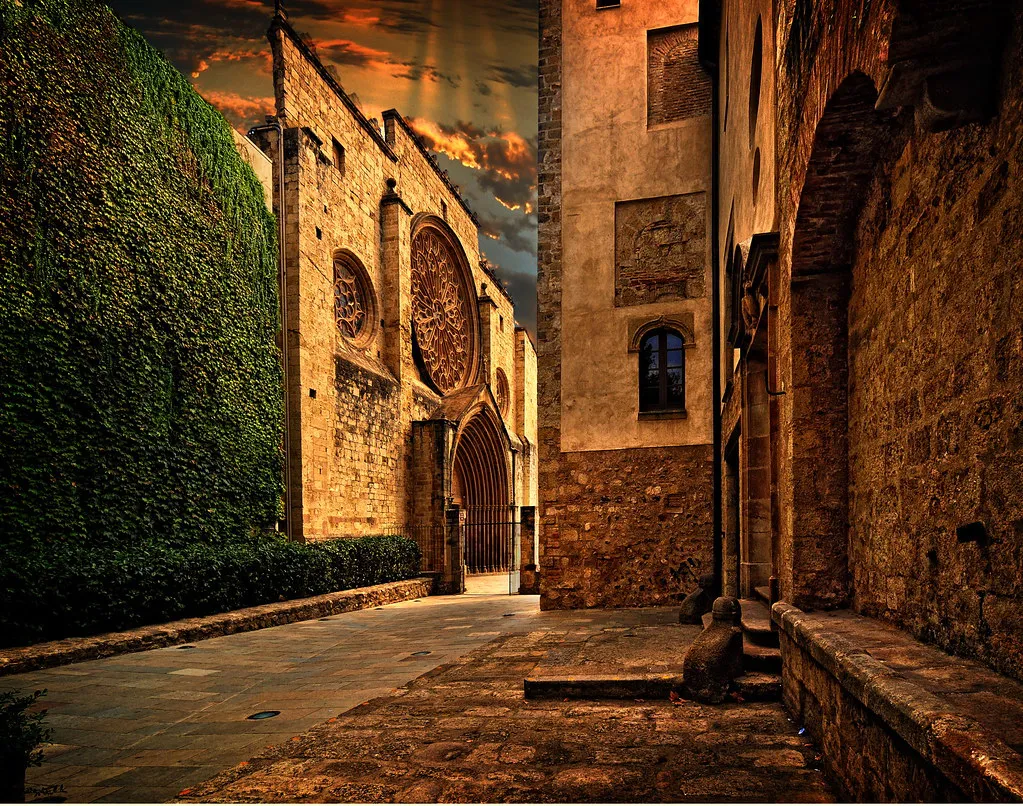
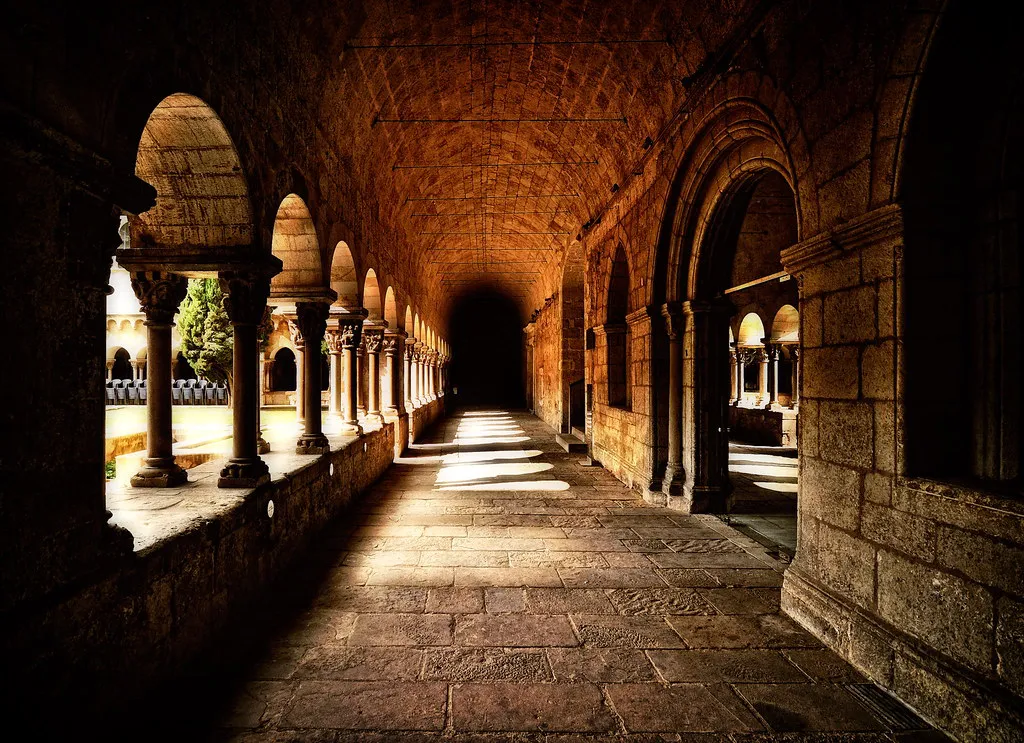
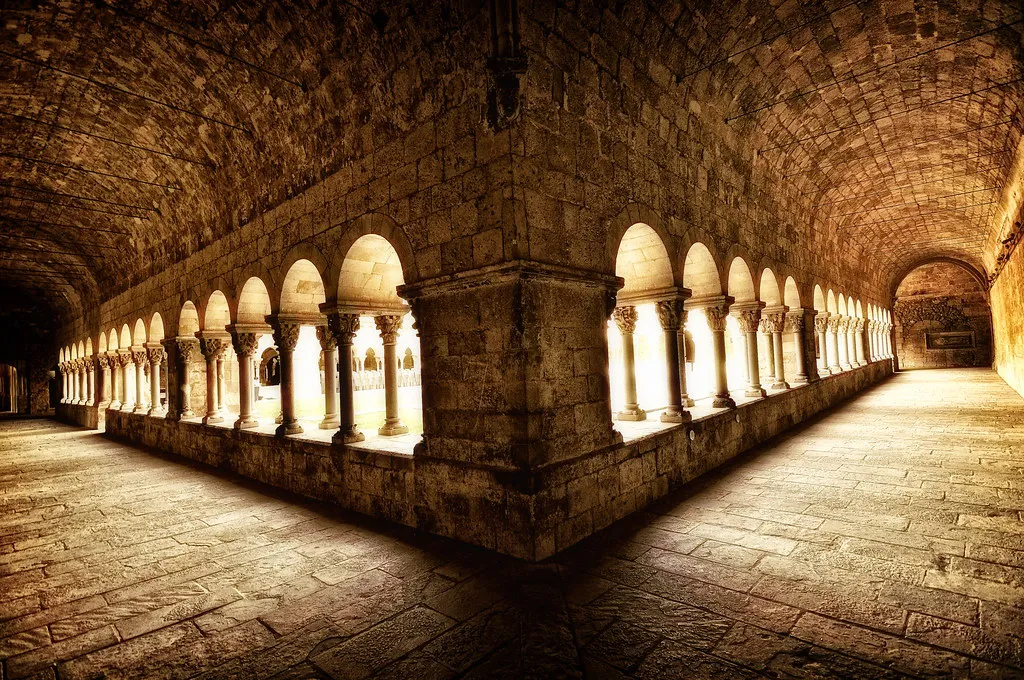
For a less-visited option, the Monestir de Pedralbes in the upper city is a 14th-century Gothic monastery with a three-storey cloister that is one of the most beautiful enclosed spaces in Barcelona. It sees a fraction of the visitors that the Picasso Museum gets. Admission is €5; open Tuesday–Sunday 10:00–17:00 (winter) or 10:00–19:00 (summer). Take the FGC train to Reina Elisenda or Line 3 metro to Palau Reial.
Las Ramblas: A Quick Visit and What to Find Nearby
Las Ramblas deserves exactly 20 minutes of your time in Barcelona. Walk it top to bottom (from Plaça de Catalunya to the Colom monument) once, note the Miró mosaic embedded in the pavement at the midpoint, and then turn off it permanently. The street itself is lined with tourist traps, and it has one of the highest pickpocketing rates of any street in Europe. That said, it does function as a useful navigation spine and provides historical context for how the old city was organised.
The more rewarding move is what you do on either side. To the west, El Raval begins immediately and contains MACBA, Bar Marsella (established 1820, one of the oldest bars in the city, famous for absinthe), and the Mercat de la Llibertat — a local market on the edge of Gràcia. To the east, the Gothic Quarter's medieval alley network begins within a block. The Plaça Reial, just one turn off Las Ramblas, is a handsome 19th-century arcaded square where locals actually sit in the evenings.
If you want to experience Las Ramblas without the crowds, walk it at 07:30 on a weekday morning. The flower stalls are setting up, the tourist shops are shuttered, and the Boqueria (which opens at 08:00) is in its brief daily window of being an actual market rather than a performance.
Estació de França: Architectural Beauty and Travel Hub
Estació de França is a 1929 Beaux-Arts train station at the edge of the Barceloneta neighbourhood that almost nobody visits unless they are catching a regional train. It is one of the most beautiful covered station interiors in Spain — two enormous cast-iron and glass arched canopies, 200 metres long, with the original clock still running above the main concourse.
The station is largely quiet outside of peak departure times, which makes it a genuinely pleasant place to stop. There are a few cafés inside, and the light through the glass vaults at midday is remarkable. It also sits 10 minutes' walk from both the Picasso Museum and the Parc de la Ciutadella, so it is a natural anchor point for a morning in the Born-Ciutadella area.
Architecturally, Estació de França represents the same moment as the 1929 Universal Exhibition — a period when Barcelona was self-consciously building for grandeur. Paired with a visit to the nearby Arc de Triomf, the two structures give a sense of the city's ambition in that era. Entry to the station is free; just walk in.
Carretera de les Aigües: The Local's Morning Route
No SERP competitor lists this in enough detail, but Carretera de les Aigües is arguably the single best hidden-gem experience in Barcelona for anyone who wants to feel genuinely local for an hour. It is a 20-kilometre former aqueduct service road that runs along the Collserola mountain ridge, directly above the city. On any weekend morning you will find hundreds of Barcelona residents jogging, cycling, and walking dogs with the entire city spread below them. There are almost zero tourists.
The most accessible entry point is via the Funicular de Vallvidrera from Peu del Funicular FGC station (reachable from Provença on the S1/S2 lines). From the top funicular station, the Carretera de les Aigües road begins about 5 minutes' walk uphill. The views open up almost immediately and face south over the Eixample grid and out to the sea. The path is flat and easy — packed gravel, no technical terrain.
Bring water, as there are no services on the route itself. The best stretch for views runs from the Funicular exit west toward the Can Borrell farmhouse restaurant, which serves traditional Catalan cooking and is popular with families on Sunday lunches (book ahead: +34 93 280 08 84). The FGC pass is included in the standard T-Casual transport card. Allow 2–3 hours for the ridge walk and return.
Where to Stay in Barcelona: Neighborhoods for Every Traveler
The neighborhood you stay in shapes which hidden gems you can reach easily on foot. For most off-the-beaten-path itineraries, three areas make particular sense.
| Neighborhood | Best for | Nearest hidden gems | Avg. nightly rate (2026) |
|---|---|---|---|
| Gràcia | Local atmosphere, independent cafés | Bunkers del Carmel, Parc de Laberint d'Horta | €80–€130 |
| Poble Sec | Montjuïc access, pintxos bars | Jardins de Mossèn Costa i Llobrera, Els Encants Vells | €70–€120 |
| El Born | Gothic Quarter & Born sights on foot | Plaça Sant Felip Neri, Mercat de Santa Caterina, Estació de França | €90–€160 |
Gràcia is the best base for exploring the city like a local. Its tree-lined plazas — Plaça del Sol, Plaça de la Vila de Gràcia, Plaça de la Virreina — fill with residents in the evenings in a way the central tourist areas never do. Independent cafés, wine bars, and bookshops line its side streets. It is a 15-minute walk from the Bunkers del Carmel trail and a short metro ride to both Parc de Laberint d'Horta and the Gothic Quarter.
Poble Sec, at the foot of Montjuïc, gives direct access to the Jardins de Mossèn Costa i Llobrera and Teatre Grec. Its Carrer de Blai is one of the best streets for pintxos in the city — small Basque-style tapas at €1.50–€2 each. For a more central base near the Gothic Quarter and Born gems, El Born itself has a good range of apartments and boutique hotels within walking distance of the Picasso Museum, Mercat de Santa Caterina, and Plaça Sant Felip Neri. See our full a guide to Barcelona's neighborhoods for a detailed breakdown of each area.
Quick Tips for Your Hidden Gems Adventure
Barcelona's public transport is good enough that a car is never necessary inside the city. A 10-trip T-Casual card costs €11.35 and covers metro, bus, FGC, and tram within Zone 1 — which covers every spot on this list. Keep it loaded on your phone via the TMB app. Taxis via the official FreeNow or MyTaxi apps are safe and metered; avoid unmarked vehicles near the airport.
Timing matters more than people expect. Most of these gems are genuinely crowd-free on weekday mornings before 10:00. The Bunkers del Carmel at sunrise, the labyrinth park at 09:00 on a Tuesday, the cactus garden on a grey November afternoon — these are completely different experiences from the same places at peak hours in July.
Learn a handful of Catalan phrases rather than only Spanish. In Barcelona, "gràcies" (thank you) and "bon dia" (good morning) are used interchangeably with the Spanish equivalents, but using the Catalan version in a local bar or market will get you a noticeably warmer reception. It signals that you understand you are in Catalonia, not just Spain. For more on getting around the city, including transport passes and bike hire, see our dedicated guide.
Frequently Asked Questions
What are the best Barcelona hidden gems worth visiting?
Some of Barcelona's best hidden gems include the panoramic views from Bunkers del Carmel and the tranquil Parc de Laberint d'Horta. Don't miss the historic Plaça Sant Felip Neri or the architectural marvel of Palau de la Música Catalana. These spots offer unique insights away from typical tourist crowds.
Which Barcelona hidden gems options fit first-time visitors?
First-time visitors can easily integrate Mercat de Santa Caterina for an authentic food market experience, or the beautiful Sant Pau Recinte Modernista. These offer a taste of local life and stunning architecture without being overly difficult to access. Consider a visit to the Jardins de Mossèn Costa i Llobrera for a peaceful escape.
How much time should you plan for Barcelona hidden gems?
To truly appreciate Barcelona's hidden gems, plan at least half a day for each area you wish to explore. Some spots, like the Bunkers del Carmel, are best for sunset, while others, like the markets, are morning affairs. For a deeper dive, consider spending an entire day focusing on a specific neighborhood.
Is exploring Barcelona's hidden gems worth including on a short itinerary?
Absolutely. Even on a short itinerary, incorporating one or two hidden gems can significantly enrich your trip. Prioritize spots like Plaça Sant Felip Neri or Mercat de Santa Caterina, which are centrally located. This allows you to experience authentic Barcelona without sacrificing too much time.
Barcelona rewards the visitor who walks one block past the obvious. Each spot on this list is accessible, mostly free, and genuinely used by people who live here. The bunkers at sunrise, the labyrinth on a quiet Tuesday morning, the ridge road above the city with coffee from a local bar — these are the moments that make the trip memorable rather than just documented. See our guide to top things to do in Barcelona for the full picture of what the city offers.
You might also like


Continue reading
More guides you'll find useful


