

Girona Day Trip From Barcelona Travel Guide
Plan girona day trip from barcelona with top picks, neighborhood context, timing tips, and practical booking advice for a smoother trip.
On this page
Girona Day Trip From Barcelona
A Girona day trip from Barcelona is one of the easiest excursions you can add to a Catalonia itinerary. The city sits just 100 kilometres northeast of Barcelona, a 38-minute high-speed train ride, and it packs medieval streets, a world-class cathedral, and a remarkably intact Jewish Quarter into a walkable historic center you can cover in a single day.
Girona is smaller and calmer than Barcelona, which works in your favor. Tour groups arrive around 10:00, so an early train rewards you with empty cobbled lanes and a cathedral staircase to yourself. This guide covers how to get there, what to see, and how to plan your hours so the day flows without rushing.
Plan with trusted sources: cross-check opening hours and seasonal details with the official Barcelona tourism board, and read more about the city on its Wikipedia entry before you go.
How Far Is Girona From Barcelona
Girona is approximately 100 kilometres (62 miles) northeast of Barcelona, close to the French border. The drive along the AP-7 motorway takes about 75 minutes in normal traffic, but parking in the Old Town is tight and expensive — most visitors skip the car entirely.
The high-speed Renfe service from Barcelona Sants covers the distance in 38–40 minutes. Regional Rodalies trains take roughly 1 hour 30 minutes and cost less, making them a solid budget option. Buses depart from Barcelona Nord bus station and take around 1 hour 45 minutes each way.
How to Get to Girona: Barcelona to Girona Train
The train is the clear choice. Renfe runs non-stop Avant and AVE services from Barcelona Sants, with departures roughly every 90 minutes. Booking in advance through Renfe directly can get you a fare as low as €15 each way; last-minute tickets cost more and popular morning slots sell out during summer. Trains also depart from Barcelona Passeig de Gràcia, which saves time if your hotel is closer to that station.
Girona's train station sits a 10-minute flat walk from the historic center, directly across the Devesa Park. There is no need for a taxi or bus once you arrive — just follow the river. The 08:20 departure from Barcelona Sants is particularly popular with day-trippers because it arrives just before 09:00, giving you an hour before the main crowds build up at the Cathedral.
One practical note: buy your return ticket before you leave Barcelona or at the station on arrival. The Girona ticket office can get busy in the late afternoon as day-trippers queue for the last trains back.
| Option | Journey Time | Approx. Cost (one way) | Departs From | Best For |
|---|---|---|---|---|
| High-speed Renfe (Avant/AVE) | 38–40 min | €15–€30 | Barcelona Sants / Passeig de Gràcia | Most day-trippers |
| Regional Rodalies train | ~1 hr 30 min | €8–€12 | Barcelona Sants | Budget travelers |
| Bus | ~1 hr 45 min | €7–€10 | Barcelona Nord bus station | Flexible schedules |
| Car (AP-7 motorway) | ~75 min | Toll + fuel + parking | Barcelona | Not recommended (parking scarce) |
How Much Time Do You Need in Girona
Four hours is the minimum if you want to see the Cathedral, the Jewish Quarter, and walk a stretch of the city walls. Six hours is the comfortable number — it gives you time to linger over coffee, have a sit-down lunch, and revisit a street or two you liked on the way through. If you are a Game of Thrones fan who wants to identify filming locations methodically, or a cyclist who wants to spend time at the cycling cafés, build in closer to seven hours.
The city is compact enough that you will not spend much time walking between sights. The main challenge is the Cathedral, which only opens to visitors at 10:00 on most days. Arriving at 09:00 lets you walk the walls and explore the Jewish Quarter before the Cathedral opens, so the timing works naturally. Last entry to major sites is typically around 17:30, so an early start also means you are not rushing at the end.
What to Do in Girona for a Day: Top Sights
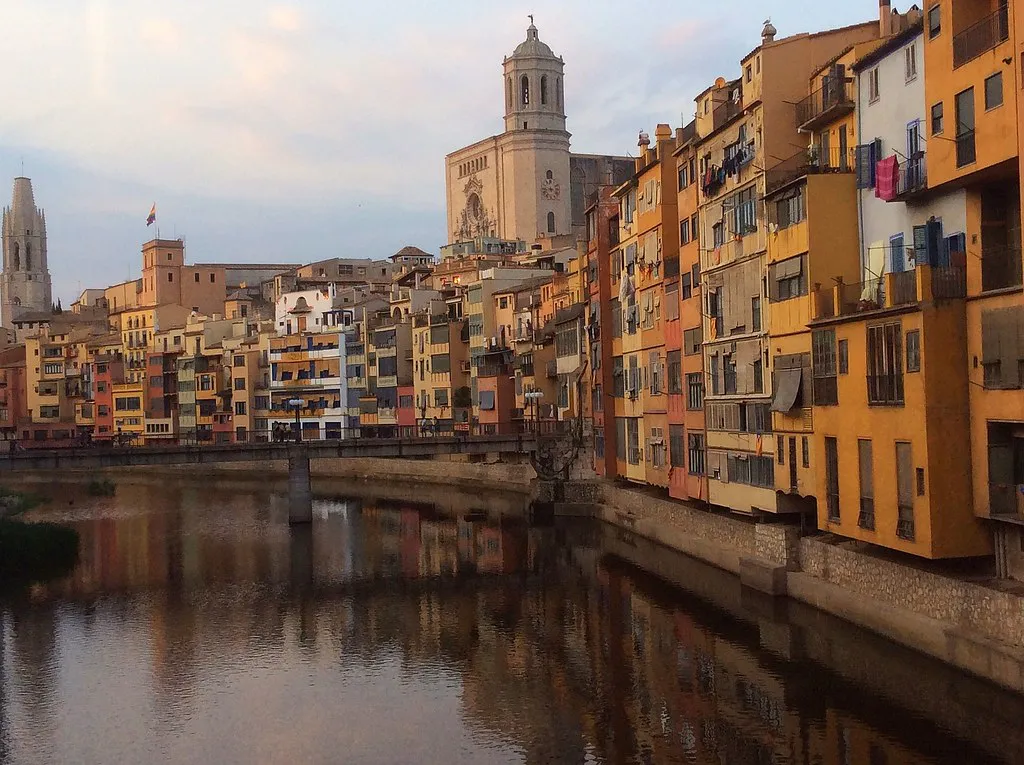
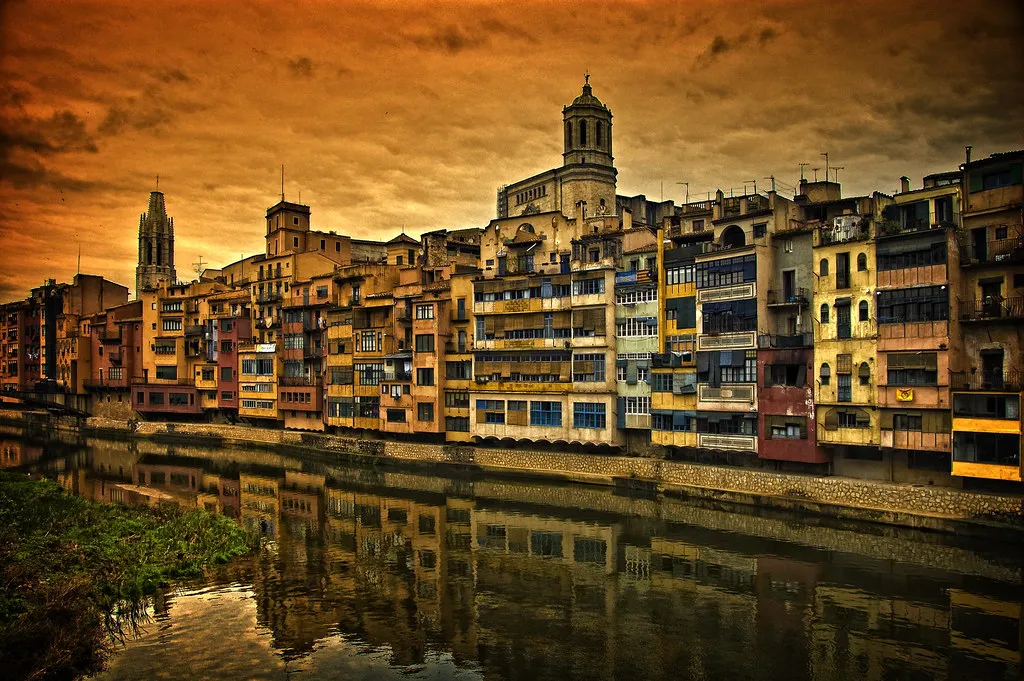
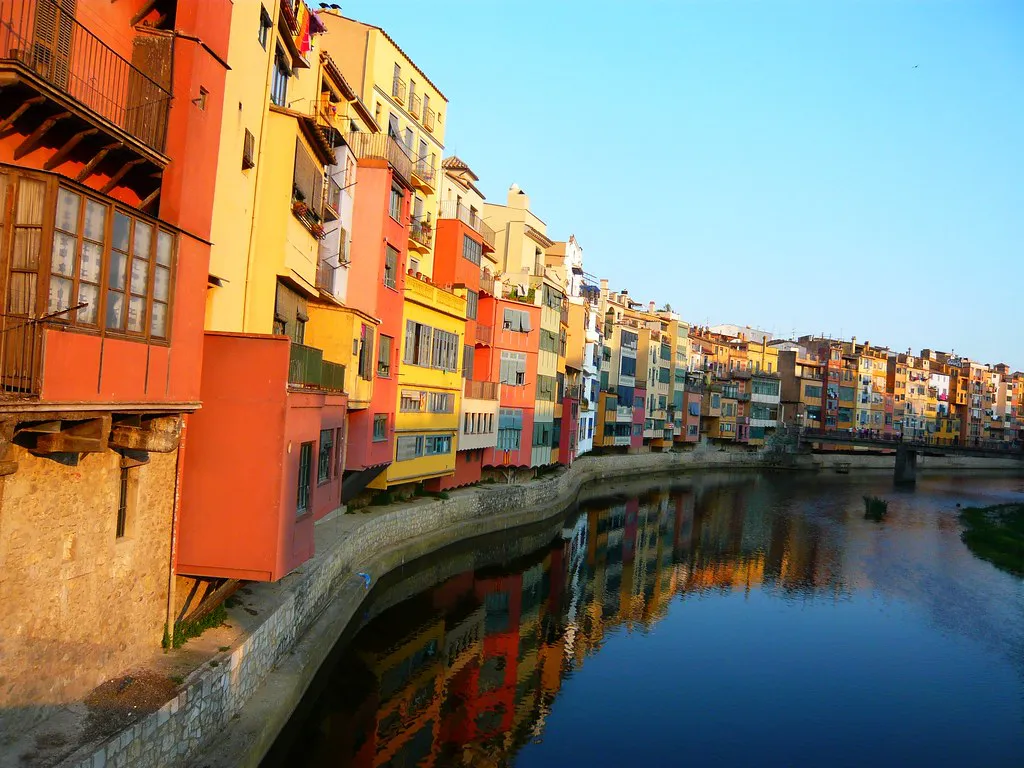
Start at the Pont de Pedra, the stone bridge at the edge of the Old Town. From here you get the postcard view: the Casas del Onyar, a row of colorful houses stacked along the riverbank that have appeared in every Girona photograph ever published. Look downstream and you will spot the red-iron Pont de les Peixateries Velles, known as the Eiffel Bridge because it was built by Gustave Eiffel's company in 1877, before he built the tower in Paris.
Cross into the Old Town (Barri Vell) and walk the Carrer de la Força into the Jewish Quarter, El Call. Girona had one of the most significant Jewish communities in medieval Catalonia until the 1492 expulsion, and the labyrinthine alleys here are among the best-preserved in Europe. The Museum of Jewish History at Carrer de la Força 8 has clear displays and small entrance fee (€4 in 2026).
At the end of Carrer de la Força you reach the Catedral de Girona. The external staircase — 90 steps — is a Game of Thrones filming location (the Great Sept of Baelor). The interior is worth the €7.50 ticket: the nave is the widest Gothic nave in the world, and the 11th-century Tapestry of Creation hanging in the museum is extraordinary. While inside, look for the petrified witch gargoyle — a local legend says a 15th-century sorceress was turned to stone as divine punishment.
After the Cathedral, duck around to the Jardins dels Alemanys and climb onto the Passeig de la Muralla city walls. The 3-kilometre walkway runs the full length of the Old Town and gives panoramic views over the rooftops. The Torre de les Hores watchtower is the best viewpoint. Allow 45–60 minutes for a full circuit, or do the northern stretch toward the Monastery of Sant Pere de Galligants and stop there.
On your way down, pass the Arab Baths (Banys Àrabs). Despite the name they were built in Romanesque style in the 13th century — the name is a later invention. Entrance is €2 and the interior is compact but atmospheric. This is also a Game of Thrones location: the steam-bath scenes with Arya in Braavos were filmed here.
Finish at the Basilica de Sant Feliu and look for the La Lleona statue — a small lioness on a column beside the church. Local tradition says kissing (or rubbing) her bottom guarantees you will return to Girona. The original medieval statue is now in a museum; what stands here is a replica, but the gesture still counts by local reckoning.
Girona's Cycling Scene: A Side of the City Most Day-Trippers Miss
Girona has been a world hub for professional road cycling for over two decades. The city's combination of challenging terrain, quiet roads, and mild winters drew Lance Armstrong here to train in the early 2000s, and it stuck. Teams including Team Ineos (formerly Team Sky), EF Pro Cycling, and several others have maintained bases in Girona, and many professional riders live here year-round. The Eixample (new town) on the west side of the river has a distinctly cosmopolitan atmosphere because of this — more international faces, better English spoken, a livelier café culture.
The go-to stop is La Fabrica on Carrer de la Llibertat. It was founded by former professional cyclists and the walls are covered in jerseys and race memorabilia. The food menu runs to avocado toast, chia bowls, and excellent espresso — a good breakfast stop before you cross into the Old Town. Expect a mix of people in lycra, photographers, and regular visitors. On a weekday morning you may be sitting next to a Tour de France participant.
You do not need to be a cycling fan for this to be interesting. The café gives Girona a character that pure-history medieval towns lack — it is a real, living city that happens to have an extraordinary historic center. The Eixample itself is pleasant to stroll: the Plaça de la Independència has outdoor tables under arcaded buildings and is a quieter alternative to the tourist-heavy squares inside the walls. For dessert, Rocambolesc on Carrer de Santa Clara is the ice cream shop of Jordi Roca (of the three-Michelin-star El Celler de Can Roca), and the queues in summer are entirely justified.
Must-See Girona Attractions at a Glance
If you only have time for the essentials, prioritize these five: the Casas del Onyar riverfront, the Jewish Quarter (El Call), the Girona Cathedral and its staircase, the Passeig de la Muralla city walls, and the Arab Baths. Each takes 20–45 minutes and they all connect as a natural walking loop through the Old Town.
The Girona Art Museum in the former Episcopal Palace is worth an hour for Romanesque and Catalan art collections if your interests run that way. The City History Museum in a former Capuchin convent gives useful context on Girona's Roman and medieval layers. Both charge around €4–6 entrance in 2026.
In May, the Temps de Flors festival transforms the courtyards, patios, and public squares of the Old Town with elaborate floral displays. Entrance to most installations is free during the festival week. It runs for about 10 days in mid-May and is one of the most photogenic events in Catalonia.
Getting Around Girona
The historic center is entirely walkable and largely pedestrianized. From the train station to the Cathedral is about 15 minutes on foot; from the Cathedral to the Arab Baths is five minutes. You will not need any transport within the Old Town.
Be prepared for uneven cobblestones and steep streets inside Barri Vell. The city walls section behind the Cathedral involves a significant climb. Comfortable, flat-soled shoes are not optional — the Old Town has very few flat stretches once you leave the riverside promenade.
Local buses serve the neighborhoods outside the center and the Devesa Park area. Taxis and ride-shares are available if you want to reach the Celler de Can Roca restaurant or other spots away from the core. Bicycle rental shops exist in the Eixample, and cycling around the flat Devesa Park is a pleasant way to start or end the day.
How to Plan a Smooth Girona Day Trip
Book the 08:20 train from Barcelona Sants. Arrive at 09:00, walk straight to the Cathedral stairs for photos before the tour groups arrive, then do the Jewish Quarter and city walls while the Cathedral is still closed. Enter the Cathedral around 10:00 when it opens, then work your way back toward the river via the Arab Baths and Sant Feliu.
Have lunch at Plaça de la Independència or along Carrer de Santa Clara in the Eixample — this is also when the main attractions get most crowded, so you're eating while day-trippers pile in. Spend the afternoon at the Girona Art Museum or simply re-walking your favorite streets at a slower pace. Aim for the 18:00 or 19:00 train back to Barcelona, which also tends to be less crowded than the 16:00 rush.
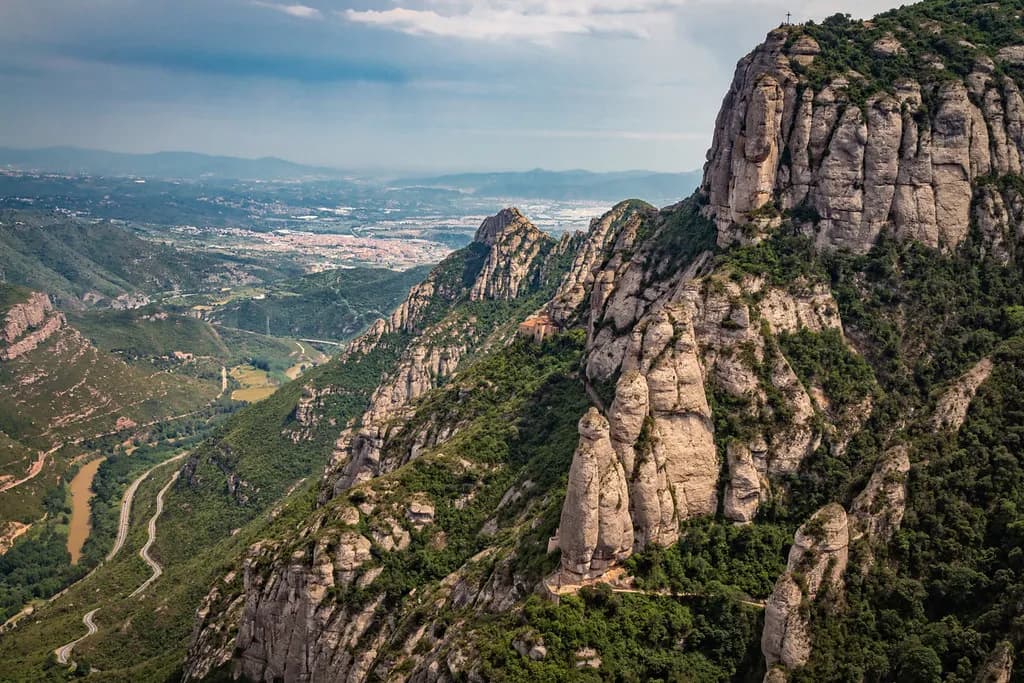
You can find more ideas for excursions outside the city at our the best day trips guide, which covers Montserrat, Sitges, and the Costa Brava alongside Girona. If you are still deciding on your base, the top things to do in Barcelona guide helps frame how Girona fits into a wider Catalonia trip.
Frequently Asked Questions
Is Girona worth visiting?
Yes, Girona is absolutely worth visiting for its rich history, stunning architecture, and charming atmosphere. Its well-preserved medieval Old Town, iconic colorful houses, and impressive cathedral offer a unique cultural experience. It is an excellent complement to a Barcelona itinerary.
How much time should you plan for Girona day trip from Barcelona?
A full day is ideal for a Girona day trip from Barcelona, allowing 6-8 hours for exploration. This gives you ample time to walk the city walls, visit the Cathedral, and explore the Jewish Quarter. You can also enjoy a leisurely meal and soak in the atmosphere.
What should travelers avoid when planning Girona day trip from Barcelona?
Avoid visiting Girona without comfortable walking shoes, as the city is best explored on foot. Also, try to avoid peak midday crowds at major attractions by starting your day early. Do not forget to book train tickets in advance during busy seasons.
Is Girona day trip from Barcelona worth including on a short itinerary?
Yes, a Girona day trip is a worthwhile addition to even a short Barcelona itinerary. The quick train journey makes it feasible to experience Girona's highlights in a single day. It offers a wonderful contrast to Barcelona's urban energy.
A Girona day trip from Barcelona takes under 40 minutes each way and delivers one of the most complete medieval city experiences in Spain. The Cathedral, Jewish Quarter, city walls, and colorful riverside houses all sit within a 15-minute walk of each other — and the Eixample beyond the river offers cycling culture, world-class ice cream, and a livelier café scene than you would expect from a city this size.
Book the early train, wear comfortable shoes, and plan around the Cathedral's 10:00 opening. Six hours in Girona is the sweet spot. The city is calm enough to reward slow walking but compact enough that you will leave feeling you saw it properly.
You might also like


Continue reading
More guides you'll find useful


