

Barcelona Weather by Month: Your Complete Seasonal Travel Guide
Plan your trip with our Barcelona weather by month guide. Get insights on temperatures, rainfall, and activities for every season to find your ideal travel time.
On this page
Barcelona Weather by Month: What to Expect & Best Time to Visit
Barcelona delivers something distinct in every season — sun-soaked beaches in summer, festival streets in autumn, and quiet museum mornings in winter. But knowing what the weather actually does month by month shapes everything: what to pack, which activities to prioritise, and whether that poolside terrace will be pleasant or sweltering. This guide covers every month with honest temperature ranges, rainfall expectations, and the key events tied to each period, so you can pick the moment that fits your trip best.
Plan with trusted sources: cross-check opening hours and seasonal details with the official Barcelona tourism board, and read more about the city on its Wikipedia entry before you go.
Understanding Barcelona's Climate: A General Overview
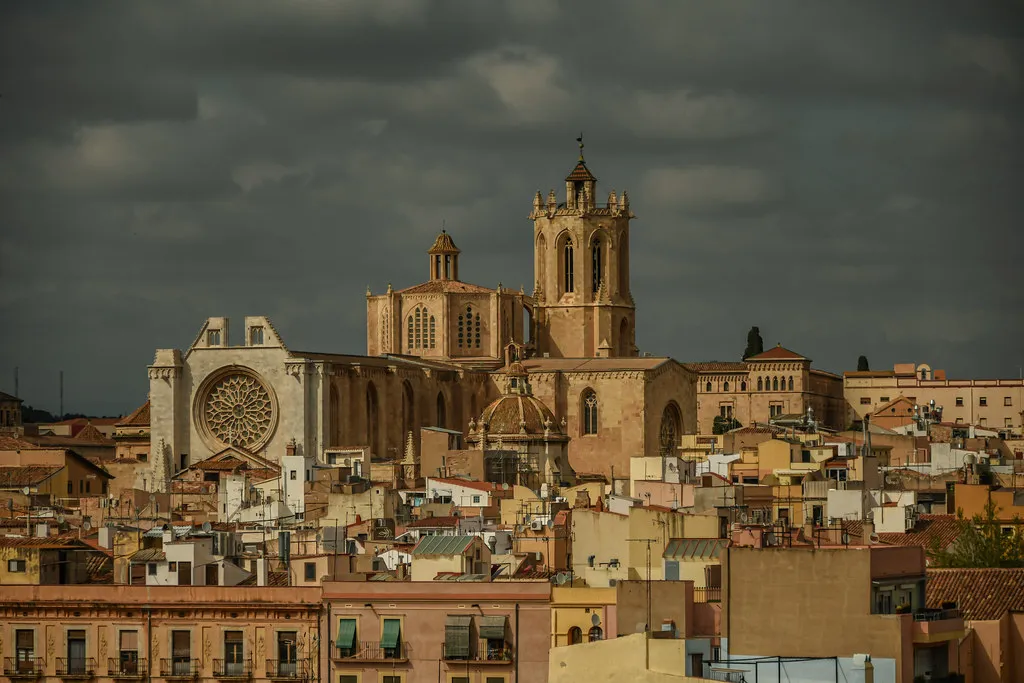
Barcelona has a classic Mediterranean climate — hot, dry summers and mild, moderately wet winters. Its position on the northeastern Iberian coast keeps extreme temperatures rare. The city averages around 300 sunny days per year, and snow in the city centre is exceptionally uncommon even in January.
One thing the bare numbers don't show: coastal humidity. In summer, temperatures of 28–30°C pair with humidity around 70–72%, which pushes the feels-like reading to 33–36°C by mid-afternoon. This is why locals eat late, stick to the shade between 13:00 and 17:00, and take every summer trip to the beach. In winter, that same humidity makes 10°C feel noticeably cooler than the same reading in an inland city like Madrid. Factor in feels-like, not just the thermometer, when packing layers.
Rainfall is moderate overall, concentrated in October and April. Summers are very dry — July averages only 20mm of rain across the whole month. The wettest months bring short, sharp downpours rather than all-day grey skies, so most rain days still have usable afternoon windows.
Barcelona Monthly Temperatures: Data at a Glance
The table below covers average daytime highs, nighttime lows, approximate sunshine hours per day, and typical monthly rainfall based on long-term climate records (1976–2026).
| Month | Daytime High | Nighttime Low | Sunshine (hrs/day) | Rainfall (mm) |
|---|---|---|---|---|
| January | 14°C / 57°F | 7°C / 45°F | 5–6 | ~37 |
| February | 15°C / 59°F | 8°C / 46°F | ~6 | ~37 |
| March | 17°C / 63°F | 10°C / 50°F | 6–7 | ~43 |
| April | 19°C / 66°F | 12°C / 54°F | ~7 | ~48 |
| May | 22°C / 72°F | 15°C / 59°F | ~8 | ~50 |
| June | 26°C / 79°F | 19°C / 66°F | ~9 | ~30 |
| July | 29°C / 84°F | 22°C / 72°F | ~10 | ~20 |
| August | 30°C / 86°F | 23°C / 73°F | 9–10 | ~35 |
| September | 27°C / 81°F | 20°C / 68°F | 7–8 | ~85 |
| October | 23°C / 73°F | 16°C / 61°F | ~6 | ~90 |
| November | 18°C / 64°F | 11°C / 52°F | 5–6 | ~60 |
| December | 14°C / 57°F | 8°C / 46°F | ~5 | ~40 |
Sea temperatures follow a similar arc: around 13°C in winter (too cold for most swimmers), rising to 22–25°C in August, and staying pleasant at 22°C well into October — which is one reason September and October are popular with swimmers who want warmth without the July crowds.
Barcelona Weather by Month: A Detailed Breakdown
January
Average: 7–14°C / 45–57°F. January is Barcelona's coldest month, though "cold" is relative — temperatures stay well above freezing and snow in the city is extremely rare. Expect 5–6 hours of sun daily, roughly 37mm of rain spread across six days. Crowds are thin and accommodation prices are at their lowest of the year.
Good for: museum days at Museu Picasso or MNAC, Gothic Quarter walks, and booking Sagrada Família with ease. The Three Kings Parade (5 January) fills Las Ramblas with elaborate floats and is worth timing your trip around if you're travelling with children.
February
Average: 8–15°C / 46–59°F. Days slowly lengthen and temperatures nudge up. Rainfall remains similar to January — around 37mm. The city is quiet outside of Carnival week (dates shift year to year; in 2026 it falls in mid-February), when costumes and music spill into the Raval and Eixample. If Carnival crowds aren't your scene, the surrounding weeks are the calmest Barcelona gets.
Good for: slow neighbourhood exploration, photography with minimal crowds, and the best deals on Airbnbs and hotels.
March
Average: 9–17°C / 48–63°F. Spring begins to show. Mornings can still be cool enough for a jacket, but afternoons warm up noticeably. Rainfall rises slightly (around 43mm), mostly in brief showers. Parks like Parc de la Ciutadella and Montjuïc start blooming. Tourist numbers are still manageable.
Good for: walking tours, cycling along the seafront, and early outdoor dining on terraces that have just reopened.
April
Average: 11–19°C / 52–66°F. Barcelona's spring is genuinely pleasant in April — warm enough for T-shirts by afternoon, light jacket by evening. April is the second-wettest month (around 48mm), so pack a compact umbrella. If Easter falls in April, expect processions around the Gothic Quarter and livelier than usual weekend energy. Sant Jordi (23 April) is unmissable: the city fills with book and rose stalls along Passeig de Gràcia in a tradition that predates Valentine's Day by centuries.
Good for: first-time visitors who want comfortable sightseeing weather, outdoor dining, and the Sant Jordi festival.
May
Average: 14–22°C / 57–72°F. May is one of the strongest months for a first visit. Temperatures are warm but not oppressive, sunshine averages 8 hours a day, and the beaches are open without July's intense heat or crowds. The sea reaches around 18°C — cool for swimming but manageable. Primavera Sound music festival (late May) draws large crowds, so book accommodation early if your dates overlap. Check top things to do in Barcelona to plan your days around the festival calendar.
Good for: beach days, outdoor concerts, and all-day sightseeing without the summer heat wall.
June
Average: 18–26°C / 64–79°F. Summer arrives properly. Evenings stay warm well after 22:00, and the city moves into beach-and-terrace mode. Rainfall drops to around 30mm. Sant Joan (23 June) is the loudest night of the year — fireworks on the beach and bonfires until dawn. It is spectacular if you lean into it, chaotic if you don't expect it. UV levels climb sharply: SPF 50 is not excessive.
Good for: beach lovers, long evening strolls along Barceloneta, and summer festival-goers.
July
Average: 21–29°C / 70–84°F. Hot, very sunny, and increasingly humid. Heatwaves push temperatures past 35°C some years. Daylight runs until nearly 21:30. Rainfall averages just 20mm — the driest month. Plan Sagrada Família and Park Güell for 09:00–10:00 to beat both the heat and the queues. The Grec Festival brings outdoor theatre and concerts at Teatre Grec on Montjuïc throughout the month.
Good for: beach holidays, nightlife, outdoor concerts. Not ideal for anyone sensitive to heat who wants to walk everywhere at midday.
August
Average: 22–30°C / 72–86°F. The hottest month. Humidity at 70–72% makes it feel closer to 33–36°C in the afternoon — considerably heavier than the headline numbers suggest. Many Barcelona residents leave for August holidays, so the city's character shifts: tourist-heavy in the popular zones, noticeably quieter in residential neighbourhoods. Festa Major de Gràcia (mid-August) transforms the Gràcia neighbourhood streets into decorated art installations and is free to wander. Stay hydrated, use the metro for midday moves, and save outdoor sightseeing for morning and evening.
Good for: beach, pool hotels, and the Gràcia festival. Not for anyone who struggles in humid heat.
September
Average: 19–27°C / 66–81°F. September is widely regarded as the best single month in Barcelona. The heat eases from the first week, the sea remains warm (21–23°C), and the tourist numbers drop noticeably after the first week. Rainfall picks up to around 85mm but usually arrives as sharp afternoon storms rather than all-day rain. La Mercè festival (around 24 September) is the city's biggest free event — human towers, fire-runners, free concerts, and castles lit with fireworks. Plan around it. See Barcelona's neighbourhoods during La Mercè to catch street performances across the city.
Good for: the single best combination of beach, sightseeing, and festival in the whole calendar.
October
Average: 15–23°C / 59–73°F. The wettest month — around 90mm across seven or eight days — but many days are still clear and sunny, and temperatures are comfortable for walking. Queues at major attractions are shorter. The Barcelona Jazz Festival runs from late October through November, with paid and free shows across the city. Bring a waterproof layer rather than a full umbrella.
Good for: cultural trips, food lovers, and anyone who wants the city at a more local pace.
November
Average: 10–18°C / 50–64°F. Cooler and quieter. Rain remains moderate at around 60mm. November is a strong month for indoor culture: MACBA, the Fundació Joan Miró, and the Museu Nacional d'Art de Catalunya see shorter queues than any other time of year. Restaurant tables are easy to book and prices on hotels drop. Evenings can feel genuinely cold, so bring a real coat.
Good for: budget travel, art museums, and immersing in a less touristy Barcelona.
December
Average: 7–14°C / 45–57°F. Mild by northern European standards — snow in the city has happened only a handful of times in modern records. Christmas markets appear on Plaça de Catalunya and around the Cathedral from late November. The city is festive and manageable up to around 23 December; the week between Christmas and New Year brings a noticeable spike in visitors. Three Kings Night (5 January) is more important to Catalans than Christmas Day itself. Book 3 days in Barcelona over the holiday period if you want the lights without the summer prices.
Good for: festive atmosphere, cultural visits, and off-peak pricing outside the Christmas week itself.
Festival Highlights Through the Year
Barcelona's events calendar is one of the richest in Europe, and weather shapes how each festival feels. Here are the key dates to know:
- 5 January — Three Kings Parade (Cavalcada de Reis): float-filled evening procession along the main boulevards. Cool, dry evening weather makes it comfortable for lining the streets.
- February, mid-month — Santa Eulàlia and Carnival: street performances, costumes, and human towers (castellers). Often the coolest outdoor event of the year — dress in warm layers under any costume.
- 23 April — Sant Jordi: book and rose stalls across the entire city. April temperatures make this one of the most pleasant outdoor days of the year.
- Late May — Primavera Sound: one of Europe's leading music festivals at Parc del Fòrum, with warm evenings that suit open-air stages perfectly.
- 23 June — Sant Joan (Midsummer): fireworks, bonfires, and all-night beach gatherings. The warmest festival night in the calendar.
- July — Grec Festival: outdoor theatre and concerts at the Teatre Grec amphitheatre on Montjuïc. July heat means evening shows are the norm — performances rarely start before 21:00.
- Mid-August — Festa Major de Gràcia: neighbourhood streets decorated competitively, free entry. Peak heat makes morning and late-evening the best window for exploring the installations.
- Around 24 September — La Mercè: the city's biggest free festival. September weather (25–27°C, lower humidity than August) makes it the most physically comfortable of the major summer-adjacent events.
- October–November — Barcelona Jazz Festival: indoor and outdoor venues. Cooler evenings, less competition for tickets, and a more local audience than the summer festivals.
Best Time to Visit Barcelona: By Activity and Preference
No single "best month" works for everyone. The right window depends on what you're coming for.
| Travel Style | Best Months | Key Reason |
|---|---|---|
| First-time visitors | May, late September | Warm (20–27°C), manageable crowds, all attractions open |
| Beach holidays | June–September | Sea 22–25°C; June has warmth with slightly fewer crowds |
| Sightseeing, no heat stress | April, October | Under 23°C; shorter queues at Sagrada Família & Park Güell |
| Budget travel | January, February, November | Hotel rates 30–50% below July; no mass closures |
| Festival-focused trips | April, May, June, September | Sant Jordi / Primavera Sound / Sant Joan / La Mercè |
| Families | May, June, late September | Warm weather, beach-ready sea, manageable heat for children |
- For first-time visitors: May or late September. Both months offer warm temperatures (20–27°C), manageable crowds, and the city's main attractions fully open. May adds the start of beach season; September adds La Mercè.
- For beach holidays: June to September. The sea reaches 22–25°C from July through September. June has the best combination of warm water, long evenings, and slightly thinner crowds than July–August.
- For sightseeing without heat stress: April or October. Both months stay under 23°C, have moderate but workable rainfall, and see substantially fewer visitors at Sagrada Família and Park Güell than the summer peak.
- For budget travel: January, February, or November. Hotel rates drop 30–50% compared to July. The city is fully functional — no mass closures — and you'll share major sights with a fraction of summer visitor numbers.
- For festival-focused trips: Sant Jordi in April, Primavera Sound in May, Sant Joan in June, or La Mercè in September are the standout events. Book accommodation 2–3 months ahead for Primavera Sound and La Mercè.
- For families: May, June, or late September hit the best balance of warm outdoor weather, beach-suitable sea temperatures, and manageable heat for children.
If you're deciding between Barcelona and another Spanish city, note that Barcelona runs 2–4°C cooler than Seville and Málaga in summer due to its coastal position and northerly latitude. Madrid in January averages several degrees colder than Barcelona and sees occasional hard frosts. For Mediterranean warmth year-round, Barcelona is one of Spain's most consistently moderate choices.
Packing Essentials by Season
Layers matter most in spring and autumn, when the gap between a morning low of 12°C and an afternoon high of 22°C is wider than most travellers expect.
- Spring (March–May): light jacket, one mid-layer, T-shirts, comfortable walking shoes, compact umbrella, sunglasses. The umbrella earns its place in April especially.
- Summer (June–August): lightweight linen or cotton clothing, swimwear, sandals, sun hat, SPF 50+ sunscreen, reusable water bottle. Add one light cardigan for late evenings or air-conditioned restaurants.
- Autumn (September–October): T-shirts plus a mid-weight jacket for evenings, one warmer sweater for October, waterproof shoes or trainers, compact umbrella. The sea stays swimmable so bring swimwear for September.
- Winter (November–February): real coat (not just a hoodie — humidity makes cold feel sharper), sweaters, scarf, waterproof shoes. Gloves and a hat are useful from December through February on windier days.
Whatever the month, comfortable walking shoes are non-negotiable. Barcelona's pavements are relentless and distances between attractions are longer than they look on a map.
Frequently Asked Questions
What is the best month to visit Barcelona for good weather?
The best months for good weather in Barcelona are May, June, September, and early October. These shoulder seasons offer pleasant temperatures and fewer crowds. You can enjoy sightseeing and outdoor activities comfortably.
What is the coldest month in Barcelona?
January is typically the coldest month in Barcelona, with average temperatures ranging from 6–13°C / 43–55°F. While cool, heavy snow is rare, and many days still offer sunshine for exploration. Pack warm layers for evenings.
What is the hottest month in Barcelona?
August is the hottest month in Barcelona, with average temperatures between 22–30°C / 72–86°F. It can feel very warm, especially with humidity. This is ideal for beach lovers, but plan indoor activities during the midday heat.
Does it rain a lot in Barcelona?
Barcelona does not experience excessive rainfall, but it has distinct wet periods. October is typically the wettest month, followed by April and November. Summers are generally very dry. Always check the forecast before your trip.
Understanding Barcelona weather by month empowers you to plan a trip that perfectly matches your desires. Whether you seek vibrant summer festivals or serene winter exploration, Barcelona offers a unique experience. The shoulder seasons, especially May and September, provide the ideal balance of pleasant weather and manageable crowds. Always check the Barcelona weather forecast closer to your travel dates for the most accurate information. With this guide, you are well-equipped to choose your best time to visit and enjoy all the beauty Barcelona has to offer.
You might also like


Continue reading
More guides you'll find useful


