Tarragona Day Trip From Barcelona Travel Guide
Plan a Tarragona day trip from Barcelona with top picks, neighborhood context, timing tips, and practical booking advice for a smoother trip.
On this page
Tarragona Day Trip From Barcelona
Tarragona is the easiest great day trip you can make from Barcelona. The city sits on the Mediterranean coast roughly 100km south-west of Barcelona, and it packs Roman ruins, a medieval cathedral, a working fishing harbour, and proper beaches into a compact, walkable old town. In 2000, UNESCO inscribed the Archaeological Ensemble of Tarraco as a World Heritage Site — one of the best-preserved Roman provincial capitals in the western Mediterranean.
The city is genuinely under-visited relative to how good it is. You get all the Roman grandeur of a major Imperial city, none of the queues you face in Rome, and a seafood lunch that costs a fraction of what you'd pay in Barcelona. A single full day is enough to see the highlights at a relaxed pace.
Plan with trusted sources: cross-check opening hours and seasonal details with the official Barcelona tourism board, and read more about the city on its Wikipedia entry before you go.
Getting to Tarragona from Barcelona
Train is by far the best way to get here. The important detail most guides gloss over is that Tarragona has two separate train stations, and choosing the wrong one adds 20 minutes and a bus connection to your day.
Tarragona station (city centre) is served by Rodalies R16 and Media Distancia trains from Barcelona Sants and Barcelona Passeig de Gràcia. Journey time is 1 hour to 1 hour 15 minutes. These trains run every 30–60 minutes, tickets are cheap (around €8–10 one way), and you can buy them at the station on the day. The station drops you right in the city centre, a 10-minute walk from the amphitheatre.
Camp de Tarragona station is served by high-speed AVLO and AVE trains from Barcelona Sants only. Journey time is 30–35 minutes, but the station is located 7km outside the city. From there, you need a connecting bus (around 15 minutes, €1.85) or taxi to reach the centre. Tickets must be booked in advance at Renfe.com and cost significantly more. For a day trip where you want a relaxed start, the local train from Barcelona to Tarragona city station is almost always the better choice.
| Option | Train type | Journey time | Approx. cost | Booking | Station drop-off |
|---|---|---|---|---|---|
| Rodalies R16 / Media Distancia | Local / Regional | 1h – 1h 15m | €8–10 one way | Buy at station on the day | City centre (10 min walk to amphitheatre) |
| AVLO / AVE high-speed | High-speed | 30–35 min | Higher (varies) | Must book in advance at Renfe.com | Camp de Tarragona, 7km outside city — bus/taxi needed |
Aim to catch the 08:00–09:00 departure from Barcelona to arrive before the sites get busy. The last return trains from Tarragona station run until around 22:30, so there is no need to rush your evening.
Must-See Tarragona Attractions
Tarragona's Roman heritage is the main draw, and the sites are tightly clustered. The Roman Amphitheatre is the most visually dramatic — it sits directly on the seafront, so the backdrop of blue Mediterranean behind the crumbling stone tiers is unlike almost any other Roman site in the world. Built in the 2nd century AD, it held around 14,000 spectators. Entry is around €4.
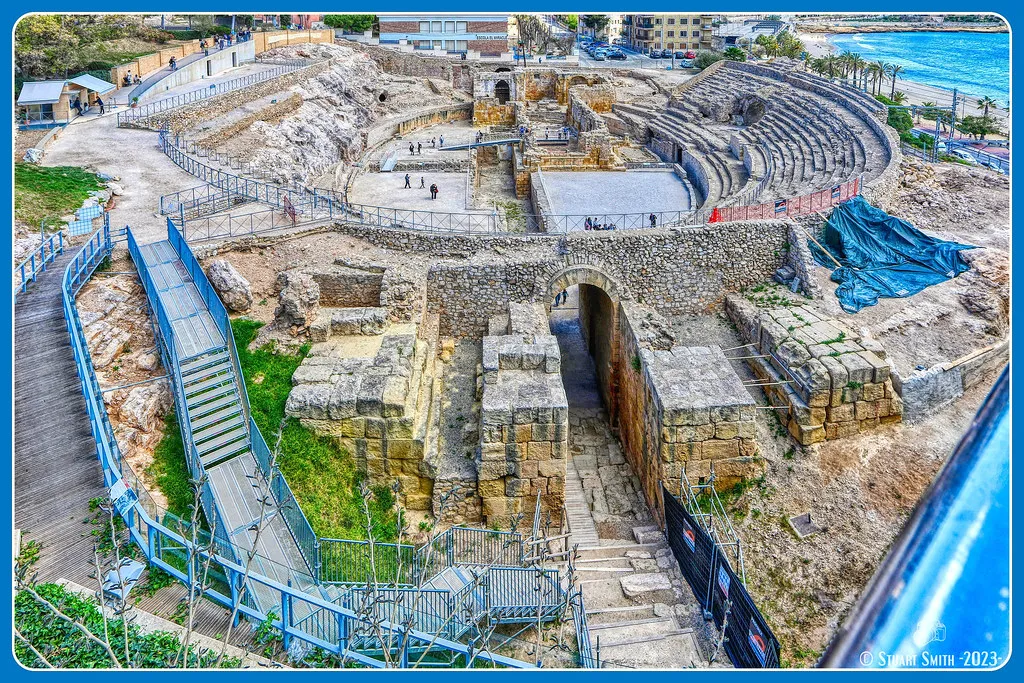
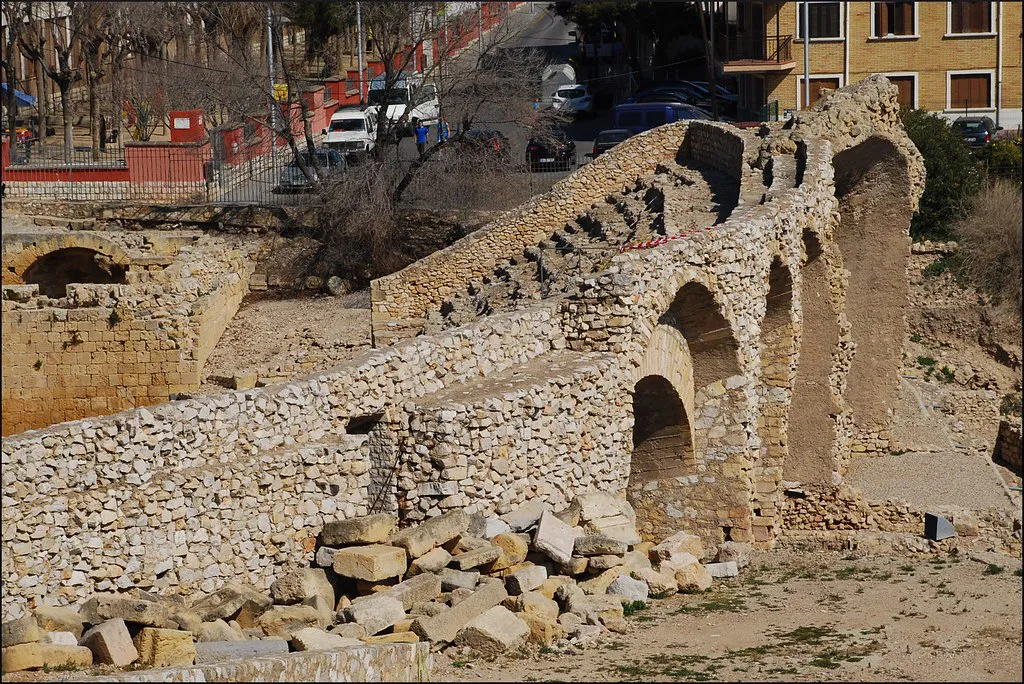
Walk uphill into the Part Alta neighbourhood and you reach the Roman Circus, where chariot races once ran along a 300-metre track. Much of the underground structure, including vaulted tunnels and gateways, survives intact. The roof terrace above the circus gives sweeping views over the city towards the cathedral — use the elevator rather than the stairs to save your legs. Entry is included in the combination ticket (see budget section below).
The Tarragona Cathedral dominates the highest point of the old town, where a Roman temple to Jupiter once stood. The building blends Romanesque and early Gothic, with a cloister garden that is genuinely one of the most beautiful in Spain — a quiet, fountain-filled square enclosed by stone arcades. Book a Tarragona Cathedral Entry Ticket in advance to skip the ticket queue; admission is around €10. The bell tower climb is worth it for the panoramic views over the city rooftops.
The Roman Walls (Passeig Arqueològic) ring the old town and are among the best-preserved Augustan-era fortifications in the western Mediterranean. You can walk a section of the walls above street level, with views over the modern city on one side and the ancient citadel on the other. Allow 45 minutes.
A One-Day Tarragona Itinerary
This order works well because it catches the Roman Amphitheatre early before tour groups arrive, uses the natural uphill walk through the old town to reach the cathedral at midday, and frees up the afternoon for beach or harbour time before a sunset finish at the Roman Circus.
Morning (09:00–13:00): Start at the Balcó del Mediterrani at the seaward end of Rambla Nova. This curved balcony over the coast is the classic orientation point for the city. Locals say touching the iron railing ('tocar ferro') brings good luck. From here, head directly to the Roman Amphitheatre, which opens at 09:30. Spend an hour there, then walk up through the old town alleys to the Roman Walls (Passeig Arqueològic), which open at the same time. A combined ticket covering the Amphitheatre, Roman Circus, and Passeig Arqueològic costs around €7 and is worth buying at the first site you visit.
Late morning (11:30–13:30): Walk to the Cathedral. Calle Major leads uphill from the centre directly to the cathedral square and is a pleasant street to browse. After the cathedral, the Roman Circus is just a few minutes' walk downhill.
Afternoon (13:30–18:00): Lunch near Plaça del Rei, then choose between a beach afternoon at Platja del Miracle (a 15-minute walk from the centre) or a stroll to the El Serrallo harbour district, 2km south-west along the seafront promenade (Passeig Marítim Rafael Casanova).
Evening (18:00 onwards): Return to the Roman Circus for the sunset from the roof terrace — golden hour views over the cathedral and city rooftops are spectacular. End the day with dinner in El Serrallo or the old town before catching a return train from Tarragona station.
Indulge in Local Cuisine for Lunch
Tarragona's food is one of the best reasons to visit. The coastal location means seafood is fresh and central, and the city has a serious local food culture untouched by the tourist inflation you find in Barcelona. Lunch is the main meal of the day here — plan for a proper sit-down rather than a quick bite.
El Llagut (Carrer de Natzaret, 10) is widely recommended — a small tavern in Plaça del Rei serving seafood and rice dishes alongside wines from the Priorat and Montsant regions nearby. Order the masqueta (a local rice dish with romesco peppers and clams) if it's on the daily menu. Arcs Restaurant (Carrer de Misser Sitges, 13) is another excellent option for modern Mediterranean food in a beautiful stone-vaulted room.
For a budget-friendly alternative, visit the Mercat Central de Tarragona on Plaça Corsini. This market is not touristy — it is a real working market where locals shop and small stalls cook to order. Several seafood stands will grill squid or octopus fresh while you wait. A full lunch here costs well under €15 per person.
If you want the full menú del día experience, most restaurants around Plaça de la Font offer a three-course lunch with a drink for €12–15. This is the most affordable way to eat well. Try the local romesco sauce — a thick, nutty red pepper and almond paste that is one of Catalonia's great culinary contributions — served alongside grilled fish or calçots.
Afternoon: Beach or El Serrallo Harbour
After lunch, you face a pleasant choice between two very different afternoons. The two options are not far apart and a fit traveller could do both, but most visitors pick one or build their evening around their choice.
Beach afternoon: Tarragona has 15km of coastline and several beaches within easy reach of the centre. Platja del Miracle is the closest urban beach, a 15-minute walk from the amphitheatre and perfectly swimmable from May through September. Platja Arrabassada, 3km north of centre, is quieter and has softer sand. Savinosa Beach, beyond Arrabassada, is partially nudist-friendly and less visited. If the weather is good, a couple of hours here before the evening session in the city is an excellent way to pace the day. You can find more beaches near Barcelona if you want to compare coastal options along this stretch of coast.
El Serrallo harbour district: This working fishing port is about 2km from the old town, reached most pleasantly on foot along the seafront Passeig Marítim Rafael Casanova. The walk itself takes about 25 minutes and gives you views over the Med and the sandy beaches as you go. El Serrallo is genuinely a working port — fishing boats unload alongside luxury yachts, and the atmosphere is authentic rather than staged. The pastel-coloured buildings around the marina house some of the city's best seafood restaurants, including El Posit, which is known for fried anchovies, cod fritters, and monkfish stew with romesco sauce.
If you want both, do the beach first (closer), then walk or take the local bus to El Serrallo for early evening drinks and dinner.
Coffee + Balcó del Mediterrani
The Rambla Nova, Tarragona's main boulevard, is the right place to start the day. The street is lined with cafes and runs 400 metres from the city centre to the Balcó del Mediterrani at its seaward end. Sil Café is the classic local morning spot — order a café con leche or a cortado and take a table outside before the street fills up.
The Balcó del Mediterrani itself is a curved stone balcony at the cliff edge, looking directly south over the Mediterranean. The view takes in the string of golden beaches below, the Roman Amphitheatre to the left, and the port of El Serrallo in the distance. It is genuinely one of the better urban viewpoints on the Spanish coast, and it costs nothing to stand there.
The iron railing ritual ('tocar ferro') is real — you will see locals touch the railing as they pass. It is a small, genuine local custom worth observing. The balcony is also the best place in the city to photograph the amphitheatre from above without paying an entrance fee.
Tarragona Day Trips
If you spend more than one day in the area, Tarragona makes an excellent base for exploring inland Catalonia. The Priorat wine region, an hour's drive west, produces some of Spain's most serious red wines in dramatically steep mountainside vineyards. A guided Priorat wine tour from Tarragona includes winery visits, tastings, and a local lunch — this is not a generic bus tour but a small-group specialist experience through genuinely spectacular scenery.
The village of Siurana, perched on a cliff edge in the Montsant mountains, is another worthwhile excursion. The village itself takes an hour to walk around, but the surrounding rock-climbing terrain and canyon views justify a longer half-day. Montblanc, a walled medieval town 40km inland, is particularly well-preserved and can be combined with Siurana in a single day.
The Pont del Diable (Ferreres Aqueduct) is reachable from Tarragona by bus — take EMT Tarragona Bus Number 5 from Plaça Imperial Tàrraco. The ride takes 15–20 minutes and runs frequently. Plan at least an hour at the aqueduct to walk beneath it and along the Roman path. This is worth adding to a half-day if you find yourself with spare time after the city sites. Some tours also combine Tarragona with other day trips from Barcelona including Sitges.
Museums, Art, and Culture in Tarragona
The National Archaeological Museum of Tarragona (MNAT) is the best place to understand what you are looking at across all the Roman sites. The collection is extensive — Roman mosaics, sculptures, funerary monuments, and everyday domestic objects from ancient Tarraco. If you have a particular interest in Roman archaeology, allocate an hour here before tackling the outdoor sites. It is located on Plaça del Rei, right next to the Roman Circus.
The Diocesan Museum within the cathedral complex covers the region's medieval religious history with tapestries, altarpieces, and liturgical gold work. It is compact and takes about 30 minutes. The cathedral entry ticket covers access to the museum.
Tarragona also has an active street art scene. The city supports the 'Murs que Parlen' (walls that speak) project, placing murals throughout the city on public surfaces. The most impressive mural is at Plaça dels Sedassos — a large-scale 1990s work by Carles Arola depicting late 19th-century daily life. Carrer del Comte and the surrounding streets continue the trail.
Family-Friendly and Budget-Friendly Options
The combination ticket covering the Roman Amphitheatre, Roman Circus, and Passeig Arqueològic (Roman Walls) costs around €7 per adult and represents the best value in the city. Children under a certain age (typically 16 with an EU student card) often get reduced rates or free entry. Buy it at whichever site you visit first.
The Balcó del Mediterrani, the Roman Walls exterior, and Platja del Miracle are all free. A self-guided morning through the old town following the Roman ruins costs almost nothing beyond the combination ticket. Pack a lunch from the Mercat Central to avoid restaurant prices entirely, or use the €12–15 menú del día at a local restaurant on Plaça de la Font as your only real expense of the day.
Families with children tend to find the Roman Circus particularly engaging — the underground tunnels and vaulted passages that once served as the circus underbelly are the kind of atmospheric spaces that hold attention in a way that open-air ruins often don't. The Torre del Pretori (Praetorium Tower), which connects directly to the Roman Circus and is included in the combined ticket, has narrow medieval staircases leading to panoramic views from the top. Consider booking a Tarragona: Self-Guided Highlights Scavenger Hunt & Tour for families — it turns the city into an interactive puzzle and works well with children aged 8 and up.
How Much Time Do I Need in Tarragona?
A full day — arriving by 10:00 and leaving after 20:00 — is the right amount of time to see the main Roman sites, the cathedral, eat a proper lunch, and spend an afternoon at the beach or harbour. This is roughly 6–8 hours of sightseeing at a comfortable pace. Plan for at least this if you are coming specifically to see the Roman heritage.
A half-day (arriving at 09:30, leaving by 14:00) is just enough for the Roman Amphitheatre, the cathedral, and a quick lunch. It feels rushed and you will skip the Roman Circus, El Serrallo, and the beach. Only consider this if Tarragona is a secondary stop on a day that also includes another destination.
An overnight stay lets you see the Pont del Diable aqueduct, explore the Priorat wine region, and pace the city sites over two mornings without the pressure of a return train. B&B Hotel Tarragona is a good-value central option, and AC Marriott Tarragona is close to the beach and old town. If Tarragona captures you more than expected, you can always find more ideas for extending your time in the region.
How to Plan a Smooth Tarragona Day
Book your return train from Tarragona station (not Camp de Tarragona) the evening before. Local Rodalies and Media Distancia trains do not require advance booking, but checking the schedule means you are not rushing at the end of the day. The last trains back to Barcelona run until around 22:30.
Wear flat, comfortable shoes — the old town is cobbled and the walk from the centre to El Serrallo along the promenade is 30 minutes each way. Bring a light layer even in summer; evenings on the coast cool down quickly once the sun drops. The Roman sites offer little shade, so mornings are considerably more comfortable in July and August than midday. Start early if you are visiting between June and September.
Book cathedral tickets online in advance — the queue at the door is real and takes 20–30 minutes during peak season. A Tarragona Roman Heritage Guided Walking Tour covers the main ruins in about two hours with expert commentary and is worth considering if it's your first visit. For the most flexibility on pacing and stops, a Tarragona: Private Sightseeing Tour from Barcelona handles transport and lets you customise the itinerary.
Frequently Asked Questions
How much time do I need in Tarragona?
You need a full day for a comprehensive Tarragona day trip from Barcelona. This allows you to explore major Roman sites like the Amphitheatre and Cathedral. It also leaves time for a local lunch and a stroll through the charming old town. Plan for at least 6-8 hours of dedicated sightseeing.
Is one day enough in Tarragona?
Yes, one day is sufficient to see the main attractions of Tarragona from Barcelona. You can cover the Roman Amphitheatre, Circus, and Cathedral. However, a single day means a brisk pace, so prioritize your must-see sites. An overnight stay offers a more relaxed exploration.
Which Tarragona day trip from Barcelona options fit first-time visitors?
First-time visitors to Tarragona from Barcelona should consider a guided group tour. These tours typically cover all the essential Roman heritage sites. They also provide convenient transport and expert commentary. A guided tour can simplify logistics for a stress-free experience.
What should travelers avoid when planning Tarragona day trip from Barcelona?
Travelers should avoid over-scheduling their Tarragona day trip with too many activities. Trying to cram everything in can lead to a rushed and less enjoyable experience. Also, avoid visiting during peak midday heat in summer without proper hydration. Always check attraction opening times in advance.
A Tarragona day trip from Barcelona offers a captivating journey into ancient history and vibrant Catalan culture. From the majestic Roman Amphitheatre to the serene Tarragona Cathedral, the city provides a wealth of experiences. Planning your visit ensures you make the most of every moment. Embrace the rich heritage and coastal charm.
Whether you choose a guided tour or explore independently, Tarragona promises unforgettable memories. The city's blend of historical grandeur and modern life is truly unique. Enjoy the local cuisine and breathtaking Mediterranean views. This day trip is a perfect addition to any Barcelona itinerary.
Prepare to be enchanted by Tarragona's archaeological wonders and inviting atmosphere. Your journey to this UNESCO World Heritage site will undoubtedly be a highlight of your Spanish adventure. Begin planning your exciting Tarragona day trip today. You can find more travel inspiration for Spain on our blog.
You might also like


Continue reading
More guides you'll find useful