
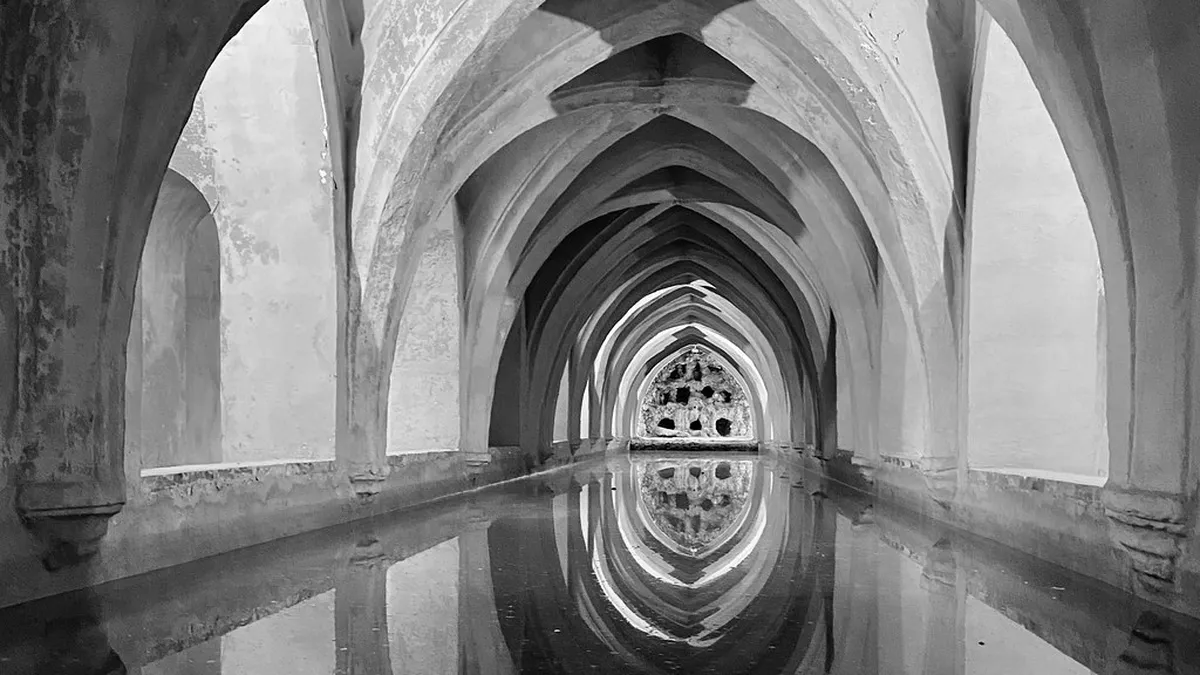
Royal Alcázar of Seville
A breathtaking royal palace of Mudéjar courtyards and gardens, a UNESCO site and Game of Thrones location.
Visitor guide →
Plan your visit to Seville's must-see attractions in 2026: the Alcázar, Cathedral, Plaza de España and more, with smart routes, ticket tips and visiting hours.
Seville packs an extraordinary density of landmark sights into a compact, walkable old town — Mudéjar palaces, the world's largest Gothic cathedral and a tiled plaza that doubles as a film set, all within a short stroll of one another. What sets these monuments apart is the layering of Moorish, royal and Andalusian history you can see in a single afternoon, often from a rooftop or bell-tower viewpoint.
This guide is for first-time visitors who want to focus on the sights themselves: which monuments are unmissable, when to go, how to see the most in a day, and how to move between them efficiently. Each attraction below links to a full visitor guide with verified opening hours and current ticket prices.
A breathtaking royal palace of Mudéjar courtyards and gardens, a UNESCO site and Game of Thrones location.
Visitor guide →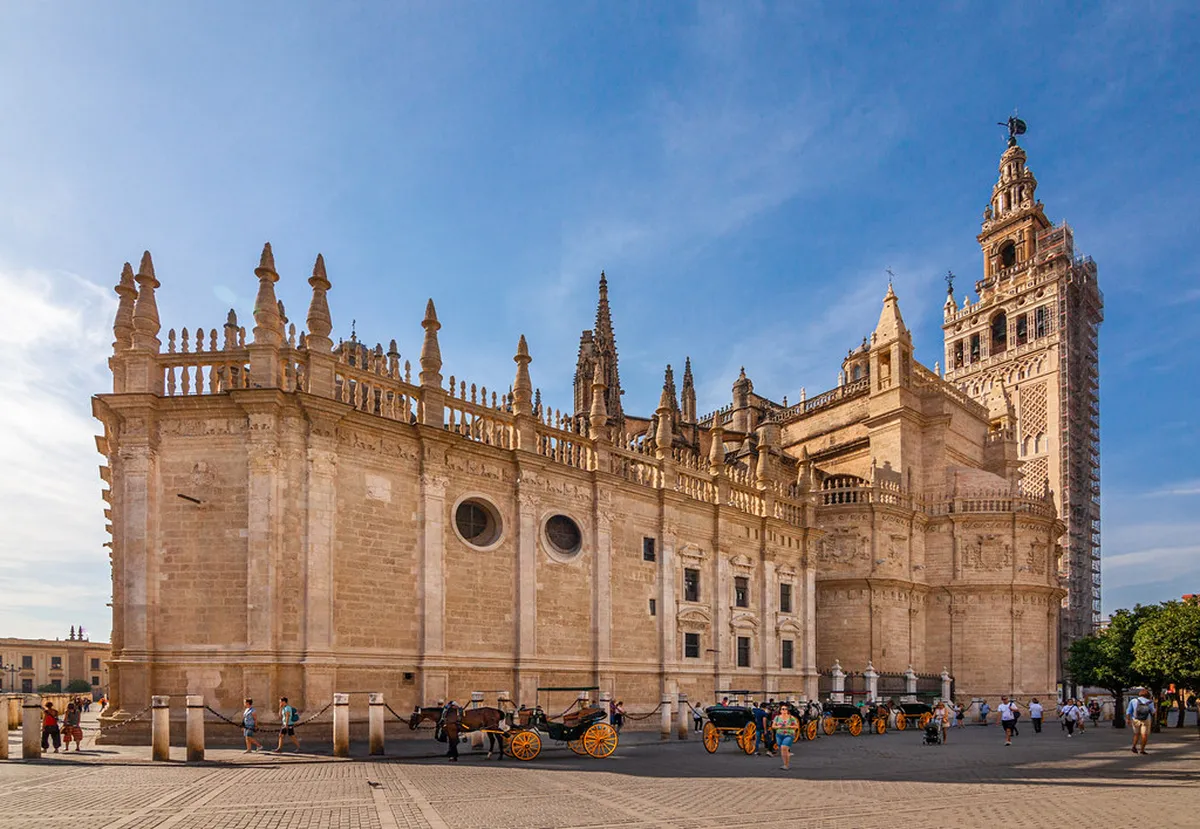
The world's largest Gothic cathedral, with Columbus's tomb and the climbable Giralda bell tower.
Visitor guide →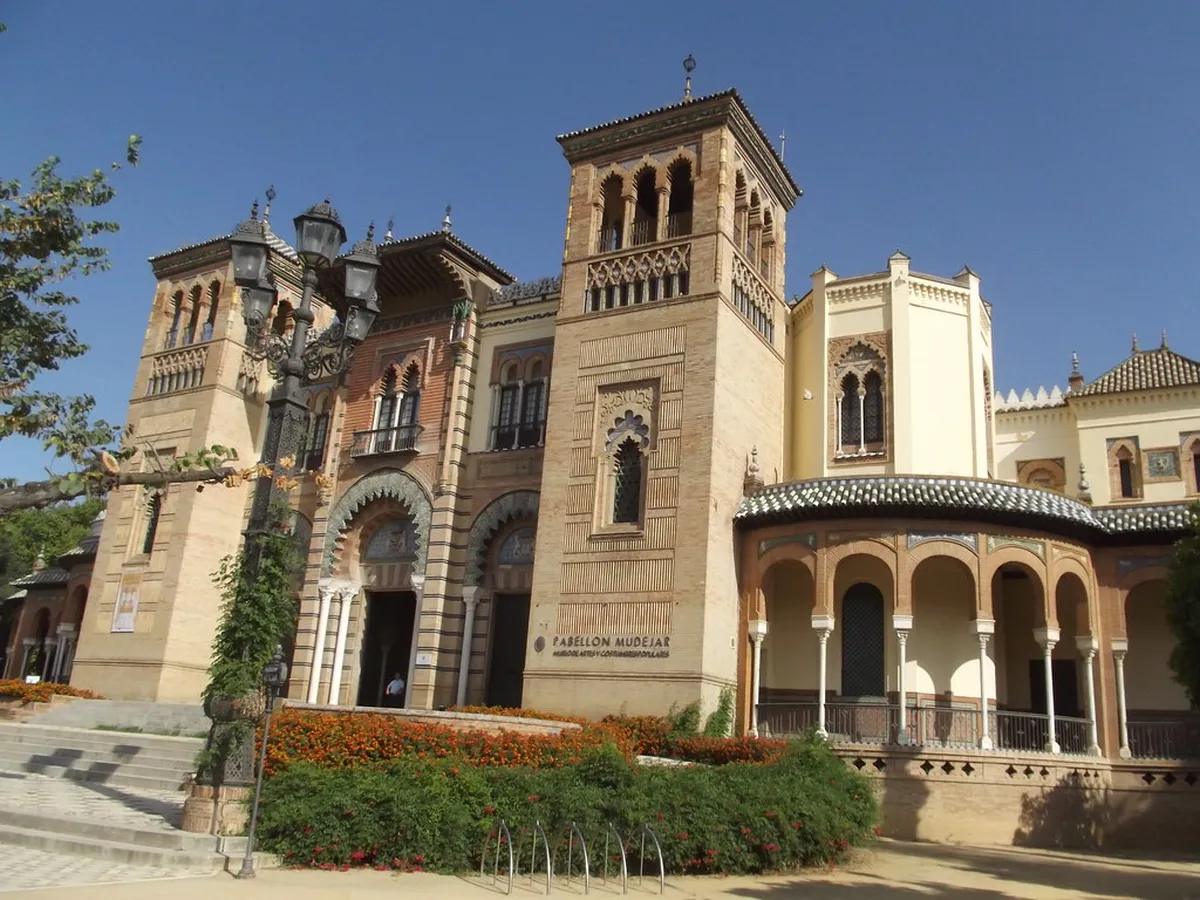
A monumental semicircular plaza of tiled alcoves and canals in María Luisa Park.
Visitor guide →
The world's largest wooden structure, with a panoramic rooftop walkway over the old town.
Visitor guide →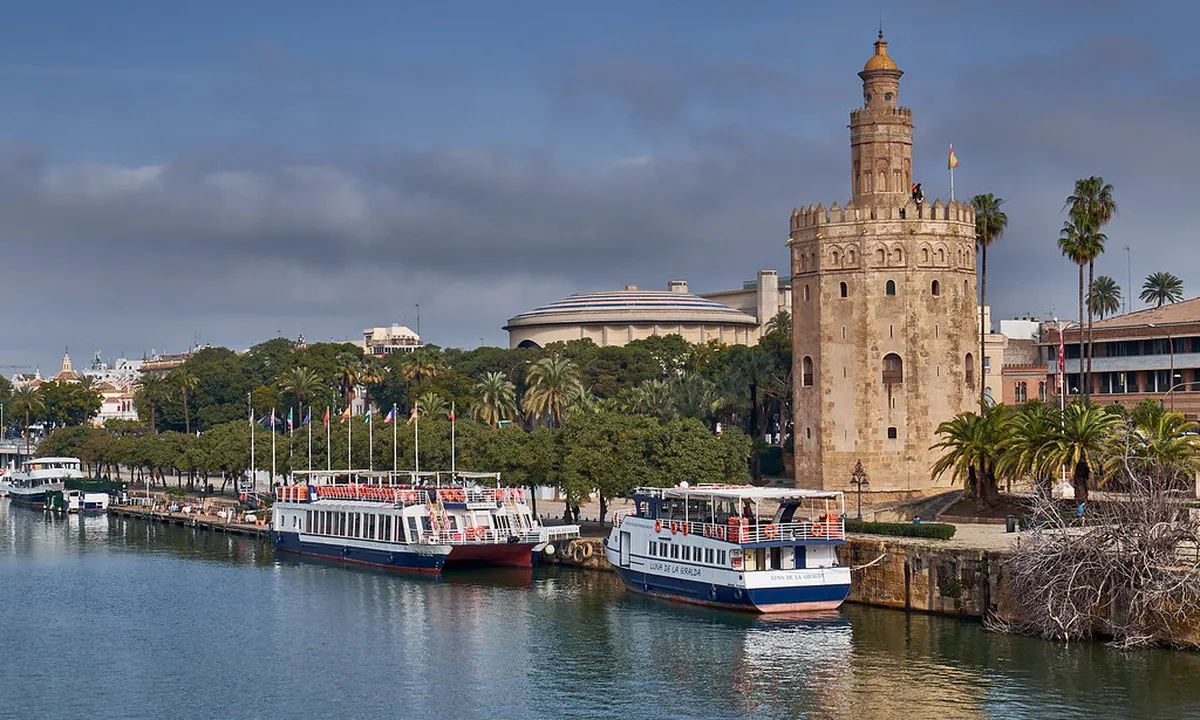
A 13th-century Moorish watchtower on the Guadalquivir, housing a small naval museum.
Visitor guide →Seville has no single all-in tourist pass that covers every major monument, so the smart move is to buy timed-entry tickets directly for each sight you most want to see — above all the Royal Alcázar and Seville Cathedral, which both sell out their best slots days ahead in peak season. Combined Cathedral and Giralda tickets, and bundled cathedral-complex tickets, do exist and are worth comparing on the official sites. Several sights also release a limited number of free-entry slots each week (see the FAQs below), and the rooftop walkway at the Setas de Sevilla (Metropol Parasol) is far cheaper than the headline palaces. If you want to balance paid sights with no-cost ones, browse our roundup of free things to do in Seville to pad out your days without padding the budget.
Aim to be at the gates of the Alcázar or Cathedral at opening, before tour groups and the midday heat arrive — the first hour is the quietest, coolest and best for photos in the courtyards and gardens. Late afternoon works well for the open-air sights like Plaza de España, Torre del Oro and the Metropol Parasol rooftop, where the low golden light flatters the tilework and the river. Spring and autumn are the sweet spot for sightseeing; July and August bring fierce heat that makes outdoor monuments punishing by midday. Our best time to visit Seville guide breaks the seasons down month by month.
Cluster your visits by geography rather than zig-zagging. Start in the historic core with the Cathedral and La Giralda, then walk five minutes to the Royal Alcázar next door — booking the Alcázar for late morning after the Cathedral works well. From there it's a short walk south to the Torre del Oro on the riverfront, then onward to Plaza de España and María Luisa Park. Save the Setas de Sevilla (Metropol Parasol) for the end of the day, when its rooftop frames the sunset over the old town. Two or three major sights per day is a realistic pace; the full things to do in Seville guide and our Seville 3-day itinerary show how to thread them together over a longer stay.
The good news for sightseers: nearly all of Seville's headline attractions sit within the walkable old town, and you can link the Cathedral, Alcázar, Torre del Oro, Plaza de España and the Metropol Parasol almost entirely on foot in comfortable shoes. The single tram and metro line are handy for longer hops or tired feet, but you rarely need them for the core monuments. Build in shade and water breaks rather than relying on transport, and keep an eye on each sight's last-admission time so a slow lunch doesn't cost you a ticket window.
The Royal Alcázar of Seville and Seville Cathedral with La Giralda are the two unmissable sights. The Alcázar is a UNESCO-listed royal palace of Mudéjar courtyards and gardens, while the Cathedral is the world's largest Gothic cathedral, home to Columbus's tomb and the climbable Giralda bell tower. Most first-time visitors prioritise both, then add Plaza de España, the Torre del Oro and the Setas de Sevilla (Metropol Parasol).
Some can be visited free at limited times. The Royal Alcázar offers free entry during its final time slot on Monday afternoons, and Seville Cathedral releases a small batch of free Sunday-afternoon tickets each week. Both require advance online booking, have strictly limited capacity and fill quickly, so check the official site for the current slot. Plaza de España and the exterior of the Torre del Oro are free to wander any time.
Seville has no single pass that covers all its major monuments, so a city pass is rarely the best value if you only plan to see the headline sights. For most visitors, buying timed tickets directly for the Alcázar and Cathedral — and using any combined Cathedral and Giralda ticket — works out cheaper and gives you guaranteed entry times. Compare options on each attraction's official site before buying a bundled pass.
Two to three major sights per day is a comfortable, realistic pace. A common one-day plan pairs the Cathedral and La Giralda with the neighbouring Royal Alcázar in the morning, then Plaza de España and the Metropol Parasol rooftop in the afternoon. Trying to sprint through all five headline monuments in a single day usually means rushed visits, missed last-admission windows and queue stress, especially in summer.
Yes for the Royal Alcázar and Seville Cathedral, where on-the-day queues are long and the best time slots sell out in advance, especially in spring and autumn. Booking a timed-entry ticket online ahead of your visit is the single biggest time-saver. Open-air sights like Plaza de España and the Torre del Oro exterior need no ticket, and the Setas de Sevilla rooftop rarely has long waits.
Cluster them by location to save time. Start in the historic core with the Cathedral and La Giralda, then walk five minutes to the adjacent Royal Alcázar. From there head to the riverside Torre del Oro, on to Plaza de España and María Luisa Park, and finish at the Setas de Sevilla (Metropol Parasol) rooftop for sunset over the old town. Almost the entire route is walkable.


