How Many Days In Barcelona: Your Ultimate 3-Day Guide
Plan how many days in Barcelona with top picks, neighborhood context, timing tips, and practical booking advice for a smoother trip.
On this page
How Many Days In Barcelona: Plan Your Perfect Trip
The honest answer is four days. That is long enough to see every major landmark without rushing, squeeze in a proper beach afternoon, and still eat dinner at 21:00 like the locals do. If you only have three days you will be fine — just pre-book everything. Two days is possible but brutal. Five or more days unlocks day trips and a slower pace that genuinely changes how the city feels.
Below you will find a breakdown for every trip length, a day-by-day 3-day itinerary, practical tips on getting around, and the key factors that should actually influence your decision. Skip to whichever section fits your situation.
Plan with trusted sources: cross-check opening hours and seasonal details with the official Barcelona tourism board, and read more about the city on its Wikipedia entry before you go.
How Many Days in Barcelona Do You Really Need?
Four days is the sweet spot for most visitors. You can cover Sagrada Família, Park Güell, Passeig de Gràcia, the Gothic Quarter, Montjuïc, and Barceloneta Beach without feeling like you are sprinting between metro stops. There is still room for a leisurely lunch, a rooftop drink at sunset, and the kind of aimless wandering that reveals the city's best corners.
Three days works well if your time is tight and you are willing to pre-book every timed-entry ticket in advance. You will miss some things — the Picasso Museum, a proper afternoon at the beach, the Gràcia neighbourhood — but you will leave with the essential Barcelona experience intact.
Two days is the minimum for covering the highlights. Expect very full days and accept that you are getting a taste rather than the full meal. Five days or more suits slow travellers, repeat visitors, and anyone who wants day trips into Catalonia.
| Days | Best for | Key sights covered | What you miss |
|---|---|---|---|
| 2 | Tight schedules, stopovers | Sagrada Família, Park Güell, Gothic Quarter, La Rambla | Beach, Montjuïc, most neighbourhoods |
| 3 | First-timers, short breaks | Above + Casa Batlló or Casa Milà, El Born, Montjuïc | Picasso Museum, Gràcia, day trips |
| 4 | Most visitors (recommended) | All highlights + Barceloneta Beach, Bunkers del Carmel, Gràcia | Day trips outside the city |
| 5–7 | Slow travellers, repeat visitors | Everything above + Girona, Montserrat, Costa Brava, Camp Nou | Nothing essential |
How Many Days in Barcelona for a First Trip to Spain: 3 to 4 Days
If this is your first time in Spain, give Barcelona three to four days. The city rewards curiosity — there are layers of Roman ruins beneath Gothic streets, Modernisme facades hiding extraordinary interiors, and a food culture that runs from the cheapest market stall to some of Europe's most creative restaurants. You need time to let it breathe.
Three days covers the non-negotiables: at least one Gaudí building up close, a slow walk through the Gothic Quarter, a morning at La Boqueria, and a sunset from somewhere high. Four days adds a proper beach afternoon, Park Güell at the time slot of your choice, and an evening in a neighbourhood that feels like locals actually live there — Gràcia, El Born, or Sant Antoni.
If you are combining Barcelona with Madrid, Seville, or other Spanish cities, four days in Barcelona and three days elsewhere is a well-tested formula for a two-week Spain itinerary. Do not cut Barcelona short to spend more time in transit.
How Many Days in Barcelona Just to See the Highlights: 2 Days
Two days is achievable but it requires a ruthless plan. You will need to book Sagrada Família and Park Güell for the earliest available slots — ideally 09:00 and 11:00 respectively — and accept that you will not linger. La Rambla, the Gothic Quarter, Casa Batlló from the outside, and a quick tapas dinner in El Born rounds out Day 1. Day 2 gets you Park Güell, Casa Milà, and Barceloneta Beach in the late afternoon.
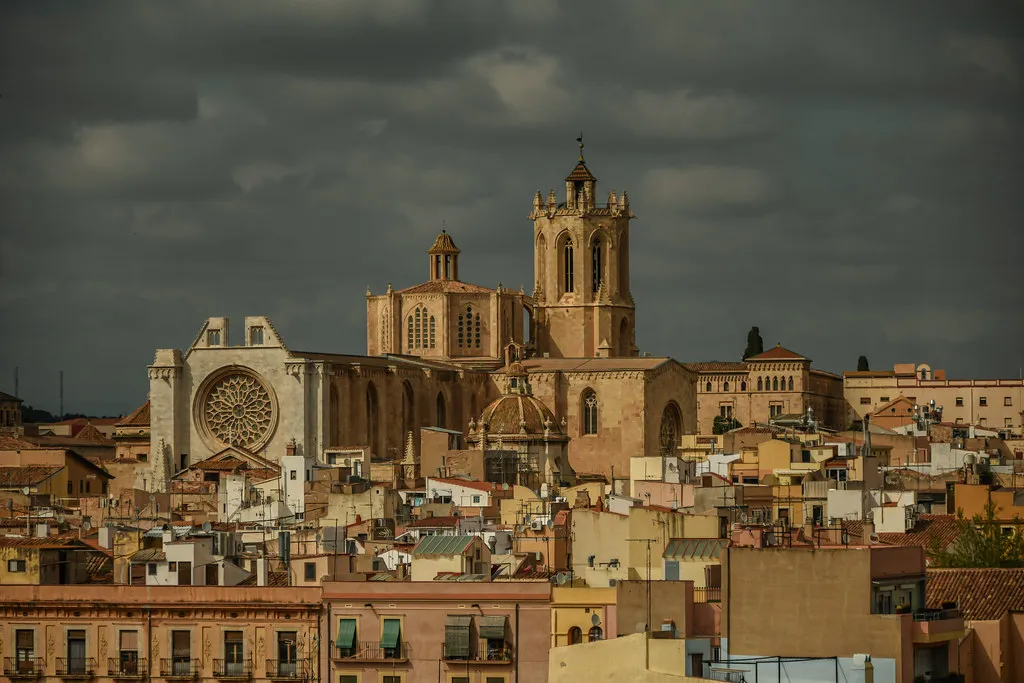
The main risk with two days is ticket logistics. Sagrada Família sells out weeks in advance for preferred morning slots. If you cannot get early tickets you will spend a chunk of your first morning in a queue. Book everything the moment you know your travel dates — two days leaves zero margin for plan B.
Two days also means you will miss most of the city beyond the tourist circuit. That is fine if you know going in. What you will see is genuinely world-class and absolutely worth two rushed days.
How Many Days in Barcelona for the Budget Traveller: 2 to 3 Days
Barcelona is mid-range by European standards, but costs add up quickly. A single Sagrada Família ticket runs €26–€36 in 2026. Casa Batlló starts at around €35. Park Güell's Monumental Zone is €10. Add a couple of meals, a metro T-casual card (€11.35 for 10 journeys), and accommodation in a central neighbourhood and you are looking at €120–€160 per day without trying hard.
Two to three days keeps the big attraction spend manageable. Prioritise the one Gaudí building that matters most to you — most people choose Sagrada Família — and use the free or cheap alternatives for the rest. Park Güell's gardens and viewpoints outside the Monumental Zone are free. The Gothic Quarter and El Born cost nothing to wander. The Bunkers del Carmel sunset viewpoint (covered in a section below) is entirely free and arguably the best view in the city.
Budget accommodation is easier to find in Eixample or near Passeig de Gràcia than in the Gothic Quarter. If you are watching costs, two solid days with one paid attraction per day is more enjoyable than three rushed days trying to tick every box.
How Many Days in Barcelona for the Slow Traveller: 5 to 7 Days
Five to seven days in Barcelona is never wasted. The city has a second and third layer that most tourists never reach: the Palau de la Música Catalana's concert hall interior, the Gràcia neighbourhood's village squares, the Parc de la Ciutadella on a Sunday morning when locals bring their families. The Picasso Museum alone can take a full relaxed morning.
A week also makes day trips viable without stress. Girona is 40 minutes by high-speed train and one of the most photographed medieval cities in Spain. Montserrat takes a half day by train and rack railway from Plaça Espanya. The Costa Brava — hidden coves, turquoise water, tiny fishing villages — needs a full day and ideally a rental car.
Slow travellers who want to sit in Barceloneta Beach with a book, catch a FC Barcelona match at Camp Nou, or take a cooking class in the Eixample will find that a week disappears naturally. The city does not run out of things to do; it rewards patience.
3-Day Barcelona Itinerary: A Local's Guide
Three days is the most common trip length, so here is a tested day-by-day plan. It groups sights by neighbourhood to cut transit time and builds in breathing space at each stop. Pre-book every timed entry before you travel.
Day 1: Passeig de Gràcia, Gothic Quarter and El Born
Start at the top of Passeig de Gràcia and walk south. The Illa de la Discòrdia — the block containing Casa Batlló and Casa Milà — is your first major stop. Book the interior of one of the two; Casa Batlló's rooftop terrace is the more theatrical experience, while Casa Milà (La Pedrera) has the better self-guided museum. Allow 60–90 minutes inside. Entry to Casa Batlló starts around €35; Casa Milà around €28 in 2026.
From Passeig de Gràcia continue south to Plaça Catalunya, then cross into the Gothic Quarter. Walk Carrer del Bisbe toward the Barcelona Cathedral, pass the Roman walls, and find your way to Plaça de Sant Jaume and Plaça del Rei. Spend as long as you want getting lost in the medieval streets — this is one of the best-preserved ancient city centres in Europe. Lunch at Can Culleretes on Carrer dels Escudellers (open since 1786, reliable Catalan cooking, reasonable prices, popular with locals).
Cross Via Laietana into El Born for the afternoon. The Palau de la Música Catalana is worth a one-hour guided interior tour if you can get tickets; the stained-glass concert hall ceiling is extraordinary. End the day with tapas in El Born — try the patatas bravas, croquetas, and a cold Estrella Damm. Dinner before 21:00 will mark you as a tourist; reserve a table for 21:00 or later.
Day 2: Sagrada Família, Park Güell and Bunkers del Carmel
Sagrada Família opens at 09:00. Book the earliest slot available — ideally at least 30 days in advance for a morning entry. Budget 90 minutes inside. The building is still under construction (completion expected around 2026), which means the interior is a working site as well as a basilica; the light through the stained glass on the nave's south side between 10:00 and 11:00 is worth timing your visit for. Tickets run €26–€36 depending on access level.
Take the metro to Park Güell — Line 3 to Lesseps, then a 15-minute walk uphill. The Monumental Zone (Gaudí's mosaic terrace and the Dragon Stairway) requires a timed ticket (around €10 in 2026); book it for 11:30 or 12:00. After the Monumental Zone, walk through the free gardens and viewpoints. From here, head northwest toward Gràcia for lunch — the neighbourhood's squares (Plaça del Sol, Plaça de la Vila de Gràcia) have affordable restaurants and a genuinely local atmosphere.
The afternoon belongs to the Bunkers del Carmel. Take the metro to El Carmel stop and walk 20 minutes uphill to the ruins of Civil War anti-aircraft bunkers on Turó de la Rovira. The view is a 360-degree panorama of Barcelona — Sagrada Família in the foreground, the sea behind it, Montjuïc to the left. It is the best free viewpoint in the city and virtually every local knows it, but it still appears on fewer tourist itineraries than it deserves. Arrive 45 minutes before sunset. Bring snacks.
Day 3: La Rambla, Montjuïc and Sant Antoni
Walk La Rambla early — before 09:30 — when the street performers are setting up and the crowds have not yet arrived. Turn left at La Boqueria Market for a breakfast of fresh juice, jamón, and market stall snacks. The interior restaurant stalls at the back of the market are better value and less chaotic than the front vendors. La Rambla itself is worth the walk for the atmosphere; keep a hand on your bag and do not stop to engage with card-game hustlers near Plaça Reial.
Take the Montjuïc Funicular from Paral·lel metro station (L2, L3) to Montjuïc hill. The Montjuïc Cable Car runs from the funicular station to the castle for approximately €13.50 return. Montjuïc Castle itself is free to enter (only exhibitions are charged) and the walk along the fortification walls takes about 30 minutes. The Fundació Joan Miró is also on this hill — allow 90 minutes and check for temporary exhibitions when you book tickets.
Descend to Sant Antoni for the afternoon. The Mercat de Sant Antoni (renovated 2015, a proper neighbourhood market rather than a tourist one) is open until 14:30 on weekdays. The surrounding streets — Carrer del Parlament, Carrer de Tamarit — are full of coffee shops, wine bars, and restaurants that cater to locals. This is a good neighbourhood to understand what Barcelona looks like when it is not performing for visitors. Check the full guide to things to do in Barcelona for more neighbourhood options depending on your interests.
Customising Your Stay Based on Interests
The right trip length shifts significantly depending on what you actually want to do. A focused architecture itinerary and a football-driven trip require different pacing.
- Art and architecture: Add at least one extra day. Casa Batlló, Casa Milà, Sagrada Família, and the Palau de la Música Catalana each need 60–90 minutes minimum. The Picasso Museum and the National Art Museum of Catalonia (MNAC, on Montjuïc) together take a full day. Four to five days is realistic if you want to do these properly.
- Food and markets: Three days is enough if you plan around meal times. La Boqueria (tourist-heavy but still good), Mercat de Sant Antoni (local), and the Santa Caterina Market in El Born cover the main options. Budget an evening for a tapas crawl through El Born or Gràcia rather than a sit-down dinner to sample more places.
- Families with kids: Three to four days, with CosmoCaixa Science Museum (interactive, free for under-16s), Park Güell (wide open spaces, manageable for all ages), and Barceloneta Beach as the anchor activities. Tibidabo Amusement Park adds a half day if your children are older than eight.
- Football: Build your visit around the match schedule. Camp Nou (currently being renovated, Spotify Camp Nou reopened in phases) and the FC Barcelona Museum together take three to four hours. A live match adds an evening and demands at least three days minimum around it.
- Beach and nightlife: Late May to early September. Four to five days lets you split time between sightseeing and beach afternoons. Barcelona's clubs do not get going until 02:00, which means late starts and an extra day to recover.
Key Factors That Affect Your Ideal Stay
Beyond the trip-length calculator, a few practical factors will push your decision one way or the other.
Season matters more than most guides acknowledge. July and August in Barcelona mean 30°C+ temperatures, massive crowds at every attraction, and accommodation prices at their peak. A three-day summer visit will feel more exhausting than the same three days in October or April. If you are visiting in peak summer, either add a day to absorb the pace or reduce your daily ambitions. Spring (March–May) and autumn (September–November) are when the city is most pleasant and most manageable.
Who you are travelling with changes the arithmetic. Solo travellers can move fast and skip anything that does not interest them. Couples often slow down for meals and rooftop drinks. Families with young children need built-in rest periods. Groups of friends tend to linger at restaurants and lose morning hours. Be honest about your actual pace when estimating days.
Your broader Spain itinerary is a real constraint. If you are combining Barcelona with Madrid, Seville, and Granada, you probably have 14–16 days total for the whole country. In that context, three days in Barcelona and three in each other city is a reasonable split. If Barcelona is your only Spanish destination, four to five days gives you the room to actually experience the city rather than photograph it.
Budget is a planning input, not just a spending limit. Major attractions add up: Sagrada Família, one Gaudí house, Park Güell, and a meal at a decent restaurant will run €80–€100 per person per day before accommodation. A two-day stay with two big-ticket attractions is often a better trip than a four-day stay trying to do everything on a tight daily budget. Pick your priorities and plan around them.
Book Barcelona Attractions in Advance
Timed-entry tickets for Barcelona's top attractions sell out weeks ahead, especially for morning slots in summer. Booking on the day is possible but you will get whatever time slots remain — often late afternoon, which breaks the flow of the rest of your day. The rule is simple: book as soon as you know your dates.
- Sagrada Família: Book 30–60 days ahead for preferred morning times. Timed entry is mandatory. Tickets run €26–€36 in 2026 depending on access level (tower access costs more). Buy on the official Sagrada Família website only.
- Park Güell Monumental Zone: Book 7–14 days ahead, earlier in summer. Timed entry for the decorated terrace area. Around €10 per person. The rest of the park is free.
- Casa Batlló: Book 2–7 days in advance. Flexible entry slots available. Prices start around €35. The Magic Nights evening experience sells out faster than the daytime ticket.
- Casa Milà (La Pedrera): Book 2–7 days ahead, particularly for rooftop access and the evening experience. Standard daytime entry around €28. Night experience tickets sell out independently.
The metro T-casual card (€11.35 for 10 journeys in 2026) covers buses, metro, trams, and the Montjuïc Funicular. If you are staying more than four days, the T-Casual 30 (30 trips) represents better value. Check current prices at the getting around Barcelona guide.
Pro Tips for a Smoother Barcelona Trip
A few things that genuinely change how a Barcelona visit goes, and that most guides bury in footnotes.
La Rambla is worth walking early, not avoiding. The crowds and pickpocket warnings make people skip it entirely, which is a mistake. Before 09:30 it is quiet, atmospheric, and genuinely lovely. The problem is the 11:00–17:00 window. Walk it on your first morning before most people are awake.
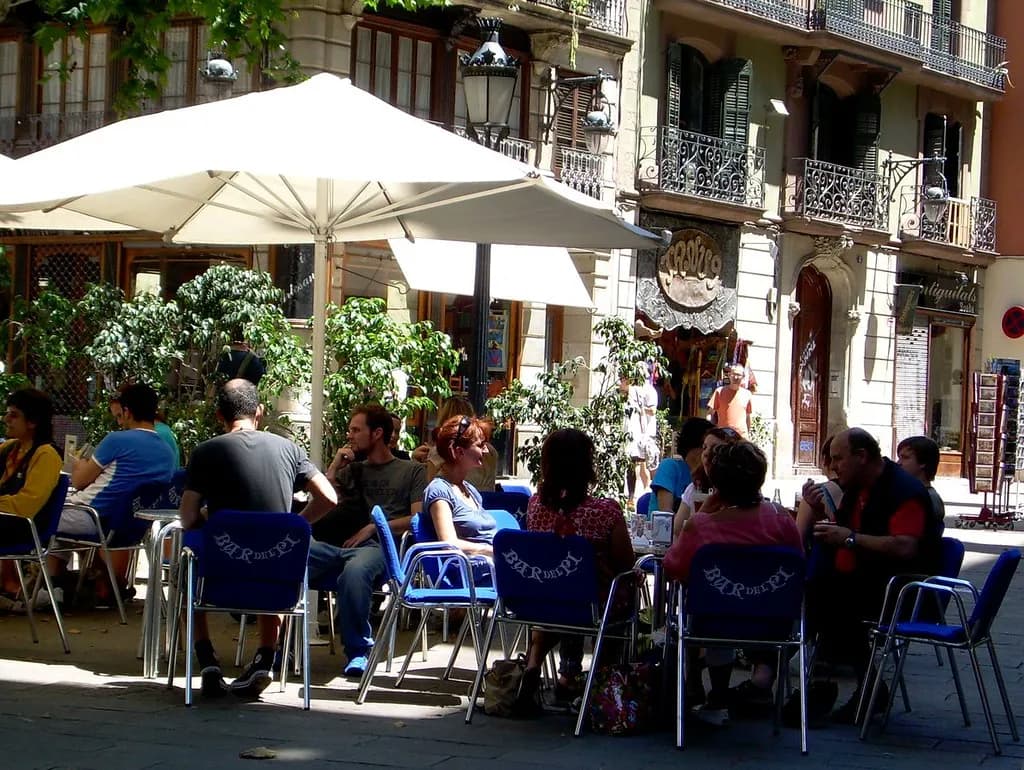
Eat on the Spanish schedule. Lunch runs 14:00–16:00. Dinner starts at 21:00 and most local restaurants will not take reservations before then. Eating at 19:00 puts you in a restaurant full of tourists and with less attentive service. Book dinner for 21:00–21:30 and you will get a completely different experience.
The Bunkers del Carmel is the best free thing in Barcelona. See the Day 2 itinerary above. No competitor website will tell you it is better than the paid cable car viewpoint, but it is — the unobstructed 360-degree view includes things the cable car misses, and the atmosphere at sunset (locals with wine and sandwiches, a genuinely convivial crowd) is part of the experience. The only cost is a 20-minute uphill walk from the El Carmel metro stop.
Watch out for pickpockets on La Rambla and around Sagrada Família. This is not fearmongering — it is a consistent and well-documented issue. Use a bag with a zip, keep your phone in a front pocket, and do not stop to talk to people offering you "free" anything near the tourist zones.
The Barcelona Card is rarely good value for 3-day visits. It includes unlimited transport and discounts at some attractions, but Sagrada Família and Park Güell — the two most expensive tickets — are not included. Run the maths against your specific itinerary before buying.
Should You Add a 4th Day? Day Trips from Barcelona
If you have already covered the main sights and have a fourth day spare, get out of the city. The area around Barcelona — Catalonia broadly — is excellent and easily accessible without a car.
- Girona: 40 minutes by high-speed train from Barcelona Sants. Medieval walls, a beautiful Jewish Quarter, the Barri Vell's coloured houses reflected in the River Onyar. Widely known as a Game of Thrones filming location but worth a visit entirely on its own merits. Half day or full day. Train tickets from around €15 return.
- Montserrat: 1 hour by train from Plaça Espanya (R5 line to Monistrol de Montserrat, then rack railway or cable car). The monastery and the Black Madonna inside the basilica are the main draw; the hiking trails above the monastery are less crowded and have better views. Budget €25–€35 for the combined transport ticket.
- Sitges: 40 minutes by Rodalies train from Passeig de Gràcia. A small seaside town with a good beach, a well-preserved old town, and a relaxed atmosphere that is completely different from Barcelona. Good for a half day in summer if you want a quieter beach experience.
- Costa Brava: Requires a rental car or an organised tour to reach the best spots. The drive north from Girona through towns like Cadaqués, Calella de Palafrugell, and Tamariu rewards the effort with some of the most beautiful coastline in Spain. A full day minimum.
Where to Stay in Barcelona: Choosing Your Base
Your neighbourhood affects your daily commute, evening options, and what the city feels like around you. The four areas below work well for first-time visitors at different price points.
Eixample (La Dreta de l'Eixample): The most central option for sightseeing. Wide boulevards, Gaudí buildings within walking distance, high-end shops and restaurants. Accommodation ranges from €150 to €300+ per night. Not cheap, but the location pays for itself in saved metro time. Good for 3-day visits where efficiency matters.
El Born: Historic, medieval feel with a more local residential population than the Gothic Quarter. Narrow streets, boutique shops, some of Barcelona's best tapas bars. Grand Hotel Central (around €500/night, genuinely excellent) is the luxury anchor; mid-range options exist in the €150–€250 range. Best for visits of three or more days.
Gràcia: A 10-minute metro ride from Sagrada Família, with a bohemian village atmosphere that feels removed from the tourist circuit. Lively squares, independent restaurants, lower accommodation prices (€80–€200/night). Recommended for visitors spending four or more days who want to feel like they actually live somewhere rather than staying in a hotel district.
Gothic Quarter: Maximum convenience for the historic centre, but heavily tourist-saturated. Good for first-timers who want to step outside and immediately be in the middle of things. Noisier at night than other areas. Check out our full guide on where to stay in the city for specific hotel picks at each price point.
Frequently Asked Questions
How many days do I really need in Barcelona for a first-time visitor?
For first-time visitors, 3 to 4 days in Barcelona is ideal. This duration allows you to comfortably see the major sights like Sagrada Familia and the Gothic Quarter, plus enjoy some local culture. It balances sightseeing with time for relaxation.
Is 3 days enough time to see Barcelona's highlights?
Yes, 3 days is generally enough to see Barcelona's main highlights. You can visit iconic Gaudi sites, explore historic neighborhoods, and experience the local food scene. Careful planning and pre-booking tickets are essential to maximize your time.
What are the key factors that affect my ideal stay length in Barcelona?
Key factors include your travel pace, budget, and specific interests. If you enjoy museums and day trips, you might need more time. Budget travelers might opt for a shorter stay, while those seeking a relaxed pace may prefer longer.
The right number of days in Barcelona is four if you can manage it, three if you cannot. Two days is a last resort. Whatever length you have, the single most important thing is booking Sagrada Família and Park Güell before you go — those two decisions will either unlock or derail your whole itinerary. Everything else in Barcelona is flexible, walkable, and forgiving. The city rewards people who slow down and eat late.
You might also like


Continue reading
More guides you'll find useful