

Where To Stay In Madrid Travel Guide
Plan where to stay in madrid with top picks, neighborhood context, timing tips, and practical booking advice for a smoother trip.
On this page
Where To Stay In Madrid
Choosing where to stay in Madrid shapes your entire trip. The city's neighborhoods feel genuinely different from one another — the same afternoon plays out completely differently in La Latina versus Salamanca. Picking the right base means less time in transit and more time doing the things you came for.
Madrid's centro is compact, and all the neighborhoods recommended here are within a 25-minute walk of Puerta del Sol. The metro is comprehensive: as long as you are close to a stop, you can reach any corner of the city in under 30 minutes. This guide covers the six neighborhoods that consistently work best for visitors, with clear trade-offs for each, plus a note on timing your trip.
Plan with trusted sources: cross-check opening hours and seasonal details with the official Madrid tourism site, and read more about the city on its Wikipedia entry before you go.
Where to Stay in Madrid For a First-Time Trip
First-timers do best in Centro — the cluster of central neighborhoods that includes Sol, Los Austrias, and Barrio de las Letras. You step out of your hotel and the main sights are already in front of you: Puerta del Sol, Plaza Mayor, the Royal Palace, and the Golden Triangle of art museums are all within a 15-minute walk. That removes a lot of planning friction on a short trip.
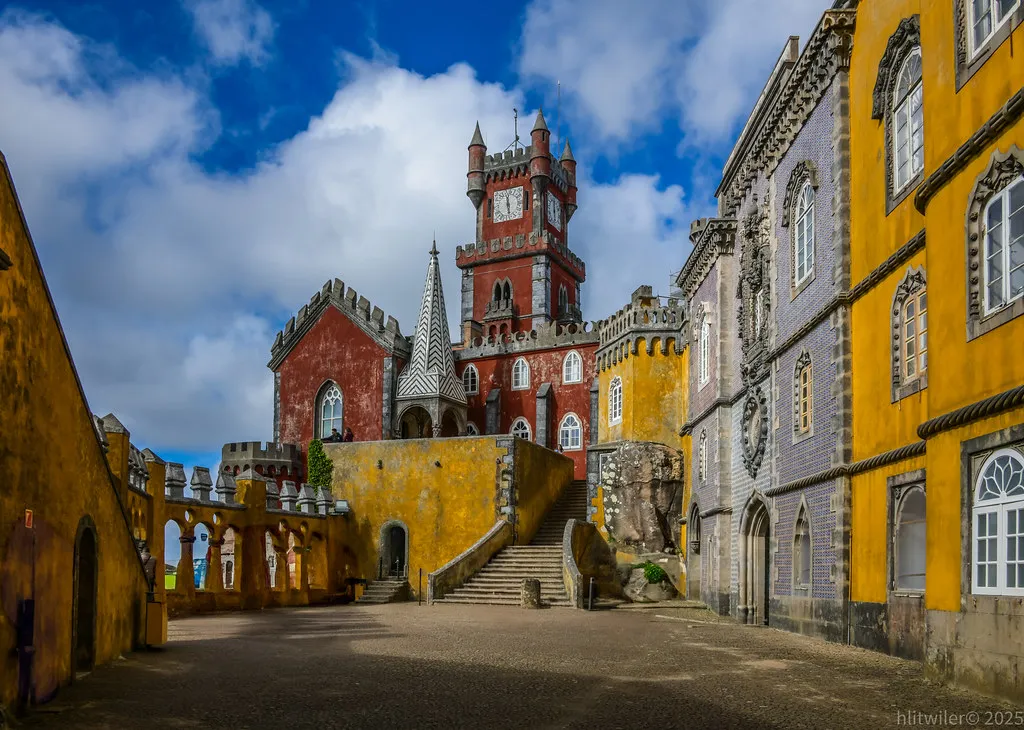
Within Centro, Barrio de las Letras is the most livable option. It sits between Sol and Retiro Park, shares all the same conveniences, but has a calmer residential feel and better restaurants aimed at locals rather than tour groups. If you can only afford one area, this is the first-timer's sweet spot.
That said, the best area really depends on your travel style. If you want to be in the thick of every landmark, Sol is the answer. If you want luxury without crowds, Salamanca wins. And if great food and an authentic Madrid vibe matter more than ticking off monuments, La Latina is worth choosing over everything else. The sections below break each neighborhood down. You can also pair your accommodation research with a Madrid 3-day itinerary to map out which sights cluster where.
Quick Overview of Madrid's Six Best Neighborhoods
Madrid's historic center radiates outward from Puerta del Sol. The six areas below cover the full range of travel styles, from budget-friendly and lively to quiet and luxurious. All of them have good metro access.
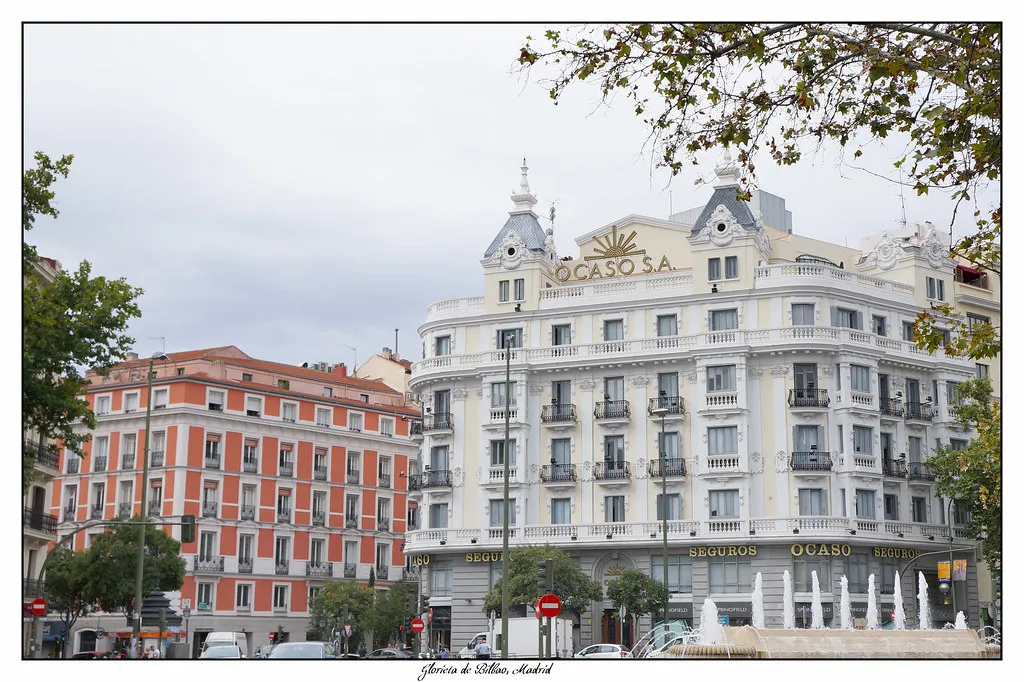
- La Latina — Best for local atmosphere and tapas. Most authentic feel, 15 minutes on foot to Sol. Limited hotel stock but excellent boutique options from around €130/night.
- Sol / Los Austrias — Best for first-timers wanting maximum sightseeing convenience. Most touristy, most expensive. Budget hotels start around €90/night; mid-range from €200.
- Barrio de las Letras — Best for art and culture lovers. Old-world streets, close to three major museums, good hotel selection, from €150/night.
- Salamanca — Best for luxury travelers. Elegant, calm, designer boutiques, high-end dining, from €250/night.
- Malasaña — Best for nightlife, creative energy, and younger travelers. Vintage shops, indie cafes, lively bars. From €120/night.
- Retiro — Best for families. Quiet, green, adjacent to Retiro Park. Mid-range options from €180/night.
All six are central enough that you are never truly stuck. The metro system is fast, clean, and runs until 01:30 on weekdays and 02:30 on weekends. A 10-journey metro card costs around €12.20 — buy one on arrival at any station.
| Neighborhood | Best For | Nightly Rate (from) | Distance to Sol | Vibe |
|---|---|---|---|---|
| La Latina | Local atmosphere, tapas | €130 | 10 min walk | Authentic, lively evenings |
| Sol / Los Austrias | First-timers, sightseeing | €90 | 0 min (central) | Touristy, always-on |
| Barrio de las Letras | Art & culture lovers | €150 | 10 min walk | Old-world, cosmopolitan |
| Salamanca | Luxury travelers | €250 | 20 min metro | Elegant, calm, upscale |
| Malasaña | Nightlife, creative crowd | €120 | 15 min walk | Youthful, energetic |
| Retiro | Families, green space | €180 | 15 min walk | Quiet, residential |
La Latina — Best for a Local Feel and Tapas
La Latina is the oldest neighborhood in Madrid and the one that still feels most authentically castizo — a Madrid-specific word for that particular mix of working-class pride, gregarious street culture, and obsessive pride about food. Its layout dates back to the medieval Islamic city, with narrow winding streets opening onto spacious plazas. Walking around in the evening, with locals spilling out of bars onto the cobblestones, is one of the most distinctly Madrid experiences you can have.
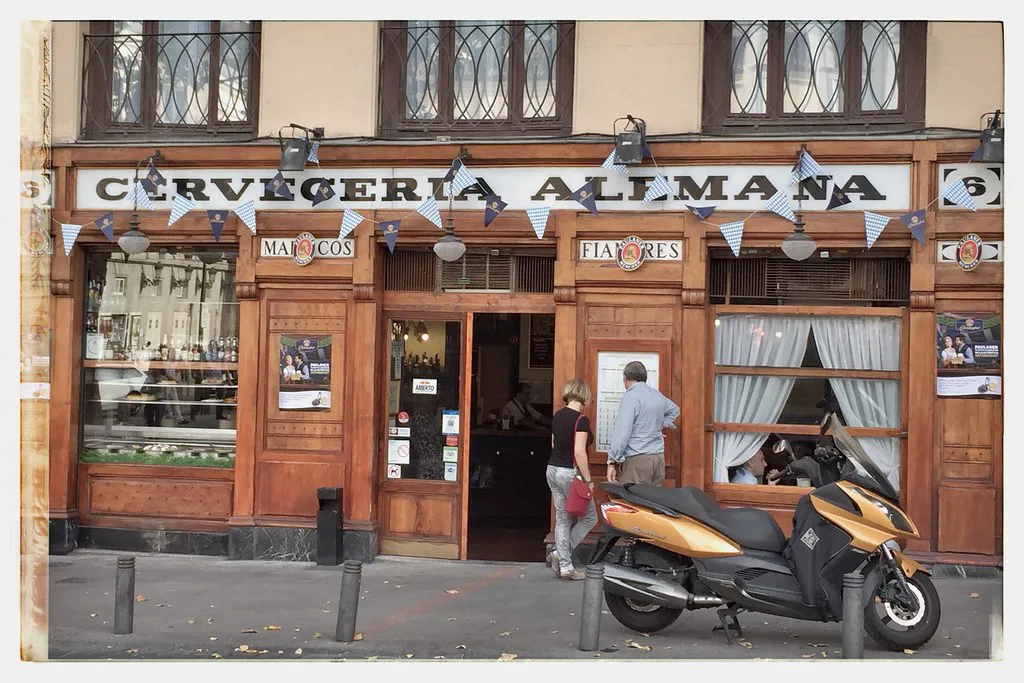
The main artery for food and drink is Calle de la Cava Baja, sometimes called "Tapas Street." More than fifty bars and restaurants line this single road, many of them genuinely good. On Sunday mornings the famous El Rastro flea market fills the surrounding streets, drawing both locals and visitors. Nearby sights include the Basílica de San Francisco el Grande, the Mercado de la Cebada, and the monumental Puerta de Toledo gate.
The trade-off is hotels. La Latina has very few large properties. Most options are boutique hotels or short-term apartments converted from old buildings. Good picks in 2026 include Posada del León de Oro (a 19th-century tavern turned 4-star, from €150/night) and Posada del Dragón (4-star, modern design, from €130/night). The recently opened One Shot La Latina brings a newer stylish option at a similar price point. For getting around, three metro stops — La Latina, Tirso de Molina, and Embajadores — put the rest of the city well within reach. You can also walk to Plaza Mayor in about 10 minutes.
Sol — Very Touristy, but Gorgeous, Full of Sights, and Ideal for Short Visits
Sol is not technically a neighborhood — it is a way of referring to the absolute core of historic Madrid, centred on Puerta del Sol and extending to include Gran Vía, the Plaza Mayor, and the area around the Royal Palace. Three metro lines converge at Sol station, which means you can reach almost any corner of the city without a change. For a trip of one or two nights, or any trip where you want to tick off the main landmarks fast, it is the most logical base.
The architecture here is genuinely striking. Gran Vía is lined with early 20th-century buildings that have been compared to the grandeur of Paris or Vienna. The streets around the Plaza Mayor are largely pedestrianised, and the area has a lively, always-on energy. There are open-air cinema screenings in summer and an ice rink near Sol in winter. A recently completed pedestrian street now connects Puerta del Sol directly to the Royal Palace and the Templo de Debod — the best sunset spot in the city, according to most locals.
The downsides are real: it is the most tourist-saturated area in Madrid. Many restaurants near the main squares are expensive and mediocre, and you will encounter pushy street vendors. Hotels are at a premium — budget options start around €90/night and mid-range hotels run €200 and up. The Hat Madrid in La Latina is a popular budget alternative just 15 minutes away on foot. For a longer stay, the crowds make Sol tiring; most experienced visitors prefer to base themselves slightly off-center. Consider pairing your stay with a Madrid 1-day itinerary if your time is short.
Barrio de las Letras — Old World Atmosphere and Great Hotels, but Crowded
Barrio de las Letras sits between Sol and Retiro Park. Named after the literary giants — Cervantes and Lope de Vega both lived here — it has narrow streets, pretty squares centred on Plaza Santa Ana, centuries-old bookshops, and a cosmopolitan mix of locals and visitors. It feels more lived-in than the Sol core while remaining an easy walk from every major sight.
The biggest draw for culture-focused travelers is proximity to the Golden Triangle of Art. The Prado Museum, Museo Reina Sofía, and Museo Thyssen-Bornemisza are all within a 10-15 minute walk. Book Prado tickets in advance — skip-the-line entry avoids waits that regularly exceed an hour in peak season. General adult admission to the Prado is €15. The area also has a strong restaurant scene, especially around Plaza Santa Ana, where outdoor terraces fill up every evening.
Hotel stock here is better than in La Latina and spans a wider price range. Mid-range options run €150–225/night (Catalonia Las Cortes, Room Mate Alba), while boutique luxury properties such as Casa de las Artes by Meliá or Hotel Urban command €300 and up. The downside is the same as Sol: it gets crowded, particularly during summer weekends. Staying here is worth it if the museums and cultural scene are a priority. If you want a livelier social atmosphere with more local energy, consider La Latina or Malasaña. getting around the city from this area is straightforward, with several metro stops nearby.
Salamanca — Upscale, Elegant, and Away from the Tourist Crowds
Salamanca is where Madrid's upper classes have always lived, and its character shows in every detail: wide, tree-lined boulevards, Baroque mansions turned into apartment buildings, designer boutiques along Calle de José Ortega y Gasset, and restaurants with impeccable service. It is the quietest and most polished of the central neighborhoods. You will see very few tourist traps, because very few tourists choose to base themselves here.
The trade-off is distance. Salamanca sits east of the historic core, and while it is connected by metro (Lines 4 and 9), you will need to take it for most sightseeing. The Prado Museum is the one exception — it borders the neighborhood — and the Archaeological Museum and National Library are within the area itself. Luxury travelers who want to enjoy the city's best restaurants and highest-end retail without fighting through sightseeing crowds will find Salamanca a relief after a day of exploring.
Hotels here set the benchmark for the city. The Rosewood Villa Magna and Hotel Wellington both sit in the four-figure range per night at peak times. Mid-tier options like NH Collection Madrid Suecia (from €250/night) offer rooftop terraces with city views. If budget is a consideration, Salamanca is not the area — spend that money on La Latina or Barrio de las Letras instead. Salamanca makes most sense for stays of three nights or more, for travelers who want to use the neighborhood itself as part of the experience. Families with older children and couples on anniversary or honeymoon trips tend to rate it highly. budget-friendly places to stay is easier to find in other neighborhoods.
Malasaña — Creative, Youthful, and a Lot of Fun
Malasaña sits just north of Gran Vía and was Madrid's counterculture heartland in the 1980s, a period known as La Movida Madrileña — a creative explosion that followed the end of the Franco dictatorship. The neighborhood has since gentrified considerably, but it keeps its distinct personality: vintage clothing shops, independent record stores, specialty coffee roasters, and bars that stay open until 06:00. Plaza del Dos de Mayo is the social anchor, and on warm evenings it fills with people eating, drinking, and talking until late.
If nightlife is a priority, Malasaña is the right choice. The bar and club density here is higher than in any other central neighborhood, with options ranging from craft-beer taprooms to small music venues to electronic dance clubs. The creative energy extends into daytime: the the best rooftop bars are concentrated in this area, and independent galleries and studio spaces dot the side streets. It is also an excellent base for anyone attending concerts or events at nearby venues on Calle de las Fuentes or in the Chueca neighborhood just east.
Hotel options range from trendy boutique stays to budget-friendly hostels. The 7 Islas Hotel is a consistent mid-range recommendation at around €150/night, sitting between Gran Vía and the heart of Malasaña. Urso Hotel & Spa is a good luxury option for those who want both the neighborhood energy and a quiet room to return to. One practical note: street noise is real here, especially Thursday to Saturday nights. Request an interior-facing room if you plan to sleep before midnight.
Retiro — The Best Area for Families
Retiro takes its name from the park that defines it: Parque del Buen Retiro, 350 acres of gardens, fountains, sculptures, a boating lake, and the glass-and-iron Crystal Palace. For families with young children, no other neighborhood offers the same combination of green space and proximity to culture. The Prado Museum borders the western edge of the park, meaning a morning at the museum and an afternoon rowing on the lake is a genuinely easy day.
The area around Paseo del Prado is quieter and more residential than Sol or Barrio de las Letras. Wide boulevards make it easier to navigate with children or strollers. Retiro also sits at the southern end of the Castellana, Madrid's main north-south boulevard, giving good access to the rest of the city by metro or on foot. The Atocha train station — the hub for day trips to Toledo, Segovia, and other destinations — is a 15-minute walk.
Hotel stock skews toward the upper mid-range and luxury end. Hotel Palacio del Retiro offers views directly over the park from €300/night. Petit Palace Savoy Alfonso XII is a more family-friendly four-star at around €180/night, known for its helpful service and proximity to the park entrance. For families spending four nights or more, renting a two-bedroom apartment in this area via Airbnb often works out cheaper and more comfortable than two adjacent hotel rooms.
When to Visit and What Nobody Mentions About August
Madrid gets busy from April to June and again in September and October. These shoulder months have the best weather (18–25°C), manageable crowds, and the full range of cultural events. July is hot (regularly 35°C+) but still well-attended by tourists. August is where timing strategy actually matters, and almost no guide addresses it properly.
In August, Madrid's own residents leave. The city empties out as madrileños head to the coast or the mountains to escape the heat. This creates a counterintuitive advantage: the normally-touristy areas of Sol and Gran Vía become significantly calmer. Hotel prices in the city center drop. The Prado and other museums can be visited with shorter queues. Restaurants that are booked weeks in advance in May are easy to walk into in August.
The downside is that some neighbourhood restaurants and local bars close for August holidays — this particularly affects La Latina and Malasaña, which are more dependent on resident clientele. Tourist-oriented restaurants near Sol remain open. If you want the best of both worlds — low prices in a central area with operational attractions — staying in Barrio de las Letras or Sol in August is actually a strong strategy. If you want to experience Madrid as locals live it, May, early June, or September are better. Book at least six to eight weeks ahead for those peak shoulder months, especially for mid-range properties in La Latina and Barrio de las Letras.
Where to Volunteer Near Madrid and Get Free Accommodation
For travelers on an extended budget stay, volunteer programs can significantly cut accommodation costs. Platforms such as Worldpackers and Workaway list positions in and around Madrid ranging from hostel reception work to organic farm projects within the wider Community of Madrid region. In exchange for 4–5 hours of work per day, hosts typically provide a bed, often shared dormitory-style, and sometimes meals.
Hostel-based volunteering is the most practical option for travelers who want to remain in the city. You work reception or cleaning shifts in exchange for a free bunk, which keeps you central and social while eliminating the biggest daily expense. Farm and agrotourism placements tend to be located 40–80km outside Madrid — reachable by Cercanías commuter rail — and suit travelers who want a quieter, more rural experience as a base for day trips into the city.
Commitment periods typically run two to four weeks, which makes this less suited to short trips. Research requirements carefully: some placements require Spanish language skills, others do not. Always verify the specific accommodation setup — private room versus shared dorm — before committing. Review host ratings and read recent traveler comments on the platform. This option works best for budget-conscious travelers with flexible schedules who want to extend their time in Spain beyond a standard holiday.
Frequently Asked Questions
Which where to stay in Madrid options fit first-time visitors?
First-time visitors should consider staying in central areas like Sol or Los Austrias. These neighborhoods offer excellent access to major attractions and public transport. They provide a vibrant introduction to the city's energy. Both locations ensure you are close to many top things to do in Madrid.
How much time should you plan for where to stay in Madrid?
The ideal duration depends on your interests and travel style. A 3-5 day trip allows for a good overview of the main sights and a taste of local life. For a deeper dive, consider a week or more. This allows for day trips and exploring more neighborhoods.
What should travelers avoid when planning where to stay in Madrid?
Avoid booking accommodation without checking its proximity to public transport if you plan to explore widely. Also, be wary of areas that seem too quiet or isolated, especially if you prefer a lively atmosphere. Always read recent reviews for insights on noise levels and safety. This helps avoid unexpected issues.
Is where to stay in Madrid worth including on a short itinerary?
Absolutely. Even with a short itinerary, choosing the right neighborhood enhances your experience significantly. Staying centrally maximizes your time for sightseeing and dining. It makes navigating the city much easier. Prioritize location for a quick but fulfilling visit.
The neighborhood you choose in Madrid sets the tone for everything else. La Latina gives you authentic Madrid and the best tapas scene. Sol puts every landmark at your door. Barrio de las Letras balances culture and comfort. Salamanca delivers understated luxury. Malasaña offers the city's best nightlife and creative energy. Retiro suits families and anyone who wants green space alongside the sights.
All six are central, all have metro access, and none will isolate you from the rest of the city. The decision really comes down to which atmosphere you want to wake up in each morning. Book at least six weeks ahead for shoulder season stays, and consider the August trade-offs before assuming peak summer is the best time to visit.
You might also like


Continue reading
More guides you'll find useful


