Best Time To Visit Madrid Travel Guide 2024
Plan the best time to visit Madrid with top picks, neighborhood context, timing tips, and practical booking advice for a smoother trip.
On this page
Best Time To Visit Madrid: Your Seasonal Guide
Madrid is one of Europe's most rewarding cities to visit year-round, but timing matters. The best time to visit Madrid for most travelers is late spring (May to early June) or early fall (September to October). These shoulder months bring mild temperatures between 18–25°C (64–77°F), manageable crowds, and some of the city's best festivals. Madrid also holds a key climate advantage over most European capitals: more annual hours of sunshine than any other, even in winter.
That said, each season has a distinct character. Summer draws night-owls and festival-goers. Winter rewards budget travelers willing to brave cool mornings. This guide breaks down what to expect in each season — weather, events, crowds, and the specific sights that shine at different times of year.
Plan with trusted sources: cross-check opening hours and seasonal details with the official Madrid tourism site, and read more about the city on its Wikipedia entry before you go.
Madrid's Climate: What to Expect
Madrid sits on the Castilian plateau at about 650 metres above sea level, giving it a moderate continental climate. Summers are hot and dry — July and August regularly hit 35–38°C (95–100°F) in the afternoon. Winters are cool and often sunny, with temperatures averaging 5–10°C (41–50°F) from December to February. Snow falls occasionally but rarely settles in the city centre.
The city receives roughly 2,800 hours of sunlight per year — more than Paris, London, or Rome. Even on a January day you are likely to eat lunch in warm winter light on a south-facing terrace. Spring and autumn bring occasional afternoon rain showers, but these are typically short-lived. Carry a compact umbrella from March through May and again in October.
One practical detail many visitors miss: Madrid's altitude means cool evenings even in high summer. A light jacket for after-dinner walks in June and September is worth the bag space. The temperature difference between midday and midnight in July can be as much as 15°C.
Spring in Madrid: April to June
Spring is consistently the most popular season for first-time visitors, and the city earns it. By May, temperatures settle into the 18–25°C range and the parks turn spectacular. El Retiro's Rose Garden (Rosaleda) peaks in late May and early June, when more than 4,000 rose bushes across 500 varieties are in full bloom. The Rose Garden was designed in 1915 by the city's head gardener Cecilio Rodríguez — arrive early on a weekday to have the scent and colour mostly to yourself.
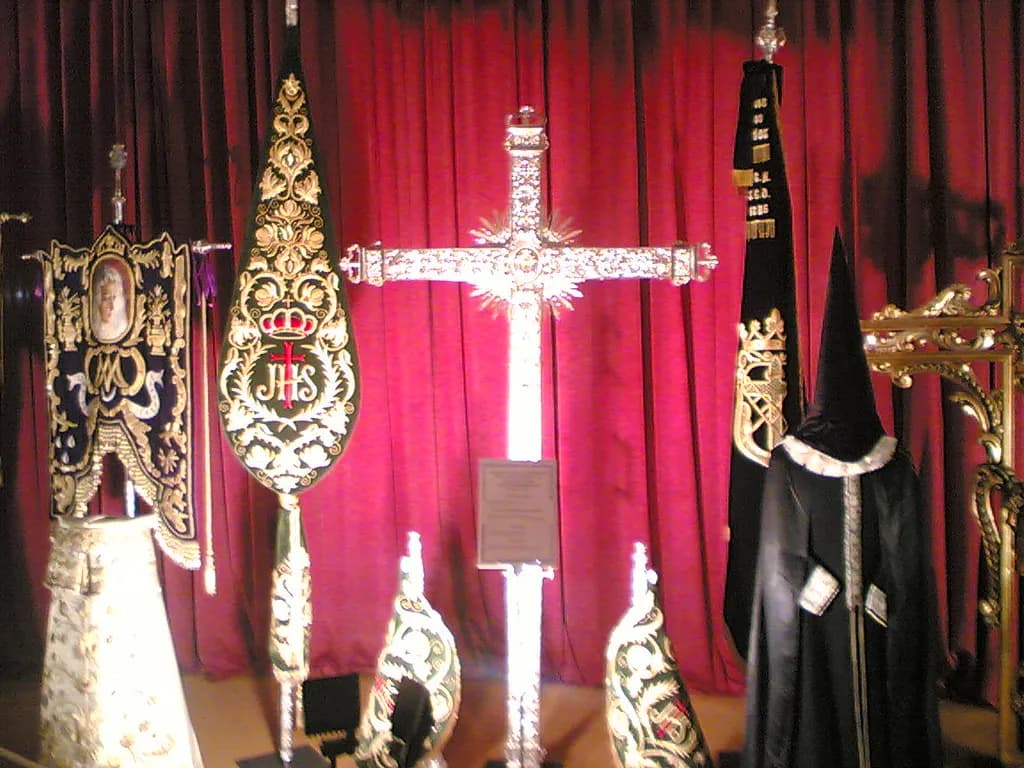
April belongs to Semana Santa. Madrid's Holy Week processions are less theatrical than Seville's but deeply felt, particularly around the streets of La Latina and along the Paseo del Prado. If you visit in April, book accommodation at least six weeks ahead — the city fills quickly. May brings the San Isidro Festival, a week of free concerts, bullfights at Las Ventas, and open-air celebrations in the meadow of San Isidro on the south bank of the Manzanares.
Crowds build steadily through June. Early June still offers reasonable hotel rates before the summer premium kicks in. March deserves a mention for the outdoor dining culture it enables: Madrid's sidewalk terraces reopen in force, and long lunches with the practise of sobremesa — lingering at the table for an hour after eating, talking and drinking coffee — are in full swing. Plan your restaurant reservations for 14:00–15:00 lunch slots and 21:30–22:00 dinner slots; eating at Central European hours will leave you dining alone.
Summer in Madrid: June to August
Madrid's summer is intense. Afternoons from mid-July through August routinely reach 37–40°C (99–104°F), and the sun beats hard on the open plazas. The local survival strategy is time-shifting: mornings before 11:00 for outdoor sightseeing, a long siesta during 14:00–18:00 (many museums keep air-conditioned galleries open), and then a full second day that begins around 19:00 and runs past midnight.
June and early July are the liveliest months for events. Madrid Pride (late June) is one of Europe's largest LGBTQ+ celebrations, drawing over a million people to the Chueca neighbourhood and the streets around Atocha. The Mad Cool Festival typically takes place in July at IFEMA, bringing international headliners. The free Noches del Botánico concert series runs through July in the Real Jardín Botánico, right next to the Prado — tickets sell out fast at around €30 but the setting is extraordinary. The Veranos de la Villa programme runs all summer with free and low-cost open-air cinema, dance, and theatre.
August is quieter than most visitors expect. Many Madrileños leave for the coast, which means shorter queues at the Prado, Reina Sofía, and Thyssen-Bornemisza. Prices can dip slightly mid-August. The late-August neighbourhood fiestas of San Cayetano (7 August, Embajadores), San Lorenzo (10 August, Lavapiés), and La Virgen de la Paloma (15 August, La Latina) are neighbourhood street parties — free, noisy, and very local. To escape the heat, Casa de Campo park provides shade across 1,700 hectares; Retiro Park is smaller but more central.
Fall in Madrid: September to November
September is arguably the single best month to visit Madrid. The heat has broken, temperatures run 22–28°C (72–82°F) during the day, the tourist crowds thin noticeably after the first week, and the cultural calendar is packed. The Spanish football season kicks off, which means weekend crowds at the Bernabéu and Metropolitano but also an electric city atmosphere. The International Jazz Festival runs through November, with concerts at venues across the city including the Centro Cultural Villa.
October brings the Botanical Garden's best autumn display. The Real Jardín Botánico, adjacent to the Prado Museum, holds over 30,000 plants from around the world — watching the trees turn in a garden this diverse is genuinely different from a standard city park. El Capricho Park in the Hortaleza district, designed in 1784 for the Dukes of Osuna, is only open on weekends and public holidays; autumn is the right season to visit, when the colour is richest and the crowds are thin. Architecture Week and the Feriarte Antiques Fair are two events that attract a more local audience and are worth scheduling around if you have flexibility.
Late October through November sees prices drop sharply. Hotels that cost €150 a night in September are often available for €90–110. The trade-off is cooler, occasionally rainy days and shorter daylight hours. But the Plaza Mayor and the surrounding streets of Habsburg Madrid are most photogenic in the low, golden light of late October afternoons.
Winter in Madrid: December to February
Winter in Madrid is cool and often surprisingly sunny — the city averages 5–12°C (41–54°F) from December to February. Christmas transforms the city: the streets around Puerta del Sol and Plaza Mayor are strung with elaborate lights from late November, and the Plaza Mayor Christmas market runs from late November through early January. The Three Kings Parade (Cabalgata de Reyes) on the evening of 5 January is one of the most spectacular public events in Spain, drawing hundreds of thousands of spectators along the main boulevards.
January is when Madrid hosts Madrid Fusión, one of the world's premier gastronomic congresses. For food-curious travellers, staying in the city in mid-January gives access to special tasting menus and pop-up events at restaurants involved in the festival. ARCOmadrid, the international contemporary art fair, runs in late February or early March at IFEMA, making this a strong season for art collectors and gallery-goers.
One winter experience no competitor guide seems to mention: in February, the Quinta de los Molinos park in the Moratalaz district becomes blanketed in cherry blossom. Over 1,500 almond and cherry trees flower in white and pink across 20 hectares of free public parkland. It is Madrid's answer to Japan's hanami season — without the crowds. Take Metro Line 5 to Suanzes, then walk ten minutes east. Peak bloom typically runs from mid-February to early March depending on the year.
Landscape of Light: Paseo del Prado and El Retiro Park
The Paseo del Prado — the tree-lined boulevard connecting the three major art museums and running south to the Botanical Garden — is a UNESCO World Heritage Site and the backbone of Madrid's cultural quarter. It reads differently in each season. In spring the canopy of plane trees closes over and the light is green and dappled. In summer the wide central promenade fills with evening walkers after 19:00. In autumn the leaves turn copper and the outdoor café at the Botanical Garden's entrance is one of the best seats in the city. In winter the bare branches frame the Neptuno fountain and the Prado's neoclassical facade in a way that feels genuinely monumental.
El Retiro Park, directly east of the Prado, is open daily and free. Its character shifts noticeably by season: the boating lake fills in summer, the Rose Garden peaks in May–June, the Crystal Palace (Palacio de Cristal) hosts contemporary art installations year-round in a glass greenhouse setting that is beautiful regardless of weather, and Sunday mornings attract a mix of families, runners, and street performers that makes it one of the best free people-watching spots in Europe. There is no wrong time to visit Retiro, but May and October are the months when it is most photogenic without the August crowds.
Madrid in the Rain: What to Do on a Wet Day
Madrid averages only about 35 days of significant rain per year, but those days tend to cluster in spring and autumn. A rainy day in Madrid is actually one of the better times to visit the city's museums, since the usual queue-management at the Prado and Reina Sofía eases when outdoor crowds thin. The Prado is open until 20:00 Monday to Saturday and until 19:00 on Sunday — a rainy afternoon that starts at 14:00 gives you a solid four hours without the morning rush.
Madrid has several indoor spaces that reward bad-weather visits. The Mercado de San Miguel, a covered iron-and-glass market near Plaza Mayor, is an excellent mid-morning refuge with vermouth, pintxos, and oysters. The Matadero Madrid, a former slaughterhouse converted into a contemporary arts centre in the Arganzuela district, stages large-scale exhibitions and is largely undiscovered by international visitors. The Museo del Prado's basement café serves a decent menú del día for around €16 and is one of the few museum restaurants in Europe worth eating at for the food rather than just convenience.
If rain persists for more than a day — unusual but possible in November — consider a day trip to Toledo (35 minutes by high-speed AVE train from Atocha, return tickets from €20). Toledo's walled old city is extremely walkable under grey skies and less crowded than in summer. The cathedral and the El Greco museum warrant a full morning each.
Outdoor Terraces, Rooftops, and Parks by Season
Madrid's outdoor terrace culture is one of its defining pleasures, and knowing when and where it operates best is worth planning around. Rooftop terraces are open from roughly April through October, with some heated exceptions in winter. The most reliably good options are the Azotea del Círculo de Bellas Artes (€5 entry, panoramic views from the rooftop of a 1920s arts building on Gran Vía), the Terraza de Sabatini overlooking the Royal Palace gardens, and the Picalagartos Sky Bar at NH Collection Gran Vía (no entry fee but prices reflect the view).
For a summer afternoon without the heat of the city centre, Casa de Campo is the answer. At over 1,700 hectares — more than twice the size of Central Park — it takes the edge off Madrid's urban intensity. The lakeside restaurants El Urogallo and Café del Lago offer outdoor dining with views of the water. The park is connected to the city by the Madrid Teleférico cable car, which runs from Parque del Oeste and is itself worth the €10 return fare for the aerial view of the city's skyline and the Sierra de Guadarrama in the distance.
In spring and autumn, the Sabatini Gardens beside the Royal Palace are worth timing for the late-afternoon sunset. The yellow and red tones the setting sun reflects onto the Palace facade make this one of the most photogenic spots in the city — and it is free, open daily, and rarely crowded after 18:00. The Príncipe de Anglona Gardens in La Latina and the nearby Huerto de las Monjas are small secret gardens that many visitors walk past without knowing they are public. Both are worth finding if you want ten quiet minutes in spring greenery.
Quick Season Comparison
| Season | Months | Temp Range | Crowds | Prices | Highlights |
|---|---|---|---|---|---|
| Spring | Apr–mid-Jun | 15–25°C | Moderate, rising | Moderate–High | Rose Garden, Semana Santa, San Isidro |
| Summer | Mid-Jun–Aug | 28–38°C | High (Jun–Jul), lower Aug | High | Madrid Pride, Mad Cool, Veranos de la Villa |
| Fall | Sep–Oct | 18–28°C | Moderate, falling | Moderate | Jazz Festival, Botánico autumn colour, football |
| Winter | Nov–Mar | 5–15°C | Low | Low | Christmas markets, Madrid Fusión, ARCOmadrid, cherry blossom (Feb) |
Frequently Asked Questions
When is the cheapest time to visit Madrid?
The cheapest time to visit Madrid is typically during the winter months, from November to March, excluding the Christmas and New Year holidays. You will find lower prices for flights and accommodations. Fewer tourists also mean better deals on some activities.
Is Madrid too hot in August?
Madrid can be very hot in August, with temperatures often exceeding 35°C (95°F). Many locals leave the city, and some smaller businesses may close. However, it is a great time for nightlife, and major attractions remain open. Plan your activities for mornings and evenings.
What should travelers avoid when planning a Madrid trip?
Avoid visiting Madrid without booking accommodation in advance during peak seasons like May, June, and September. Also, do not underestimate the summer heat; always carry water and seek shade. Finally, avoid relying solely on credit cards; some smaller establishments prefer cash.
Madrid rewards visitors in every season, but the shoulder months of May and September offer the most balanced combination of good weather, active cultural calendar, and manageable crowds. Winter is underrated for its festive atmosphere, low prices, and February cherry blossom. Summer belongs to those willing to adapt to the city's nocturnal rhythm. Whatever month you choose, Madrid's 2,800 annual sunshine hours mean the odds are in your favour.
You might also like


Continue reading
More guides you'll find useful