

Getting Around Madrid: Your Ultimate Transport Guide
Navigate Madrid like a local! Discover comprehensive guides to Metro, buses, taxis, and more, with practical tips for tickets, passes, and accessibility.
On this page
Getting Around Madrid: Your Ultimate Transport Guide
Madrid has one of the most efficient and affordable public transport networks in Europe. The Metro alone covers over 300 stations across 15 lines, and the bus system fills every gap the underground misses. Whatever your itinerary looks like, you can reach it quickly and cheaply without ever needing a car.
This guide covers every transport option available to visitors in 2026: Metro zones and tickets, buses, taxis, ride-sharing apps, cycling, the cable car, and how to connect onward to the rest of Spain. It also explains which ticket to buy for your trip length — a question that confuses almost every first-timer.
Plan with trusted sources: cross-check opening hours and seasonal details with the official Madrid tourism site, and read more about the city on its Wikipedia entry before you go.
Madrid's Public Transport System: An Overview
Madrid's public transport integrates the Metro, EMT city buses, Metro Ligero light rail, and Cercanías regional trains under one fare system. A single contactless card — the Tarjeta Multi — unlocks access to all of them. The system is clean, punctual, and well-signed in both Spanish and English, which removes most of the stress for first-time visitors.

The whole network operates within a zone structure. Zone A covers the entire city centre and almost every attraction tourists visit — from Sol and Gran Vía to El Retiro, Malasaña, Chueca, Lavapiés, and Salamanca. Most visitors never need to buy a ticket beyond Zone A. Zones B1, B2, and B3 extend into the suburbs, and you'd only need them for the airport (which has a flat supplement regardless of your ticket type) or specific day trips.
Many of Madrid's top sights cluster tightly enough to walk between. The area around top things to do in Madrid — the Prado, Thyssen, Retiro, and Royal Palace — is comfortably walkable once you've arrived by Metro. Combining the underground with short walks is the fastest and most enjoyable way to see the city.
Getting Around Madrid by Metro: Lines, Zones & Tickets
The Madrid Metro runs from 06:00 to 01:30 daily, with trains every 2–3 minutes in rush hour and every 10–15 minutes after midnight. It operates 15 lines and over 300 stations, making it the backbone of city transport. Line 8 connects Nuevos Ministerios and Barajas Airport directly, though an airport supplement applies on top of any standard ticket (currently around €3).
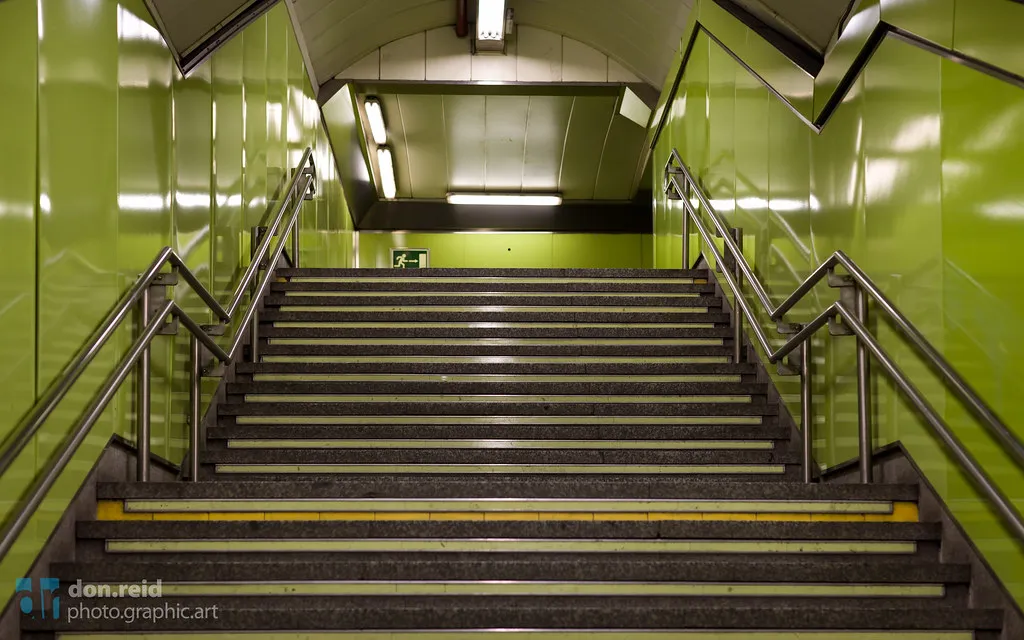
You can download Madrid metro maps here to plan routes before you arrive. The Touristmic map version overlays major attractions on the metro lines, which helps you understand which station to target. Every station also has printed maps at entrances and on platforms.
For tickets, tourists have three practical choices. A single ride costs around €1.50–€2.00 in Zone A. A 10-trip ticket loaded onto a Tarjeta Multi card costs €7.30 and is shared among any group — the card is non-personal. The Tourist Travel Pass offers unlimited rides for 1 to 7 consecutive days starting at €8.40 (Zone A, 1 day) and rises depending on zone and duration. From June 2024, you can also tap a contactless bank card or phone (Apple Pay, Google Wallet) directly at the turnstiles for single trips at €1.50 — no card purchase needed for occasional use.
The Tarjeta Multi card itself costs €2.50 to buy. You load whichever ticket type suits your stay. For a trip of four or more days with daily Metro use, the Tourist Travel Pass will almost certainly save you money compared to buying 10-trip blocks. Keep your card until you exit — you'll need to tap out to avoid being charged a maximum fare at some exit gates.
Madrid Buses (EMT): Routes, Night Buses & Airport Shuttle
The EMT (Empresa Municipal de Transportes) operates more than 200 bus routes across the city, reaching many areas and neighborhoods that the Metro doesn't serve directly. The blue city buses run from 06:00 to 23:30 on weekdays, and from 07:00 to 23:30 on weekends and holidays. Frequency ranges from every 5 minutes on busy routes to every 20 minutes on quieter ones.
You can ride buses using your Tarjeta Multi (the same card used on the Metro) or by paying onboard for a single trip. If paying onboard, bring small notes or coins — drivers don't carry much change and may refuse large notes. You cannot use a 10-trip ticket between the Metro and bus on the same journey: each mode requires a separate tap of the card.
Madrid's 26-night bus lines, called Búhos (owls), run from 23:55 to 05:50 every night of the year. All routes depart from and return to Plaza de Cibeles. Fares are identical to daytime tickets. These night buses are the primary way to get around after the Metro closes — essential if you're out late in Madrid's famously active nightlife scene.
The Airport Express Shuttle is a bright yellow bus running 24 hours a day, 365 days a year between Madrid-Barajas Airport and the city centre. It stops at O'Donnell, Cibeles, and Atocha. The journey takes around 40 minutes and costs a flat €5 — cheaper than the Metro's airport supplement for some ticket types. Pay onboard by card or cash.
Metro Ligero Madrid: The Light Rail System
The Metro Ligero is Madrid's above-ground light rail network. It extends across four lines (ML1 to ML4) and more than 50 stations, connecting suburban areas of Madrid that sit beyond Zone A. You're unlikely to need it as a tourist in the city centre, but it becomes useful if your accommodation is in the outer districts or if you want to visit specific suburban attractions.
ML1 connects Pinar de Chamartín to Las Tablas, passing through Sanchinarro. ML2 and ML3 both start at Colonia Jardín and run southwest — ML2 to Aravaca and ML3 to Boadilla del Monte. ML4 links Pinar de Chamartín with Alcobendas-San Sebastián de los Reyes in the north. All Metro Ligero lines share the same operating hours as the standard Metro (06:00 to 01:30), except ML4 which starts earlier at 05:00.
The light rail integrates fully with the Metro and bus fare system. Load your Tarjeta Multi with a 10-trip ticket or Tourist Travel Pass and it works across all three. Fares are zonal, so trips into outer zones cost more than Zone A-only travel. If your visit is entirely within the city centre, you'll have no reason to use the Metro Ligero — but it's good to know it exists for edge cases.
Getting Around Madrid by Taxi & Ride-Sharing Apps
Madrid taxis are white with a diagonal red stripe on the door. They're plentiful across the city, especially near major Metro stations, the airport, and tourist areas. An illuminated green light on the roof means the taxi is free to hail. Fares are metered, with a minimum charge and supplements for nights (22:00–07:00), weekends, public holidays, and airport pickups. Fixed airport rates apply in some cases — confirm with the driver before setting off.
Always make sure the meter is running from the moment you pull away. Ask for a receipt at the end of the journey. Legitimate Madrid taxis always have a numbered licence plate and a driver photo displayed inside. If a driver doesn't start the meter or quotes a flat fee for a non-airport trip, that's a red flag — either insist or get out and find another cab.
Uber and Cabify both operate reliably in Madrid. They show a fare estimate before you confirm, which takes the guesswork out of cost. Cabify is locally dominant and tends to have shorter wait times in residential neighborhoods. Both accept card payment through the app. For late-night travel when buses are sparse and you're carrying luggage, ride-sharing is often the most practical option.
Avoid accepting rides from unmarked vehicles at the airport arrivals hall or outside nightclubs — these are unlicensed and unregulated. Stick to clearly marked taxis or app-booked rides.
Getting Around Madrid by Bicycle
Madrid has expanded its cycling infrastructure significantly in recent years, with over 43 kilometres of dedicated bike lanes running through the city. Many are physically separated from traffic, particularly around El Retiro Park and the central boulevards. The city's Madrid 360 sustainability plan continues to add new lanes, making cycling more practical for visitors with each passing year.
BiciMAD is the city's official electric bike-sharing service, with 3,000 bikes at over 250 docking stations across the city. You can register and unlock bikes via the BiciMAD app or directly at the docking station machines. Visitors can choose a 1-day, 3-day, or 5-day pass as an occasional user. The bikes are electric-assisted, which makes Madrid's occasional hills much less daunting. Return the bike to any docking station — you don't need to return it to the same one.
Private e-scooter rental is also available through apps like Lime and Voi. These are best for short point-to-point trips. Ride only in designated lanes, not on pavements — Madrid police do enforce this rule. Car-sharing services such as Zity and Share Now offer vehicles by the minute for trips that genuinely require a car, particularly to destinations not served by public transport.
Driving your own rental car in central Madrid is generally not worth the trouble. Parking is expensive and scarce, and the central low-emission zone (ZBE, Madrid Central) restricts which vehicles can enter. If you're planning the best day trips to Toledo, Segovia, or Ávila, a hired car is more practical — but park it at a hotel and use the Metro for any city-centre movement.
Madrid Tourist Travel Pass & Multi Card: Which One to Choose?
The most common mistake tourists make is buying more ticket than they need — or not enough. Here's a straightforward breakdown. The Tarjeta Multi card costs €2.50 and is the physical card you load tickets onto. It is non-personal and can be shared by a group. The Tourist Travel Pass is a separate ticket type loaded onto a Multi Card; it is personal and cannot be shared.
- Single trip: €1.50–€2.00, or tap contactless directly at the turnstile at €1.50. Best for 1–3 journeys total.
- 10-trip ticket (Tarjeta Multi): €7.30 for Zone A. Shared between multiple people. Best for groups or stays of 2–4 days with moderate use.
- Tourist Travel Pass – 1 day Zone A: €8.40. Best if you'll take more than 5 rides in a single day (e.g., airport + city touring + night out).
- Tourist Travel Pass – 2 days Zone A: around €14.20. Best for weekend trips with heavy museum-hopping.
- Tourist Travel Pass – 5 days Zone A: around €26.80. Best for week-long visits with daily movement across the city.
- Tourist Travel Pass – Zone T (includes suburbs): adds roughly €3–€5 per duration tier. Only worth it if you plan Cercanías day trips, e.g., to El Escorial or Aranjuez.
All prices listed above are subject to change — the Madrid Transportation Office has applied discounts to all pass types through at least the end of 2026. Verify current prices at ticket machines in any Metro station before purchasing. The Tourist Travel Pass requires your passport at point of sale. Both the Tourist Travel Pass and the Multi Card can be purchased at Metro stations, at airport sales points, and at many tobacconists (estancos).
One nuance: the Airport Metro supplement (currently around €3) is charged on top of any standard Metro ticket when entering or exiting at the airport stations. However, the Tourist Travel Pass already includes this supplement within its flat price — making it genuinely free to take the Metro to and from the airport if you hold one.
| Mode | Hours | Approx. Cost | Best For | Covers Airport? |
|---|---|---|---|---|
| Metro | 06:00–01:30 | €1.50/trip; €7.30 (10-trip) | Fast city-wide travel | Yes (Line 8 + €3 supplement) |
| Tourist Travel Pass | Same as Metro/bus | €8.40/day (Zone A) | Stays of 4+ days, daily use | Yes (supplement included) |
| EMT City Bus | 06:00–23:30 | €1.50/trip (Multi Card) | Neighbourhoods Metro misses | No (use Airport Express) |
| Búho Night Bus | 23:55–05:50 | Same as daytime | Late-night travel from Cibeles | No |
| Airport Express Shuttle | 24 hours | €5 flat | Budget airport transfer | Yes |
| Taxi / Uber / Cabify | 24 hours | €10–€30 (city centre) | Door-to-door, luggage, nights | Yes (fixed airport rate) |
| BiciMAD e-Bike | 24 hours | 1-day pass available | Short trips, parks, flat routes | No |
| Teleférico Cable Car | Seasonal daytime | Modest flat ticket | Parque del Oeste → Casa de Campo | No |
How to Get Your Personal Public Transport Card
The personal Tarjeta Transporte Público (TTP) is a separate card aimed at people staying in Madrid for longer periods — students, workers, and extended-stay visitors. It costs €4 to issue and enables access to the monthly Abono pass, which gives unlimited travel for around €54.60/month (Zone A) for adults over 26, or as little as €10/month if you're under 26 (Abono Joven, valid across all zones). For anyone staying more than six weeks, this is by far the cheapest option.
The easiest way to get the card before arriving in Madrid is to order it online through the official CRTM (Consorcio Regional de Transportes de Madrid) website. You'll need to submit personal details, a passport-sized photo, and a scan of your passport or national ID. The form is in Spanish, but the fields are straightforward. A Spanish address and phone number are required for delivery — if you don't have a local address yet, services like Citylife Madrid offer to receive the card on your behalf.
Processing takes 10–15 working days, so apply at least three weeks before you plan to arrive. If you're already in Madrid and need the card urgently, you can book an in-person appointment at a Metro customer service office. Once you have the card, top it up with the monthly pass (Abono) at any Metro station machine — either with cash or card.
For most tourists staying fewer than two weeks, the Tourist Travel Pass or a 10-trip Multi Card is more practical than the personal card. The personal card setup is worth the effort only if you'll genuinely use public transport every day for a month or more.
Is it Easy to Find Your Way Around Madrid?
Yes, Madrid is one of the most visitor-friendly cities in Europe to navigate. The Metro is colour-coded and clearly signed in English at every station. Bus stops display real-time arrival information and route maps. The city centre itself is relatively compact — walking between many attractions takes less time than waiting for a train.
Google Maps and Citymapper both work excellently for Madrid public transport, including real-time arrival data and night bus routing. The official Metro de Madrid app lets you check your card balance, find the nearest station, and see live disruptions. Download at least one of these before you go — an offline Metro map is also worth saving in case you lose signal underground.
Language is rarely a barrier. Station signage, ticket machines, and most platform announcements have English versions. Metro staff at customer service booths are generally helpful even if their English is limited.
The main practical challenge is rush hour. Trains and buses between 07:30–09:30 and 18:00–20:00 on weekdays are packed. If your itinerary allows it, shift museum visits to mid-morning and dinner to later in the evening — you'll travel in noticeably more comfort. Weekend travel is generally much easier outside of Sunday afternoons when day-trippers return to the city.
Accessible Transportation in Madrid
Madrid has invested significantly in transport accessibility. Many Metro stations are equipped with lifts and escalators, identified by the international wheelchair symbol at the entrance. The accessibility map on the official Metro Madrid website shows which stations have full step-free access — it's worth checking this before your trip if you rely on lifts, as not every station is fully equipped.
Madrid City Council publishes a dedicated Accessible Travel Guide covering wheelchair-friendly routes, accessible bus lines, and key landmarks. EMT buses are increasingly low-floor models with ramps and priority seating. The Metro Ligero (light rail) was designed from the ground up for accessibility — all stops and vehicles are wheelchair accessible, making it a more reliable option for users with mobility needs than some older Metro stations.
For specific route planning or to request assistance in advance, contact the Metro Madrid accessibility helpline or check the CRTM accessibility portal. The airport's Line 8 stations are also accessible with lifts throughout. Planning ahead with the official maps removes most uncertainty.
Exploring Madrid by Cable Car
The Teleférico de Madrid runs from Parque del Oeste, near Argüelles Metro station, to Casa de Campo park. The 11-minute ride offers panoramic views of the Royal Palace, Almudena Cathedral, and Madrid's skyline. It works as both a tourist experience and a practical way to reach Casa de Campo — a vast park well suited for walking, cycling, and picnicking without the noise of the city.
The cable car operates seasonally and closes during strong wind or bad weather, so check the schedule on the day you plan to visit. Operating hours generally run from late morning to early evening; ticket prices are modest, with discounts for children. It does not integrate with the Tarjeta Multi — you buy a separate ticket at the Parque del Oeste departure station.
To reach the Teleférico, take Metro Line 6 or 10 to Argüelles station, then walk five minutes west through the park. The cable car is a worthwhile half-day add-on if you're visiting the Royal Palace area — the aerial approach to Casa de Campo gives you a sense of Madrid's scale that no ground-level viewpoint matches.
Connecting to Long-Distance Travel from Madrid
Madrid is Spain's main rail hub. High-speed AVE trains from Madrid Atocha connect to Barcelona (2h 30min), Seville (2h 30min), Valencia (1h 40min), and Málaga (2h 20min). Book AVE tickets through Renfe's website well in advance — prices rise sharply closer to travel date, especially on popular Friday and Sunday departures. Chamartín is the secondary station, handling some AVE services north to Valladolid and Bilbao.
Cercanías commuter trains from Atocha and Chamartín are the cheapest and most comfortable way to reach day-trip destinations such as Toledo (45 min), Segovia (30 min), El Escorial (1h), and Aranjuez (50 min). Cercanías tickets are separate from city Metro tickets but are affordable — around €4–€7 return for Zone B and C destinations. Explore our guide on the best day trips for route details and what to see at each destination.
Estación Sur de Autobuses in Méndez Álvaro (Metro Line 6) is the main intercity bus terminal. It serves most Spanish cities and several international destinations. Buses are generally cheaper than trains for long distances and often have more departure times. Companies including ALSA and FlixBus operate from here.
Essential Tips for Getting Around Madrid
Tap your Tarjeta Multi card when entering and exiting Metro stations — some exit gates register the journey only on exit. If you fail to tap out, you may be charged the maximum fare. Keep the card until you have fully left the station.
Watch your belongings in crowded Metro carriages and at busy stops like Sol, Gran Vía, and Callao. Pickpocketing does occur, particularly in tourist-heavy areas. Use an inside pocket or a bag worn in front. This is standard city caution rather than anything specific to Madrid, which is generally a safe city.
If your Tarjeta Multi is lost or stolen, report it immediately to Metro Madrid's customer service. If the card is registered in your name (personal card only), the remaining balance may be transferable. Non-personal Multi Cards cannot be refunded if lost — treat them like cash.
Download an offline Metro map before arriving, in case you lose signal underground. The Metro de Madrid official app also shows real-time service disruptions. For overall navigation including bus routes, Citymapper is particularly good at calculating multi-leg journeys with transfers. Madrid is a city built for exploration on foot once you've arrived by Metro — wear comfortable shoes and you'll cover more ground than you expect.
Frequently Asked Questions
Is it easy to find your way around Madrid?
Yes, Madrid is very easy to navigate due to its efficient public transport and walkable city center. The Metro and bus systems are well-signed, often in English, and navigation apps work seamlessly. Most major attractions are conveniently located. This makes exploring the city stress-free for visitors.
How do I buy a Madrid public transport card?
You can buy a Madrid public transport card, such as the Multi Card or Tourist Travel Pass, at Metro stations. Look for ticket machines or staffed booths. Tobacco shops and newsstands also sell these cards. Remember to bring your passport for the Tourist Travel Pass.
What are the best ticket options for tourists in Madrid?
The Tourist Travel Pass is ideal for frequent travel over 1 to 7 days, offering unlimited rides. For occasional use, the Multi Card loaded with a 10-trip ticket provides good value. Assess your itinerary to choose the most cost-effective option. You can always check official madrid.es for current prices.
Is the Madrid Metro accessible?
The Madrid Metro has made significant strides in accessibility, with many stations featuring elevators and escalators. Look for accessibility symbols at station entrances. Buses and the Metro Ligero also offer accessible options. Specific information is available on the official Metro Madrid website.
How late does the Madrid Metro run?
The Madrid Metro typically runs from 6:00 AM to 1:30 AM every day. During the night, an extensive network of 'Búho' (owl) night buses takes over. These buses depart from Plaza de Cibeles. Always check the latest schedules for specific lines or any service changes.
Madrid's transport network is genuinely one of the easiest in Europe to use as a visitor. The Metro is fast, affordable, and covers the city comprehensively. Buses extend coverage to every corner. Taxis, ride-sharing apps, and BiciMAD bikes fill the gaps for late nights and shorter journeys. With the right ticket in your pocket — and the Metro app on your phone — getting around Madrid is one less thing to worry about.
The key decision before you arrive: pick your ticket type based on how many days you're staying and how often you expect to travel. A 10-trip Multi Card suits casual visitors; the Tourist Travel Pass pays off quickly for anyone moving across the city daily. Either way, Madrid rewards exploration, and its transport system is built to help you do exactly that.
You might also like


Continue reading
More guides you'll find useful


