Avila Day Trip From Madrid Travel Guide
Plan your Avila day trip from Madrid with top picks, neighborhood context, timing tips, and practical booking advice for a smoother trip.
On this page
Avila Day Trip From Madrid: Your One-Day Itinerary
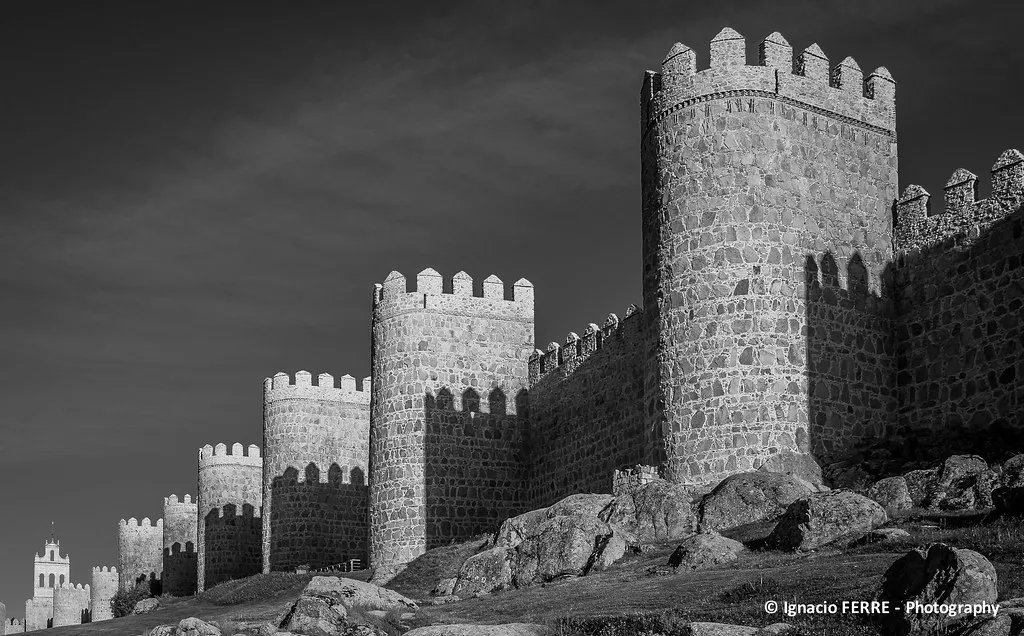
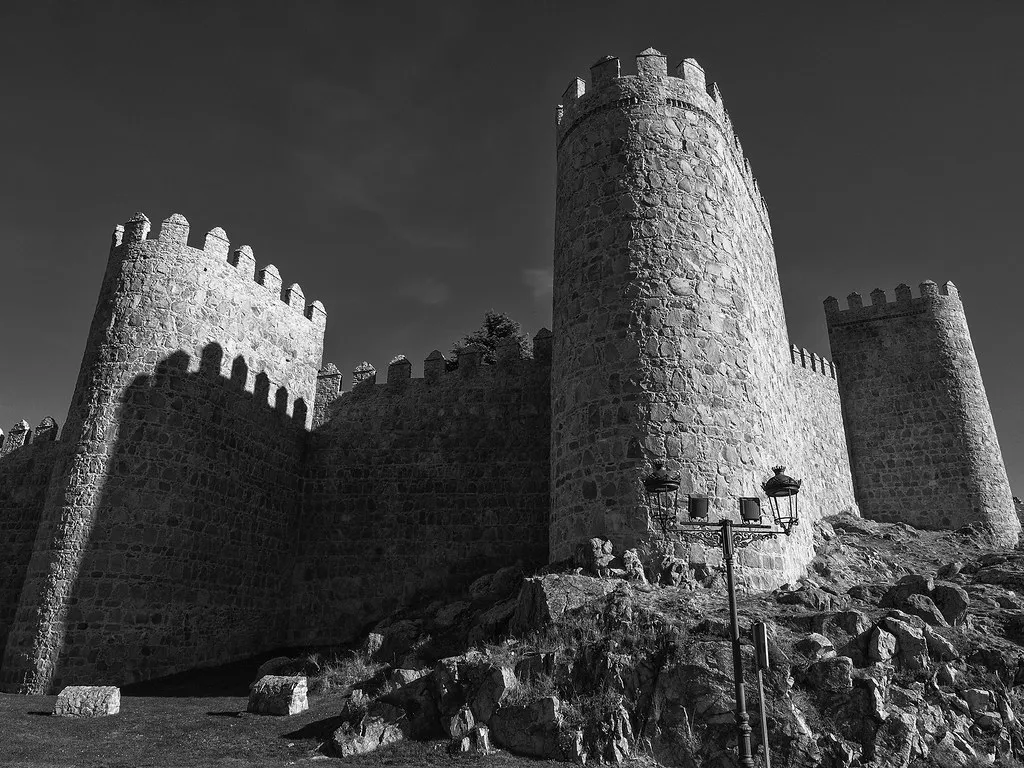
Avila sits just 110 km northwest of Madrid, yet it feels like a completely different world. Its medieval stone walls — 2.5 km of near-perfect battlements studded with 88 towers — circle the entire old town and have stood virtually unchanged since the 11th century. No other city in Spain gives you quite the same feeling of stepping inside a working medieval fortress.
The train journey from Madrid takes 1.5 hours and the old town is compact enough to cover on foot. You can walk the walls, visit the cathedral, follow Saint Teresa's footsteps through the narrow streets, and still catch the last train back. This guide covers everything you need for a well-paced day trip in 2026.
Plan with trusted sources: cross-check opening hours and seasonal details with the official Madrid tourism site, and read more about the city on its Wikipedia entry before you go.
How to Get to Avila from Madrid
The easiest option is the Renfe train from Madrid Chamartín or Atocha. Regional trains run roughly every 30–60 minutes and take between 1 hour 30 minutes and 1 hour 50 minutes depending on the service. A one-way ticket costs around €10–€17. Book on the Renfe website or app a day in advance to lock in cheaper fares — prices increase closer to departure.
| Option | Departs from | Journey time | One-way price | Frequency |
|---|---|---|---|---|
| Renfe train | Chamartín / Atocha | 1h 30–50 min | €10–€17 | Every 30–60 min |
| Bus (Jiménez Dorado) | Estación Sur (Méndez Álvaro) | ~1h 40 min | ~€8 | Lower; last return ~18:00 |
| Guided day tour | Gran Vía area | ~9 hours total | ~€60 (incl. entry) | Daily departures |
The bus is slightly cheaper. Jiménez Dorado runs coaches from Estación Sur (Méndez Álvaro, accessible via Metro line 6 or Cercanías C5). The journey takes about 1 hour 40 minutes and tickets cost around €8 each way online. Bus frequency is lower — check the timetable in advance, as the last service back from Avila departs shortly after 18:00. Both the bus and train stations in Avila are next to each other, about 1.4 km from the old town walls.
A guided day tour is the third option. These depart from the Gran Vía area in central Madrid, last roughly nine hours, and typically include both Avila and Segovia with entrance tickets bundled in. If you want to tick both cities without worrying about transport logistics, the full-day guided tour is solid value at around €60 per person.
Avila's Altitude: Why You Need to Pack an Extra Layer
One practical detail most visitors miss: Avila stands at 1,131 metres above sea level, making it the highest provincial capital in Spain and one of the highest in all of Europe. That matters for a day trip from Madrid, which sits at around 650 metres. The temperature difference between the two cities can reach 8–10°C, especially in spring and autumn.
In winter, Avila regularly sees snow and sub-zero temperatures even on days when Madrid feels mild. In summer, the high altitude keeps afternoons pleasantly cool — a relief when Madrid is baking at 35°C. Whatever time of year you visit, bring a layer you can zip up. Cobblestoned Avila is also an exposed city with little shelter from wind, particularly on top of the walls.
The best months for a day trip are April to June and September to October. You get long daylight hours, manageable crowds, and comfortable walking temperatures. July and August are quieter than Segovia or Toledo but still draw visitors — start early to beat the midday heat.
Exploring Avila: City of Walls and Saints
The old town of Avila is compact — you can cross it on foot in 20 minutes. Most visitors enter through the Puerta de San Vicente, the most impressive of the nine city gates, located on the northeast side. From here the Basilica de San Vicente is directly in front of you, and the walled city spreads out behind the gate. Give yourself a moment to look up at the gate's twin towers before heading in.
Once inside the walls, the streets are narrow, mostly stone-paved, and free of heavy traffic. The layout can feel confusing at first — it helps to orient yourself around two squares. Plaza del Mercado Chico is the historic centre of the old town, roughly equivalent to a Plaza Mayor. Three sides are lined with arcade-fronted buildings; the fourth faces the church of San Juan Bautista. This is the best place to stop for lunch and a coffee. Plaza de Santa Teresa, just outside the walls on the south side, is where the Convent of Santa Teresa and the Church of San Pedro face each other across the square.
Avila's atmosphere is quieter and more lived-in than Toledo or Segovia. Around 6,000 people actually live inside the walled city, and the streets feel like a real town rather than a museum piece. That is part of its appeal.
Must-See Avila Attractions
The Muralla de Ávila (city walls) are the non-negotiable highlight. Buy a €5 ticket at the Puerta del Alcázar entrance and you get access to 1,700 metres of battlement walkway. The walls are 3 metres thick and 12 metres high, with towers rising to 20 metres. Walk the northern stretch first — it takes you along the full breadth of the old town with views over the Castilian plateau on one side and rooftops on the other. A separate shorter section at the Puerta del Alcázar can be walked first; your ticket covers both. Allow at least 45 minutes.
Avila Cathedral (Catedral de Cristo Salvador) costs €7 to enter and opens daily — check current hours on arrival as they shift seasonally. It is the oldest Gothic cathedral in Spain, built partially into the city walls themselves. The eastern apse forms part of the fortifications, which is why the exterior looks more like a castle than a church. Inside, the soaring vaulted ceiling and oversized stained glass windows are genuinely impressive. Allow 45 minutes.
The Basilica de San Vicente stands just outside the walls near the Puerta de San Vicente. Entry costs €3. This Romanesque basilica was built over the spot where three sibling martyrs — Vicente, Sabina and Cristeta — were killed under Emperor Diocletian. Head straight to the crypt when you enter: there is a carved cenotaph depicting the story in vivid detail. Saint Teresa famously removed her shoes here before beginning her 500 km walk across Spain to found convents of Barefoot Carmelites.
The Convent of Santa Teresa (Iglesia-Convento de Santa Teresa) is built over the house where Teresa was born in 1515. Entry is free. The chapel of birth inside is beautifully preserved, and a side room holds relics including the sole of one of her sandals and a finger from her right hand. The church is still actively used by worshippers, which gives it a living quality unlike the more tourist-oriented sites. The square outside has benches and a small statue of Teresa — a good spot to rest mid-afternoon.
Los Cuatro Postes (Four Poles Lookout) sits 2 km west of the old town on the far bank of the Adaja River. It is a simple structure — four stone columns supporting a cross — but the panoramic view of Avila's entire walled circuit from here is the iconic postcard shot of the city. Time your visit for late afternoon when the light falls across the walls. Public Bus 3 runs to the lookout; walking takes about 20 minutes from Plaza del Mercado Chico along a path that crosses the medieval Roman Bridge of Avila.
Museums, Culture, and the Old Town
The Avila Museum (Museo de Ávila) occupies the Palacio de los Deanes, a 16th-century palace near the cathedral. It covers the city's history from Celtic and Roman times through the medieval period. Standouts include a Celtic stone bull (verraco) and a Roman sculpture of Triton and Nereida from the 3rd century BC. Opening hours are Tuesday to Saturday 10:00–14:00 and 16:00–19:00; Sunday 10:00–14:00; closed Monday. Admission is around €3, free on Sundays.
The Church of San Pedro (Iglesia de San Pedro) on Plaza de Santa Teresa is described by locals as "El Grande." It is a late Romanesque church with a Renaissance interior added in later centuries. The church is not always open to visitors, but if it is during your visit, step inside — an audio tour is available and covers the history concisely. Even from the outside it is one of the more handsome buildings on the square.
For the Teresa trail specifically, look for the shell symbols embedded in the pavement around the old town. These mark the Camino Teresiano pilgrimage route, which passes through 17 cities where Teresa founded Barefoot Carmelite convents. The route begins near the St. Teresa of Avila church and runs west toward the Roman Bridge — you can follow a section of it on your way to the Four Poles viewpoint.
Avila Food: What to Eat on Your Day Trip
Avila has two signature foods worth seeking out. The first is Yemas de Santa Teresa — small round sweets made from egg yolk and sugar, sold in boxes throughout the old town. The most common price is around €0.50 each; avoid paying more than that. Every bakery and sweet shop around Plaza del Mercado Chico stocks them. They are the city's most famous confection, named after the saint herself.
The second is Chuletón de Ávila, a thick-cut steak from the local Avileña-Negra Ibérica cattle breed, grilled over charcoal and served rare. It is Avila's main culinary claim beyond the yemas, and several restaurants around Plaza del Mercado Chico specialise in it. Expect to pay €20–€35 for a main course. If you prefer something lighter and cheaper, tapas and raciones are widely available at the arcaded cafes around the square — patatas bravas and jamón croquetas are reliable options.
For lunch, Plaza del Mercado Chico is the natural stop. Arrive between 14:00 and 15:30 for the full lunch service. Many restaurants offer a menu del día (set lunch menu) for €12–€16 including a starter, main, dessert, and wine. This is the best-value way to eat in Avila.
Family-Friendly and Budget-Friendly Tips
Avila is an easy city for families. The old town is compact, flat within the walls, and almost entirely car-free. Children under 12 typically enter the city walls free (verify at the ticket booth — policies occasionally change). The walls themselves are the most engaging attraction for kids: the battlements, the towers, and the views hold attention far better than most museums.
On a tight budget, the free sights are genuinely worthwhile. The exterior of the walls, the Puerta de San Vicente gate, the streets of the old town, the Plaza del Mercado Chico arcades, and the Four Poles viewpoint cost nothing. You can have a very good day spending only €5 (wall entry) plus transport and food. The cathedral and basilica add €10 total if you want to go inside both. The Avila Museum is free on Sundays.
The main cost risk for budget travelers is eating in tourist-facing restaurants near the cathedral. Walk one block deeper into the old town and prices drop noticeably. Look for places with handwritten daily specials boards — these tend to be the local lunch spots rather than the tourist-optimised ones.
Avila or Segovia? The Final Tally
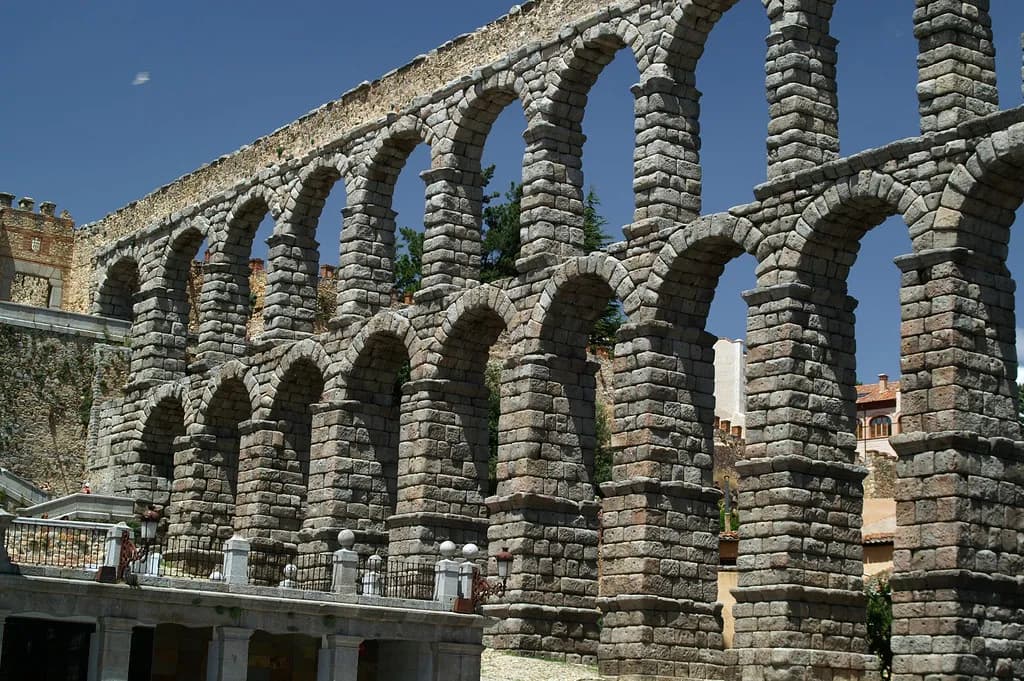
Both cities are UNESCO World Heritage sites, both are under two hours from Madrid, and both can be done as day trips. The question is which one suits your travel style. Avila is quieter, more intimate, and more spiritually charged. Segovia is more visually spectacular with a greater concentration of landmark monuments in a smaller area.
Choose Avila if: you want to walk inside a complete medieval fortification, you are interested in religious history and Saint Teresa, or you prefer a city that feels lived-in rather than tourism-oriented. Choose Segovia if: you want the Roman Aqueduct (one of the best-preserved in the world), the Alcázar castle (said to have inspired Disney's Snow White), and a more varied architectural spread in a single afternoon.
Combining both in one day is possible and popular, but it makes for a ten-hour day with compressed time in each city. If you want to actually walk Avila's walls and spend time in the cathedral, Avila alone is the better choice. Consider a day trip from Madrid dedicated to each city on separate days if your schedule allows.
One-Day Avila Itinerary from Madrid
The schedule below works for an independent traveller taking the early train. Adjust by 30–45 minutes if you take the bus.
- 08:30 — Board train from Madrid Chamartín or Atocha. Book the 08:00–08:30 departure to arrive before 10:00.
- 10:00 — Walk 15 minutes from Avila station to the Puerta de San Vicente. Pause to take in the gate and look east toward the Basilica de San Vicente.
- 10:15 — Visit the Basilica de San Vicente (€3, ~45 min). Don't skip the crypt.
- 11:15 — Enter the city walls at the Puerta del Alcázar (€5). Walk the northern section along the battlement. ~45–60 min.
- 12:30 — Avila Cathedral (€7, ~45 min).
- 13:30 — Lunch at Plaza del Mercado Chico. Try the menu del día or pick up Yemas de Santa Teresa from a sweet shop.
- 15:00 — Convent of Santa Teresa (free, ~30 min).
- 15:45 — Walk south through the Puerta de la Santa Teresa gate and stroll along Calle de Santa Teresa toward the viewpoint.
- 16:30 — Walk to Los Cuatro Postes (20 min on foot via the Roman Bridge) or take Bus 3. Stay for the afternoon light on the walls.
- 17:30 — Return to the station. Last trains to Madrid depart around 19:00–20:00; last buses around 18:00. Check the schedule before you go.
Total time on foot: approximately 6–7 km. Comfortable walking shoes are essential — the streets are cobbled throughout.
As you plan, our guides to Toledo Day Trip From Madrid Travel Guide and Segovia Day Trip From Madrid Travel Guide cover the rest of the essentials.
Frequently Asked Questions
Is Avila worth visiting for a day trip from Madrid?
Yes, Avila is definitely worth visiting for a day trip. Its incredibly preserved medieval walls offer a unique historical experience. The city provides a peaceful contrast to Madrid's energy and is easily accessible by train or bus.
How much time should you plan for an Avila day trip from Madrid?
Plan for a full day, typically 10-12 hours including travel time. This allows enough time to explore the city walls, visit key historical sites like the Cathedral, and enjoy a local meal. An early start is recommended.
Which Avila day trip from Madrid options fit first-time visitors?
First-time visitors will benefit from either a direct train or bus journey, focusing solely on Avila. Alternatively, a guided tour that includes Avila (and optionally Segovia) can simplify logistics. Prioritize walking the walls and visiting the Cathedral.
What should travelers avoid when planning an Avila day trip from Madrid?
Avoid trying to cram too many activities into one day, especially if combining cities without a tour. Don't forget to check opening hours for attractions, as they can vary seasonally. Also, avoid visiting without comfortable walking shoes.
Avila rewards visitors who slow down. Walk the full length of the battlement, sit in the square over a long lunch, and follow Teresa's footsteps to the Roman Bridge — the city gives back more the less you rush it. The trains run regularly, the old town is walkable in an afternoon, and it is the kind of place that stays in your mind long after a harder-to-reach destination fades.
You might also like


Continue reading
More guides you'll find useful