

Best Tapas In Madrid Travel Guide
Plan best tapas in Madrid with top picks, neighborhood context, timing tips, and practical booking advice for a smoother trip.
On this page
Best Tapas In Madrid: Your Ultimate Foodie Guide
Madrid's tapas scene is one of the most rewarding food experiences in Spain. Every neighborhood has its own character, its own staple dishes, and its own rhythm. Whether you want a quick standing bite at a century-old bar or a two-hour crawl through La Latina, this guide covers the best tapas in Madrid for 2026 — with specific bars, addresses, and what to order at each one.
Tapas are a social ritual as much as a meal. Madrileños move from bar to bar, drink in hand, sharing plates of jamón, croquetas, and patatas bravas. The custom is informal, loud, and deeply communal. Getting it right takes a little local knowledge — which is exactly what this guide provides.
Plan with trusted sources: cross-check opening hours and seasonal details with the official Madrid tourism site, and read more about the city on its Wikipedia entry before you go.
Madrid Tapas Bars 101
The word "tapa" comes from the verb tapar — to cover. The story goes that bartenders placed a small plate of food on top of a glass to keep flies out, and the custom of serving a free bite with every drink stuck. King Alfonso XIII reportedly issued an order in the thirteenth century requiring all establishments to serve food with alcohol, to prevent patrons from drinking on empty stomachs. The tradition is alive in Madrid in 2026, though the free tapa is now more common in old-school tabernas than in tourist-facing bars.
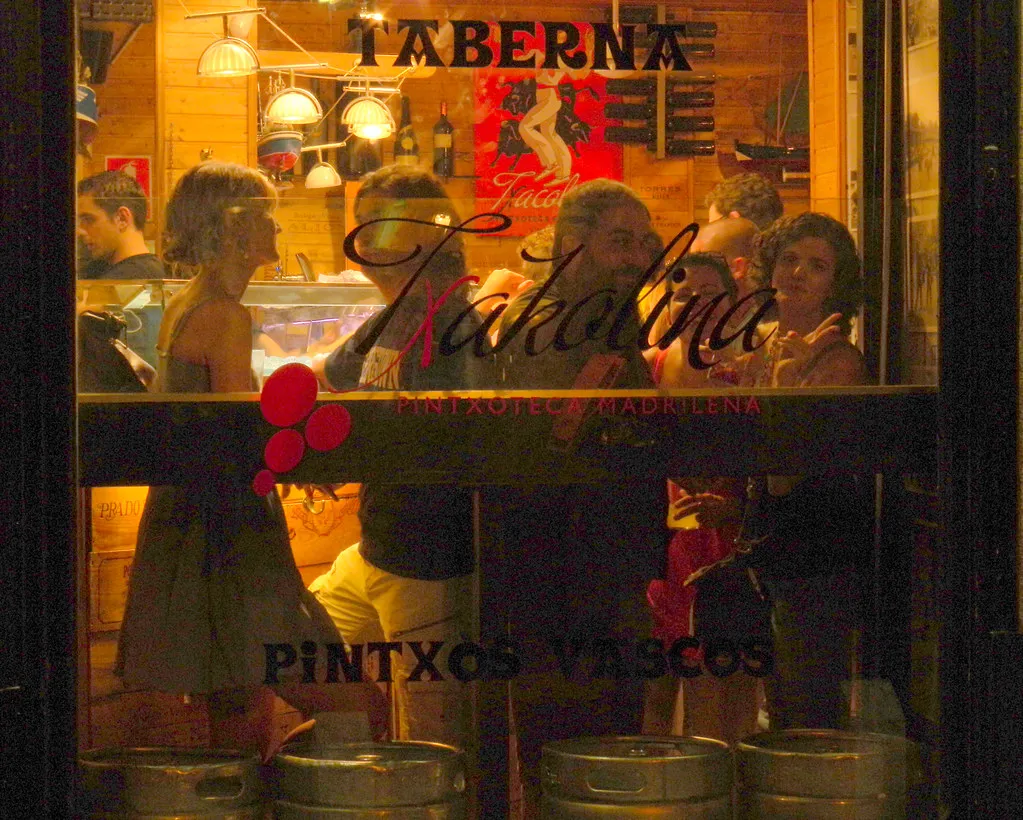
You will encounter three menu formats at Madrid tapas bars. A tapa is a single small portion — sometimes complimentary, often €2–4 if ordered. A media ración is a half-plate designed for two people to share, typically €5–9. A ración is a full plate for three to five people, running €10–18. For a crawl involving several stops, order one media ración per stop rather than a ración — it keeps the bill manageable and lets you eat at more places.
Common dishes you will see everywhere: patatas bravas (fried potatoes with brava sauce and aioli), croquetas de jamón (jamón-filled béchamel fritters), tortilla española (egg and potato omelet, served warm or room temperature), jamón ibérico (cured Iberian ham, sliced to order), and gambas al ajillo (prawns sizzled in olive oil and garlic). These are the benchmarks. A bar that does these well deserves a return visit.
Service at Madrid tapas bars is fast and direct. Bartenders will not come to you — you go to them. Make eye contact, speak up, and have your order ready. Do not expect a menu in English in the older neighborhoods. Pointing at what the person next to you ordered is entirely acceptable and often produces the best results.
The Best Tapas Bars in Madrid
The following bars are consistently recommended by locals and represent the full range of Madrid's tapas culture — from century-old taverns to gourmet market stalls. Addresses and must-try dishes are listed so you can plan a route before you arrive.
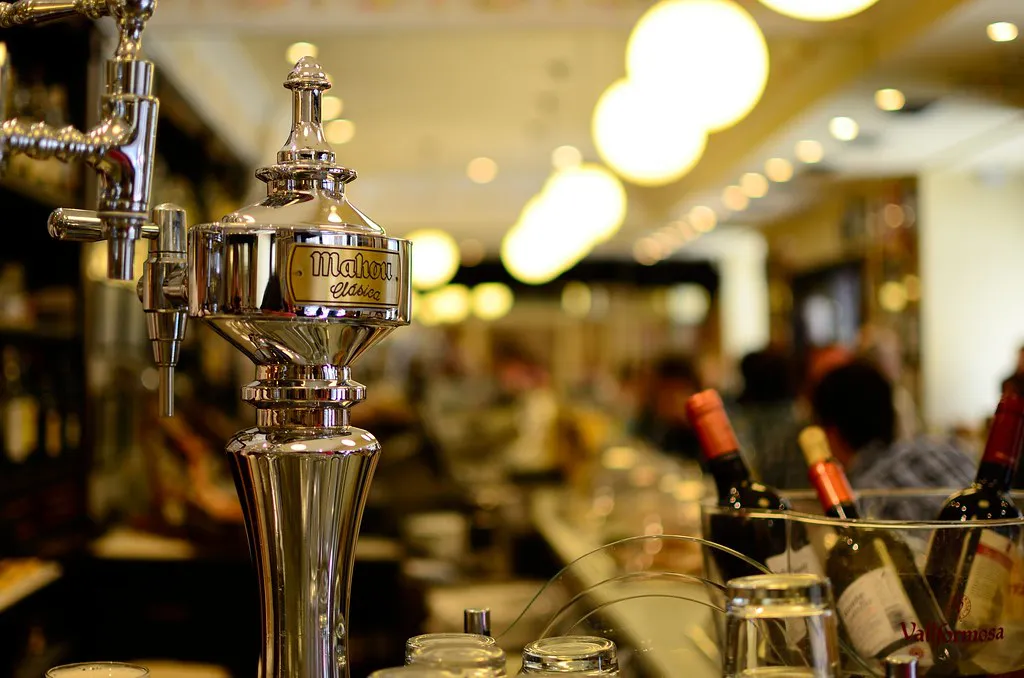
- La Casa del Abuelo — C. de la Victoria, 12, Centro. Open since 1906. Order the gambas al ajillo: sizzling prawns in garlic oil, served in a terracotta crock. The sweet house wine (El Abuelo) pairs perfectly. This is the bar that defines Madrid prawn culture.
- Casa Gonzalez — C. del León, 12, Barrio de las Letras. A deli-bar open since 1931. The front counter sells regional meats, cheeses, and wine by the glass. Head to the back room for a tasting plate of jamón and manchego. Their Muscat-Gewurztraminer white wine is exceptional.
- El Lacon — C. de Manuel Fernández y González, 8, Centro. Dating from 1911, inside a 17th-century mansion. Known for callos con garbanzos (tripe with chickpeas), pig's ear stew, and shark — adventurous but genuinely delicious. One of the most authentic old-guard bars in the city.
- Bar Postas — C. de Postas, 13, Centro. Between Plaza Mayor and Puerta del Sol. Famous for the bocadillo de calamares — fried calamari rings in a toasted baguette, under €4. Also order the patatas bravas. Cash-friendly and always busy at lunch.
- Casa Toni — C. de la Cruz, 14, Centro. A short walk from Puerta del Sol. The fried mushrooms and grilled chorizo are exceptional — the chorizo in particular is among the best in Madrid. Prices are low; the bar fills up fast after 20:00.
- Casa Alberto — C. de las Huertas, 18, Barrio de las Letras. Open since 1827. House-made vermouth on tap is the signature drink. Order the tortilla española and the squid. The bar fills completely by 21:00 on weekends, so arrive early or expect to wait outside.
- Bodega de la Ardosa — C. de Colón, 13, Malasaña. A nineteenth-century bodega with wooden beams and vintage tile. Famous for its croquetas and artichokes. Also serves tortilla española made fresh to order — worth the 15-minute wait. One of the best-value bars in Malasaña.
- Mercado de San Miguel — Pl. de San Miguel, s/n, Centro. An iron-and-glass market from 1916, renovated into a gourmet food hall in 2009. Prices are higher than a traditional taberna (€4–8 per tapa), but the variety is unmatched. Go when the market opens at 10:00 on weekdays to avoid the midday crush.
| Bar | Neighborhood | Must-Order | Avg. Price / Tapa |
|---|---|---|---|
| La Casa del Abuelo | Centro | Gambas al ajillo | €6–8 |
| Casa Gonzalez | Barrio de las Letras | Jamón & manchego plate | €5–9 |
| El Lacon | Centro | Callos con garbanzos | €5–8 |
| Bar Postas | Centro | Bocadillo de calamares | €3–4 |
| Casa Toni | Centro | Grilled chorizo | €4–6 |
| Casa Alberto | Barrio de las Letras | Tortilla española | €4–7 |
| Bodega de la Ardosa | Malasaña | Croquetas | €4–6 |
| Mercado de San Miguel | Centro | Varied gourmet tapas | €4–8 |
For a splurge, El Botin Restaurant & Tapas Bar at C. de Cuchilleros, 17 has been open since 1725 — the Guinness-certified oldest restaurant in the world. The must-order is the suckling pig (cochinillo asado), roasted in a wood-fired oven. Reserve well in advance; tables fill up weeks ahead in summer.
Best Neighborhoods for Tapas in Madrid
La Latina is the most celebrated tapas neighborhood in Madrid, and it earns that reputation. Calle Cava Baja alone has more than 50 tapas bars in a single short street. Sunday is the peak day: by noon the sidewalks are full of locals doing the tapeo before lunch. The neighborhood also rewards those who wander off the main strip — family-run bars serving grilled sardines, hole-in-the-wall spots pouring house vermouth, and creative modern bars are all within two blocks of each other.
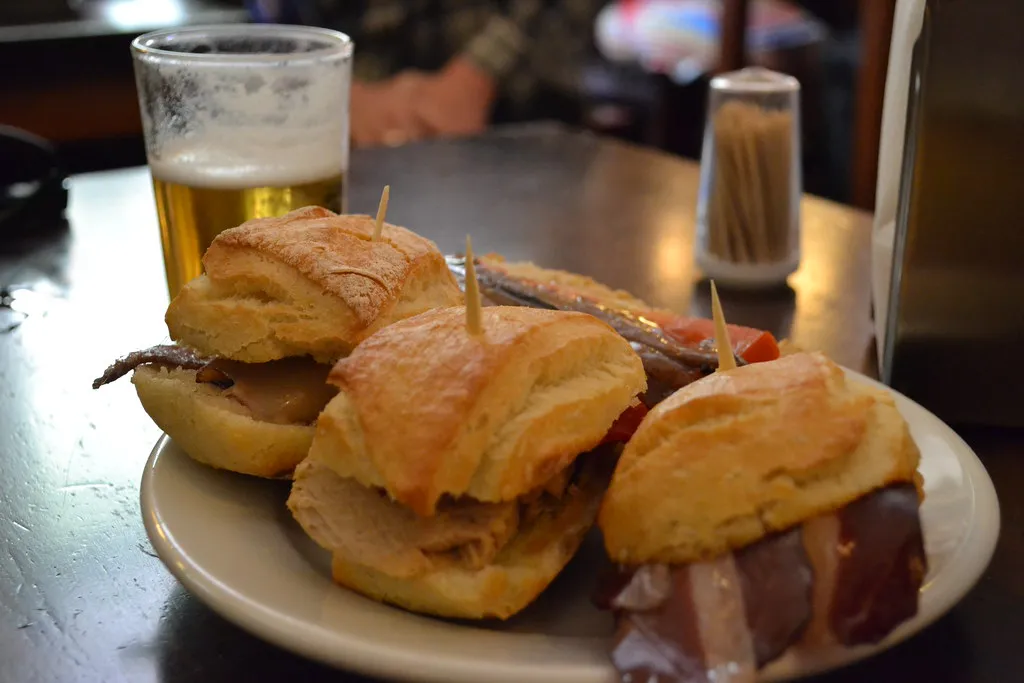
Barrio de las Letras (the Literary Quarter) around Calle de las Huertas and Calle del León is the best single concentration of high-quality traditional tapas. Casa Gonzalez, El Lacon, Casa Alberto, and Casa Varona are all within a five-minute walk of each other. This is where most local food writers would take a friend on their first night in Madrid. The neighborhood is walkable, well-lit, and active from 19:00 until well past midnight.
Malasaña is often dismissed as a hipster neighborhood, but it has serious tapas credentials. Bodega de la Ardosa has been here since the 1890s. The neighborhood also has a strong young-chef scene, with modern bars reinterpreting classics. Malasaña is the best area for creative tapas alongside wine bars with serious Spanish wine lists.
Huertas and Calle de Jesús, running east from the Prado Museum toward Retiro, offer a tight strip of traditional tapas bars that attracts a mix of locals and visitors. This is a good option after a museum visit — the bars start to fill around 20:30 and stay busy until midnight. Expect smaller menus than in La Latina but higher average quality per dish.
The Sunday Vermut Ritual Most Visitors Miss
Between 11:00 and 14:00 on Sundays, Madrid operates on a separate culinary schedule that most tourists never discover. This is la hora del vermut — the vermouth hour. Locals gather at tabernas for a glass of house vermouth (served on tap, slightly sweet, often spiced with orange peel and cinnamon), accompanied by a small tapa of olives, anchovy, or a slice of jamón. It is a pre-lunch ritual, not a drinking session, and it is one of the most distinctly Madrileño experiences in the city.
The best bars for Sunday vermut are in La Latina and Malasaña. At Taberna La Concha (C. de la Cava Baja, 7, La Latina), the house vermouth cocktail has been called one of the best in Spain — they also offer a rare gluten-free menu. Bodega de la Ardosa in Malasaña pours their vermouth from a brass tap into small glasses alongside marinated anchovies. At Casa Alberto in Barrio de las Letras, the house vermouth has been made in-house since 1827 and costs around €2.50 a glass.
The Sunday vermut crowd clears by 14:30 when families sit down for lunch. If you arrive after 14:00, you have largely missed it. Come before noon, stand at the bar, order a glass of vermut and whatever tapa appears alongside it, and watch the neighborhood wake up around you. No reservation, no menu consultation required — just show up.
How to Plan a Tapas Crawl in Madrid
A successful tapas crawl means visiting three to four bars in one neighborhood over two to three hours. Pick a single barrio as your base — La Latina or Barrio de las Letras are the best starting points — and move on foot. Madrid's compact historic center makes it easy to walk between stops without losing momentum.
At each bar, order one or two dishes per person and one drink. The goal is variety, not volume at a single stop. Pay and move on after 30–45 minutes. Do not try to do La Latina and Malasaña in the same evening on a first visit — they are 20 minutes apart on foot and the energy shift between neighborhoods breaks the rhythm. Do one neighborhood well, then return to the other on a different night.
Timing matters. Traditional tapas bars open for lunch service from around 13:00 to 16:00, close, then reopen for evening from around 20:00. Madrileños eat dinner between 21:00 and 23:00. If you arrive at 19:30, the best bars will be quiet and you will get immediate bar space. By 21:30, they will be full. Both experiences are valid — the quiet version lets you eat and talk; the packed version feels like the real city. First-timers should aim for 20:00 to 21:00 as a sweet spot.
Consider a guided tapas tour for your first visit, especially if you do not speak Spanish. A local guide handles orders, explains what to try, and introduces you to bars that do not advertise. Tours in Madrid typically run €55–65 per person and cover three to four stops with a drink and tapa at each. The best tours cap groups at eight people.
Family-Friendly and Budget-Friendly Options
Madrid is one of the most affordable major European capitals for eating out. A full tapas crawl covering three stops with two dishes and a drink at each rarely exceeds €25 per person. Budget travelers should focus on the Centro and Barrio de las Letras neighborhoods, where traditional bars still offer a free tapa with every drink order — most often olives, bread, or a small slice of jamón.
Bar Postas near Plaza Mayor is one of the best-value bars in Madrid. The bocadillo de calamares costs under €4 and is filling enough to stand as a light lunch. La Casa del Abuelo on Calle de la Victoria serves a half-portion of garlic prawns for around €7 — enough for one person, or to share as a single tapa in a crawl. Casa Toni near Puerta del Sol keeps mushrooms and chorizo under €5 per plate.
Families with children are genuinely welcome in Madrid tapas bars — far more so than in northern European restaurant culture. Most bars do not have high chairs, but outdoor tables are common in spring and summer. The Sunday vermut hour (11:00–14:00) is an especially family-friendly window, when bars are not yet packed and the mood is relaxed. For an organized family-friendly experience with guides who adapt the route for kids, the Walk and Eat Spain family tapas tour in La Latina is worth considering.
Avoid Mercado de San Miguel for budget dining — it is excellent for variety and atmosphere, but prices run two to three times higher than a local taberna. Treat it as an experience rather than a meal stop if you are watching costs. The same applies to bars directly on Plaza Mayor, which charge a premium for outdoor seating.
What to Drink with Tapas in Madrid
The default drink with tapas in Madrid is a caña — a small draught beer, typically 200ml, poured cold and served immediately. It costs €1.50–2.50 in most bars. Order one per stop rather than a large beer, so you stay mobile and your glass stays cold. A clara is a caña mixed with lemon soda — refreshing in summer.
Spanish wine deserves a place in your crawl. Madrid sits near three major wine regions: Ribera del Duero (full-bodied red, Tempranillo-based), Rioja (lighter red with oak aging), and Rueda (crisp white, Verdejo grape). Ask the bartender for a glass of house red or white — "un vino de la casa, por favor" — and you will typically get a decent regional pour for €2–4. Casa Gonzalez has one of the best wine lists of any tapas bar in the city, with bottles from across Spain sold by the glass.
Tinto de verano — red wine mixed with lemon soda or Casera (a Spanish lemon fizz) — is the local summer drink, and more common in traditional bars than sangria. Sangria is not a traditional tapas drink in Madrid; you will see it on tourist menus, but locals do not order it at a taberna. If someone at a local bar asks "tinto de verano o sangria?", order the tinto de verano. It costs less and tastes cleaner alongside food.
How to Order Tapas in Madrid Like a Local
Walk in, find a space at the bar, and wait to make eye contact with the bartender. Do not wave aggressively or click your fingers. A brief nod and a ready order work best. State your order clearly: "Una caña y una ración de croquetas, por favor." Point at the display case if you see something you want. Dishes that come out of the kitchen (rather than from the display case) are almost always better — if you see something being carried to another table, ask what it is.
At busy bars on weekend evenings, the bartender will often shout "¿qué va a tomar?" ("what are you having?") the moment you reach the bar. Have your order ready. Hesitating can mean getting passed over until the next round of orders. This is not rudeness — it is the operational reality of a bar serving 80 people at once. Go with it.
Pay bar by bar, not at the end of an evening. At each stop, when you are ready to leave, signal the bartender: "La cuenta, por favor." Tipping is not obligatory at tapas bars, but rounding up to the nearest euro is standard. For a seated dinner-style service, 5–10% is appropriate. Do not over-tip — it marks you as a tourist and inflates expectations for other foreign visitors.
Plan your tapas evening as part of a broader what to eat in Madrid to connect bars with day activities in the same neighborhoods. You can also slot a tapas crawl into a 3-day Madrid itinerary without disrupting museum and monument visits — tapas bars peak after 20:00 when the major sights have closed.
Frequently Asked Questions
IS TINTO DE VERANO BETTER THAN SANGRIA?
Tinto de Verano is often preferred by locals as a refreshing drink. It is simpler, typically red wine mixed with lemon soda or lemonade. Sangria, while popular with tourists, is usually sweeter and more complex. Both are excellent choices for enjoying with tapas in Madrid.
What is a tapas tour?
A tapas tour involves visiting several tapas bars, often with a local guide. Guides help you navigate menus, order local specialties, and learn about the culture. These tours are excellent for first-time visitors to Madrid. They ensure you try the best tapas in Madrid.
Why do a tapas tour in Madrid?
A tapas tour in Madrid offers several benefits for travelers. It helps overcome language barriers and introduces you to authentic local spots. You can taste a wider variety of tapas and learn about Spanish culinary traditions. It is a fantastic way to experience Madrid's food scene deeply.
Which best tapas in Madrid options fit first-time visitors?
First-time visitors should explore traditional areas like La Latina and the city center. Bars such as Casa Gonzalez and El Lacon are excellent starting points. Consider a guided food tour for an organized introduction. These options provide an authentic taste of Madrid.
How much time should you plan for best tapas in Madrid?
Plan at least 2-3 hours for a proper tapas crawl in Madrid. This allows enough time to visit 3-4 bars and enjoy the atmosphere. Many locals extend their tapas experience late into the evening. You can also incorporate tapas into a 3-day Madrid itinerary.
Madrid's tapas scene rewards preparation. Knowing which neighborhood to start in, which bars have the best croquetas, and when to show up makes the difference between a good evening and an exceptional one. Use the bar list and neighborhood guide above to plan a route before you arrive, and build in enough flexibility to follow a recommendation from a bartender or fellow traveler along the way.
The Sunday vermut hour is the single most underrated experience on this list. If your visit includes a Sunday morning, clear your schedule from 11:00 to 14:00 and spend it standing at a bar in La Latina with a glass of house vermouth. That is the authentic heart of Madrid food culture — and almost no travel guide tells you it exists.
You might also like


Continue reading
More guides you'll find useful


