

Thyssen Museum Madrid Travel Guide
Plan thyssen museum madrid with top picks, neighborhood context, timing tips, and practical booking advice for a smoother trip.
On this page
Thyssen Museum Madrid
The Thyssen-Bornemisza National Museum sits on the Paseo del Arte, a five-minute walk from the Prado. It completes Madrid's art triangle alongside the Prado and Reina Sofía — but it covers everything the other two leave out: Italian primitives, Dutch Golden Age, Impressionism, German Expressionism, and American realism. Eight centuries of Western painting, hung in chronological order from the top floor down.
The Thyssen is the quietest of Madrid's three major museums. On a weekday morning before 11:00 you can have entire rooms to yourself — rooms that hold Caravaggios, Van Goghs, and Edward Hopper. That relative calm is one of the best reasons to visit. Combine your visit with other top things to do in Madrid for a full cultural day.
This guide covers the best works to seek out, the collection's unusual history, practical ticket and timing advice, and what first-timers most commonly wish they had known. Use it to plan a visit that feels deliberate rather than rushed.
Plan with trusted sources: cross-check opening hours and seasonal details with the official Madrid tourism site, and read more about the city on its Wikipedia entry before you go.
How did one family collect 800 years of art?
The collection began in the 1920s with Baron Heinrich Thyssen-Bornemisza, a German-Hungarian steel magnate with a serious passion for Old Masters. He amassed 525 paintings over his lifetime. After his death in 1947, his son Baron Hans Heinrich set about buying back the works from his relatives, then continued acquiring aggressively — expanding the collection into the second-largest private art collection in the world, after the British Royal Collection.
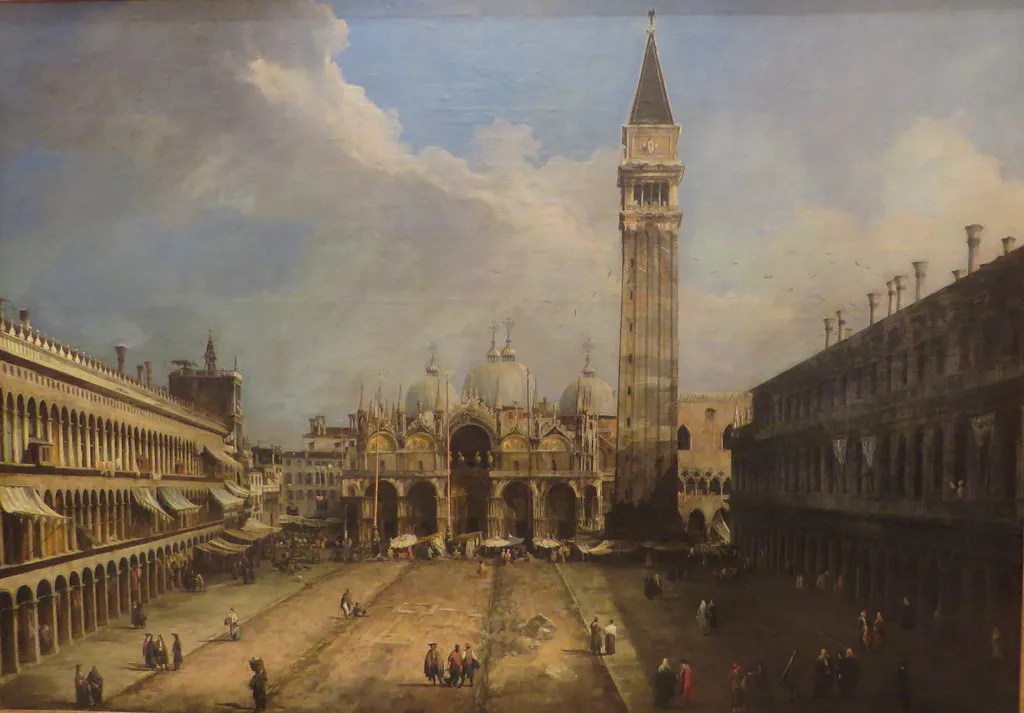
By the 1980s, the family villa in Lugano, Switzerland could no longer hold more than 1,600 paintings. Hans Heinrich received offers from governments around the world. Spain's pitch was the most persuasive. The architect Rafael Moneo converted the 18th-century Villahermosa Palace on the Paseo del Prado into the museum that opened in 1992. In 1993, the Spanish state purchased 775 works for $350 million.
Then there is the Carmen Thyssen collection. Carmen Cervera, Hans Heinrich's fifth wife, assembled her own 180 paintings independently — Dutch landscapes, Impressionist works, and 20th-century pieces. In 2022, she and her son Borja reached a new agreement with Spain's Ministry of Culture: the collection would be leased to the museum for 15 years at €6.5 million per year, with a purchase option at the end of the term. This deal is one of the most discussed arrangements in Spanish cultural policy. The Carmen Thyssen collection now occupies the entire ground floor, with its own entrance directly from the main hall — a detail that matters if you want to see it without paying the full admission fee for temporary exhibitions.
What are the best works to see at the Thyssen?
Start on Floor 2 in Room 5, where Ghirlandaio's Portrait of Giovanna Tornabuoni hangs. This 1488 Renaissance portrait of a young Florentine woman shows what money could buy in late 15th-century Florence — the jewels, the embroidered sleeves, the precise rendering of silk fabric. Carpaccio's Young Knight in a Landscape is in the same room. The museum considers it one of the first full-length portraits in Western art, and every element in the painting carries symbolic meaning.
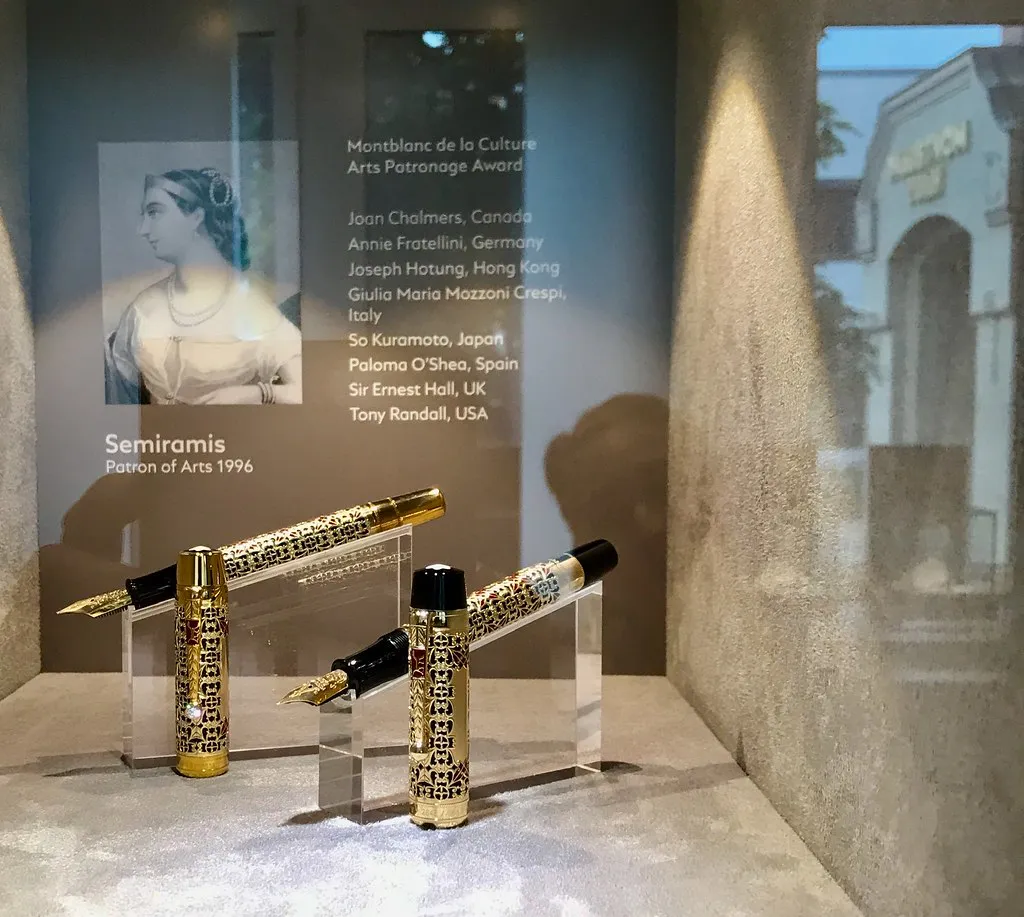
Also on Floor 2, seek out Caravaggio's Saint Catherine of Alexandria. The lighting is physical rather than decorative — a sword, a broken wheel, a live model pulled from the streets of Rome. Caravaggio painted in near-darkness and it shows. These rooms on Floor 2 cover the Renaissance and Baroque before handing off to the Dutch Golden Age, a section of the collection that is both extensive and underrated compared to the Prado's holdings.
On Floor 1, the German Expressionist rooms (35–40) are where the Thyssen's collection is strongest relative to any other museum in Spain. Ernst Ludwig Kirchner's Franzi in Front of Carved Chair is angular and deliberately unsettling — the wrong colours used to exactly the right effect. Nearby, Edward Hopper's Hotel Room on Floor 1 shows a woman alone on a hotel bed reading a train schedule. It is quiet and American in a way that stands out in a European museum. Visitors consistently remember this painting most.
The top-to-bottom route is intentional. Floor 2 starts in the 13th century and runs through the Baroque. Floor 1 picks up with Impressionists, Post-Impressionists, Expressionists, and Cubists. The ground floor Carmen collection concludes with post-war and 20th-century works. Walking down is walking forward through time — a clarity of organization the Prado does not offer.
What do most visitors wish they knew about the Thyssen?
Free Mondays are a trap for most visitors. Entry to the permanent collection is free every Monday from 12:00 to 16:00, sponsored by Mastercard. Queues wrap around the building. Galleries fill. The experience is fundamentally different from a paid weekday visit. If your schedule has any flexibility, pay the €13 on a Tuesday or Wednesday morning and arrive before 11:00 — you may have entire rooms to yourself.
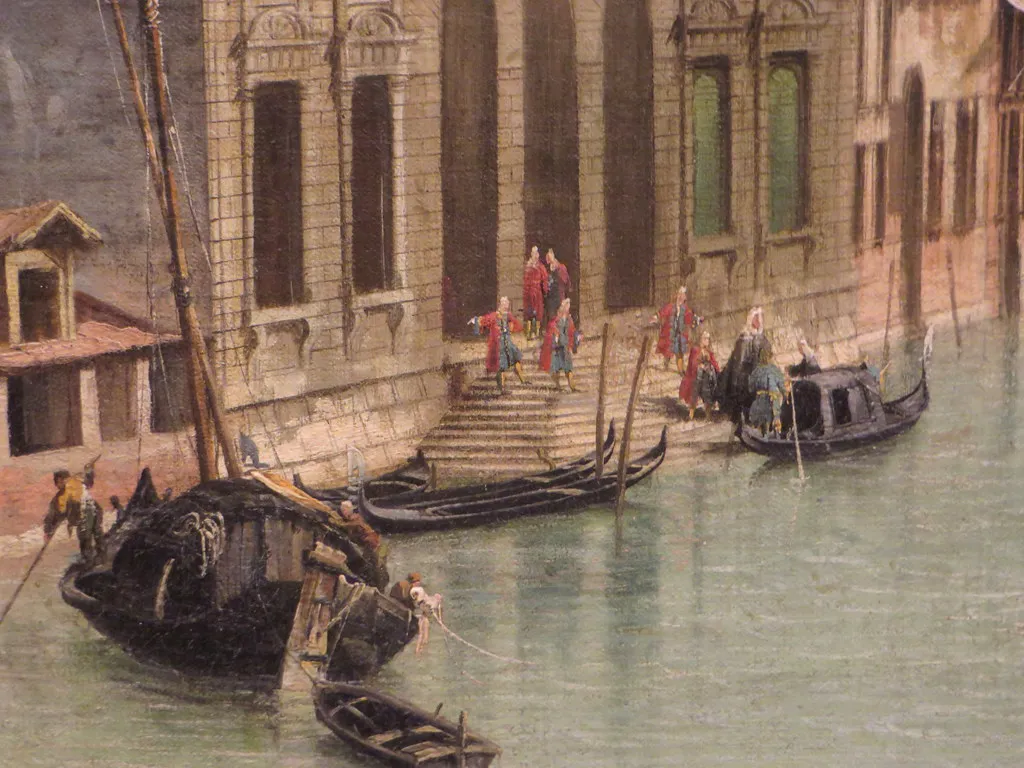
Photography is allowed throughout the collection, including the permanent galleries and the Carmen Thyssen floor. No flash, but no restrictions on phones or cameras. This is worth knowing in advance because the Prado prohibits photography entirely. You will not need to check your camera at the door here.
The audio guide costs €5 and runs as a web app on your phone — no device rental required. The museum offers two routes: a 30-minute route covering 15 masterpieces (useful if you are visiting all three Paseo del Arte museums in a single day) and a 2.5-hour floor-by-floor route for a deeper visit. If you have a free Monday slot and decide to go anyway, the audio guide is worth downloading before you join the queue.
The Thyssen is less crowded than the Prado and far less crowded than the Prado on a high-season weekend. This gap in visitor numbers rarely appears in travel advice but it meaningfully changes what standing in front of a Caravaggio feels like.
Tickets, Hours, and Practical Information
The museum is open Tuesday to Sunday 10:00–19:00. On Saturdays, closing time extends to 21:00. Monday hours are 12:00–16:00, free entry only. The museum is closed on specific public holidays — check the official website at museothyssen.org before visiting.
| Ticket Type | Price | Notes |
|---|---|---|
| General admission | €13 | Permanent collection |
| Students & seniors 65+ | €9 | Valid ID required |
| Under 18 | Free | All days |
| Monday 12:00–16:00 | Free | Permanent collection only, Mastercard sponsorship |
| Paseo del Arte card | €32.80 | Covers Thyssen, Prado, and Reina Sofía |
The Paseo del Arte card is worth buying if you plan to visit all three museums. Individual tickets total around €46 combined. The card saves roughly €13 and has no expiry deadline — you can spread the three visits across multiple days. Buy it at any of the three museum ticket offices or online.
Book online through museothyssen.org to choose a timed entry slot and skip the ticket queue. The Thyssen rarely sells out completely, but online booking saves 10–15 minutes on busy days. Temporary exhibitions on the ground floor and level -1 have free entry when available — check the schedule, as these change every few months in 2026.
The nearest metro stop is Banco de España on Line 2. Atocha station (Lines 1 and 3, and Cercanías trains) is a 10-minute walk south along the Paseo del Prado. The Prado Museum is a 5-minute walk south; the Reina Sofía is 10 minutes further near Atocha.
Family-Friendly and Budget-Friendly Options
Children under 18 enter free at all times. Families with children benefit most from visiting on a paid weekday morning rather than the free Monday slot — smaller crowds make it easier to move at a child's pace and linger in rooms with engaging works. The German Expressionist rooms on Floor 1 tend to grab younger visitors' attention: the colours are bold, the shapes are distorted, and the paintings invite a reaction.
The museum runs workshops for families and children on selected weekends. These are listed on the website a few weeks ahead and fill quickly. If you are travelling with children aged 6–12, check the museum's education calendar before booking your visit dates. The workshops are conducted in Spanish, though the museum staff at the desk can advise on suitable options for non-Spanish speakers.
For budget travellers visiting multiple museums, the Paseo del Arte card at €32.80 is the most reliable saving. If the Thyssen is your only museum stop, the free Monday slot is a real option — arrive at 11:30 to join the queue before the 12:00 opening rather than arriving at 12:00 and finding it already long. The café inside is priced at mid-range Madrid restaurant levels; cheaper alternatives are available on nearby Calle del Prado.
What's in the Area
The Thyssen sits at the northern end of the Paseo del Arte, Madrid's art mile. The Prado is a five-minute walk south and the Reina Sofía is another ten minutes beyond that. If you are combining all three in a single visit, the standard order is Prado in the morning, Thyssen after lunch, Reina Sofía in the late afternoon — the Reina Sofía stays open until 21:00 on Saturdays and most evenings.
Retiro Park is a ten-minute walk east of the museum. Its boating lake, rose garden, and weekend food stalls make it a natural end to a museum day. The Royal Botanical Garden (Real Jardín Botánico) is directly south of the Prado — a quieter alternative if Retiro is crowded. Both are free or very low cost to enter.
The neighborhood immediately around the museum — the streets between the Paseo del Prado and Huertas — has a high density of affordable lunch options. Calle de las Huertas and Calle del León are good choices for a sit-down meal between museum visits. Plaza de Santa Ana, ten minutes on foot from the Thyssen, is a comfortable place to decompress after a long museum morning. Find out more about what else to see nearby in the Retiro Park guide.
Getting Around Madrid
The Thyssen is on the Paseo del Prado, one of the most central streets in Madrid. Banco de España metro (Line 2) is the closest stop, a five-minute walk northwest of the main entrance. Atocha (Lines 1 and 3) works if you are arriving by train — it is a 10-minute walk north along the Paseo del Prado, passing the Reina Sofía on the way.
Bus lines 1, 2, 5, 9, 10, 14, 15, 20, 27, 34, 37, 45, 51, 52, and 74 stop near the museum on the Paseo del Prado or adjacent streets. The EMT bus app shows real-time departures. For visitors staying in central Madrid, walking is almost always the fastest option — most hotels between Gran Vía and Lavapiés are within 20 minutes on foot.
Taxis and rideshares drop off on the Paseo del Prado directly. There is no dedicated parking at the museum. If you are driving, the underground car park at Plaza de la Lealtad (a two-minute walk) charges standard Madrid rates. Madrid's metro day pass (€8.40) covers unlimited trips on metro and buses and is worth buying if you plan more than four journeys in a day. Find out more about navigating the city in the guide to getting around the city.
Frequently Asked Questions
Is the Thyssen Museum worth visiting?
Yes, the Thyssen Museum is absolutely worth visiting. It offers a unique collection that spans 800 years of European art. The museum fills historical gaps not covered by other major Madrid museums. It provides a comprehensive overview of diverse art movements.
How long do you need at the Thyssen Museum?
Plan for at least 2-3 hours to see the permanent collection at the Thyssen Museum. If you wish to explore temporary exhibitions, add another hour. A more leisurely pace allows for deeper appreciation of the artworks. Do not rush your visit for the best experience.
When is the Thyssen Museum free?
The Thyssen Museum typically offers free entry to its permanent collection on Mondays from 12:00 PM to 4:00 PM. Always check the official museum website for the most current information. Free entry times can be very popular, so expect larger crowds.
What are the best works to see at the Thyssen?
The Thyssen Museum features masterpieces across many periods. Look for works by artists like Jan van Eyck, Caravaggio, and Rubens. Do not miss Impressionist pieces by Monet and Renoir. The museum also showcases Post-Impressionist art from Van Gogh and Gauguin. Consider checking the museum's website for current highlights, such as From Canaletto to Kandinsky.
Which Thyssen Museum Madrid options fit first-time visitors?
First-time visitors should focus on the permanent collection's chronological flow. Start with the early European masters and progress through to modern art. Consider a guided tour for an insightful overview. Allow enough time to absorb the diverse artistic periods.
The Thyssen Museum Madrid offers a clean, chronological walk through 800 years of painting in a building quiet enough to let you think. Its permanent collection covers territory — German Expressionism, American realism, Dutch Golden Age — that no other museum in Spain matches in depth. The Carmen Thyssen collection on the ground floor adds a further 180 works under a distinct arrangement worth understanding before you arrive.
Plan for a Tuesday or Wednesday morning at €13, download the audio guide web app, and start on Floor 2. Two to three hours is enough to see the highlights without rushing. Combine the visit with the Prado or a walk through Retiro Park for a full Madrid art day.
You might also like


Continue reading
More guides you'll find useful


