14 Madrid Hidden Gems: Uncover Local Secrets & Unique Experiences (2026)
Discover Madrid's best-kept secrets! Explore unique hidden gems, local spots, and off-the-beaten-path attractions with our expert guide.
On this page
14 Madrid Hidden Gems: Uncover Local Secrets & Unique Experiences (2026)
After three visits to Madrid over five years, I've learned that the city's true magic often lies beyond the famous landmarks. While the Prado Museum and Plaza Mayor are essential, the real soul of Madrid reveals itself in its quiet corners and unexpected discoveries. This guide shares my favorite Madrid hidden gems, designed to help you experience the capital like a local in 2026.
Seeking out these unique Madrid experiences offers a richer, more authentic journey away from the typical tourist trails. You will uncover charming plazas, historic cultural centers, and tranquil parks that many visitors simply overlook. Let's dive into the secret spots that make Madrid truly special.
Plan with trusted sources: cross-check opening hours and seasonal details with the official Madrid tourism site, and read more about the city on its Wikipedia entry before you go.
Why Seek Out Madrid's Hidden Gems?
Madrid is a city of vibrant energy and rich history, but its most iconic sites can often be bustling with crowds. Venturing off the beaten path allows you to connect with the city on a more personal level. Discovering Madrid's hidden gems provides a unique perspective, offering moments of tranquility and genuine local interaction.
These lesser-known spots often tell a different story, showcasing the everyday life and nuanced culture of Madrid. You might stumble upon a quiet cafe with incredible local pastries or an art installation in an unexpected location. Embracing these alternative attractions enriches your overall travel experience significantly.
The best way to approach Madrid off the beaten track is to pick a neighborhood and wander it slowly. Most of the city's secret spots are concentrated in clusters — Conde Duque, La Latina, Lavapiés, and Barrio de las Letras all reward an unhurried morning on foot. For a deeper look at how the city divides up, read our guide to Madrid neighborhoods.
Mercado San Miguel: A Culinary Hidden Gem
Steps from Plaza Mayor, Mercado San Miguel is housed in a stunning 1916 Beaux-Arts iron-and-glass structure that survived decades of urban redevelopment. It reopened as a gourmet market in 2009 and has become a favorite for locals and food-savvy travelers alike. The building alone is worth a stop, but the food inside seals the deal.
Inside you will find dozens of tapas counters, cured-meat stalls, fresh seafood, patisseries, and vermouth bars. Go on a weekday morning between 10:00 and 12:00 when it is quieter and the stalls are freshest. By early evening it fills up, which creates a lively atmosphere if you prefer people-watching with your pintxos. Prices run roughly €2–€5 per tapa.
For a more local market feel at a fraction of the cost, cross the city to Mercado Antón Martín in Lavapiés. It has been gently gentrified without losing its neighborhood character — several stalls have become small innovative restaurants, and the vibe is decidedly non-touristy.
Museo Cerralbo: A Glimpse into Madrid's Aristocratic Past
This beautifully preserved 19th-century mansion in the Argüelles neighborhood showcases the opulent life of the 17th Marqués de Cerralbo, an archaeologist, poet, and obsessive art collector. He spent decades scouring the world for treasures, and every room reflects that passion — suits of armor from multiple continents, Oriental carpets, Van Dyck and El Greco canvases, and a full ballroom on the second floor.
The Marqués bequeathed the entire collection to the Spanish state on the condition it remain exactly as he arranged it. Nothing has been moved. Walking through the mansion, you get an unfiltered look at how wealthy Madrileños lived in the early 1900s — a feeling the larger city museums cannot replicate.
Entry costs around €3, free on Thursdays after 14:00 and on Saturday afternoons. Opening hours are Tuesday–Saturday 09:30–15:00 and Sundays 10:00–15:00. The nearest metro stop is Ventura Rodríguez (line 3). Allow 60–90 minutes.
Royal Palace and Royal Theater: Beyond the Main Tour
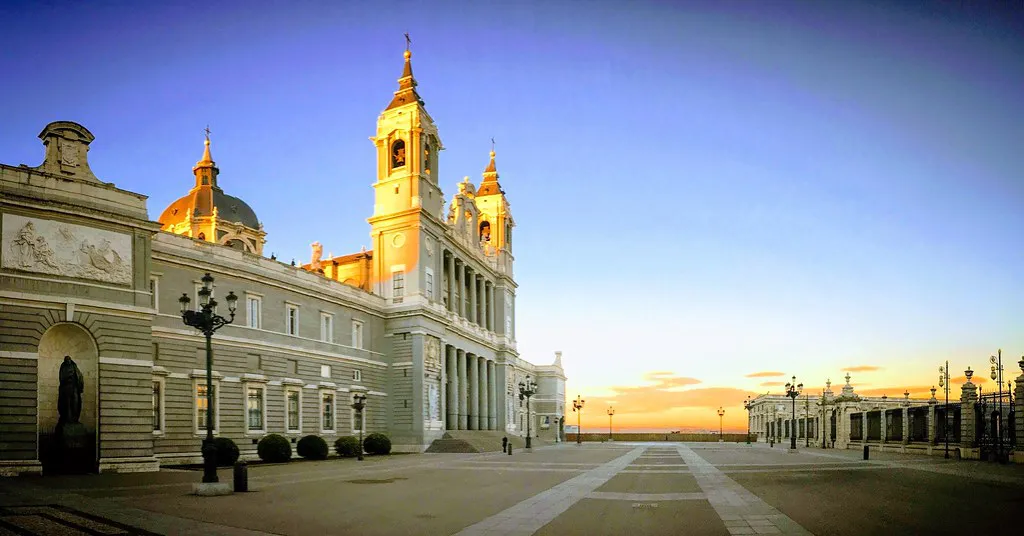
Most visitors queue for the Royal Palace interior (€14 entry, open daily 10:00–18:00) but overlook the large plaza between the Palace and the Almudena Cathedral. In the late afternoon the light softens across the western façade and the crowds thin out. It is one of the best free views in Madrid, particularly at sunset when the city's western edge glows behind the building.
Just two minutes away, the Teatro Real — Madrid's opera house — offers a side of the city that very few budget travelers consider. The main-hall tours run Tuesday–Sunday at 10:30, 12:00, and 13:00 (€9, book ahead via the Teatro Real website). If you want the full experience, a dinner at the building's rooftop restaurant pairs pre-show drinks with a city panorama. Opera and ballet tickets start from €20 in the upper tiers — a genuinely affordable luxury in a world-class venue.
The area between the Palace, the Teatro Real, and the Plaza de Oriente is also worth a slow stroll. The Plaza de Oriente contains equestrian statues and formal gardens that most tourists pass through quickly en route to the Palace. Sit on one of the benches for 20 minutes and you will see far more Madrileños than tourists.
Strolling the Lesser-Known Paths of Paseo del Prado and Recoletos
The Paseo del Prado is famous as the boulevard linking the Prado, Thyssen, and Reina Sofía museums, but most visitors move between those institutions by taxi or metro and miss the promenade itself. Walk it from south to north — the 1.2 km from Atocha station to the Cibeles fountain — and you will pass fountains, ornamental pools, and shaded benches that locals use for their morning coffee breaks.
Halfway along, tucked directly onto the Paseo, is the Museo Naval. Admission is free (a suggested donation of €3 is appreciated), and it is open Tuesday–Sunday 10:00–19:00. The collection charts Spain's naval history from Columbus' first Atlantic crossing to modern deployments. Original letters from Columbus to the Spanish crown, model galleons, and golden navigational instruments fill the galleries. Almost no casual tourists come here. It is a genuinely rewarding 45 minutes for anyone with any curiosity about the Age of Discovery.
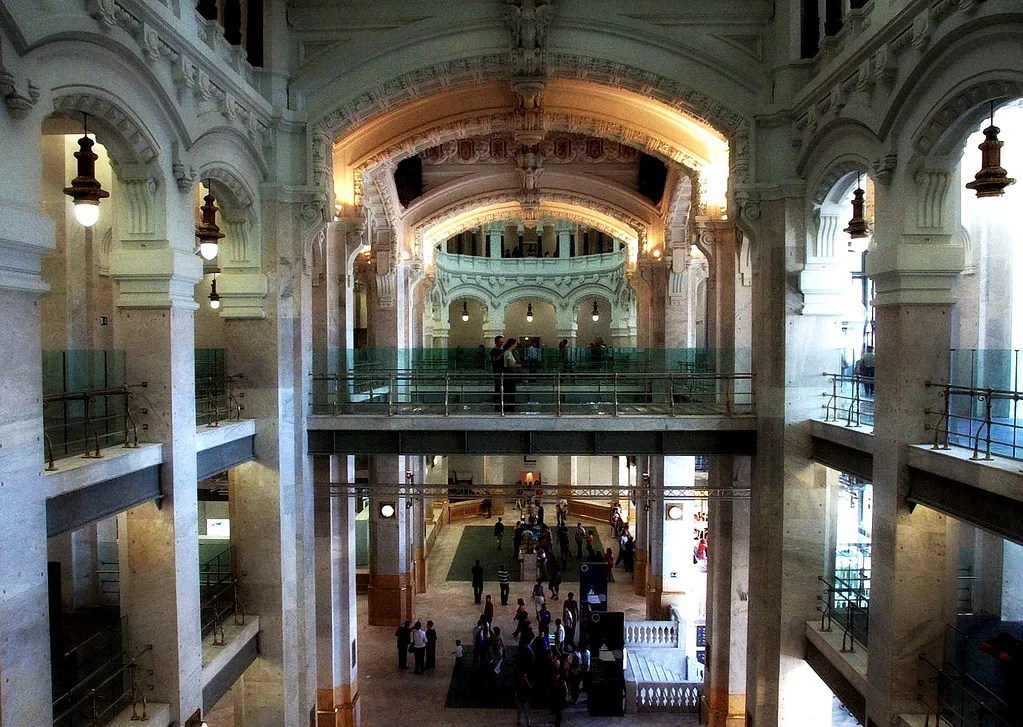
Continue north and Paseo del Prado becomes Paseo de Recoletos. The outdoor cafes here are more relaxed and cheaper than anything around Plaza Mayor. Order a cortado and a tostada con tomate at one of the terrazas and watch the city at street level. The Palacio de Comunicaciones (now CentroCentro) at the far end has a rooftop with free panoramic views of the Cibeles fountain and the Gran Vía — a detail almost no guidebook mentions.
El Capricho Park: An 18th-Century Romantic Escape
Nestled in the Alameda de Osuna neighborhood in Madrid's northeast, El Capricho is one of the few intact 18th-century Romantic gardens in Spain. The Duchess of Osuna commissioned it in 1784, and it still contains its original labyrinth, a small neoclassical palace, a lakeside promenade, and a bunker from the Spanish Civil War that served as one of General Franco's command posts.
The park is free to enter and opens on Saturdays, Sundays, and public holidays: 09:00–18:30 in winter and 09:00–21:00 in summer. Metro line 5 runs to Alameda de Osuna (a 10-minute walk from the park gate). Arrive early — spaces are limited and access is first-come, first-served. The park rewards a full two-hour visit.
Church of San Antonio de los Alemanes: Baroque Masterpiece
Often overlooked in favor of larger basilicas, this small Baroque church in Malasaña has one of the most visually overwhelming interiors in Madrid. The floor plan is elliptical — unusual for a Madrid church — and every centimeter of the ceiling and walls is covered in 17th-century frescoes by Luca Giordano and Francisco Ricci. Standing at the center and looking upward produces an almost disorienting effect.
The church was built in 1624 as a hospital chapel for Portuguese residents of Madrid. After Portugal regained independence in 1640, it passed to a German (alemán) brotherhood, hence the name. That layered history makes it genuinely interesting beyond its beauty. Admission is €2–€3; opening hours are Monday–Friday 10:30–14:00 and 16:30–19:00. There are no audio guides, so arrive with a short read of its history — the fresco program repays knowing who the figures are.
It sits on Calle de la Puebla, a three-minute walk from the Gran Vía metro station. You can visit it on the same morning as a wander through Malasaña, then continue up to the Conde Duque complex for the afternoon.
Matadero Madrid: From Slaughterhouse to Cultural Hub
This former municipal slaughterhouse in the Arganzuela district, beside the Madrid Río park, has been brilliantly transformed into a sprawling contemporary arts center. The complex opened in 2006 and now hosts exhibitions, film screenings, design workshops, theatre, and outdoor events across its network of repurposed industrial buildings.
Entry to the complex is free, though some ticketed events run €5–€15. The main halls are open Tuesday–Friday 16:00–21:00 and weekends 11:00–21:00 (hours vary by space — check the Matadero website before visiting). The riverside location makes it easy to combine with a walk along the Madrid Río parkway. It is a favorite among young Madrileños for weekend afternoon wandering, particularly on Sundays when the outdoor spaces buzz with activity.
Carabanchel: Madrid's Emerging Art District
Carabanchel, a working-class neighborhood in Madrid's south, has quietly become one of the city's most interesting art destinations over the past decade. The transformation began with independent artists priced out of Lavapiés moving south and converting old workshops and garages into studios and galleries. Today the district has a growing concentration of contemporary art spaces that operates completely under the tourist radar.
The most accessible way to explore it is via a street-art walk from the Oporto metro station (line 5). The murals here are on a much larger scale than anything in Malasaña, and several are by artists with international reputations — Fasim and El Niño de las Pinturas have works here. Bring a map from the Madrid Street Art Project website, which marks the key walls. Allow two hours and finish with lunch at one of the neighborhood's no-frills local bars where a menu del día runs €10–€12.
Carabanchel is not polished. That is the point. No souvenir shops, very few tourists, and a genuine sense that the creative energy is still early-stage. It is the closest Madrid comes to the feeling Lavapiés had ten years ago.
San Antonio de la Florida Chapel: Goya's Frescoes
This neoclassical chapel in the Moncloa-Aravaca district, beside the Madrid Río park, is famous for ceiling frescoes Goya painted in 1798 — depicting the miracle of Saint Anthony of Padua with a crowd of Madrid citizens, not the usual heavenly figures. It was a radical departure from convention and remains one of the most direct windows into Goya's genius.
The chapel is also Goya's final resting place. His remains were brought here from Bordeaux in 1919, though his skull was never recovered — a peculiarity the guides mention with some relish. Entry is free; hours are Tuesday–Friday 10:00–14:00 and 16:00–20:00, weekends 10:00–14:00. There is a second identical chapel next door (built later for regular worship) to preserve the frescoed original. Arrive in the morning when the side light is cleanest for viewing the dome.
Chamberí Ghost Station: A Journey Back in Time
The Estación de Chamberí, known locally as Andén Cero (Platform Zero), is a disused metro station preserved exactly as it looked when it closed in 1966. Advertising posters, original tiling, and wooden benches all remain, and live metro trains still pass through without stopping — creating an eerie effect as the carriages rush past the silent platform.
Entry is free. The station is open Friday 17:00–19:00, Saturday 11:00–13:00 and 17:00–19:00, and Sunday 11:00–15:00. Timed access is limited, so book online at the metro website in advance. The entrance is on Calle de Andrés Mellado in Chamberí. It takes around 45 minutes and combines well with a visit to the nearby Sorolla Museum — both are in the same neighborhood and within ten minutes' walk of each other.
Sorolla Museum: Light, Color, and a Serene Home
Joaquín Sorolla, the Valencian painter known for his luminous beach scenes and sun-drenched Mediterranean light, lived and worked in this Chamberí house from 1911 until his death in 1923. The museum preserves his personal studio, his collection of Andalusian ceramics and Moorish tiles, and the Andalusian-inspired garden he designed and planted himself.
The garden alone is worth the entry. It is one of the most peaceful spots in central Madrid — a compact, shaded space with fountains and vine-covered trellises that feels entirely removed from the city outside the walls. The museum is small enough to see properly in 90 minutes without rushing.
Note: the Sorolla Museum is currently listed as temporarily closed for renovation works. Check the museum website for reopening dates before visiting. When open, entry is around €3, free on Saturdays after 14:00 and on Sundays. It is near Rubén Darío metro station (lines 5 and 7). Combine it with the Chamberí Ghost Station for a full Chamberí afternoon.
El Cerro de los Locos: Sunset Views Off the Beaten Path
For panoramic sunset views away from the tourist crush at Templo de Debod, head to El Cerro de los Locos in the Dehesa de la Villa park in northern Madrid. The viewpoint looks west over the Casa de Campo and the Sierra de Guadarrama mountains — on clear days you can see the snowcap as late as May. The park itself is a large, undervisited green lung used mainly by local joggers and dog walkers.
It is a free outdoor location, best reached by bus (lines 43 and 44 from Moncloa). The sunset typically draws a small crowd of local families and photographers, not tour groups. Bring a picnic and arrive about an hour before sunset to claim a good spot. The walk back to Moncloa metro takes around 20 minutes along quiet residential streets.
Crypt of La Almudena Cathedral: A Peaceful Underground Sanctuary
Beneath the grand Almudena Cathedral lies a surprisingly atmospheric Neo-Romanesque crypt that most visitors simply do not know exists. It houses over 400 columns, each unique, and more than 400 tombs belonging to Madrid's noble families — the largest crypt in Spain by number of burial niches. The scale underground is more impressive than the cathedral above.
Entry costs around €1 and the crypt is open daily 10:00–20:30 (hours can shift seasonally — confirm on the cathedral website). The entrance is on the cathedral's north side, separate from the main door. The space is cool, quiet, and largely tourist-free. Allow 30–45 minutes. It pairs naturally with a stroll around the adjacent Plaza de Armas between the cathedral and the Royal Palace.
Barrio de las Letras, Cine Doré, and Lavapiés: A Literary Evening Route
Madrid's literary quarter takes its name from the 17th-century writers who lived here — Cervantes, Lope de Vega, and Quevedo all had homes within a few streets of each other. Lope de Vega's house at Calle de Cervantes 11 is open as a free museum (advance booking required via the Casa-Museo Lope de Vega website) and retains a 17th-century garden of fruit trees and box hedges that is one of the city's most unusual green spaces.
A few streets south, Cine Doré is a 1920s cinema restored to its original Art Nouveau form and run by the state Filmoteca Española. Tickets cost €3 and the program is strictly repertory — classic, foreign, and art-house films. Next door, Sala Equis occupies a former adult cinema converted into a cultural venue: natural wine, good cocktails, and a screen that runs until 01:00. Both are legitimate local institutions with a negligible tourist presence.
Cross Calle de Atocha into Lavapiés for dinner. The Mercado Antón Martín on the same street has been gently revitalized: stalls converted into small restaurants serve everything from innovative Spanish cooking at Doppelgänger Bar to Southeast Asian food. A full dinner runs €12–€18. Lavapiés itself, with its mix of immigrant communities, independent bookshops, and flamenco venues, is the kind of neighborhood you explore without a plan and leave with a long list of reasons to return.
Madrid Off the Beaten Track: A One-Day Itinerary
This route groups hidden gems by neighborhood to minimize transit time — the single most useful planning tip none of the major guides offer. Start in Conde Duque: breakfast at Plaza de las Comendadoras (Federal Café does excellent filter coffee), then wander through the Conde Duque cultural complex to see Pedro de Ribera's extraordinary 17th-century doorway and the small contemporary art museum inside. Allow 90 minutes.
Walk 10 minutes east to Malasaña. Visit the Church of San Antonio de los Alemanes (30 minutes), then continue to the Museo de Historia de Madrid on Calle Fuencarral (free entry, open Tuesday–Sunday 10:00–20:00) for the famous 17th-century Teixeira map of Madrid. From there, a 15-minute walk south brings you to the Chueca neighborhood and the Casa de los Siete Chimeneas — Madrid's most famous haunted house, now a government building, best seen from the plaza outside. Grab lunch at one of the neighborhood's terrazas.
In the afternoon, take metro line 1 to Atocha and walk the Paseo del Prado north, stopping at the Museo Naval (free, 45 minutes). Continue to the Paseo de Recoletos terraza strip for a coffee. By early evening, head to Barrio de las Letras: visit Lope de Vega's garden before it closes at 17:30, then settle in at Cine Doré or Sala Equis for a film and a drink. End the night with dinner at Mercado Antón Martín. Total transport cost for the day: around €3 for two metro rides.
| Time | Neighborhood | Stop | Duration | Cost |
|---|---|---|---|---|
| Morning | Conde Duque | Plaza de las Comendadoras + Conde Duque complex | 90 min | Free |
| Mid-morning | Malasaña | Church of San Antonio de los Alemanes | 30 min | €2–€3 |
| Late morning | Malasaña / Chueca | Museo de Historia de Madrid + Casa de los Siete Chimeneas | 45 min | Free |
| Afternoon | Paseo del Prado | Museo Naval + Recoletos terraza | 75 min | Free (€3 donation) |
| Early evening | Barrio de las Letras | Casa-Museo Lope de Vega garden | 45 min | Free |
| Evening | Barrio de las Letras / Lavapiés | Cine Doré or Sala Equis + dinner at Mercado Antón Martín | 3 hr | €3 + €12–€18 |
Planning Your Hidden Gems Adventure in Madrid
To truly enjoy Madrid's hidden gems, strategic planning is key. Many of these locations have specific opening hours or require advance booking, especially for free entry days. Always check official websites before your visit to confirm schedules and avoid disappointment.
Public transport in Madrid is excellent, making most hidden gems easily accessible by metro or bus. Consider purchasing a multi-day travel pass if you plan on visiting several spots across different neighborhoods. The Abono Turístico (Tourist Travel Card) covers unlimited metro, bus, and cercanías for one to seven consecutive days — the 2-day card costs €17 from any metro ticket machine in 2026.
Group your visits by neighborhood rather than by category. The Chamberí cluster (Sorolla Museum + Ghost Station) takes half a day. The Barrio de las Letras–Lavapiés route works well as an afternoon-into-evening combination. Carabanchel is its own half-day. For a deeper dive into specific areas, check out our guide to top things to do in Madrid for the full picture across all neighborhoods and budgets.
FAQs About Madrid's Hidden Gems
As you plan, our guides to Restaurants in Madrid for Foodies and Best Tapas In Madrid Travel Guide cover the rest of the essentials.
Frequently Asked Questions
What are the best hidden gems in Madrid for first-time visitors?
First-time visitors should prioritize Museo Cerralbo, El Capricho Park, and the Church of San Antonio de los Alemanes. These offer a blend of history, art, and tranquility without being too far off the central tourist routes. They provide a unique contrast to Madrid's more famous attractions.
How much time should I allocate for exploring Madrid's hidden gems?
To truly appreciate a selection of Madrid's hidden gems, plan for at least 3-4 days dedicated to exploration. You can group nearby attractions, such as the Sorolla Museum and Chamberí Ghost Station, to maximize your time. A single gem might take 1-2 hours, while a neighborhood exploration could be a half-day affair.
Are Madrid's hidden gems accessible by public transport?
Yes, most of Madrid's hidden gems are well-connected by the city's efficient metro and bus network. For example, the Museo Cerralbo is near Ventura Rodríguez metro station, and El Capricho Park has its own metro stop. Consulting a map and the EMT Madrid app will help you navigate easily.
What's the best time of year to visit Madrid's hidden gems?
Spring (April-May) and Fall (September-October) offer the most pleasant weather for exploring Madrid's hidden gems. Temperatures are mild, and the city is vibrant without the intense summer heat or winter chill. Visiting during these shoulder seasons also means fewer crowds at many attractions.
Are there any free hidden gems in Madrid?
Absolutely! Many hidden gems in Madrid offer free entry or free access on specific days. El Capricho Park, Chamberí Ghost Station, and the Museo de Historia de Madrid are all free to enter. Additionally, many churches, plazas like Plaza de las Comendadoras, and viewpoints like El Cerro de los Locos are always free to enjoy.
Madrid is a city that constantly rewards curious travelers willing to look beyond the obvious. These hidden gems offer a chance to connect with the city's authentic pulse, away from the well-trodden paths. Each discovery adds another layer to your understanding and appreciation of this dynamic Spanish capital.
Whether you're an art enthusiast, a history buff, or simply seeking a peaceful escape, Madrid's secret spots await. Embrace the adventure, allow for serendipity, and prepare to fall even more in love with the lesser-known side of Madrid. Your unique Madrid journey starts with these unforgettable discoveries.
You might also like


Continue reading
More guides you'll find useful