

15 Best Things to Do in Málaga (2026): Your Ultimate Guide
Discover the top 15 things to do in Málaga, from historic sites and museums to beaches and day trips. Plan your perfect trip with our expert guide.
On this page
15 Best Things to Do in Málaga (2026)
Málaga earns its reputation as Andalusia's most underrated city. After three visits over five years — most recently in autumn 2025 — I've watched it evolve from a ferry-transit stopover into a city that confidently rivals Seville and Granada for a traveller's full attention. Ancient Moorish fortresses share a hillside with a branch of the Centre Pompidou. Chiringuitos grilling sardines over driftwood fires sit minutes from Michelin-starred pintxos bars. This guide cuts through the noise and focuses on what actually matters for a visit in 2026.
Málaga's historic centre is compact enough to walk in a day but rich enough to fill a week. Its 28 centuries of Phoenician, Roman, Moorish, and Renaissance layering make every street corner a small discovery. The city is also the best-connected base on the Costa del Sol — Ronda, Nerja, Caminito del Rey, and even Córdoba are all reachable in under two hours. Use this guide to plan your priorities before you arrive.
Key Takeaways
- Quick Pick: Best Overall — Alcazaba and Gibralfaro Castle for layered history and panoramic views.
- Best Free Monday Hack — both the Alcazaba and Gibralfaro Castle are free to enter on Mondays.
- Best for Families — La Malagueta Beach for easy access; Parque de Málaga for shade and parakeets.
- Best Rainy-Day — Centre Pompidou Málaga or Picasso Museum for world-class art indoors.
- Don't Miss — espetos de sardinas at a chiringuito; the oldest tavern in the city (Antigua Casa de Guardia) for barrel-poured wines.
Plan with trusted sources: cross-check opening hours and seasonal details with the official Andalusia tourism board, and read more about the city on its Wikipedia entry before you go.
Top Attractions and Historical Sites
Málaga's Moorish and Roman past is visible everywhere, but three sites anchor the history of the city more than any others. The Alcazaba, Gibralfaro Castle, and the Roman Theatre form a single UNESCO-level cluster on the eastern edge of the historic centre. A combined ticket for the Alcazaba and Gibralfaro costs €5.50; on Mondays both are free. Go early — ideally before 10:00 — to beat the heat and the tour groups.
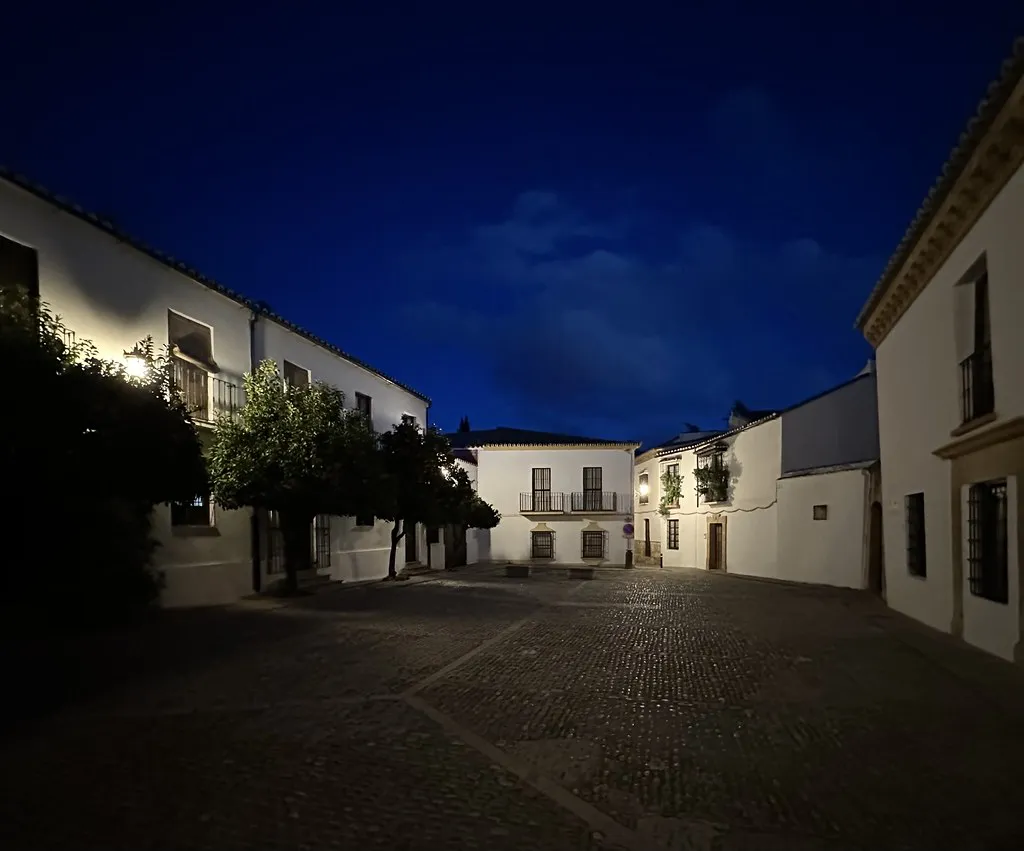
The Alcazaba is the most well-preserved Moorish citadel in Spain. Built in the 11th century on top of earlier Roman foundations, it rises in a series of gated courtyards filled with orange trees and fountains. Expect one hour inside; two if you linger. The ticket booth is halfway up the hill from the Roman Theatre — you can spot the fortress walls from almost anywhere in the old town.
From the Alcazaba, a footpath continues uphill to Gibralfaro Castle, a 10th-century fortification connected to the Alcazaba by a walled corridor called the coracha. The ramparts here sit higher than the Alcazaba and give you a 360-degree view: the cathedral rooftops below, the port to the south, the mountains to the north. Allow 90 minutes and bring water — it's a genuine uphill walk.
At the foot of both sites, free and open to the street, is the Roman Theatre. Built in the 1st century AD, it wasn't rediscovered until 1951 — buried under a later Moorish building and then a 20th-century culture centre. Walk the excavated tiers at your own pace; interpretive panels explain each layer. It takes about 30 minutes and costs nothing. Combine it with the Alcazaba visit for a three-millennium history lesson in one morning. See our dedicated guide to the Roman Theatre for visitor logistics.
Málaga Cathedral (La Manquita)
Málaga's cathedral took so long to build — construction ran from 1528 to the late 18th century — that the southern tower was never finished. Locals named it La Manquita, "the one-armed lady." The missing arm is actually part of its charm: what you see is a building caught mid-project, its Renaissance nave topped by an unfinished baroque tower that still dominates the skyline.
Entry costs €8 for the main interior. A separate rooftop ticket (€6) lets you walk the cathedral terraces at golden hour — the view of the city tilting toward the sea is hard to beat. Audio guides are available in English and worth taking; the commentary on the buried mosque foundations beneath the nave adds real depth to the visit. The cathedral is open Monday to Saturday 10:00–18:00; Sunday mornings are reserved for mass and tourists cannot enter during services. Read the full Málaga Cathedral guide for tower-climb timings and booking tips.
Inside, don't miss the carved cedar choir stalls — one of the finest examples of Renaissance woodwork in Andalusia. Look also for the subtle clues that the building occupies the site of the former Mosque of Málaga: the orientation of the apse, the surviving ablution fountain in the courtyard. The cathedral square itself is worth 20 minutes of sitting: street musicians, coffee from the stalls, and a slow look at the baroque facade before you go in.
Museums and Cultural Experiences
Málaga punches well above its weight for art. The city has invested heavily in its museum cluster since 2003, and the result is four serious institutions within walking distance of each other in the historic centre. Budget at least one full day if you plan to do more than one.
The Picasso Museum (Museo Picasso Málaga) is the obvious starting point. It occupies the 16th-century Palacio de Buenavista, the same street where Picasso went to school. The permanent collection spans 285 works covering all of his major periods — from early realist drawings through to Cubist canvases and late ceramics. Tickets are €12 for the permanent collection; €15 if you add the temporary exhibition. Book online to skip the queue. Free entry on Sundays during the last two opening hours. Open daily 10:00–19:00 (to 20:00 in summer). More detail in our Picasso Museum guide.
The Carmen Thyssen Museum focuses on 19th-century Andalusian painting — romantic bullfighting scenes, rural genre paintings, flamenco dancers in full costume. It's quieter than the Picasso Museum and often overlooked, which makes it a good choice for a Tuesday morning when you want space to look. Entry is €10; free every Sunday after 17:00.
The Málaga Museum in the Palacio de la Aduana is the largest in Andalusia and covers both archaeology and fine arts. The Roman section is the highlight: mosaics, sculpture, and amphorae from the city's Roman port fill the ground floor. Entry is free for EU citizens; €1.50 for others. Open Tuesday to Saturday 09:00–20:00, Sunday 09:00–15:00.
The Centre Pompidou Málaga is genuinely rare: an actual outpost of the Paris institution, not a travelling exhibition but a permanent presence, housed in a glass cube structure right at the Muelle Uno port. It holds around 90 works from the Pompidou's permanent collection — Frida Kahlo, Francis Bacon, Diane Arbus — rotated every four years. Entry is €9; free on Sundays. This is the one institution in Málaga that no competitor guide consistently highlights, and it's worth building your itinerary around a Sunday visit to catch both it and the Picasso Museum for free. Full details in our Centre Pompidou Málaga guide.
Outdoor Activities and Beaches
Málaga's city beach — La Malagueta — is 1.2 km of dark volcanic sand a 15-minute walk from the cathedral. The sand isn't the finest on the Costa del Sol, but the location is unbeatable. Chiringuitos line the back of the beach grilling espetos de sardinas on cane skewers over wood fires in old fishing boats. This is the city's signature food experience; budget €10–14 per person for a full grilled fish lunch with a beer. Go at 13:00–14:00 for the freshest catch. See our full guide to La Malagueta beach for the best chiringuito spots.
For less tourist density, continue east along the seafront promenade to Pedregalejo, a former fishing village absorbed by the city. The chiringuitos here are more local, the seafood just as good, and the beachfront houses beautifully dilapidated. A dedicated cycle lane runs along the seafront from Malagueta all the way to Pedregalejo and beyond — hire a bike from one of the docking stations near Muelle Uno for €2–3 per hour and make a morning of it.
The cycle route doesn't stop at Pedregalejo. Continue west from the city centre and you'll reach the Reserva Natural Desembocadura del Río Guadalhorce — a wetland nature reserve at the mouth of the Guadalhorce River, roughly 30–40 minutes by bike from the centre. This is one of the best birdwatching spots in Andalusia, with flamingos, herons, and dozens of migratory species visible from the hides. None of the major competitor guides mention it. Take water and snacks; there are no cafes inside the reserve.
Parque de Málaga connects the old town to the beach along the port. The palm-lined walkway is full of tropical plants, bronze sculptures, and the bright green monk parakeets that have colonised the city. It's free, always open, and a pleasant way to walk between the Muelle Uno area and La Malagueta on a hot afternoon.
Food, Drink, and Nightlife
Málaga's food culture rewards the curious. The default is tapas — but the city has its own distinct canon of dishes that differ from what you'll find in Seville or Granada. Espetos de sardinas are the headline act: fresh sardines grilled on cane skewers over a wood fire, served with lemon and coarse sea salt. Pescaíto frito (mixed fried fish) and ajoblanco (cold almond and garlic soup) are the other must-orders. Expect to pay €3–6 per tapa plate in the historic centre.
When ordering tapas, learn the portion sizes: a tapa is the smallest, a media is half-portion, and a ración is a full sharing plate. Most visitors order raciónes by mistake and end up with far more food than expected. Start with tapas, gauge your appetite, then order more — you can always add, but plates are hard to send back.
For specific spots: El Pimpi near the Alcazaba is the most famous bodega in the city, with wine barrels signed by Antonio Banderas and celebrity diners photographed on the walls. It's worth a drink even if the food is tourist-facing. More interesting for eating are La Tranca (traditional tapas bar on Calle Carretería, always packed with locals), Antigua Casa de Guardia (founded 1840, the oldest tavern in Málaga — bartenders chalk your running tab directly on the bar top and pour wines straight from barrels into small tumblers; try the sweet Málaga Virgen), and Bodega Bar Orellana near the market for morning vermouth.
Rooftop bars are a serious business here. The terrace at AC Malaga Palacio sits highest in the city centre — open to non-guests from 16:00 daily, with a queue in summer. Terraza de la Alcazaba has the best fortress views; Terraza San Juan puts you eye-level with a medieval bell tower. For the nightlife proper, the city doesn't properly come alive until after 22:00. Bars close around 02:00–03:00; clubs run until dawn. The area around Calle Granada and Plaza de la Merced is the best starting point. Check our guide to Málaga after dark for neighbourhood-by-neighbourhood coverage.
Atarazanas Market and Muelle Uno
The Mercado Central de Atarazanas is the city's main food market, housed in a remarkable 19th-century iron-and-glass structure built around the original 14th-century Nasrid gateway — the archway still stands at the far end of the hall. Inside, around 270 stalls sell fresh fish, Málaga cheeses, jamón, and the local Moscatel raisins. Arrive before 10:00 to see it at full pace. Entry is free; the market operates Monday to Saturday 08:00–14:00. The bars inside serve beer and seafood from early morning — Bar Central is the most local option. Our dedicated Atarazanas Market guide has stall-by-stall recommendations.
Muelle Uno — Pier One — is the contemporary counterpoint to the historic centre. The modern open-air complex stretches along the port with waterfront restaurants, boutique shops, and a small beach club at the far end. It's where the Centre Pompidou cube sits. Visit in the late afternoon for sunset over the harbour, followed by a cocktail at one of the port-level bars. Shops open from 10:00 to 22:00; restaurants run later. It's free to wander. The atmosphere is livelier at weekends when street musicians set up near the water. Full logistics in the Muelle Uno guide.
Festivals and Seasonal Events
Málaga's festival calendar is genuinely worth building a trip around. The two biggest are Semana Santa and the Feria de Málaga, but the city also runs Christmas light shows that draw visitors from across Andalusia every December.
Semana Santa (Holy Week, March or April depending on the year) is one of the most theatrical in all of Spain. Málaga's cofradías (brotherhoods) process enormous sculptural floats — called tronos — through the streets on the shoulders of bearers called portadores. The Málaga tronos are among the heaviest in Spain; watching a brotherhood carry a multi-tonne float through a narrow alley in silence is genuinely moving. Book accommodation months in advance; prices triple during Holy Week.
The Feria de Málaga runs for ten days every August, dating back to the reconquest celebrations of 1487. The city splits into two venues: the daytime feria in the historic centre (street stalls, flamenco, cold rebujito cocktails) and the nighttime fairground on the outskirts where the rides, casetas, and live music run until dawn. Entry to both is free. This is the largest summer festival in Andalusia by attendance. If your visit overlaps with the Feria, read our guide to the Málaga Fair for logistics and what to wear.
In late November and December, Calle Marqués de Larios — the city's main pedestrian street — hosts an extravagant Christmas light show with synchronised music and overhead displays that attract huge evening crowds. The Christmas market beside the cathedral runs until January 5th. The light show is free; simply walk along Larios any evening from 19:00 onwards to see it. Equally worth seeing in the lead-up to Christmas is the street art quarter around the Soho district, south of Alameda Principal, where large-scale murals by international and local artists cover the building facades.
Day Trips from Málaga
Málaga's geography makes it an exceptional base. The high-speed rail line puts Córdoba 50 minutes away; the motorway system reaches Ronda in 90 minutes. Most day trips require no car. See our full day trips guide for transport details on every route.
| Destination | Travel Time | Best Transport | Approx. Cost (one-way) | Best For |
|---|---|---|---|---|
| Caminito del Rey | ~1 hr | Tour or bus + walk | €10 entry + transport | Adventure, gorge walks |
| Ronda | 1h 45 min | Bus from main station | ~€8 | Scenery, historic old town |
| Nerja | ~1 hr | Bus | ~€5 | Beaches, cliffside promenade |
| Frigiliana | ~1h 15 min | Bus to Nerja + taxi | ~€5 + €5 taxi | White village, Andalusian charm |
| Córdoba | 50 min | AVE high-speed train | ~€18–30 | Mezquita-Catedral, history |
Caminito del Rey is the most popular day trip from Málaga in 2026. The 7.7 km gorge path through El Chorro was restored in 2015 and is now a safe but thrilling walk: boardwalks pinned to sheer limestone cliffs, 100 metres above the Guadalhorce River. Tickets are €10 entry plus transport. Book weeks or months in advance — daily visitor numbers are strictly capped and weekends sell out by February for the summer season. Join a guided tour for guaranteed entry and easy transport from Málaga. Allow a full day. Details in the Caminito del Rey guide.
Ronda is the classic half-day or full-day excursion. The town sits on a gorge 750 metres above sea level; the Puente Nuevo bridge spanning the 120-metre drop is one of the most photographed views in Spain. The old town (La Ciudad) contains a bullring from 1785 — one of the oldest in the country — Arab baths, and a palace quarter worth two hours. Travel time is 1h45 by bus from Málaga's main bus station; buses run several times daily from €8 each way. A tip from our last visit: instead of paying to enter the bullring, have a drink on the terrace of the Parador hotel opposite — same view, better value. Full logistics in our Ronda day trip guide.
Nerja and Frigiliana make an easy paired day trip by bus. Nerja sits 55 km east along the coast and is famous for the Balcón de Europa clifftop promenade and its series of coves. Frigiliana, 7 km inland and accessible by local taxi from Nerja, is one of Andalusia's best-preserved white villages. The bus from Málaga takes around one hour and costs under €5. See our Nerja day trip guide for timings.
Córdoba by train is the sleeper pick of the region. The Mezquita-Catedral — a 10th-century mosque with a Renaissance cathedral inserted into its hypostyle hall — is arguably the single most extraordinary building in Spain. Córdoba is 50 minutes from Málaga on the AVE high-speed train. Go on a weekday morning to beat tour groups to the Mezquita. Return trains run throughout the day; you can easily be back in Málaga for dinner.
Practical Tips for Visiting Málaga in 2026
Most visitors need 3 full days to cover the main historical sites, one museum, a beach afternoon, and one day trip. Add a fourth day for a second day trip or to explore the Soho and Pedregalejo neighbourhoods at a slower pace. See our how many days guide for itinerary breakdowns by trip length.
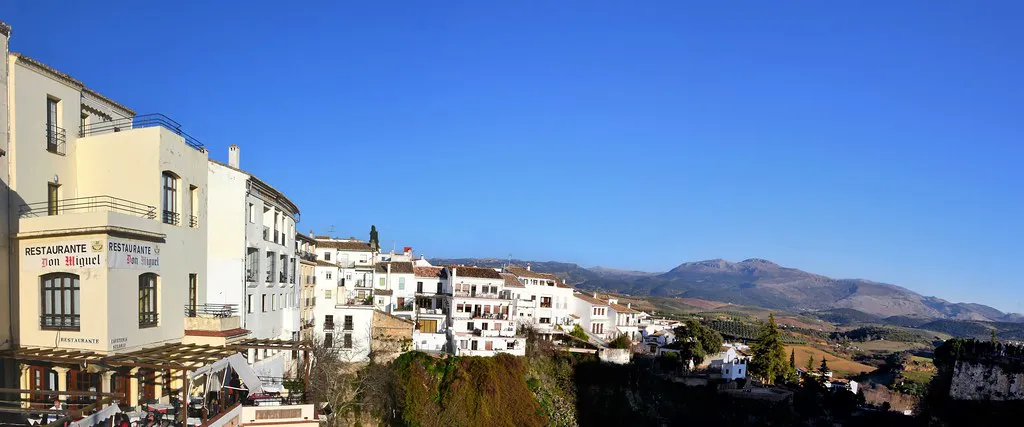
The best months to visit are April–June and September–October. Temperatures are 18–26°C, perfect for sightseeing and beach time. July and August are hot (regularly 35–40°C) and crowded; accommodation prices spike, particularly during the August Feria. Winter (November–February) is mild (12–18°C) and uncrowded, with some chiringuitos closed and the Caminito del Rey occasionally closed after rain.
Málaga's historic centre is highly walkable — the Alcazaba, cathedral, Picasso Museum, and Atarazanas Market sit within a 10-minute walk of each other. For the beach and Muelle Uno, add another 15 minutes on foot from the cathedral. The airport is 8 km from the centre; the C1 suburban train runs every 20 minutes and takes 11 minutes, costing €1.80. Taxis from the airport cost €15–22 depending on traffic. See our airport transfer guide for all options.
Key money-savers: both the Alcazaba and Gibralfaro are free on Mondays. The Picasso Museum and Carmen Thyssen are free on Sundays from 17:00. The Centre Pompidou is free every Sunday. The Málaga Museum is free for EU citizens year-round. Stack these on a Monday–Sunday itinerary and you can see four of the city's best institutions for nothing. The combined Alcazaba-Gibralfaro ticket (€5.50) is the best paid-entry value in the city.
Spanish mealtimes run later than most northern European visitors expect. Lunch is 14:00–16:00; dinner rarely starts before 21:00 and restaurants stay busy until midnight. Tipping is not mandatory but rounding up the bill or leaving 5–10% for good service is appreciated. Learn una caña (a small draft beer), una tapa de [dish], and la cuenta, por favor (the bill, please) — these three phrases will cover most bar interactions.
Flamenco Shows and Sightseeing Tours
Flamenco in Málaga is less showy than in Seville but more intimate. The main tablaos are small venues — 30 to 60 seats — where the distance between the dancer and the audience is sometimes just a metre. Tablao Flamenco Alegría near the cathedral runs nightly shows at 20:00 and 21:30; tickets are €28–35 including a drink. Kelipe is the most respected venue in the city for serious flamenco aficionados; shows run at 21:00 Thursday to Saturday. Book at least 48 hours in advance for either venue, especially in summer.
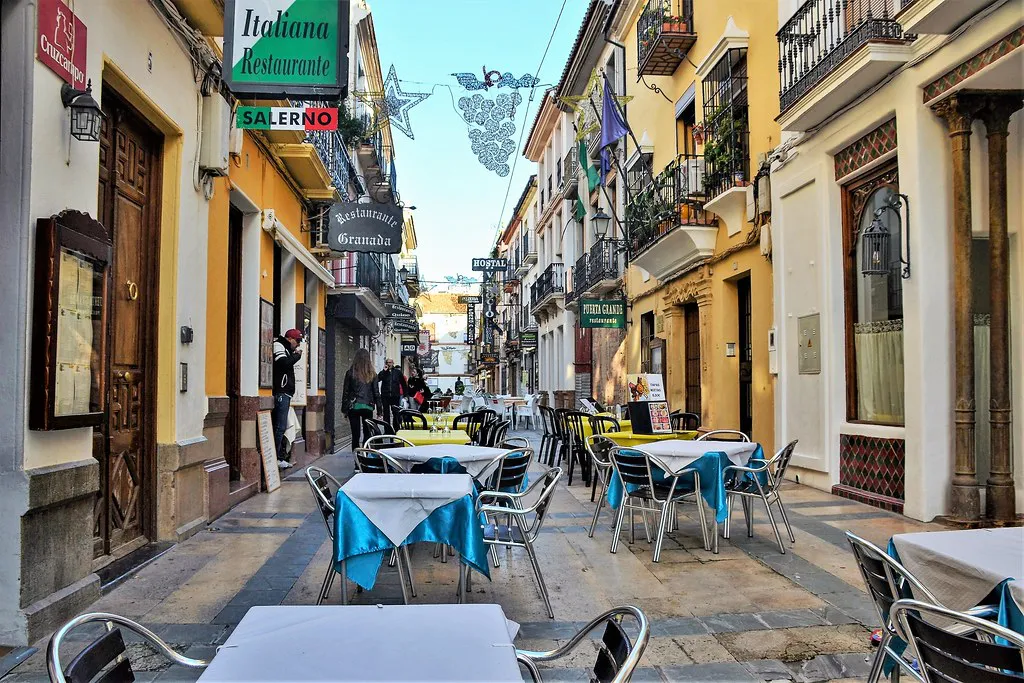
For orientation on arrival, a free walking tour is the most efficient first move. Tours meet at Plaza de la Constitución outside the cathedral most mornings at 10:00 and 14:00; guides work on tips. Paid small-group walking tours (€15–25) go deeper on specific themes — the Moorish history quarter, street art in Soho, or the food market circuit. Bike tours cover the waterfront from Muelle Uno to Pedregalejo in around two hours for €25–30 including hire. The hop-on-hop-off bus covers outlying attractions but is less useful if you're based in the walkable centre.
The Hammam Al Andalus Arab baths on Calle Tomás de Cózar deserve mention as an alternative cultural experience. The underground circuit of hot, warm, and cold pools replicates a traditional Moorish hammam. A basic 90-minute bath circuit costs €28; add a massage for €45–75. Book ahead — slots fill quickly in peak season. It's an excellent option for a rainy afternoon or a post-hiking recovery.
Frequently Asked Questions
How many days do you need in Málaga?
Most visitors find 2-3 full days sufficient to explore Málaga's main attractions, including its historic sites, museums, and beaches. If you plan to include day trips to nearby areas like Ronda or the Caminito del Rey, extending your stay to 4-5 days is recommended for a more relaxed pace.
Is Málaga walkable?
Yes, Málaga is very walkable, especially its charming historic city centre and the Muelle Uno waterfront area. Many key attractions are within easy walking distance of each other, allowing you to explore on foot. Comfortable shoes are a must for navigating the city's streets.
What is Málaga famous for?
Málaga is famous for being the birthplace of Pablo Picasso, its impressive Moorish Alcazaba fortress, and its beautiful beaches along the Costa del Sol. It's also renowned for its vibrant tapas culture, delicious local wines, and a rich history spanning Roman, Moorish, and Renaissance periods.
What are the best free things to do in Málaga?
Málaga offers several excellent free activities. You can explore the Roman Theatre, stroll through the bustling Atarazanas Market, relax on La Malagueta Beach, and wander the charming streets of the historic centre. Entry to the Málaga Museum is also free for EU citizens. Both the Alcazaba and Gibralfaro Castle are free on Mondays, and the Centre Pompidou Málaga is free every Sunday.
Málaga rewards the visitor who goes slightly beyond the obvious itinerary. The Alcazaba and Picasso Museum are essential, but the city's real character shows in a morning at Atarazanas Market, a cycle to Pedregalejo, a slow wine at Antigua Casa de Guardia, and an evening watching the Soho murals change colour in the fading light. This is a city that has figured out how to be genuinely Andalusian and internationally relevant at the same time — a balance very few places manage.
Use this guide to build your first draft itinerary, then let the city revise it for you once you arrive. Explore more with the linked guides below: the 3-day Málaga itinerary and the best places to eat are the logical next reads.
Explore More Málaga Guides
Plan every part of your trip with our complete Málaga guides — attractions, where to stay, food, day trips and more.
Itineraries & Trip Planning
- how many days you need
- a 3-day Málaga itinerary
- a one-day Málaga itinerary
- a 2-day Málaga itinerary
- the Málaga city pass
- whether Málaga is worth visiting
- practical travel tips
Top Attractions
Neighborhoods
Food & Drink
- the best places to eat
- the city's best tapas bars
- cheap eats around the city
- what to eat in Málaga
- the best rooftop bars
- Atarazanas Market
Festivals & Culture
Where to Stay
Getting Around & Transport
When to Visit
Beaches
Day Trips
- the best day trips
- a day trip to Nerja
- a day trip to Frigiliana
- the Caminito del Rey
- a day trip to Ronda
- a day trip to Antequera
- a day trip to Mijas
More Things to Do
You might also like


Continue reading
More guides you'll find useful


