Is Madrid Worth Visiting? An Honest Review & Travel Guide
Wondering if Madrid is worth visiting? Get an honest review covering culture, food, neighborhoods, and practical tips to decide if Spain's vibrant capital is your next destination.
On this page
Is Madrid Worth Visiting? Your Comprehensive Guide
Yes, Madrid is absolutely worth visiting. It offers world-class museums, a food culture built around slowing down, and neighborhoods where locals genuinely outnumber tourists. If you want beaches or Gaudí's architecture, Barcelona makes more sense. But if you want an authentic, lived-in Spanish city with real energy and depth, Madrid delivers in a way few European capitals can match.
This guide gives you an honest look at what Madrid does well, what can frustrate first-timers, and everything you need to plan a trip confidently. Updated June 2026 based on current prices, opening hours, and what the SERP's top travel writers are consistently saying.
Plan with trusted sources: cross-check opening hours and seasonal details with the official Madrid tourism site, and read more about the city on its Wikipedia entry before you go.
Is Madrid Worth Visiting? The Verdict
Madrid is a fantastic choice for travelers seeking a dynamic city break with rich culture, great food, and a social atmosphere that doesn't feel manufactured for visitors. The city blends historical grandeur with an energetic, modern edge. Unlike some European capitals, it doesn't feel like a theme park — locals dominate the plazas, parks, and tapas bars at every hour.
It works especially well for culture enthusiasts, foodies, solo travelers, and anyone who wants to walk a city for hours without running out of things to see. Families find it manageable too: Retiro Park, the Royal Palace, and interactive museums keep all ages occupied.
Madrid is less ideal if you prioritize beach access or resort-style relaxation. It is a full-on city — noise, late schedules, crowds in key areas. Coastal Andalusia or the Balearics scratch a different itch. But as a city destination, Madrid ranks among the best in Europe for 2026.
- World-class art museums (Prado, Reina Sofía, Thyssen-Bornemisza) with free entry windows
- Tapas culture that makes solo dining and budget travel genuinely easy
- Walkable center with a reliable, cheap metro system (single ride: €1.50–€2 depending on zones)
- Green space that most visitors underestimate — 55% of Madrid streets are tree-lined
- Excellent day trip network: Toledo and Segovia under an hour by high-speed train
- Very hot summers (July–August regularly hit 38–40°C in the city center)
- Late dining schedule takes adjustment — restaurants often don't open for dinner until 20:30
- Pickpocketing is a real concern in Puerta del Sol, El Rastro, and the metro at rush hour
Why Madrid's Culture Will Captivate You
Madrid is home to what art historians call the Golden Triangle of Art: the Prado Museum, the Reina Sofía, and the Thyssen-Bornemisza. These three world-class institutions sit within a fifteen-minute walk of each other along the Paseo del Prado. No other city in the world clusters this level of art in such a compact, walkable corridor. The Prado holds Velázquez, Goya, and El Greco. The Reina Sofía houses Picasso's Guernica. The Thyssen spans European art from the medieval period through to Hopper and Lichtenstein. You could spend three full days in this triangle alone.
What makes Madrid's museum culture different from Paris or London is the accessibility. Admission to the Prado is free Monday to Saturday from 18:00–20:00 and all day Sunday. The Reina Sofía offers free entry on the same schedule. This isn't a gimmick — locals use it regularly, and you'll share the galleries with students, retirees, and families rather than just tour groups. Going at 18:30 on a weekday means shorter queues and a different atmosphere entirely.
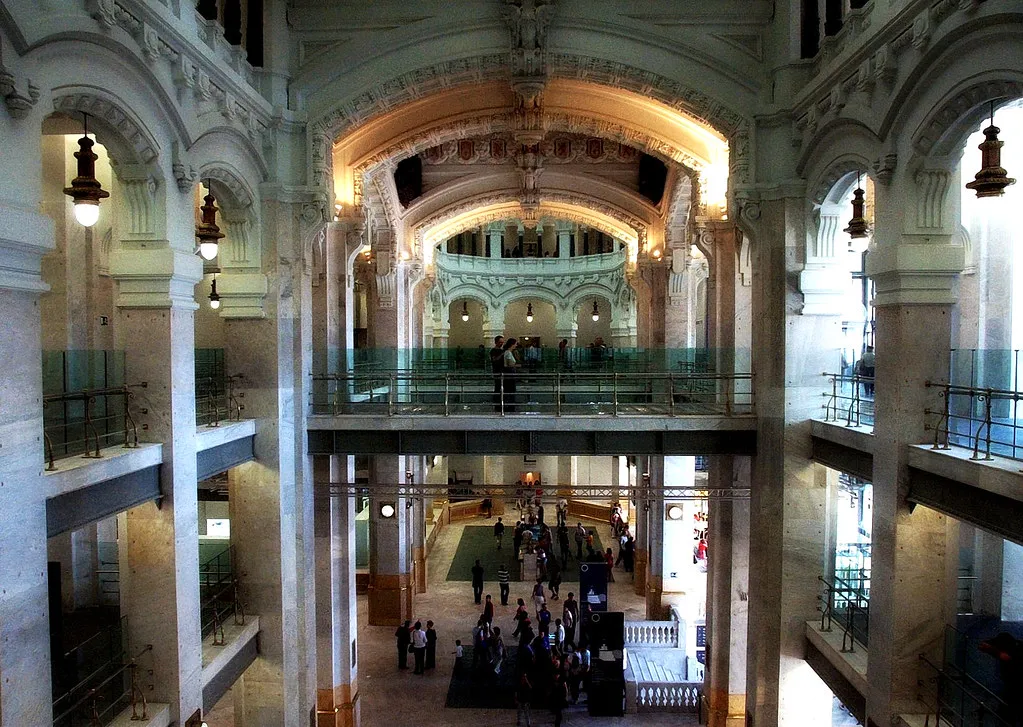
Beyond the major institutions, Madrid has genuinely surprising smaller cultural spaces. The Estación de Chamberí, a former Line 1 metro station frozen in time since the 1960s, is free to enter on weekends (open 10:00–14:00 and 16:00–20:00 Saturday, 10:00–14:00 Sunday). CentroCentro, the former post office on Plaza de Cibeles, charges just €3 for its mirador with panoramic city views and hosts rotating free exhibitions on the lower floors. These are the places competitors skim past but that experienced Madrid visitors rank highly.
Flamenco is accessible too. While Madrid isn't as rooted in flamenco tradition as Seville, the city's tablaos are professionalized and several operate near La Latina. Evenings start around 20:00 with a drink included, and tickets run €25–€45. For something more impromptu, check local listings for peñas flamencas — smaller, member-run clubs that occasionally open to visitors for a fraction of the cost.
Madrid's Culinary Delights: A Foodie's Paradise
The food scene alone makes Madrid worth visiting. Tapas culture means you don't need to commit to a full sit-down meal — you can spend an evening moving between bars, ordering a plate of patatas bravas here, a slice of tortilla de patatas there, a glass of Rioja somewhere else. Classics worth seeking out: bocadillos de calamares (fried squid sandwich, best found in the bars around Plaza Mayor for €3–€4), jamón ibérico, and croquetas de jamón that bear no resemblance to anything frozen.
One budget strategy that all five top-ranking travel writers on this topic somehow skip: the menú del día. Almost every sit-down restaurant in Madrid offers a three-course lunch menu — starter, main, dessert, bread, and a drink — for €12–€15. This is how locals eat a proper meal on a Tuesday. You can eat extraordinarily well in Madrid at lunch for the price of a mediocre sandwich in London. Dinner is when prices rise; shift your main meal to midday and you'll cut your food spend significantly without sacrificing quality.
Mercado de San Miguel, the glass-and-iron market near Plaza Mayor, is worth visiting for the atmosphere even though prices skew tourist. Go on a weekday morning when it's calmer. For a more local experience, Mercado de la Cebada in La Latina operates as a working neighborhood market with cheaper produce, fish, and a handful of bar counters serving working-lunch menus. The contrast between the two markets tells you a lot about Madrid's two food speeds: tourist-polished and genuinely local.
Chocolatería San Ginés, open 24 hours at Pasadizo de San Ginés 5, is the city's most famous churros institution. The queue at 23:00 on a Friday looks daunting but moves fast — expect to wait 10–15 minutes maximum. The thick hot chocolate is served in a small pot; the churros arrive freshly fried. It's €5–€6 per person. The fact it's perpetually full of locals alongside tourists tells you this is the real thing, not a tourist trap dressed up as one.
Exploring Madrid's Vibrant Neighborhoods
Madrid's neighborhoods have distinct personalities, and understanding which one fits your interests saves time. La Latina is the oldest-feeling barrio: cobbled streets, traditional tapas bars dense along Calle de Cava Baja, and the Sunday El Rastro flea market filling the surrounding streets from 09:00–15:00. Go to El Rastro before 10:00 to browse properly before the crowds thicken. The market runs from Calle Ribera de Curtidores downhill through side streets — it's enormous, chaotic, and worth every minute, but keep your bag zipped and in front of you.
Malasaña sits north of Gran Vía and feels completely different: vintage clothing shops, street art, independent coffee roasters, and bars that open at noon and fill by midnight. It was the epicenter of La Movida, the cultural explosion that followed Franco's death in the late 1970s, and that anti-establishment energy still runs through the neighborhood's bones. If you want Madrid's creative, younger side, Malasaña is the answer. Calle Fuencarral is the main shopping artery; the side streets off it are where the interesting cafes and record shops hide.
Chueca is Madrid's LGBTQ+ neighborhood and one of the liveliest barrios in the city. The bars and restaurants here are welcoming to everyone, and the area around Plaza de Chueca offers excellent independent dining at fairer prices than the tourist-heavy center. Barrio de las Letras, the literary quarter near Plaza de Santa Ana, has been the city's intellectual heartland since Miguel de Cervantes and Lope de Vega lived here in the 17th century — look down at the pavement for embedded literary quotes. It's also the best area to catch live jazz in the evenings (Café Central is the classic venue).
Lavapiés is Madrid's most multicultural district, with a dense concentration of South Asian and African restaurants, street art, and independent cultural spaces like La Casa Encendida. Salamanca, on the other side of Retiro Park, is where old money and high-end fashion concentrate — the equivalent of Madrid's Mayfair. If shopping is the priority, the designer boutiques on Calle Serrano and Calle Lagasca are the destination. For accommodation, Salamanca or Chueca both offer good bases depending on your travel style.
Iconic Sights and Hidden Gems in Madrid
The Royal Palace of Madrid is Europe's largest royal palace by floor area and its interiors are more extravagant than Versailles in several rooms. General admission is €14 (free for EU residents on certain dates — check the official site). Book timed entry at least a few days ahead in spring and summer. The surrounding Campo del Moro gardens and Sabatini Gardens are free to enter and give you the best exterior views. Retiro Park, a 15-minute walk east, offers 118 hectares of gardens, monuments, and a lake where you can rent rowboats for €6 per hour on weekends.
Plaza Mayor is worth a morning stroll even if the restaurants around its perimeter are overpriced. The 17th-century square was the stage for royal ceremonies, bullfights, and Inquisition trials — the architecture hasn't changed much. Puerta del Sol, ten minutes away, is Madrid's Kilometre Zero: the point from which all Spanish national roads are measured. The bear-and-strawberry-tree sculpture (El Oso y el Madroño) here is the city's symbol. Gran Vía, heading northwest, is Madrid's main boulevard — the architecture from the early 20th century is worth examining in detail, particularly the Edificio Metrópolis and the curved Palacio de la Prensa.
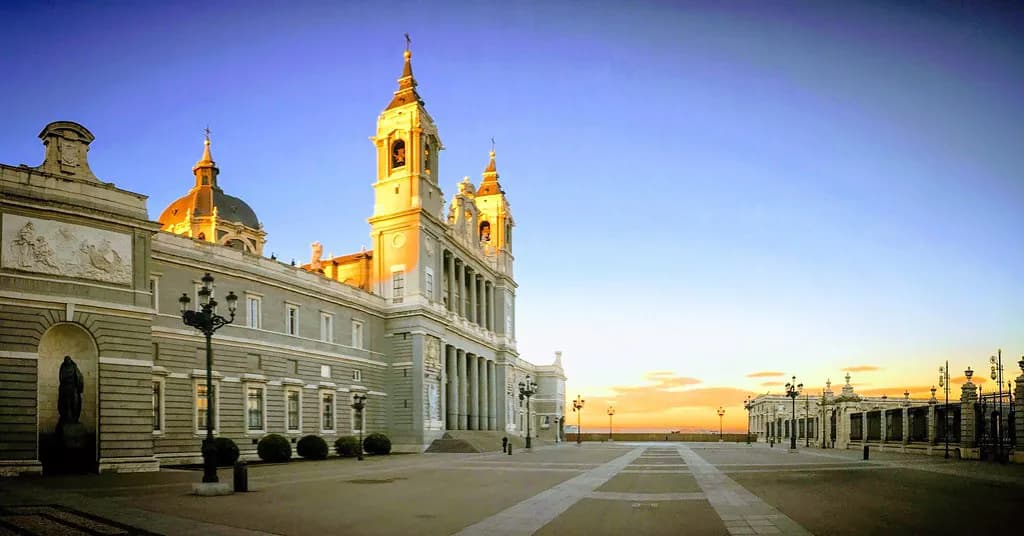
For rooftop views, the CentroCentro mirador at Plaza de Cibeles offers the best value at €3 — you can see the Retiro, the Almudena Cathedral, and the city stretching south. The Circulo de Bellas Artes rooftop on Calle de Alcalá costs €5 and gives you Gran Vía in both directions. The Riu Plaza España rooftop bar on the top floors of the España building has dramatic views but charges entry (around €6–10) and gets crowded on weekends. Go on a weekday afternoon if possible.
The Temple of Debod, an actual ancient Egyptian temple transported to Madrid in 1968 as a gift from the Egyptian government (the original site was flooded by the Aswan Dam), sits in Parque del Oeste and is entirely free. The views west at sunset — the temple framing the sky while the Royal Palace glows in the background — are among the most photographed in the city. Arrive 30 minutes before sunset and claim a spot on the steps above the reflecting pools. It gets crowded in summer; in shoulder season you often have near-solitude.
Madrid vs. Barcelona: Which Is Right for You?
The Madrid vs. Barcelona question comes up for almost every Spain first-timer, and the honest answer is that they serve different travel needs. Barcelona has the beach, Gaudí's Sagrada Família and Park Güell, a Catalan cultural identity distinct from the rest of Spain, and a tourist infrastructure built over decades of mass-market international arrivals. It is world-class and worth visiting — but it now charges an entry fee to walk through the Gothic Quarter during peak hours, and prices in the tourist center rival Paris.
| Factor | Madrid | Barcelona |
|---|---|---|
| Beach access | None (650m inland plateau) | Yes (city beaches) |
| Signature architecture | Royal Palace, Gran Vía | Sagrada Família, Park Güell |
| Art museums | Prado, Reina Sofía, Thyssen | MNAC, Picasso Museum |
| Mid-range hotel/night (2026) | €100–€140 | €150–€200 |
| Food authenticity | Traditional tapas culture | Catalan + international mix |
| Tourist feel | Locals dominant | Heavily tourist-oriented center |
| Train connection (each other) | 2.5 hrs AVE from €30 booked ahead | |
Madrid feels more Spanish in the traditional sense: the food culture is older and more embedded, the museums are arguably superior for classical art, and the city hasn't been reshaped around tourism to the same degree. You're more likely to find yourself in a bar where the TV is showing football and nobody is speaking English. That can be a feature or a bug depending on your travel style. Madrid is also meaningfully cheaper than Barcelona for accommodation — a decent mid-range hotel in Malasaña runs €100–€140 per night in 2026, versus €150–€200 for comparable Barcelona options.
If you're choosing for a first trip to Spain and can only pick one: Madrid wins on culture depth, food authenticity, and value. Barcelona wins on scenery, beach access, and architectural spectacle. For a two-week Spain trip, do both — they're 2.5 hours apart on the AVE high-speed train (from €30 booked in advance at Renfe's website) and complement each other well.
Practical Planning: Your Madrid Cheatsheet
The best time to visit Madrid is spring (April–May) or autumn (September–October). Daytime temperatures sit between 15°C and 24°C, crowds are manageable, and the city is fully operational. Summer (June–August) is Spain's hottest stretch — Madrid bakes at 35–40°C during July and August, and many smaller restaurants and shops close for holiday in August. One important nuance that most guides overlook: Madrid sits at 650 metres above sea level, the second-highest capital city in Europe after Andorra la Vella. This means summer nights cool to around 20°C even when afternoons are brutal — far more comfortable for evening strolling than coastal cities at the same latitude. If you must come in summer, plan outdoor activities for mornings and evenings, then museums and markets in the midday heat.
Getting around is straightforward. The metro covers every neighborhood you'll want to visit, runs 06:00–01:30, and a single ride costs €1.50–€2 depending on zone. A 10-trip card (metrobus bono) costs €12.20 and covers zones A and B1, which includes the entire city center and the airport line. Taxis start at €2.40 flag fall; a ride from the airport to the center is around €30–€35 flat rate. Walking is viable in the center — Puerta del Sol to Retiro Park is about 25 minutes on foot through streets worth exploring.
A realistic daily budget for Madrid in 2026 breaks down approximately as follows. Budget traveler (hostel, menú del día lunches, museum free hours, metro): €60–€80 per day. Mid-range (hotel, mix of sit-down meals, paid museum entry): €130–€180 per day. Higher-end (boutique hotel, dinner at a quality restaurant, guided tours): €250+ per day. These figures include accommodation, food, transport, and activities but not international flights. Madrid's free museum windows, cheap metro, and menú del día system make it one of the best-value major European capitals if you use them.
Safety is broadly good by major-city standards. The main concern is pickpocketing — concentrated in Puerta del Sol, El Rastro on Sundays, and the metro Line 1 corridor through the tourist center. Use a front-facing bag or money belt in these areas. Medical facilities are excellent; EU citizens should carry their EHIC/GHIC card. For 2026 visitors: Madrid's city government has not introduced tourist taxes as of the current date, though Spain's central government has proposed a national entry-fee framework still under parliamentary debate — check before you travel.
Day Trips from Madrid: Extend Your Adventure
Madrid's position at the geographic center of Spain makes it the best-connected day-trip base on the peninsula. Toledo is the most popular option: a UNESCO World Heritage city of medieval streets, a Gothic cathedral with El Greco paintings, and a skyline that looks unchanged from the 16th century. High-speed trains run from Madrid Atocha and take around 30 minutes (€13–€20 one way, book at Renfe.com). Allow a full day; Toledo's historic center is compact but dense with things to see. Go on a weekday if possible — weekends pack the main streets.
Segovia is the other classic day trip: a 2,000-year-old Roman aqueduct running through the city center, a castle (Alcázar) that looks like it came from a fairy tale, and a cathedral completed in 1577. Trains from Chamartín Station take 28 minutes on the high-speed line (€12–€18 one way). Segovia's tourist draw is smaller than Toledo's so it feels quieter even on weekends. Combine both in a single ambitious day or split them across two separate outings — both cities are manageable in half a day if you focus on the main sights.
Less visited but worth considering: Ávila, a medieval walled city 90 minutes by regional train (cercanías, around €8 each way), is one of the best-preserved medieval walls in Europe. You can walk the full circuit on top of the walls (€5 entry). El Escorial, 50 minutes on the cercanías C-8a line from Atocha (€5–€7 each way), is Philip II's massive 16th-century royal monastery complex — the scale is staggering and the surrounding mountains provide a very different landscape from the Madrid plateau. Neither gets the attention of Toledo or Segovia but both reward visitors who make the effort.
Frequently Asked Questions
Is Madrid worth visiting for solo travelers?
Absolutely, Madrid is very safe and welcoming for solo travelers. Its efficient public transport, walkable neighborhoods, and vibrant social scene make it easy to explore alone. There are many group tours and activities to join.
Is Madrid worth visiting for families?
Yes, Madrid offers numerous family-friendly attractions like Retiro Park, the Royal Palace, and interactive museums. Children will enjoy the lively atmosphere and delicious food. Plan activities that cater to different age groups.
How many days are enough for Madrid?
I recommend spending at least 3 to 4 days in Madrid to fully experience its main attractions, neighborhoods, and food scene. This allows for a relaxed pace and potential day trips. For a deeper dive, 5-7 days is ideal.
What is the best time of year to visit Madrid?
The best time to visit Madrid is during spring (April-May) or autumn (September-October). The weather is mild, perfect for walking and outdoor dining. Avoid peak summer (July-August) due to intense heat.
Final Thoughts: Is Madrid the Right City for You?
Madrid rewards visitors who arrive without a rigid agenda. The city's real strength is atmosphere — the sense that you're moving through a place where people actually live, not one assembled for tourism. The parks fill with locals on weekend mornings. The tapas bars get louder after midnight. The museum free hours feel like a public gift rather than a marketing strategy. That texture is harder to engineer than a famous landmark, and Madrid has it in abundance.
The city isn't perfect. Summers are brutal. Some areas near Puerta del Sol have the pickpocketing problem any high-density tourist zone generates. Late dining times can genuinely disrupt sleep schedules on short trips. None of these are dealbreakers for travelers who go in knowing what to expect.
For 2026, Madrid is an exceptional value by European capital standards, the Golden Triangle of Art remains one of the world's great museum concentrations, and the menú del día system means you can eat extraordinarily well on a modest budget. If any of that sounds like your kind of travel, Madrid is absolutely worth visiting.
You might also like


Continue reading
More guides you'll find useful