12 Best Free Things To Do in Málaga (2026): Budget Guide
Discover over 12 genuinely free things to do in Málaga, from historic sites to vibrant markets and stunning viewpoints. Plan your budget-friendly trip with local tips and a handy map.
On this page
12 Free Things To Do in Málaga: Explore Without Spending a Euro
Málaga is one of the most rewarding cities in Spain to visit on a tight budget. The historic center is compact enough to cover on foot, the beaches are free, and a surprising number of the city's best museums waive their entrance fee on Sunday afternoons. This guide, updated for 2026, focuses on genuinely free activities — no "free with a €20 package" workarounds.
Whether you have a single afternoon or a full week, Málaga's combination of ancient ruins, contemporary art, white-washed neighborhoods, and coastal scenery means you will never run out of ways to fill your time without opening your wallet. Read on for a practical, category-by-category breakdown of the best free things to do in Málaga this year.
Plan with trusted sources: cross-check opening hours and seasonal details with the official Andalusia tourism board, and read more about the city on its Wikipedia entry before you go.
Is It Possible to Explore Málaga on a Budget?
Absolutely. Málaga punches well above its weight as a free-friendly destination, especially compared to Barcelona or Madrid. The city's historic core covers barely two square kilometers, so you can walk between the Roman Theatre, the Alcazaba, the Cathedral gardens, and Muelle Uno without spending a cent on transport. Nearly every major landmark is within a 20-minute walk of the others.
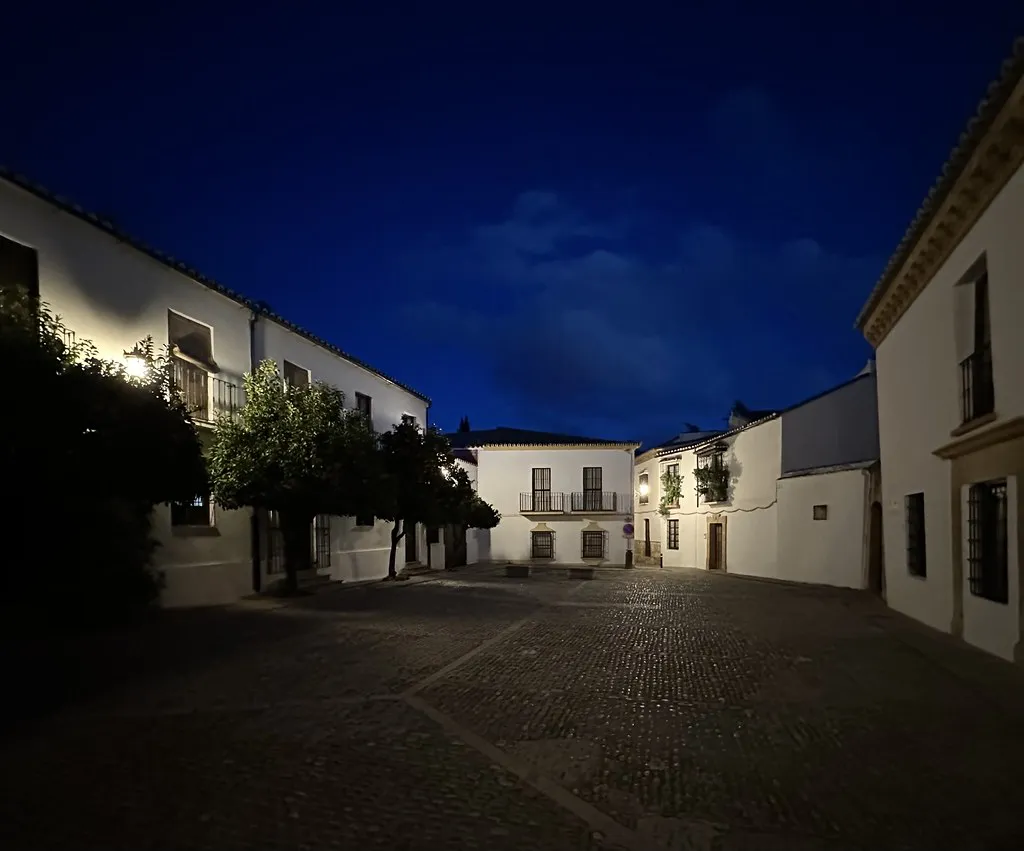
Sunday is the power day for budget travelers. On Sundays, the Alcazaba and Castillo de Gibralfaro both admit visitors for free from 14:00 until closing. The Picasso Museum, Carmen Thyssen Museum, Centre Pompidou Málaga, and La Concepción Botanical Garden all have free windows on Sunday afternoons too. Plan your arrival for a Sunday and you can tick off most of Málaga's major cultural sites without paying a single entrance fee.
Beyond Sundays, the city's beaches, parks, markets, and street-art districts are free every day of the week. You can eat cheaply with the menú del día at lunchtime (typically €10–12 for two courses and a drink) and navigate the entire center on foot. Málaga rewards slow walking more than any other Spanish city on the Costa del Sol.
Explore Málaga's Historic Landmarks for Free
The Alcazaba is Málaga's defining monument — an 11th-century Moorish fortress-palace perched on a hillside above the Roman Theatre. Normal entry costs €3.50, but the entire site is free every Sunday from 14:00 until closing (around 20:00 in summer, 18:00 in winter). Once inside, you move through a series of terraced courtyards with jasmine-scented gardens, horseshoe arches, and sweeping views over the port. Arrive at 13:45 on a Sunday to join the queue before the gates open.
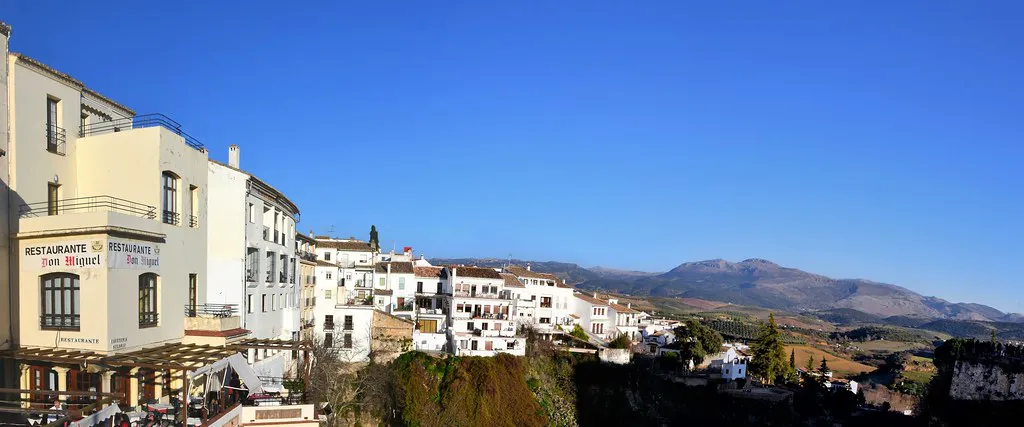
Castillo de Gibralfaro, connected to the Alcazaba by the Coracha fortified walkway, is also free on Sundays from 14:00. The castle itself costs €3.50 on other days, but even without entering you can walk to the Mirador de la Coracha for sweeping panoramas of the bullring, port, and coastline. The uphill path is steep — wear comfortable shoes and carry water, especially in summer.
The Roman Theatre (Teatro Romano) at the foot of the Alcazaba is always free. Built in the 1st century AD and only excavated in 1951, it is Málaga's oldest monument. The adjacent visitor center is also free and worth 20 minutes of your time to understand the site's layers of history. At sunset, the warm light hitting the tiered stone seats makes for excellent photographs.
The Plaza de Toros (bullring) on Paseo de Reding allows free access to its exterior and the public promenade around it. The bullring museum inside charges a fee, but the circular Neoclassical façade and the Eduardo Ocón Gardens alongside it form a pleasant free stroll that most visitors skip entirely.
Free Entry Museums and Cultural Sites in Málaga
Málaga has more museums per square kilometer than almost any other Spanish city, and many of them have scheduled free entry windows. The key is timing. Visit on a Sunday afternoon and you can cover three or four world-class collections in a single day without paying a euro.
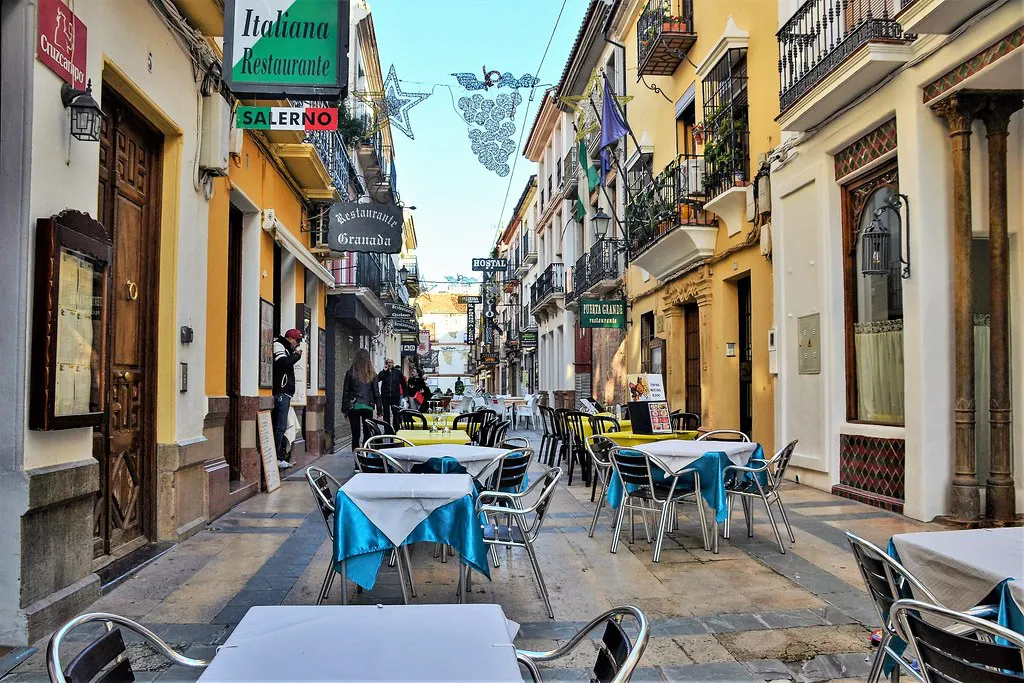
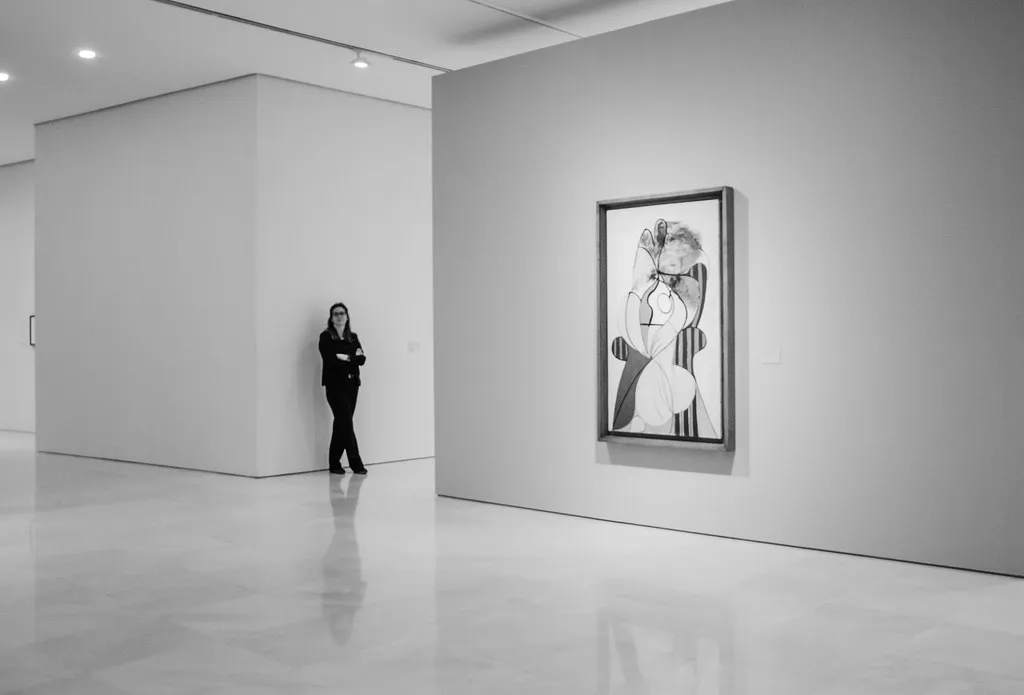
- Picasso Museum Málaga — Free every Sunday for the last two hours before closing (from around 15:00 in winter, 17:00 in summer). Also free on Día de Andalucía (28 February), International Museum Day (18 May), World Tourism Day (27 September), and the anniversary of Picasso's birth (25 October).
- Museo Casa Natal Picasso — Picasso's actual birthplace on Plaza de la Merced. Free every Sunday from 16:00 to 20:00. The attached exhibition gallery is included in the same free window.
- Museo Carmen Thyssen Málaga — Over 200 19th-century Spanish and Andalusian paintings. Free every Sunday from 16:00 onwards. Queues form quickly; arrive 15 minutes before the free window opens.
- Centre Pompidou Málaga — The unmistakable coloured-glass cube on Muelle Uno. Free every Sunday during the last two hours before closing. Rotating exhibitions from the Paris institution.
- CAC Málaga (Centro de Arte Contemporáneo) — This is the one museum that is free every day it is open, at any time. Note that CAC closed for renovation in September 2024 and is scheduled to reopen in 2026. Before visiting, confirm its reopening status on the official Málaga tourism website.
- Museo de Málaga — Housed in the grand Palacio de la Aduana, this combines fine arts and archaeology under one roof. Free for EU citizens; €1.50 for non-EU visitors. One of the best budget options in the city regardless.
For the most current free museum hours in Málaga, check the official tourist office website before your visit. Hours shift seasonally and around public holidays.
Discover Málaga's Vibrant Neighborhoods for Free
The Casco Histórico (historic center) is best explored slowly on foot. Start on Calle Larios, the elegant pedestrianized main street, and then push into the narrower alleys behind it. You will find Moorish-influenced courtyards, small chapels, and tapas bars that have been serving the same neighborhood for decades. The architecture shifts noticeably as you move from the 19th-century grid around Larios into the older medieval lanes near the Cathedral.
Plaza de la Merced is worth a deliberate stop. This lively square is where Picasso was born (at number 15 — now the Casa Natal museum) and where a bronze statue of the painter sits on a bench, perpetually available for tourist photographs. The square fills with locals in the evenings and is one of the best people-watching spots in the city without spending anything.
The Soho District, known locally as the Barrio de las Artes, is Málaga's open-air contemporary art gallery. International and Spanish muralists have covered entire building façades here under the MAUS (Málaga Arte Urbano Soho) programme. The art evolves constantly — pieces from previous years are painted over and replaced. You can download a street art map to orient yourself, or simply wander the grid between Alameda Principal and the port. Allow 90 minutes. The neighborhood also has independent cafés and vinyl record shops if you want to take a break.
Mercado Central de Atarazanas is not just a market — the building itself was a 14th-century Moorish shipyard (atarazanas means naval arsenal) and the original horseshoe arch at the entrance survived from that period. The 19th-century iron market hall was built around it. Entry is free, and the stained-glass window above the main hall is one of the most photographed interiors in the city. The market runs Monday to Saturday, roughly 08:00 to 14:30. Go early on a weekday morning to catch it at peak activity.
Enjoy Málaga's Natural Beauty Without Spending
Playa de la Malagueta is the closest city beach, a 20-minute walk from the historic center. The grey-sand beach is wide, clean, and free to access any time. Sunbeds and umbrellas can be rented for a fee, but the sand itself is gratis. The beach is most pleasant in the morning before 11:00 or after 18:00 in summer. The famous Malagueta sign makes for the obligatory photo, and the chiringuitos (beach bars) selling espetos — sardines grilled over charcoal on the beach — are a sensory experience you do not need to pay for just to watch and smell.
Parque de Málaga, also known as Parque de la Alameda, is a free tropical botanical park running between the Alameda Principal and the port. It is filled with exotic trees, fountains, and sculptures, and green parakeets fly overhead. The park is open daily from early morning until late evening and makes a cool, shaded escape from the midday heat. Its location directly between the historic center and Muelle Uno means you will likely pass through it anyway.
La Concepción Botanical Garden, five kilometers north of the city, is one of the most beautiful gardens in Andalusia. It is free to enter on Sundays — from 14:00 to 17:30 between October and March, and from 16:30 to 20:30 between April and September. On other days entry costs €5.20. The garden has thousands of plants from across the world, a viewpoint tower, and a waterfall walk. Take city bus 2 from Alameda Principal (around €1.40 single).
Palmeral de las Sorpresas is the wave-shaped palm promenade running along the harbor next to Muelle Uno. Its distinctive white pergola structures provide shade and frame views of the Alcazaba in the distance. It connects seamlessly to Muelle Uno's waterfront and then to La Farola lighthouse further along the coast — the full walk from the promenade to the lighthouse and back takes about an hour at a relaxed pace, all free.
Unique Free Experiences in Málaga
Free walking tours operate daily from Plaza de la Constitución, typically starting at 10:00 and 16:00. These tip-based tours last around two to three hours and cover the historic center, the Alcazaba exterior, and the Soho district. GuruWalk Málaga lists multiple operators; a tip of €5–10 per person is customary. This is one of the best ways to orient yourself on day one without spending a fixed amount upfront.
Sunset watching from Mirador de la Coracha — the public pathway between the Alcazaba and Castillo de Gibralfaro — is free at any hour. The views from this ridge take in the bullring directly below, the port, Muelle Uno, and the Mediterranean horizon. The path is steep and uneven in places, so it is best attempted in the cooler morning or late afternoon rather than at the height of summer midday.
Iglesia de Santiago, on Calle Granada, is Málaga's oldest church and the place where Picasso was baptized in 1881. The Mudéjar tower dates from the 15th century, built on the foundations of a mosque. Entry to the church itself is free during mass and sometimes during daytime visiting hours — check the door for current times. Even from outside, the tower's layered brickwork and tilework is worth a few minutes of your time.
The free archaeological route through the city center follows a series of marked points that trace Roman, Moorish, and medieval layers of the city visible in the streets. Several excavation sites are permanently exposed behind glass panels in the pavements and building interiors — the most striking are near the Alcazaba entrance and along Calle Císter. This is the kind of thing that no hop-on hop-off bus will tell you about.
Free Day Trips and Activities Around Málaga
The white villages (Pueblos Blancos) surrounding Málaga charge no entry fee — the experience is simply walking their narrow streets. Frigiliana, often called the prettiest village in Andalusia, is 60 kilometers east of Málaga. Buses run from Málaga's main bus station (Estación de Autobuses) to Nerja, from where a local bus or taxi covers the remaining eight kilometers to Frigiliana. Budget around €5–7 each way for the full journey. Mijas Pueblo, 30 kilometers west, is served by Málaga Surbus from Fuengirola, itself reachable by cercanías train from Málaga Centro-Alameda station for under €3.
Caminito del Rey, the famous gorge walkway in El Chorro, costs €10 for the general walkway ticket — it is not free. However, the surrounding Desfiladero de los Gaitanes nature area has free access trails outside the ticketed section. Trains from Málaga María Zambrano station to El Chorro take around 45 minutes (€3–4). If the main boardwalk is out of budget, the walk from the El Chorro train station along the reservoir shoreline is scenic and entirely free.
Hiking around Málaga's own hills costs nothing. The Montes de Málaga Natural Park, five kilometers north of the city, has free signposted trails through pine forest and Mediterranean scrub. Take city bus 4 from Avenida de Andalucía (€1.40). The Embalse de la Concepción reservoir trail near Marbella is another free option if you have a car — the AllTrails route details the accessible path along the water's edge.
Free Events and Festivals in Málaga in 2026
Feria de Málaga is the city's biggest annual festival, held for ten days in mid-August (in 2026, roughly 14–23 August). The fairground (Recinto Ferial) on the west side of the city charges nothing to enter — the free nightly concerts, flamenco performances, and the general atmosphere of tens of thousands of people in traditional dress fill the grounds from around 18:00 until dawn. The daytime fair runs in the historic center with free street performances and dancing. It is genuinely one of the best free experiences in Andalusia.
Semana Santa (Holy Week) processions, in the week before Easter, fill the streets of central Málaga every night from Palm Sunday to Easter Sunday. The pasos (floats) carrying religious statues are elaborate, centuries-old productions, and the streets are lined with spectators for free. Simply stand along any central route from Calle Larios to the Cathedral and the processions will pass you.
Noche en Blanco (White Night) is a city-wide arts night held in mid-May. On this single evening, museums, galleries, and cultural spaces open their doors for free until 03:00 the following morning. The Picasso Museum, Carmen Thyssen, and CAC Málaga all participate. Check the official Málaga tourism site for the exact date each year as it shifts by a week or two.
Christmas on Calle Larios is famous throughout Spain. The elaborate light canopy that covers the entire street from late November through early January is switched on each evening at around 18:00 and draws crowds from across Andalusia. It is entirely free to watch and photograph — the scale of it has to be seen to be appreciated.
How to Save Even More Money in Málaga
Food is where Málaga's budget credentials shine most clearly. The menú del día — a fixed-price lunch menu that typically includes two courses, bread, and a drink — runs €10–13 at local restaurants away from the tourist circuit. For breakfast, neighborhood bakeries (panaderías) around La Trinidad, El Perchel, and Soho serve coffee and a pastry for €2–3. Atarazanas Market is the right place to buy fresh produce if you are staying somewhere with a kitchen; prices are lower than supermarkets and quality is higher.
Getting around costs almost nothing for most visitors. The historic center, beaches, Soho, and Muelle Uno are all walkable from central accommodation. If you need a bus, a single ticket on the EMT city network costs €1.40; a rechargeable multi-trip card (Tarjeta Transporte) reduces this further. The cercanías commuter rail connects the airport to Málaga Centro-Alameda station in 12 minutes for €1.80 — far cheaper than a taxi (€20–25 from the airport).
Accommodation in neighborhoods like La Trinidad or El Perchel costs noticeably less than the same room in the Casco Histórico, and both are a 15–20 minute walk from the main sights. Hostels with private rooms start at around €40–50 per night. Traveling outside July and August cuts accommodation costs by 30–50% and also means fewer crowds at the free Sunday museum windows.
For a deeper guide to planning your time in the city, see our page on top things to do in Málaga and our advice on where to stay in the city.
How Many Days Should You Spend in Málaga?
Two days is the minimum to cover the city's core free attractions without rushing. On day one, focus on the historic center: Roman Theatre, Alcazaba (if it is Sunday, arrive at 13:45 for free entry), Atarazanas Market in the morning, Parque de Málaga in the afternoon, and Muelle Uno at sunset. On day two, work through the free museum windows in the afternoon, walk Soho in the morning, and spend the evening on La Malagueta beach.
Three days lets you add a day trip — Frigiliana and Mijas Pueblo are both easy half-day excursions on public transport. Four or five days is comfortable for anyone who also wants to explore Montes de Málaga, catch a specific festival, or take a full day at Caminito del Rey. For more advice on pacing your visit, see our guide to how many days you need in Málaga.
The cheapest time to visit is October through March. Accommodation prices drop, the Sunday free museum queues are shorter, and the weather is mild enough for outdoor walking — daytime temperatures typically sit at 16–20°C. February is particularly good: Feria de Málaga is months away so the city is calm, and Día de Andalucía on 28 February gives you an extra day of free museum access on top of the regular Sunday windows.
Essential Budget Tips for Visiting Málaga
Plan your museum days around Sunday afternoon. The Alcazaba, Gibralfaro, Picasso Museum, Carmen Thyssen, Centre Pompidou, and La Concepción Botanical Garden all offer free windows on the same day. A single Sunday afternoon walk can cover €30–40 worth of entry fees. The trade-off is that these windows attract crowds — arrive early, especially at Carmen Thyssen (queue from 15:45 for the 16:00 opening).
Use the city's network of free drinking water fountains — they are marked on Google Maps and common throughout the historic center. Refilling a bottle rather than buying water saves several euros per day. The city also has free public Wi-Fi in the historic center, at Muelle Uno, and in most municipal parks under the "MalagaWifi" network — useful for navigation without using mobile data.
Public toilets with no charge are available at Muelle Uno (near the Centre Pompidou entrance), inside Atarazanas Market (during market hours), at La Malagueta beach, and in Parque de Málaga. Bars are legally required to let you use their toilet if you buy a drink — a coffee for €1.50 doubles as a toilet pass and a break from the heat.
Avoid the hop-on hop-off tourist bus (around €23 per person). Every stop it makes is walkable from the historic center, and the commentary adds nothing you cannot get from a free walking tour or a printed city map from the tourist office on Plaza de la Marina. The tourist office itself is free to visit and its staff are genuinely helpful with current free event schedules.
Frequently Asked Questions
Is Malaga Expensive to Visit?
Malaga is generally considered an affordable city to visit, especially when compared to other major Spanish destinations. Accommodation, food, and transport can be quite budget-friendly if you plan wisely and utilize the many free attractions.
What are the Best Free Things To Do in Malaga?
The best free things to do in Malaga include exploring the Roman Theatre, strolling along Muelle Uno and La Malagueta beach, discovering street art in Soho, and visiting the Mercado Central de Atarazanas. Many museums also offer free entry on specific days or hours.
Which Museums in Malaga are Free?
The Centro de Arte Contemporáneo (CAC Málaga) offers free admission at all times. Additionally, the Museo Carmen Thyssen Malaga and the Picasso Museum Málaga have specific free entry hours, typically on Sunday afternoons, though these schedules can vary.
Málaga genuinely rewards visitors who know how to use the free windows that locals rely on. Show up on a Sunday, walk from the Roman Theatre through the Alcazaba, spend the afternoon in the Picasso Museum, and end the evening on the waterfront at Muelle Uno — that entire day costs nothing beyond lunch. The city's festivals, beaches, neighborhoods, and natural parks extend the free itinerary across a full week.
For more on planning your time in the city, see our guides to the best time to visit and getting around the city. Enjoy your budget-friendly exploration of this exceptional Andalusian city.
You might also like


Continue reading
More guides you'll find useful