

15 Must-Try Foods in Madrid: A Local's Guide to Eating Well (2026)
Discover the best of Madrid's culinary scene with our guide to 15 essential dishes, local favorites, and insider tips for an unforgettable food adventure.
On this page
15 Must-Try Foods in Madrid: A Local's Guide to Eating Well
After three visits to Madrid over five years, I've learned that truly understanding the city means diving into its vibrant food scene. This guide, last refreshed February 2026 after my winter return visit, is your key to unlocking the authentic flavors of the Spanish capital. Forget the tourist traps; we're focusing on the dishes and experiences that define Madrid's culinary soul. From bustling markets to cozy taverns, prepare for an unforgettable gastronomic adventure.
Madrid's food culture is a delightful blend of tradition and innovation, with a strong emphasis on fresh, high-quality ingredients. You'll find everything from hearty stews to delicate pastries, each telling a story of the city's rich history. This guide will help you navigate the endless options and discover why Madrid is a true food lover's paradise. Get ready to eat like a true Madrileño.
Plan with trusted sources: cross-check opening hours and seasonal details with the official Madrid tourism site, and read more about the city on its Wikipedia entry before you go.
15 Must-Try Foods in Madrid (2026)
Madrid's culinary landscape is incredibly diverse, offering a feast for every palate. To truly experience the city, you must savor its iconic dishes and delve into its unique food traditions. From savory tapas to sweet churros, each bite tells a story of Spanish heritage and local passion.
Our selection focuses on authentic flavors and experiences, ensuring you taste the very best Madrid has to offer. We've mixed classic staples with lesser-known delights, providing a comprehensive culinary journey. Be prepared to eat late, share plates, and embrace the lively atmosphere of Madrid's dining scene.
Exploring these dishes will not only satisfy your appetite but also connect you deeply with the city's culture. Remember to check official websites for the most current hours and pricing, as these can vary. Many establishments offer daily specials, so always ask for recommendations.
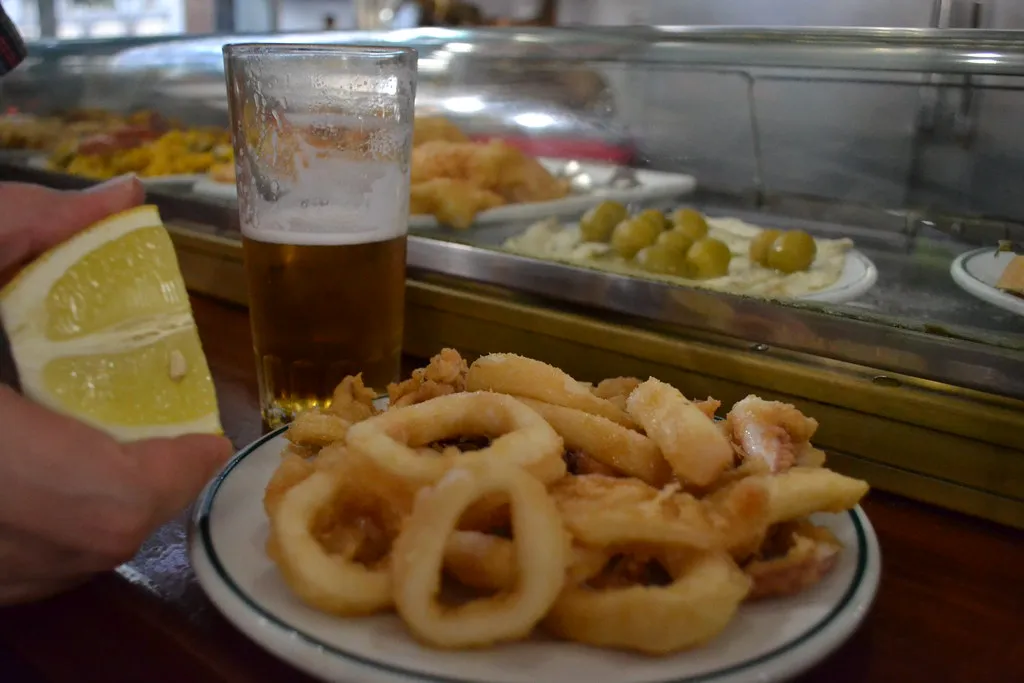
- Bocadillo de Calamares (Fried Calamari Sandwich)
- This iconic Madrid sandwich features crispy, fried calamari rings served in a crusty baguette.
- It's a simple yet incredibly satisfying treat, often enjoyed as a quick bite around Plaza Mayor.
- Typically costs €3.50–€7, available all day in casual bars, especially those near Plaza Mayor.
- My tip: Add a squeeze of lemon or a dollop of alioli for an extra flavor kick.
- Tortilla Española (Spanish Omelet)
- A thick, savory omelet made with eggs, potatoes, and sometimes onions, served at room temperature.
- It's a staple across Spain, perfect for breakfast, lunch, or a tapa any time of day.
- Expect to pay €3–€5 for a slice, widely available in most tapas bars and cafes from morning until late.
- Look for a slightly runny center; that's how you know it's perfectly cooked.
- Patatas Bravas (Spicy Potatoes)
- Crispy fried potato cubes generously topped with a spicy tomato sauce and often aioli.
- This popular tapa offers a delightful kick, perfect for sharing with friends over drinks.
- A plate costs €4–€7, found in virtually every tapas bar, typically served from lunch through dinner.
- Beware: 'bravas' sauce spice levels vary wildly, so start small if you're sensitive to heat.
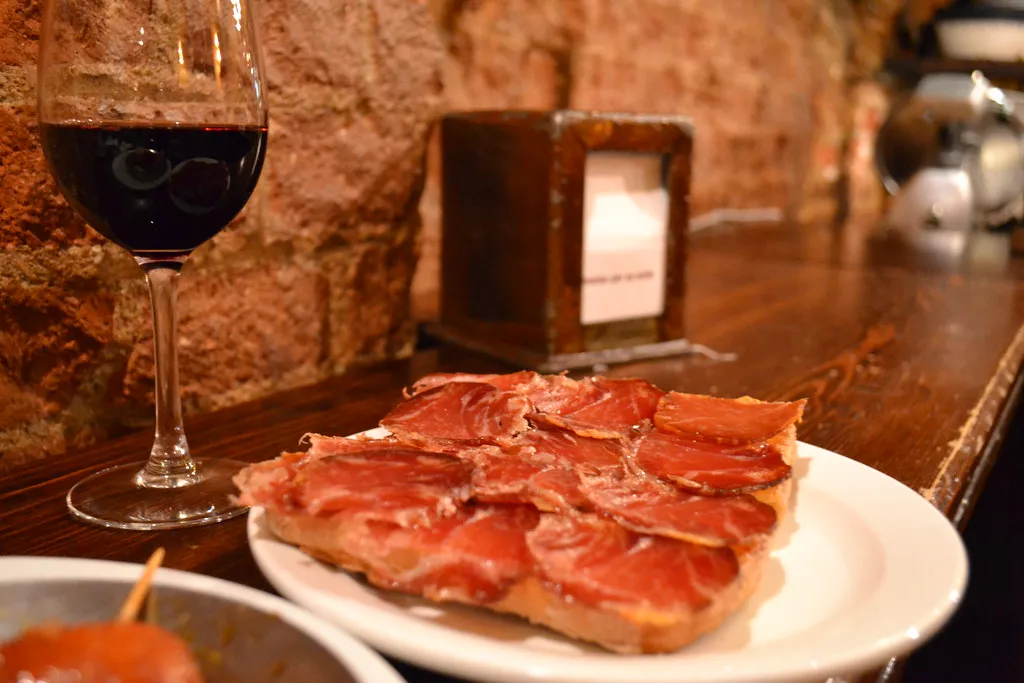
- Jamón Ibérico (Iberian Ham)
- Finely sliced cured ham from Iberian pigs, known for its rich, nutty flavor and melt-in-your-mouth texture.
- It's a culinary treasure, best enjoyed simply with a glass of wine or as part of a charcuterie board.
- A plate can range from €12–€25 depending on quality, available all day at jamonerías and upscale tapas bars.
- Look for 'Jamón Ibérico de Bellota' for the highest quality, acorn-fed ham.
- Churros con Chocolate (Churros with Hot Chocolate)
- Crispy, fried dough pastries, often ridged, served with a thick, rich hot chocolate for dipping.
- This beloved treat is perfect for breakfast, a late-night snack, or an afternoon pick-me-up.
- A serving costs €4–€7, with famous churrerías like Chocolatería San Ginés open almost 24/7.
- My personal best time to go is late at night after a show, avoiding morning crowds.
- Gambas al Ajillo (Garlic Shrimp)
- Sizzling shrimp cooked in olive oil with plenty of garlic and a touch of chili, served in a terracotta dish.
- The aroma alone is intoxicating, making this a must-try tapa for seafood lovers.
- Expect to pay €10–€15, typically served from late lunch through dinner in traditional tapas bars.
- Don't forget to use bread to soak up all the delicious garlicky oil.
- Huevos Rotos (Broken Eggs)
- A comforting dish of fried eggs served atop a bed of crispy fried potatoes, often with ham or chorizo.
- The name comes from breaking the yolks to mix with the other ingredients, creating a rich, hearty meal.
- Costs €8–€14, available in many taverns and casual restaurants for lunch and dinner.
- It's surprisingly filling and perfect for sharing as a main tapa.
- Cocido Madrileño (Madrid Stew)
- A traditional chickpea-based stew with various meats (pork, beef, chorizo) and vegetables, served in courses.
- This hearty, multi-course meal is a winter favorite, embodying Madrid's culinary heritage.
- Prices vary from €15–€30 per person, typically served for lunch in traditional restaurants, especially in colder months.
- Be prepared for a very substantial meal; it's designed to keep you warm and full.
- Callos a la Madrileña (Madrid-Style Tripe Stew)
- A robust and flavorful stew made with beef tripe, chorizo, morcilla (blood sausage), and paprika.
- This traditional dish is for adventurous eaters seeking an authentic taste of Madrid's working-class cuisine.
- A portion costs €10–€18, found in classic taverns and specialized restaurants, primarily for lunch.
- It's surprisingly delicious and a true local specialty, often enjoyed with a glass of red wine.
- Setas a la Plancha (Grilled Mushrooms)
- Large, succulent mushrooms grilled to perfection, often seasoned with garlic and parsley.
- A simple yet incredibly flavorful tapa, showcasing the quality of fresh Spanish produce.
- Costs €8–€12, available at many tapas bars, particularly those specializing in grilled items.
- The texture is wonderfully meaty, making it a great vegetarian option too.
- Croquetas (Croquettes)
- Creamy, béchamel-filled fritters, typically flavored with ham (jamón), chicken, or mushrooms, then deep-fried.
- These bite-sized delights are a universal Spanish favorite, perfect for snacking.
- A plate of 4-6 croquetas costs €6–€10, found in almost every tapas bar throughout the day.
- Order a mix of flavors to discover your favorite; the ham ones are a classic for a reason.
- Pulpo a la Gallega (Galician-Style Octopus)
- Tender boiled octopus, sliced and seasoned with olive oil, paprika, and sea salt, served on wooden plates.
- While a Galician specialty, it's widely popular in Madrid's seafood restaurants and markets.
- Expect to pay €15–€25 for a generous portion, best enjoyed for lunch or dinner at a marisquería.
- Pair it with a crisp white wine for a truly authentic experience.
- Pimientos de Padrón (Padrón Peppers)
- Small green peppers, quickly fried and sprinkled with sea salt, offering a fun culinary gamble.
- Most are mild, but a few in each batch pack a surprising punch of heat.
- A plate costs €5–€8, commonly found in tapas bars, especially during the summer and autumn months.
- It's a game of Russian roulette for your taste buds, always a fun shareable dish.
- Rosquillas de San Isidro (San Isidro Doughnuts)
- Traditional doughnuts associated with Madrid's San Isidro festival in May, but available year-round.
- There are several varieties, including 'tontas' (plain) and 'listas' (glazed), each with a unique texture.
- Prices are €1–€2 per piece, found in bakeries (pastelerías) and cafes.
- Try both 'tontas' and 'listas' to compare the classic and the sweeter, glazed version.
- Porras (Thicker Churros)
- Similar to churros but thicker and often lighter in texture, perfect for dipping in hot chocolate.
- They absorb the chocolate beautifully, offering a different mouthfeel than traditional churros.
- Costs €3–€6 for a serving, available at churrerías and cafes, especially for breakfast or merienda.
- If you find churros too thin, porras might be your new favorite fried dough.
Madrid Food Tours: Are They Worth It?
Deciding whether to take a food tour in Madrid often comes down to how you prefer to explore a city. For those who love to learn about local culture through its cuisine, a guided food tour can be an invaluable experience. These tours offer more than just food; they provide context, history, and insider tips you might otherwise miss. I've found them particularly useful for understanding the nuances of Spanish dining etiquette and meal timings.
Many reputable companies, like Devour Tours, offer excellent options that focus on specific neighborhoods or culinary themes. You can expect to sample a variety of dishes, from classic tapas to unique local specialties, all while learning from an expert guide. Tours typically last 2–4 hours and can cost anywhere from €70–€150 per person, often including several drinks. Consider booking an evening tour to experience Madrid's vibrant nightlife and tapas culture.
While you can certainly explore Madrid's food scene independently, a tour removes the guesswork and introduces you to hidden gems. It's a fantastic way to kickstart your culinary journey, especially if you're short on time or feeling overwhelmed by choices. Plus, it's a great opportunity to meet fellow travelers and share a memorable experience. Many tours also offer vegetarian-friendly or allergy-conscious options if arranged in advance.
Foodie Neighborhoods and Markets
Madrid's culinary heart beats in its diverse neighborhoods and bustling markets, each offering a distinct flavor. Exploring these areas on foot is the best way to uncover local favorites and authentic dining experiences. From traditional taverns to gourmet food halls, there's a spot for every taste and budget. Spend an afternoon wandering and let your nose guide you.
La Latina is famous for its Sunday El Rastro flea market and lively tapas scene, particularly along Calle Cava Baja. Malasaña offers a more bohemian vibe with trendy cafes, international eateries, and innovative tapas bars. For a truly local feel, head to Chamberí, known for its traditional restaurants and less touristy atmosphere. Each district provides a different glimpse into Madrid's rich food culture.
The Mercado de San Miguel, near Plaza Mayor, is a beautifully restored iron market offering gourmet tapas and drinks. While popular with tourists, it's a great spot to sample a wide array of Spanish delicacies under one roof. For a more local experience, visit Mercado de San Fernando in Lavapiés, where you'll find traditional stalls alongside craft beer and international food vendors. Mercado de la Cebada in La Latina is another vibrant market where locals shop for fresh produce and enjoy casual meals.
Overrated Food Experiences in Madrid
While Madrid boasts an incredible food scene, not every highly-touted experience lives up to the hype, especially for discerning palates. Sometimes, what's popular among tourists isn't always the most authentic or best value. It's important to differentiate between genuine local gems and places that cater primarily to visitors. Being aware can save you both time and money.
A common disappointment for many visitors is ordering paella in central Madrid tourist restaurants. While iconic, paella is originally from Valencia, and many Madrid establishments offer subpar, often frozen, versions. Instead, seek out authentic paella if you visit Valencia, or focus on Madrid's excellent rice dishes (arroz con...) that are more local. You'll find much better quality and flavor this way.
Similarly, some of the very oldest, most famous restaurants, while historically significant, can sometimes feel more like a museum than a vibrant dining spot. For example, Sobrino de Botín, while charmingly historic, can be very expensive and often packed with tour groups. Consider it for the experience if you must, but for truly exceptional food, explore smaller, family-run establishments. Many local taverns offer better value and a more intimate atmosphere.
Practical Tips for Eating in Madrid
Navigating Madrid's dining scene is an experience in itself, but a few insider tips can enhance your culinary journey. Understanding local customs and meal timings will help you eat like a true Madrileño. Embrace the late-night dining culture; it's a fundamental part of the city's charm. Don't be afraid to try new things and ask for recommendations.
Spaniards typically eat lunch between 2 PM and 4 PM and dinner from 9 PM onwards, often extending past midnight. Many kitchens close between these hours, so plan your meals accordingly to avoid disappointment. Tapas, however, are often available throughout the afternoon and evening, perfect for bridging the gap. A 'merienda' (afternoon snack) around 6 PM is also common.
Tipping is customary but generally not as high as in other countries; rounding up the bill or leaving a few euros for good service is appreciated. When ordering tapas, it's common to order several different dishes to share among the table. Many bars will give you a small, complimentary tapa with your drink, especially outside the most touristy areas. Look for 'Menú del Día' at lunchtime for a great value, multi-course meal.
For the best authentic experience, venture beyond the main squares and explore the side streets. Look for places bustling with locals; a crowded bar is often a sign of good food. Don't hesitate to point to what others are eating if you're unsure how to order. Learning a few basic Spanish phrases like 'una caña' (a small beer) or 'la cuenta, por favor' (the bill, please) will go a long way.
Final Thoughts on Madrid's Food Scene
Madrid's food scene is a vibrant, delicious tapestry waiting to be explored. From classic tapas to hearty stews and sweet treats, the city offers an endless array of flavors. Embrace the local customs, dine late, and savor every moment of your culinary adventure. You'll discover that food is truly at the heart of Madrid's culture.
Whether you're a seasoned foodie or a curious traveler, Madrid's gastronomic offerings will leave a lasting impression. Remember to venture beyond the obvious and seek out the authentic, local spots for the most rewarding experiences. Buen provecho, and enjoy every delicious bite Madrid has to offer! This city truly knows how to delight the senses.
Madrid's food scene is a journey of discovery, rich with tradition and bursting with flavor. By following this guide, you're well-equipped to navigate its culinary landscape like a local. Every meal in Madrid is an opportunity to connect with the city's vibrant culture and history. So, go forth and eat well!
As you plan, our guides to Madrid 3 Day Itinerary, Restaurants in Madrid for Foodies and Best Tapas In Madrid Travel Guide cover the rest of the essentials.
Frequently Asked Questions
What food is Madrid famous for?
Madrid is famous for cocido madrileño (a hearty chickpea and meat stew), bocadillo de calamares (a fried squid sandwich), callos a la madrileña (tripe stew), and churros con chocolate.
What is the most typical dish in Madrid?
Cocido madrileño is the city's signature dish — a slow-cooked stew of chickpeas, vegetables, and various meats, traditionally served in separate courses.
Where can I try the best churros in Madrid?
Chocolatería San Ginés, open since 1894 near Puerta del Sol, is the most famous spot for churros con chocolate and serves them almost around the clock.
Is Madrid good for foodies?
Yes. Madrid offers everything from historic tabernas and bustling markets like Mercado de San Miguel to Michelin-starred restaurants and a lively tapas scene.
What time do people eat in Madrid?
Locals eat late — lunch is typically between 2 and 4 pm and dinner rarely starts before 9 pm, with evening tapas bridging the gap.
You might also like


Continue reading
More guides you'll find useful


