

7 Best Areas to Stay in Málaga for Every Traveler (2026)
Discover the 7 best areas to stay in Málaga for your trip. Our guide covers 7 top neighborhoods, hotels, and practical tips for every traveler, from budget to luxury.
On this page
7 Best Areas to Stay in Málaga: Top Neighborhoods & Hotels (2026)
Choosing the best area to stay in Málaga is the single decision that shapes your whole trip. Stay in the wrong neighborhood and you lose an hour of your day on buses, or spend your first morning jerked awake by bass from a nearby club. Stay in the right one and the city clicks into place — great food and major sights within walking distance, the beach five minutes away, and a sense of a real place rather than a tourist bubble.
This guide covers the seven neighborhoods that actually make sense as a base in 2026, with an honest read on who each one suits, what you'll pay, and what to watch out for. It's organized the same way the best SERP guides do it: one section per area, with clear trade-offs so you can make a fast decision and move on to the fun part of planning.
Plan with trusted sources: cross-check opening hours and seasonal details with the official Andalusia tourism board, and read more about the city on its Wikipedia entry before you go.
Understanding Málaga's Layout Before You Book
Málaga runs east along the Mediterranean coast, with the Guadalmedina River cutting north–south through the middle. Almost everything worth visiting sits on the east side of that river: the historic center, Soho, the main city beaches at La Malagueta, and the old fishing villages of Pedregalejo and El Palo. The west side is mostly residential and modern — not unpleasant, but it offers nothing for tourists except cheaper apartment prices.
From the historic center, the city unfolds in a predictable sequence going east. First comes Soho (just south of the center, near the port). Then La Malagueta and La Caleta (the nearest beach neighborhoods). Then Pedregalejo and El Palo, about 5–7 km from the center along the coast. The neighborhoods north of the historic core — La Merced, La Victoria, and Lagunillas — are more local and considerably cheaper. This east-of-the-river geography is the single most useful thing to understand before you pick where to stay.
One practical consequence: if you're visiting in summer and know the beach will consume your afternoons, bias toward La Malagueta or the eastern fishing villages rather than the center. If you're on a short city break and sightseeing is the priority, the historic core or Soho will save you transit time. The sections below break down each area in the order most visitors consider them.
Quick Guide: Málaga's Best Neighborhoods at a Glance
Here's a fast comparison to help you orient before reading the full breakdowns. Prices are indicative nightly ranges for a double room in mid-season 2026.
| Neighborhood | Best For | Price/Night | Watch Out For |
|---|---|---|---|
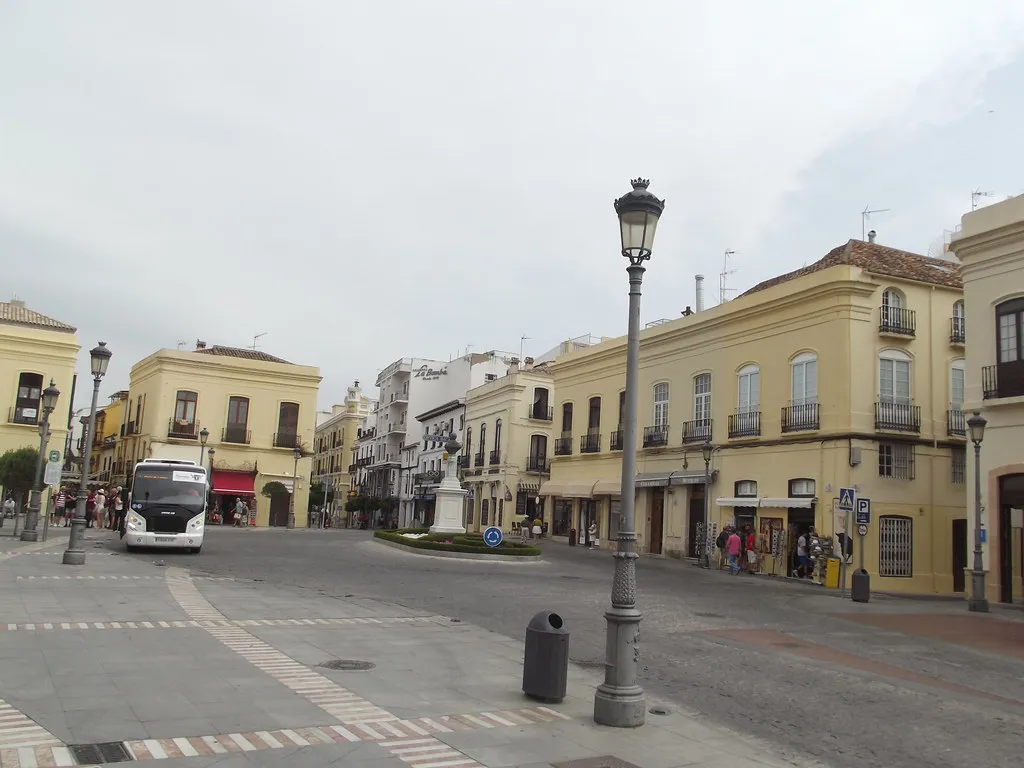
| Centro Histórico | First-timers, sightseeing | €100–€280 | Noise near clubs; check your street |
| Soho | Art, culture, day trips | €90–€200 | Less charming than old town |
| La Malagueta | Beach + city convenience | €110–€300 | Mostly high-rise; less atmospheric |
| El Palo & Pedregalejo | Families, budget travelers | €60–€160 | 40-min bus to main sights |
| La Merced | Nightlife, Picasso history | €80–€200 | Loud after midnight on weekends |
| Calle Larios area | Shopping, total centrality | €120–€320 | Most expensive central option |
| Lagunillas / La Victoria | Local vibe, lower budget | €70–€150 | Few hotels; mostly apartments |
- Centro Histórico — Best for first-timers and sightseeing. €100–€280/night. Noisy near clubs; check your specific street before booking.
- Soho — Best for art, culture, and day-trip logistics. €90–€200/night. Less charming than the center but more local.
- La Malagueta — Best for beach access combined with city proximity. €110–€300/night. Mostly high-rise apartments; not atmospheric, but unbeatable for convenience.
- El Palo & Pedregalejo — Best for budget travelers and families. €60–€160/night. Genuine fishing-village feel; longer commute to sights.
- La Merced — Best for nightlife and Picasso history. €80–€200/night. Lively square; some streets loud after midnight.
- Calle Larios area — Best for shopping and total centrality. €120–€320/night. The most expensive central option.
- Lagunillas / La Victoria — Best for a local residential vibe on a lower budget. €70–€150/night. Fewer tourist amenities; excellent authentic restaurants.
1. Centro Histórico: Best for First-Time Visitors and Sightseeing
The historic center is the obvious first choice for anyone arriving in Málaga for the first time, and the obvious choice is usually right. The Alcazaba, the Roman Theater, the Cathedral, and the Picasso Museum are all within a ten-minute walk of each other. The streets are pedestrianized, marble-paved, and genuinely lovely — narrow lanes that open onto sun-filled squares lined with orange trees and terrace restaurants.
The area radiates outward from Plaza de la Constitución, the city's main square. From there, Calle Marqués de Larios (Málaga's main shopping boulevard) heads south toward the port, while the Alcazaba rises steeply to the east. Plaza de las Flores and Plaza Uncibay are two smaller squares worth finding — both filled with terrace bars and local life, particularly in the evenings. Most of the accommodation here is boutique hotels and short-term apartments in historic buildings; large chain hotels are rare because the dense old-city footprint doesn't accommodate them.
The main trade-off is noise. The historic center is packed with nightlife, and some streets see clubs running until 04:00. Before you book, check whether your accommodation sits close to a club strip — Calle Granada and the streets around it are among the liveliest after midnight. If you're a light sleeper, look for rooms with confirmed soundproofing or choose a property on a quieter side street in the northern part of the center. Prices run roughly €100–€280 per night depending on season and property tier.
For a short city break of two or three days focused on museums and architecture, the Centro Histórico is the right call. For a longer stay where you want beach access without a bus ride, consider La Malagueta or Pedregalejo instead, and come to the center for day visits.
2. Soho: The Coolest Area for Art and Culture
Soho — officially the Ensanche Centro district — sits just south of the historic center, between the Alameda Principal boulevard and the port. It's a grid-planned, primarily residential neighborhood that has transformed significantly since the MAUS street art initiative launched around 2012. The project brought in internationally known artists including ROA, D*Face, Boamistura, Dadi Dreucol, and Dal East, and their large-scale murals are now the defining visual identity of the district. Walking the grid takes about an hour; most visitors are surprised by how much is packed into a compact area.
Beyond the street art, Soho is home to the Contemporary Art Centre (CAC Málaga), several independent galleries, a weekend artisanal market on Calle Alemania, and a string of cafes and restaurants that cater more to locals than tourists. The atmosphere is distinctly less polished than the historic center but more interesting for that reason. It's also the most convenient area if you're planning day trips: the bus and train stations are a short walk away, making it easy to catch early departures to Ronda, Granada, or Seville.
Accommodation options in Soho tend toward larger, more modern hotels rather than the boutique-in-a-palace style of the old town. The east side of the neighborhood, close to Plaza de la Marina and the port, has several 4- and 5-star properties with rooftop pools and port views. The west side is more local and down-to-earth. Nightly rates run €90–€200 for solid mid-range options, with the top-tier properties pushing to €280+. One watch-out: the neighborhood is not as visually attractive as the historic center, and if a distinctive Andalusian atmosphere matters to you, it will feel slightly generic in comparison.
3. La Malagueta: Best for Beach Lovers and Urban Convenience
La Malagueta is the beach neighborhood closest to Málaga's city center — roughly a 20-minute walk east from the historic core along the seafront promenade. The beach itself is a Blue Flag urban beach with fine sand. It's not pristine in the way beaches farther east are, but the convenience factor is hard to beat: you can spend a morning at the Alcazaba, walk down to the beach for an afternoon swim, and reach a restaurant on Muelle Uno for dinner, all without touching a bus.
The neighborhood's architecture is mostly mid-century and modern apartment blocks, which means it lacks the visual charm of the old town. What it has instead is direct beach access, the nearby Centre Pompidou Málaga, and the seafront promenade — El Paseo del Parque and Muelle Uno — lined with palm trees and backed by the Parque de Málaga. These are among the best evening walking spots in the city. La Caleta, immediately adjacent and often grouped with La Malagueta, offers a slightly quieter section of beach.
Compared with Pedregalejo and El Palo, La Malagueta has a more urban, less village-y feel. The beach here gets busier and the surrounding streets are more functional than atmospheric. The trade-off is time: staying in La Malagueta puts you roughly 20 minutes on foot from the main sights, while staying in Pedregalejo means a 30–40 minute bus ride. For travelers who want beach as the primary activity but also plan to do a full day of city sightseeing, La Malagueta is the most efficient compromise. Prices range from €110–€300 per night.
4. El Palo and Pedregalejo: Best for Families and Budget Travelers
El Palo and Pedregalejo are two former fishing villages about 5–7 km east of the center, connected to the city by a frequent and cheap bus service (Line 11, around €1.40 per journey, running every 10–15 minutes). Both have retained a genuinely local character that the city's more central beach areas have largely lost. The streets away from the seafront still have the feel of a working neighborhood — fruit shops, local bakeries, kids playing in small squares — and the beachfront chiringuitos serve espetos (sardines grilled over an open fire on the beach) the way they have for decades.
Pedregalejo is the better family pick. The beach here is divided into six small coves by stone breakwaters, which means calmer water and less wave action — much better for young children. The promenade along the beach is wide and flat, suitable for pushchairs. El Palo, a short walk further east, has a longer, more open beach stretching over a kilometer, with a palm grove providing shade from the summer heat. El Palo is where you find the best budget accommodation: guesthouses and small apartments typically run €60–€130 per night.
The honest downside is the commute. Getting from Pedregalejo to the Alcazaba takes 35–45 minutes by bus. That's manageable for a longer stay but frustrating on a two-day trip where you're trying to cover ground. If you're spending a week in Málaga and beach days are the main event, the trade-off is entirely worth it. If you're doing a three-day city break with a packed sightseeing list, the center or La Malagueta will serve you better. For top things to do in Málaga, most of the major attractions cluster in the center, not near the fishing villages.
5. La Merced: Málaga's Best Neighborhood for Nightlife and Local Charm
La Merced sits immediately north of the historic center and centers on Plaza de la Merced, a large, lively square surrounded by classical buildings and ringed with terrace bars busy from morning until well past midnight. This is where Picasso was born — Casa Natal de Picasso faces the square — and the neighborhood blends that historical identity with a genuinely lively local bar scene. It's one of the most walkable areas in Málaga and is close enough to the historic center that getting to the major sights takes under ten minutes on foot.
The nightlife here is real and varied: tapas bars, cocktail lounges, and a handful of clubs, especially along the streets running north from the square. If you're a night owl, La Merced suits you well. If you're traveling with young children or are a light sleeper, the noise level after 23:00 is a genuine consideration — some streets stay loud until 03:00, particularly on weekends. The area is also home to Parque Gibralfaro above, which means uphill access to the castle and some of the best views in the city.
Accommodation prices are more affordable than the Centro Histórico — typically €80–€200 per night — and the options here lean toward boutique hotels, apartments, and a few guesthouses. Hotel options are fewer than in the center, so book early in high season. La Merced is one of the better choices for travelers who want central access without paying the premium of the historic core, and who enjoy coming home to an animated local square rather than a tourist-heavy pedestrian street.
6. Around Calle Larios: Best for Shopping and Total Central Access
Calle Marqués de Larios is Málaga's main shopping boulevard — a broad, pedestrianized marble avenue lined with major Spanish and international brands, cafes, and ice cream shops. It runs south from Plaza de la Constitución to the Alameda Principal, effectively slicing through the center of the historic district. Staying in the immediate area means you're within two to three minutes of everything: the Cathedral, the Alcazaba, the Picasso Museum, the port, and Soho all within a short walk.
Shopping on Calle Larios is best done in the morning or after 18:00. Many smaller shops and boutiques still observe a siesta break, closing between roughly 14:00 and 17:00, so plan your retail time accordingly. The street transforms seasonally: during Málaga's February Carnival and the summer Feria de Málaga in August, it becomes the center of city celebrations and is closed to all traffic, which is spectacular but also means considerable crowds and noise. The Christmas illuminations in late November and December are genuinely impressive and draw visitors from across Andalusia.
Accommodation near Calle Larios commands a premium — €120–€320 per night — partly because of location and partly because some of Málaga's better hotels cluster here. Hotel Larios sits directly on the boulevard itself. This is the priciest central option, but if you want maximum access and minimum walking with heavy luggage, it's the most efficient base in the city. Budget travelers are better served by La Merced or the fishing villages to the east.
7. Lagunillas and La Victoria: Authentic Local Vibe
Lagunillas and La Victoria sit just north and northeast of the historic center, adjacent to La Merced, and together represent the most genuinely residential option for visitors who want to live alongside locals rather than other tourists. La Victoria takes its name from the Catholic Monarchs' victory over the Moorish city in 1487 and centers on Calle Victoria — a busy street with a mix of spots for locals and a scattering of destination restaurants. The baroque La Victoria Sanctuary and the path up to Parque Gibralfaro and the castle are both nearby.
Lagunillas, historically a working-class neighborhood with Roma roots, has started gentrifying slowly but retains a strong identity. Street art is dense here — more raw and community-oriented than the curated MAUS murals in Soho. If you wander the streets early on a weekend morning, you may still hear informal flamenco from an open window or a doorway. The neighborhood has some of the most interesting small restaurants in the city, particularly along the streets near the old city walls. Prices for accommodation are noticeably lower: €70–€150 per night for apartments and guesthouses.
The practical drawback is fewer hotel options. This is primarily a residential area, so most stays are short-term apartment rentals rather than hotels. If you prefer hotel services and a front desk, look elsewhere. But for independent travelers who enjoy exploring a neighborhood as an end in itself — buying bread from a local bakery, eating lunch at a place with no English menu, sitting in a square where the other people are not tourists — Lagunillas and La Victoria offer something the more central areas can't replicate. Check our where to stay in the city guide for specific apartment options in this area.
Areas to Avoid in Málaga
Málaga is one of the safer cities in southern Europe, and the vast majority of visitors have no problems anywhere in the city. That said, a few areas are worth avoiding or approaching with extra awareness. The neighborhoods of La Palma and La Palmilla, on the western edge of the city, are among the more deprived districts and see higher petty crime rates. As a tourist, you have no reason to travel there, and you almost certainly won't stumble into them by accident.
More relevant to visitors: some streets around Cruz Verde, just west of the historic center near the Guadalmedina riverbank, can feel uncomfortable at night, particularly after bar-closing time. The area immediately west of the river in El Perchel and La Trinidad is perfectly safe during the day but is not recommended for late-night walking. Stick to the well-lit, more trafficked streets on the east side of the river after dark.
Within the tourist neighborhoods, the main risk is pickpocketing in crowded areas: Calle Larios during festivals, the Picasso Museum queue, and the Mercado de Atarazanas on busy weekend mornings. Use a crossbody bag or inside pocket rather than a backpack zip that's easy to access from behind. These are standard big-city precautions rather than Málaga-specific problems, and they apply in the historic center far more than in the beach neighborhoods to the east.
How to Choose the Best Area for Your Málaga Trip
The single most useful question to answer first is: beach or city? If you're visiting in June, July, or August, the answer will shape your whole stay. A sweltering afternoon in the historic center with no nearby shade or water makes sightseeing miserable; being able to walk five minutes to a beach changes everything. If beach access is important, prioritize La Malagueta for convenience or Pedregalejo for a more relaxed atmosphere. If you're visiting in spring or autumn — the best time for sightseeing — the beach question matters less and the Centro Histórico becomes the easy winner.
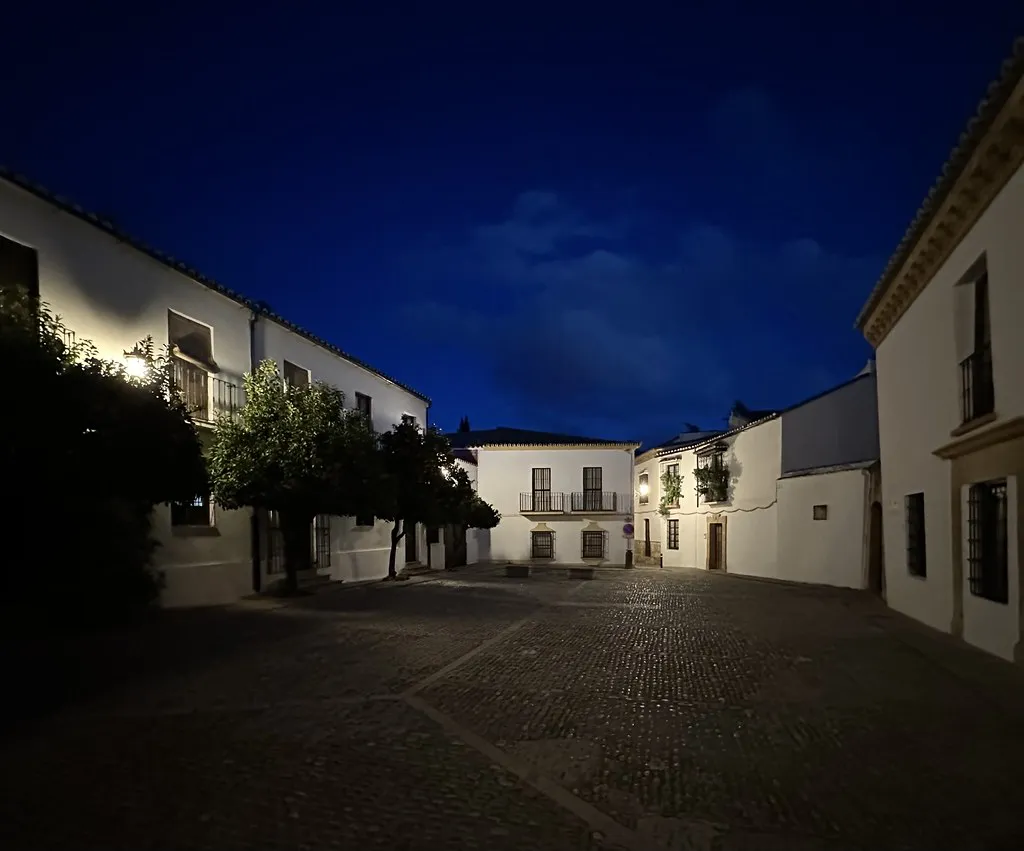
Trip length also matters. On a two- or three-day city break, staying anywhere that requires a 40-minute bus commute to the main sights is a real cost. The time adds up fast. For short stays, bias toward the historic center, La Merced, or the Calle Larios area. For stays of five days or longer, the fishing villages or La Victoria start to make more sense: you can dedicate days to beach and neighborhood exploration rather than chasing a condensed sightseeing checklist.
Budget is the third variable. The historic center and Calle Larios are the most expensive areas. La Merced and Soho are noticeably cheaper for similar quality. El Palo and Lagunillas are the budget-friendly options. Transport links are good enough across all of these areas that you don't need to pay a premium for proximity if cost matters more to you. For broader trip planning, see our guide to the best time to visit and our breakdown of how many days you need in Málaga.
Finally, think about your evenings. If nightlife and late dinners are part of the plan, La Merced and the historic center keep you in the thick of it. If you prefer quiet evenings and early starts, the fishing villages or La Victoria let you retreat from the city's noise. The city is compact enough that no neighborhood forces you into a single mode — but where you sleep shapes the rhythm of your days more than most people expect before they arrive.
Tips for a Smooth Stay in Málaga
Málaga's bus network covers the city efficiently and cheaply. Line 11 is the key route for tourists: it connects the center to La Malagueta, Pedregalejo, and El Palo along the coast. A single journey costs around €1.40 with a contactless payment or €1.80 with cash. If you're using buses more than four or five times a day, a reloadable Tarjeta de Transporte card reduces the per-journey cost. Taxis and ride-sharing apps (Uber and FreeNow both operate in Málaga) are readily available from the center.
Summer heat is genuinely intense from late June through early September, with afternoon temperatures regularly above 35°C. Plan museum visits for 10:00–13:00 before the worst of the heat, and save beach time for 17:00–20:00 when the sand has cooled slightly. Many smaller shops still observe a siesta, closing roughly 14:00–17:00, so plan errands and shopping in the morning or late afternoon. The major attractions — Alcazaba, Picasso Museum, Cathedral — stay open through the afternoon but queues are longer in midday heat.
One common first-timer mistake is underestimating how much the neighborhoods vary in noise level. The historic center sounds like a city that doesn't sleep because, largely, it doesn't. Before confirming any booking, check the specific street on Google Maps and look for nearby bars and clubs. Properties on small residential lanes or facing inner courtyards are significantly quieter than those facing main pedestrian streets. Hotels with confirmed soundproofing are worth the small premium if you're a light sleeper.
For getting around within the center, Málaga is highly walkable — the Alcazaba, Cathedral, and Picasso Museum form a triangle that you can cover on foot in under 15 minutes. The main danger is the uphill walk to Gibralfaro Castle, which is steep and hot in summer; take the bus (Line 35) up and walk down rather than climbing in midday heat. Learn a few basic Spanish phrases; locals appreciate the effort and you'll get better recommendations for places to eat as a result. Read more on getting around the city efficiently before your trip.
FAQs About Staying in Málaga
Frequently Asked Questions
Where Should a Solo Traveller Stay in Málaga?
Solo travelers will find the Centro Histórico or Soho excellent choices. Both areas are central, well-lit, and offer plenty of activity, making it easy to meet people and feel safe. They provide a good balance of culture, dining, and nightlife.
Where is the best area in Málaga?
The "best" area depends on your priorities. For first-time visitors focused on sightseeing, the Centro Histórico is unmatched. If beaches are key, La Malagueta or Pedregalejo are ideal. For a vibrant arts and culture scene, Soho is the top pick.
Is it better to stay in Marbella or Málaga?
Málaga offers a richer historical and cultural experience, with museums, ancient sites, and a vibrant city life. Marbella is known for its luxury resorts, exclusive beaches, and high-end nightlife. Choose Málaga for culture and authenticity, Marbella for glamor and relaxation.
Is it worth staying in Málaga?
Absolutely. Málaga is a fantastic destination, offering a compelling blend of history, art, delicious food, and beautiful beaches. It serves as an excellent base for exploring Andalusia, providing a rich cultural experience without the overwhelming crowds of larger Spanish cities.
Where should I stay outside Málaga?
If you prefer to stay outside the immediate city, charming white villages like Mijas Pueblo or coastal towns like Nerja offer different experiences. These provide a quieter retreat with stunning views, often requiring a car or bus for day trips into Málaga city. You can find more about day trips in our Málaga Day Trips Guide.
Málaga truly offers a neighborhood for every type of traveler, blending history, culture, and coastal charm seamlessly. Whether you prioritize bustling city life, serene beach days, or a vibrant art scene, the city has a perfect spot waiting for you. By considering your personal preferences and our detailed guide, you're well-equipped to choose the best area to stay in Málaga for an unforgettable trip.
Remember to explore beyond your chosen area; Málaga's compact size makes it easy to experience diverse districts. From the historic alleys of the Centro Histórico to the artistic streets of Soho, each corner tells a unique story. Embrace the local rhythm, savor the cuisine, and let Málaga surprise you with its endless appeal.
You might also like


Continue reading
More guides you'll find useful


