

10 Málaga Hidden Gems Worth Discovering (2026)
Uncover Málaga's best hidden gems with our 2026 guide. Find unique spots, local tips, and practical advice for an unforgettable trip.
On this page
10 Málaga Hidden Gems for a Unique Trip (2026)
After three visits to Málaga over five years, I've learned that the true magic of the city often lies beyond its bustling main attractions. While the Alcazaba and Picasso Museum are essential, the real charm unfolds in its quiet corners and lesser-known locales. This guide, refreshed for 2026, focuses on uncovering those unique experiences. Prepare to explore the authentic heart of Málaga, far from the typical tourist routes.
Málaga is a city of layers, where ancient history meets vibrant modern culture. Diving into its hidden gems reveals a richer narrative, offering glimpses into local life and serene beauty. These spots provide a welcome contrast to the more crowded sights. They promise a more intimate and memorable connection with this beautiful Andalusian city.
Plan with trusted sources: cross-check opening hours and seasonal details with the official Andalusia tourism board, and read more about the city on its Wikipedia entry before you go.
Hidden Gems in Málaga: Where to Start
Málaga rewards visitors who wander beyond the Calle Larios corridor. Most of the city's best-kept secrets are clustered in three areas: the historic centre and its adjacent barrios, the eastern fishing neighbourhoods of Pedregalejo and El Palo, and the northern fringes where the botanical garden sits above the city. Getting to grips with this geography makes it easier to group visits and avoid backtracking.
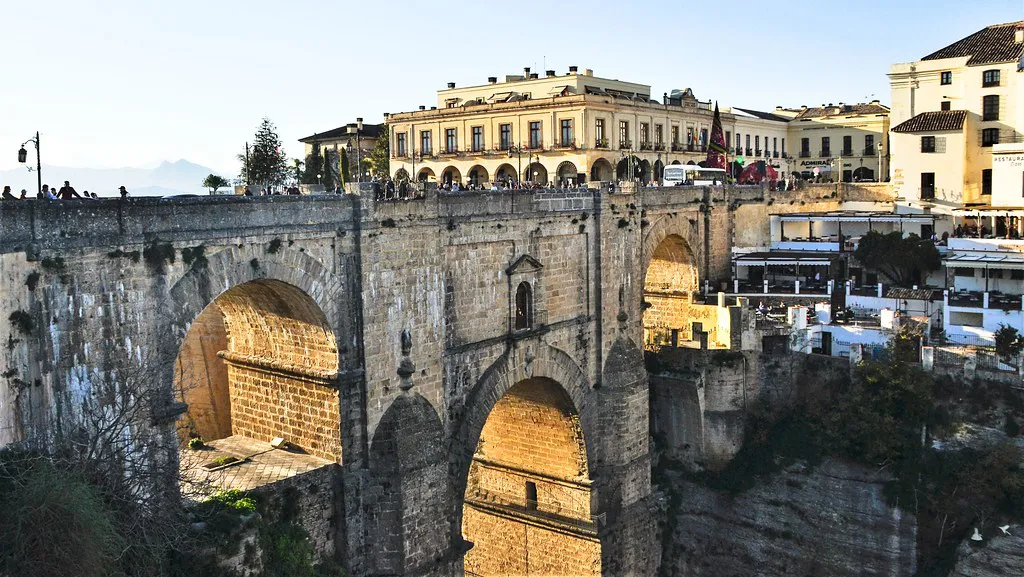
The city's hidden side stretches well beyond the well-documented spots. Locals know that the most authentic experiences often involve little more than turning down an unfamiliar side street or buying a coffee where there's no English menu. The places in this guide range from free neighbourhood walks to small-admission cultural gems. None of them require advance booking except where noted — most are best discovered on foot, at your own pace.
See also our guide to top things to do in Málaga if you want to balance these off-the-beaten-path finds with the city's headline attractions. If you're deciding how to spread your time, our page on how many days you need will help you plan realistically.
Sociedad Económica Amigos del País — Step Back in Time
This historic institution sits at the heart of Plaza de la Constitución, right on one of Málaga's busiest squares, yet most visitors walk straight past it. Founded in 1765 (the building itself dates to 1789), it was established to promote education and industry in Andalusia. The entrance is marked by an imposing black-and-white marble facade with an intricate wrought-iron gate — stop and look up before you push it open.
Inside, the patio has an original marble floor, a central fountain, and a magnificent balcony running around the upper level. The library and adjacent rooms feel frozen in a more scholarly century. Entry is generally free during business hours (Monday–Friday, roughly 09:00–14:00 and 17:00–20:00, though confirm on site). Allow 30–45 minutes. Combine it with a wander down nearby Calle Compañía, which hides the Ateneo, the Santo Cristo de la Salud church, and the Carmen Thyssen Museum shop.
Basilica de la Victoria — Creepy Crypt and Stunning Lady Chapel
Home to Málaga's patron saint, this basilica sits slightly northeast of the historic centre in the Victoria neighbourhood. The nave itself is large but unremarkable. The real reason to visit is below ground and directly beside it: the crypt and the Camarín de la Virgen (lady chapel). Both were painstakingly restored in recent years and the contrast between them is arresting — the crypt is minimalist black and white, stacked with ossuary art in a way that borders on macabre, while the lady chapel glitters in gold, white, and blue.
Admission to the crypt and museum runs approximately €3–€5 per adult. Opening hours are typically mornings (10:00–13:00) and evenings (17:00–19:30), but these shift seasonally — verify before visiting. It is a 15-minute walk from Plaza de la Merced or reachable by local bus. After your visit, the Lagunillas street-art neighbourhood is a five-minute walk east and makes a natural follow-on stop.
Paseo del Parque — Botanical Gardens in the City Centre
Most visitors pass through this central promenade without realising it doubles as an open-air botanical garden. The Paseo del Parque stretches between the historic centre and La Malagueta, running parallel to the port. It was laid out at the end of the 19th century and today contains over 100 species of tropical and subtropical trees, labelled plants from five continents, statues, and water features. In summer it provides genuine shade; in spring the flowering trees make it one of the prettiest walks in the city.
It is free, open around the clock, and requires no planning. Look for the three architectural set pieces on the northern side: the Neo-Mudéjar headquarters of Málaga University, the classical Bank of Spain building, and the fairytale City Hall. These are visible from the garden and easy to miss if you're heads-down on your phone. Allow at least an hour to do the full length properly and read the tree labels — you'll spot species you won't find outside of tropical climates.
Peñón del Cuervo — Off the Beaten Path Beach
The city beaches near the port get overcrowded in summer. Peñón del Cuervo, roughly 9 km east of the centre in the El Palo district, is a different proposition: a small (about 100m long) secluded bay framed by rocky cliffs and backed by lush vegetation. A giant rock sits in the water — locals say its silhouette resembles a crow (cuervo), though it takes some imagination. The beach has barbecue areas, sun lounger rental, and a small supermarket nearby, but it remains far less hectic than La Malagueta or La Misericordia.
Getting there: take the M160 (green) bus from Muelle Heredia next to the Port entrance, or cycle along the partially dedicated bike path (about 30 minutes). If you have a car, parking is free on surrounding streets outside peak summer. Late afternoon is the best time to arrive — the light on the cliffs is exceptional at that hour, and the sunsets are genuinely worth the trip. Before or after the beach, stop in the Pedregalejo or El Palo chirinquitos for sardine skewers (espetones) cooked over open fires — this is the most authentic beach-food tradition in Málaga and most tourists never make it this far east.
Jardín Botánico La Concepción — Lush Escape North of the City
This 23-hectare historical botanical garden on the northern outskirts of Málaga is one of the most important in Spain and yet consistently quieter than its reputation suggests. The Marquis and Marchioness of Loring created the collection in the mid-19th century, and it feels today like a private estate accidentally left open to the public. Highlights include the wisteria pergola (spectacular in late March and early April), a round-the-world-in-80-trees walk, waterfalls, cactus gardens, a dome with city panoramas, and palms that would look more at home in Bali than Andalusia.
Admission is approximately €5.20 per adult; guided tours available for an extra fee. Open daily from 09:30 (closing times vary by season — check ahead and add time). The garden also runs Halloween and Christmas events, making it an excellent option for families. A dedicated tourist bus (Line 2) runs from Alameda Principal in the city centre, or take a taxi (around €8–10 each way). Budget 2–3 hours minimum. On Sundays, admission is free — arrive early if visiting on a Sunday in summer as it gets busier then.
Museo del Vidrio y Cristal — A Private Treasure in a Historic Mansion
The Museum of Glass and Crystal occupies an 18th-century mansion in the San Felipe Neri neighbourhood, in the northern part of the old quarter. It houses over 3,000 glass and crystal pieces spanning centuries — from primitive Roman glassware to 20th-century art pieces — alongside antique furniture, clocks, and mirrors. The building itself is beautiful: tiled courtyards, painted ceilings, and rooms that feel like stepping into a very well-funded private collection rather than a municipal museum.
Admission is approximately €7 per adult. The museum is open Tuesday–Sunday, with guided tours typically available hourly (check specific times ahead of your visit as they shift). The owner sometimes leads tours personally, which adds a layer of storytelling you won't find at larger institutions. This is firmly a niche-interest museum — don't bring anyone who isn't genuinely curious about glass or decorative arts — but for the right visitor it's one of the most memorable two hours in the city.
Alcazaba Walkway — Quiet Views of the City Skyline
Most visitors queue for the main Alcazaba entrance and miss this free alternative entirely. The walkway entrance is tucked between the Albéniz Cinema and the Roman Theatre Visitor Centre on Calle Alcazabilla. Climb the steps past the Má-aga sculpture (stand where the 'l' should be for the standard photo), then follow the path as it winds up alongside the Alcazaba's outer walls. From up here the views of the Roman Theatre below and the city skyline beyond are excellent — and at last light, when the setting sun catches the sandstone, they're exceptional.
The walkway is free, open during daylight hours, and rarely crowded. Allow 30–60 minutes at a relaxed pace. Combine it with a visit to the Roman Theatre Visitor Centre directly below (also free entry), which gives context to the city's Roman-era footprint. Go early on weekend mornings if you want the path to yourself.
English Cemetery — Spain's Oldest Protestant Burial Ground
Established in 1829, the Cementerio Inglés near La Malagueta beach is Spain's oldest non-Catholic cemetery and one of Málaga's most unusual places. It contains the graves of Robert Boyd (executed in 1831 for his role in a liberal uprising), writer Gerald Brenan, poet Jorge Guillén, and economic historian Marjorie Grice-Hutchinson, among many foreign residents, sailors, and merchants who settled here across two centuries. The entrance is guarded by two stone lions. Inside, the grounds are currently being restored to their original condition, with St George's Church holding regular Anglican services and cultural events.
Admission is approximately €3–€5 per adult. Open Tuesday–Sunday, typically 10:00–14:00 (verify on their website before visiting as hours shift). The cemetery is in La Malagueta, a 10-minute walk east of the Alcazaba. It rewards visitors with a sense of quiet that's hard to find anywhere else in the city centre — a genuine oasis of shade and history, and one of those places locals are slightly puzzled that more tourists don't seek out.
Roman Remains Under the Carmen Thyssen Museum — Málaga's Newest Hidden Gem
This is the most recent addition to Málaga's roster of hidden gems, and currently one of its least-publicised. The Roman archaeological complex beneath the Carmen Thyssen Museum on Calle Compañía only opened to the public in March 2026, after years of excavation and preparation. What's down there is genuinely impressive: a Nymphaeum fountain, garum fish-sauce production vats (Málaga was a significant garum exporter in Roman times), and clearly defined street layouts that reveal how the ancient city was organised at street level.
You access the remains as an add-on to your Carmen Thyssen Museum ticket for an extra €2. The museum itself is worth the visit (free on Sunday afternoons), so this makes for a very efficient afternoon — modern art upstairs, Roman archaeology below. The remains are a short flight down from the main museum floor and take about 20–30 minutes to cover properly. Given how recently this opened, very few visitors know it exists yet. If you're visiting in 2026, this is the single most time-sensitive gem on this list.
Lagunillas and the Automobile Museum — Local Culture and Quirky Museums
The Lagunillas neighbourhood sits just east of Plaza de la Merced and is Málaga's most concentrated street-art zone. Local artists began painting its walls in the early 2000s and the tradition has continued, with new murals appearing regularly alongside small independent bars, music venues, and craft shops. It's free to wander at any time — budget 1–2 hours to cover the key streets. Small traditional taverns in the neighbourhood serve authentic, inexpensive tapas; this is one of the best areas in the city to eat and drink without a tourist mark-up.
For something more offbeat, make the 20-minute bus or bike ride to the Automobile and Fashion Museum (Museo Automovilístico) in the Huelin neighbourhood, housed in the former Old Tobacco Factory. The collection spans 90 vehicles tracing automotive design across the 20th century, alongside an impressive display of haute couture from Chanel, Prada, Dior, and Balmain. It appears on multiple lists of the world's best museums yet is consistently quiet — genuinely puzzling given the quality. Check the museum's official website for current admission prices and opening times, and consider booking ahead during peak summer weeks.
Hidden Local Eats: Where to Eat Like a Málagueño
Food is one of the most reliable gateways into the authentic city. The tourist-facing restaurants along Calle Larios and near the Alcazaba are convenient but rarely memorable. Locals eat further afield. In the Pedregalejo neighbourhood, the chiringuitos (open-air beach restaurants) cook sardines on espeto skewers over driftwood fires right on the sand — Los Cuñaos on Playa de Pedregalejo is a consistently recommended option. This dish is specific to the Málaga coast and almost impossible to find prepared this way anywhere else in Spain.
In the city centre, Mercado del Carmen in the El Perchel district (near the main train station) is the local alternative to the tourist-heavy Mercado de Atarazanas. It's affordable, authentic, and surrounded by streets from one of Málaga's oldest neighbourhoods. For a bar experience, the Peña Juan Breva in the historic centre is both a flamenco museum and a performance venue — small, named after the great 19th-century singer Juan Breva, and with a bar where you can watch live flamenco in an intimate underground room. Reserve in person or by phone a few days ahead; it fills up with locals, not tour groups.
How to Plan a Smooth Málaga Hidden Gems Day
Planning a day around Málaga's hidden gems requires a slightly different approach than visiting major landmarks. Many of these spots are clustered in certain neighbourhoods, making them easy to combine. Comfortable walking shoes are essential, as you'll be doing a fair amount of exploring on foot. Consider public transport for gems further afield, like the Botanical Garden or Peñón del Cuervo.
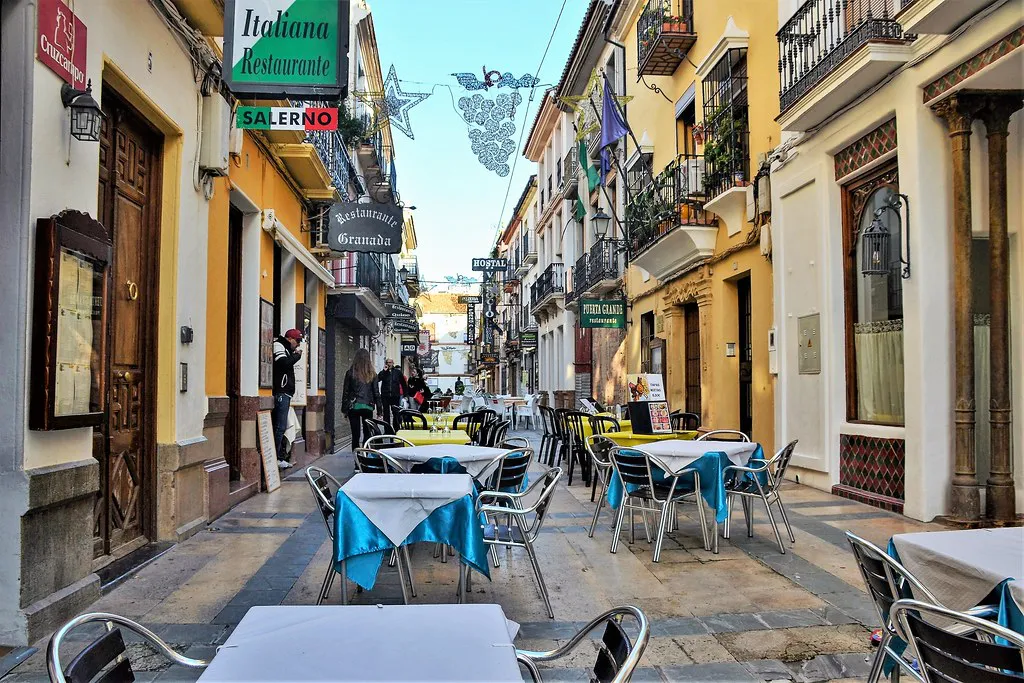
A practical cluster for one full day: start at the Sociedad Económica Amigos del País (opens 09:00), walk five minutes to the Carmen Thyssen Museum and its new Roman basement (allow 1.5–2 hours), then head up Calle Alcazabilla for the Alcazaba Walkway and a look at the Picasso fig tree behind the museum. After lunch in Lagunillas, spend the afternoon at the English Cemetery (closes 14:00 — visit before lunch) or save it for a cooler morning. The Basilica de la Victoria is a 15-minute walk from Lagunillas and works as an early-evening stop.
| Hidden Gem | Admission | Time Needed | Location |
|---|---|---|---|
| Sociedad Económica Amigos del País | Free | 30–45 min | Historic Centre |
| Basílica de la Victoria (crypt) | €3–€5 | 45–60 min | Victoria neighbourhood |
| Paseo del Parque | Free | 1 hour | City Centre |
| Peñón del Cuervo beach | Free | Half-day | El Palo, ~9 km east |
| Jardín Botánico La Concepción | ~€5.20 (free Sun) | 2–3 hours | North of city |
| Museo del Vidrio y Cristal | ~€7 | 1.5–2 hours | San Felipe Neri, Old Quarter |
| Alcazaba Walkway | Free | 30–60 min | Calle Alcazabilla |
| English Cemetery | €3–€5 | 45–60 min | La Malagueta |
| Roman Remains (Carmen Thyssen) | +€2 add-on | 20–30 min | Calle Compañía |
| Lagunillas Street Art | Free | 1–2 hours | East of Plaza de la Merced |
For the Botanical Garden and Peñón del Cuervo, dedicate a separate half-day each — they're in opposite directions and each needs 2–3 hours minimum. Always double-check opening hours before you go, as smaller venues have limited or seasonal schedules. Many of these experiences are budget-friendly or free, allowing you to allocate more funds to food and drink at local spots. Check the best time to visit to align your trip with pleasant temperatures for outdoor exploring.
Which Málaga Hidden Gems Fit First-Time Visitors?
For first-time visitors to Málaga, balancing iconic sights with a few hidden gems creates a well-rounded itinerary. You don't want to miss the main attractions, but a taste of the city's unique character is invaluable. Start with easily accessible hidden gems that are close to the historic centre. This allows for seamless integration into a busy sightseeing schedule.
The Paseo del Parque and the Roman remains under the Carmen Thyssen Museum are excellent starting points. Both are centrally located and offer a dose of local depth without requiring significant travel time. The Lagunillas Street Art neighbourhood is also a fantastic introduction to Málaga's modern pulse. These options provide a gentle entry into the city's less-explored facets, enriching your initial visit.
If you have an extra half-day, consider the Museo del Vidrio y Cristal for its intimate setting and personal touch. It's a manageable size and offers a distinct experience from larger museums. Incorporating one or two of these hidden gems will give you a deeper appreciation for Málaga's diverse offerings. Read our guide to Málaga's neighborhoods to understand which areas are worth exploring on foot and which need a bus or bike. Knowing how to get around the city efficiently will save you significant time when connecting these scattered spots.
Frequently Asked Questions
How much time should you plan for Málaga hidden gems?
Plan for at least a half-day, or ideally a full day, to explore a few Málaga hidden gems meaningfully. Many can be combined geographically. Some, like the Botanical Garden, warrant 2-3 hours on their own.
Which Málaga hidden gems options fit first-time visitors?
First-time visitors should prioritize centrally located hidden gems like the Paseo del Parque, the Picasso Fig Tree, and the Lagunillas street art neighborhood. These are easy to access and offer a unique flavor of Málaga without extensive travel.
What should travelers avoid when planning Málaga hidden gems?
Avoid over-scheduling your day; some smaller gems have limited hours, so check ahead. Do not rely solely on public transport for all hidden gems; some are best reached by walking or taxi. Always wear comfortable shoes for exploring.
Málaga truly shines when you venture beyond the obvious and discover its hidden gems. These unique spots offer a deeper connection to the city's history, culture, and local life. From the newly-opened Roman basement under the Carmen Thyssen to the sardine fires on Pedregalejo beach, each discovery adds another layer to your travel story. Embrace the spirit of exploration and let Málaga surprise you.
By incorporating these less-trodden paths, you'll gain a more authentic and memorable experience. Málaga is a city that rewards those who look a little closer and wander a little further. We hope this guide inspires you to uncover the magic that awaits beyond the usual tourist trail. Happy exploring in 2026!
You might also like


Continue reading
More guides you'll find useful


