Nerja Day Trip From Malaga: Your Ultimate 1-Day Guide
Plan your Nerja day trip from Malaga with top picks, neighborhood context, timing tips, and practical booking advice for a smoother trip.
On this page
Nerja Day Trip From Malaga: A Perfect 1-Day Itinerary
A Nerja day trip from Malaga is one of the easiest and most rewarding excursions on the Costa del Sol. The town sits about 55 km east of Malaga, reachable by direct ALSA bus in roughly 60–90 minutes. Once there, you get dramatic clifftop views, prehistoric caves, clear-water beaches, and whitewashed streets that stay calm even in peak summer.
This guide covers the must-see attractions in Nerja, the best nearby day trips you can bolt on, and the practical details — bus costs, cave ticket prices, and walking routes — that most guides skip. Everything below is current for 2026.
Plan with trusted sources: cross-check opening hours and seasonal details with the official Andalusia tourism board, and read more about the city on its Wikipedia entry before you go.
Getting from Malaga to Nerja
ALSA runs regular buses from Malaga's main bus station (Estación de Autobuses de Málaga, Paseo de los Tilos) directly to Nerja. The journey takes 60–90 minutes depending on the route. A one-way ticket costs around €4–€5. Buses run from roughly 07:00 to 22:00; check current schedules on the ALSA website before you go.
Buying your ticket online in advance is smart, especially westbound in the afternoon — those buses fill fast. If you prefer flexibility, tickets are also available at the station's ticket windows. There is no direct train service to Nerja; bus is the only public transport option.
Driving takes about 50 minutes via the A-7 coastal highway and gives you freedom to stop at Maro or the caves on your own schedule. Parking in central Nerja can be tight in July and August — aim for the lots near the Balcón de Europa and arrive before 10:00.
Must-See Nerja Attractions
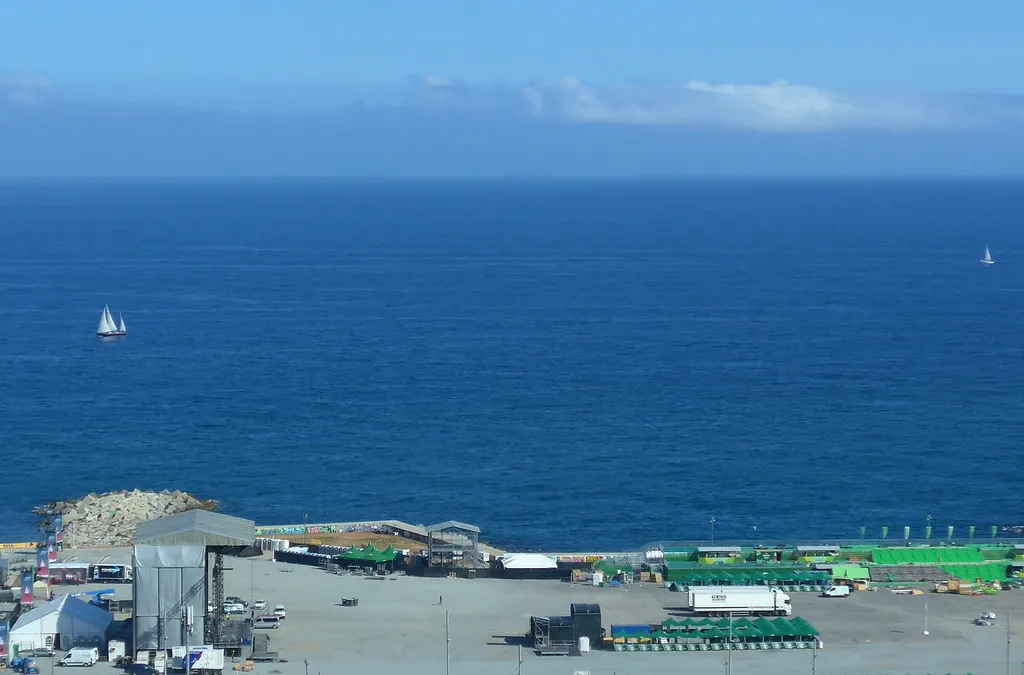
The Balcón de Europa is the first stop for almost every visitor. This promenade juts out over the sea on a headland in the centre of town, offering views along the coast in both directions. Alfonso XII reportedly said you could see Africa from here — you cannot, but the panorama is genuinely spectacular. The walkway is free to access and crowded from about 10:00 onward; arriving at 09:00 gives you the best light and fewer people.
From the Balcón, Nerja's old town fans out along narrow pedestrian streets lined with tapas bars and ceramic shops. The walk east toward Calahonda beach and west toward Torrecilla beach takes about 30 minutes at a relaxed pace. Both beaches are accessible by steps from the cliffs and are less packed than Burriana.
Burriana Beach is Nerja's longest and most family-oriented stretch of sand. It sits about 10 minutes' walk east from the Balcón. The beach has sun-lounger hire, showers, and several chiringuito restaurants serving fresh fish. Arriving before 11:00 in summer secures good spots.
Nerja Caves: The Essential Detail
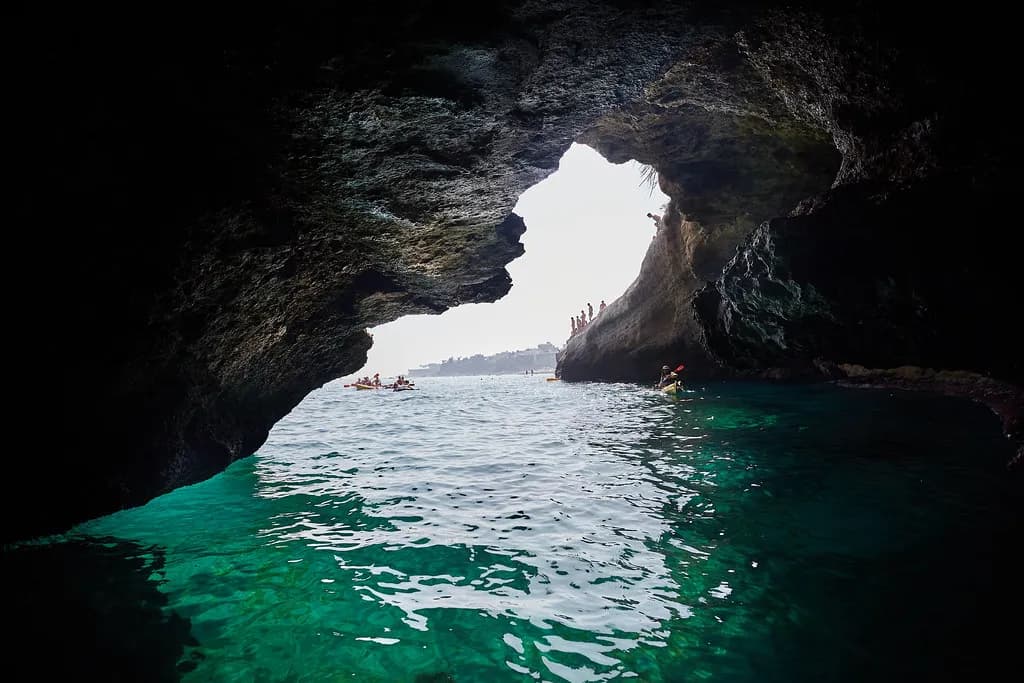
The Nerja Caves (Cuevas de Nerja) sit about 3 km east of the town centre, technically in the hamlet of Maro. They contain one of the world's largest cave columns and Palaeolithic rock art dated to over 40,000 years old. A guided tour of the illuminated chambers takes roughly 45–60 minutes. Admission is around €12 for adults in 2026; book online to avoid a queue that can stretch 30–45 minutes on summer mornings.
There are three ways to get there from Nerja. The ALSA bus from Nerja bus station costs about €1.35 and takes 15 minutes; buy the ticket online and show it to the driver. The tourist train departs from Plaza de los Cangrejos near Torrecilla beach — a return package including cave admission costs around €20, and the ride itself is enjoyable. You can also walk: a wide pavement follows the road from Nerja to the caves and takes about 45 minutes; it is not shaded, so skip this in July and August.
| Option | One-way cost | Journey time | Notes |
|---|---|---|---|
| ALSA bus | ~€1.35 | 15 min | Buy ticket online; show to driver |
| Tourist train (return + caves) | ~€20 (all-in) | 20 min | Departs Plaza de los Cangrejos; great for families |
| Walk | Free | 45 min | Unshaded road; avoid July–August midday |
After the caves, continue another few hundred metres to Maro. This tiny village has one of the better beaches on the eastern Costa del Sol and the Eagle Aqueduct (Acueducto del Águila) a short walk away. Combining Maro with the caves adds only 30–60 minutes but is worth it if you have the time.
Museums, Art, and Culture in Nerja
Nerja is not primarily a museum city, but it has a few cultural stops worth knowing. The Museum of Nerja (Museo de Historia de Nerja) occupies a house near the Balcón and covers local history from the Roman and Moorish periods through to the 20th century. Entry is modest — around €3 — and the visit takes about 45 minutes. It is closed on Mondays.
The Moorish heritage is visible in the street layout of the old town. The narrow lanes between Calle Cristo and Plaza Cavana follow the original Moorish grid. A handful of ceramic workshops sell locally made tiles and pottery; these are genuine workshops, not just souvenir shops, and watching the craftspeople work is free.
For a dose of living culture, the weekly market on Thursday mornings fills the streets near Plaza Tutti Frutti with local produce, spices, and handmade goods. If your day trip falls on a Thursday, the market is worth 30 minutes before the caves fill up.
Parks, Gardens, and Outdoor Spots
The Maro-Cerro Gordo Natural Park begins just east of the caves and extends to the provincial border with Granada. It protects a stretch of rugged coastline with Roman watchtowers, hidden coves, and a network of hiking trails. The most accessible entry point is the road past the caves toward La Caleta de Maro beach, which is reached via a steep path and rarely crowded even in high summer.
The coastal walk between Nerja and Torrox Costa is one of the best easy walks on the eastern Costa del Sol. It follows the cliff edge and beach promenades westward for about 5 km, passing several small chiringuitos (open-air beach restaurants) and coves along the way. The walk takes 45–60 minutes at a gentle pace and offers views back over Nerja that you will not see from any bus window. Most day-trippers skip this entirely — which means the path is quiet even in peak season.
For a short urban green space, the Jardines de la Constitución near the Balcón provide shade and benches. They make a good spot for a mid-morning coffee break before heading to the caves in the afternoon.
Family-Friendly and Budget-Friendly Options
The caves are the headline family attraction — children are fascinated by the rock formations and the scale of the chambers. Buy the tourist-train package (around €20 adult, €12 child) rather than the standard bus, because the train ride itself delights younger visitors. Book online; cave tickets sell out on summer mornings and you cannot afford to queue with restless children.
Burriana Beach is the best beach for families. It has lifeguards in summer, beach-toy rental, and several budget chiringuitos where grilled sardines on espetos (bamboo skewers) cost around €6–€8. The espeto is Málaga's signature beach dish and a good first-timer experience.
Budget travellers can cover the essentials for well under €30 per person: €5 bus return + €12 cave admission + €10 lunch at a beachside chiringuito + free Balcón de Europa. The tourist-train upgrade and a restaurant dinner are extras, not necessities. Tap water is safe to drink; bring a refillable bottle and skip expensive bottled water.
Day Trips from Nerja: Where to Go Next
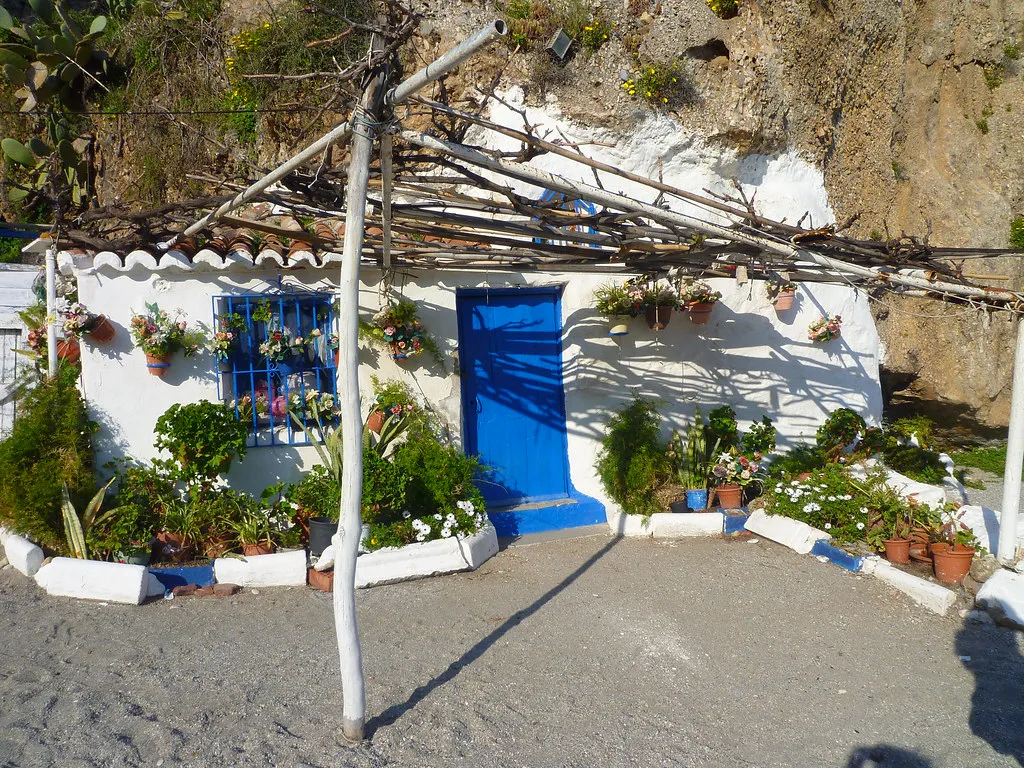
If you are staying in Nerja for more than a day, or if you want to extend your Malaga day trip into a bigger itinerary, the town is surrounded by worthwhile destinations reachable by local bus in under an hour.
Frigiliana is 10 minutes by bus from Nerja and is the easiest addition to any itinerary. This white village of steep Moorish lanes, colourful flowerpots, and mountain views is one of the prettiest in Andalusia. ALSA buses run almost every hour; the fare is about €1.20 each way. Allow 2–3 hours to walk through it at a relaxed pace. Avoid summer afternoons — the narrow streets trap heat.
Torrox Costa sits 15 minutes west by ALSA bus. It has a flat 4 km beach promenade with a very different character from Nerja — broader, less hilly, with a strong German-expat community and relaxed chiringuitos. The coastal walk from Nerja to Torrox is 45 minutes along the cliff edge and is one of the best easy walks in the area; the bus ride back takes 15 minutes. Torrox Pueblo, the village in the hills above Torrox Costa, is undervisited and genuinely beautiful. Reach it by bus from Torrox Costa (20 minutes, but only about one bus per hour — check the timetable). The shaded main square, Plaza de la Constitución, is particularly photogenic in summer when coloured umbrellas span the street.
Torre del Mar is 45 minutes west. It has arguably the best beach on the eastern Costa del Sol — a long, flat stretch with excellent facilities, a 4 km promenade, and a bike-rental path. Most ALSA buses between Nerja and Malaga stop here, so it slots naturally into a return journey. Vélez-Málaga, 15 minutes inland from Torre del Mar by city bus, is the largest inland city in this part of the province. It rewards a full day of exploration: a hilltop Moorish fortress, several churches, and a history going back to Phoenician times. Note that siestas and variable church opening hours require some planning.
Almuñécar lies 30 minutes east of Nerja by ALSA bus (it crosses into Granada province). The town has a Phoenician-era castle, Roman aqueduct ruins, turquoise-tinted water, and a botanical garden. It looks and feels noticeably different from the typical Costa del Sol resort, making it the best choice if you want a historical day trip rather than a beach day.
Should You Add Frigiliana to Your Nerja Trip?
Frigiliana and Nerja are sometimes sold as a combined tour, and it is workable — but it changes the character of the day. Adding Frigiliana means either skipping the caves or rushing both. Most people coming from Malaga for a single day are better served by focusing on Nerja alone.
If you do combine them, go to Frigiliana first (buses from Nerja run from about 09:00). Spend 2 hours there, return to Nerja by 11:00, visit the Balcón, then head to the caves after lunch. You will feel slightly rushed but will see more variety. Skip the coastal walk on a combined day — save it for a separate visit.
For other day trip ideas beyond Nerja, our guide to the best day trips from Malaga covers Ronda, the Caminito del Rey, Mijas Pueblo, and Granada in full detail.
Frequently Asked Questions
Which Nerja day trip from Malaga options fit first-time visitors?
First-time visitors should prioritize the Balcón de Europa, the charming town center, and the famous Nerja Caves. This combination offers a perfect blend of scenic beauty and cultural insight. Consider adding Burriana Beach for relaxation.
How much time should you plan for a Nerja day trip from Malaga?
Plan a full day, approximately 8-10 hours, including travel time. This allows for comfortable exploration of Nerja's main attractions without feeling rushed. Adding Frigiliana would extend this to a very long day.
What should travelers avoid when planning a Nerja day trip from Malaga?
Avoid visiting without pre-booking Nerja Caves tickets, especially in peak season. Also, try to avoid very late departures from Malaga to maximize daylight hours in Nerja. Don't forget comfortable walking shoes.
Nerja rewards visitors who go beyond the Balcón. The caves, the coastal walk to Torrox, and the quiet lanes of Maro give the town more depth than a typical resort stop. Whether you have a single day from Malaga or a longer stay on the Costa del Sol, this guide gives you the framework to use your time well.
For more on the broader Malaga region, see our guides to top things to do in Málaga, where to stay in the city, and the best time to visit.
You might also like


Continue reading
More guides you'll find useful