

10 Practical Tips for Visiting Málaga: Your 2026 Travel Guide
Plan your trip to Málaga with top tips, neighborhood context, timing advice, and practical booking insights for a smoother 2026 visit.
On this page
10 Practical Tips for Visiting Málaga
After several visits to Málaga over the past few years, I've gathered a wealth of practical tips to help fellow travelers. This vibrant Andalusian city, often overlooked for its flashier neighbors, truly shines with its blend of history, culture, and stunning coastlines. My most recent trip in late 2025 confirmed that Málaga continues to evolve, offering new experiences alongside its timeless charm. This guide is updated for 2026, ensuring you have the freshest information for a seamless and memorable visit.
Málaga offers something for every type of traveler, from ancient fortresses to world-class museums and sun-drenched beaches. Navigating a new city can be daunting, but with a few insider tips, you can maximize your time and truly immerse yourself in the local lifestyle. Whether you're a first-timer or returning to rediscover its magic, these practical tips for visiting Málaga will set you up for success.
Plan with trusted sources: cross-check opening hours and seasonal details with the official Andalusia tourism board, and read more about the city on its Wikipedia entry before you go.
When to Visit Málaga: Timing Your Trip Right
The single most impactful decision you can make before landing in Málaga is picking the right month. Late spring (April–May) and early autumn (September–October) are consistently the best windows. Temperatures sit around 20–25°C, the beaches are usable without the crush, and accommodation prices drop noticeably compared to July and August.
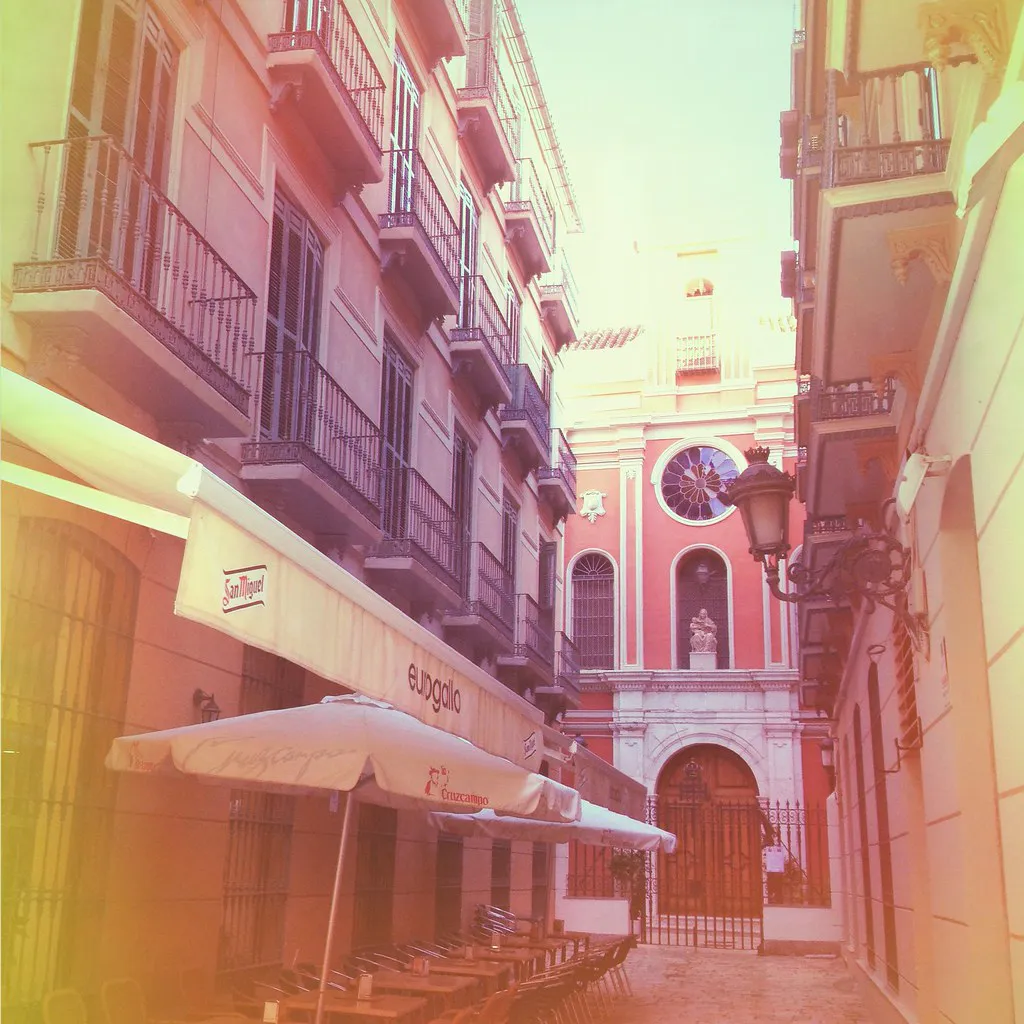
Summer (June–August) regularly tops 33°C and the Costa del Sol crowds are at their peak. If you must visit in high summer, plan any outdoor sightseeing before 11:00 or after 18:00 and use the midday heat for museum visits. Winter (November–March) is mild, usually 15–18°C, with the occasional rainy spell — but museums, markets, and tapas bars are blissfully quiet.
For a city break without beach ambitions, January and February offer great value: hotel rates are at their lowest and the Alcazaba queue is minimal. Spring is when Málaga's Semana Santa (Holy Week) processions transform the streets — a genuine cultural spectacle, though it brings crowds during Easter week. Check the calendar on the best time to visit Málaga before booking if dates are flexible.
A three to four-day stay covers the main sights comfortably. Add a fifth day if you want a day trip or a slower beach morning in Pedregalejo. For a fuller breakdown of how to structure your time, see our guide on how many days you need in Málaga.
Where to Stay in Málaga: Choosing the Right Base
Staying in the historic center (Centro Histórico) is the right call for first-time visitors. From here you can walk to the Alcazaba, the Cathedral, the Picasso Museum, Atarazanas Market, and most rooftop bars in under fifteen minutes. The area around Plaza de la Merced and Calle Larios keeps you in the thick of things without sacrificing quiet side streets for sleeping.
The Soho district — south of Alameda Principal towards the port — is a good second choice. It's slightly cheaper than the historic core, borders the contemporary art quarter, and is a short walk from Muelle Uno and the beach. The neighbourhood has gentrified quickly and you'll find independent cafés and wine bars at every turn.
If a beach-first trip is your priority, La Malagueta is right on the sand and a fifteen-minute walk from the old town. The Pedregalejo neighbourhood, roughly 4 km east along the coast, offers a calmer atmosphere, excellent seafood chiringuitos, and a segregated cycle path back to the center. It lacks the immediate walkability to monuments but suits anyone who wants a more local residential feel.
Book at least two to three weeks ahead for any visit between April and October. For more detail on which streets and price points to look at, our guide on where to stay in Málaga covers the full neighborhood breakdown.
| Neighborhood | Best for | Walk to monuments | Typical nightly rate (mid-season) | Vibe |
|---|---|---|---|---|
| Centro Histórico | First-timers; sightseeing-heavy trips | 5–15 min | €90–€160 | Busy, central, lively |
| Soho | Art lovers; slightly lower budget | 15–20 min | €70–€130 | Creative, gentrifying, walkable to port |
| La Malagueta / Pedregalejo | Beach-first; local seafood scene | 20–30 min | €65–€120 | Relaxed, residential, seafront |
Navigating Málaga: On Foot, By Bus, and Beyond
The historic center is compact enough that most visitors walk everywhere during the day. The main cluster of sights — Alcazaba, Cathedral, Picasso Museum, Roman Theatre, Atarazanas Market — all fall within a ten-minute walk of each other. Comfortable shoes matter: the climb to Gibralfaro Castle is steep and the cobblestones are unforgiving on sandals.
For the Alcazaba and Gibralfaro Castle ascent, bus 35 runs from Alameda Principal up to the castle entrance — useful if heat or tired legs are a factor. Single bus tickets cost €1.40, and ten-trip cards reduce that further. The city metro is mainly useful for reaching areas well outside the center, such as the university district or the western suburbs.
From the airport, the Cercanías C1 commuter train runs to Centro Alameda station in around 12 minutes and costs €1.80. The Airport Express bus takes about 30–40 minutes but is more central for drop-off. Taxis from the airport are metered and typically run €20–25 to the city center.
For day trips, Málaga's main bus station (Estación de Autobuses) on Paseo de los Tilos serves Nerja, Antequera, and the Costa del Sol towns. RENFE trains from María Zambrano station reach Córdoba in 55 minutes and Seville in under two hours. See our guide on getting around Málaga for timetables and ticket-buying tips.
Strolling the Historic Center: What to See and Where to Linger
The historic center of Málaga repays slow walking. Start at the Alcazaba (€3.50 adults; free on Mondays), the 11th-century Moorish fortress that rises above the Roman Theatre ruins. The combined ticket for Alcazaba and Gibralfaro Castle is €5.50 — good value if you plan to visit both in the same day. Arrive before 10:00 to avoid the tour-group rush; by 11:30 the main terrace is busy.
From the Alcazaba, a short detour takes you to the Cathedral — locally nicknamed La Manquita (the one-armed lady) because one of its towers was never completed. Entry is around €8 including the audio guide; rooftop tours run at set times and give a unique view over the rooftops and the port. The Cathedral interior is cool in summer and a genuine architectural highlight even for non-religious visitors.
Plaza de la Merced, a ten-minute walk north, is ideal for a mid-morning coffee and people-watching. The Picasso Museum (Palacio de Buenavista, €12–€14 general admission) is on the same square — free entry during the last two hours on Sundays. The adjacent Soho district, reachable in five minutes on foot, functions as an open-air gallery: large-scale murals by international street artists cover entire building facades. It's free to wander at any time.
Atarazanas Market, housed in a 14th-century former arsenal, is worth an hour on any weekday morning (open Mon–Sat 08:00–14:00, free entry). The stalls spill over with local produce, jamón, and fresh seafood. Grab a glass of wine and a plate of fried fish at one of the market bars — lunch here costs €8–12 per person and easily outperforms tourist restaurants on value.
Museums and Art in Málaga: Making the Most of the Collection
Málaga has an unusually dense museum district for a city of its size. The Picasso Museum is the headline act, but the Carmen Thyssen Museum (€10, free Sundays from 16:00) next to it covers 19th-century Andalusian painting and is quieter. If you have the museum stamina, a morning at Picasso followed by an afternoon at Carmen Thyssen is a strong combination.
The Centre Pompidou Málaga in the port area (€9, free Sundays from 16:00; open 09:30–20:00) is the only Pompidou branch outside France. It rotates exhibitions regularly, so the specific show changes — check their calendar before visiting. The glass cube structure itself is the most photographed building on Muelle Uno.
For context on everything you're seeing, the Málaga Museum in the former Customs House on Plaza de la Aduana is free and covers the city's history from Phoenician settlement through Roman occupation and Moorish rule up to the modern era. The Roman Theatre at the base of the Alcazaba is freely visible from the street at all hours and has interpretive panels in Spanish and English. Entry via the visitor center at the back costs nothing extra with an Alcazaba ticket.
A combined museum pass is available at the tourist office on Plaza de la Marina and can save €15–20 if you plan to visit four or more venues. The tourist office website (visita.malaga.eu) lists current admission prices and temporary closures — worth checking before you go, as a few smaller museums close for renovation periods.
Food, Drink, and How to Eat Like a Local in Málaga
The single biggest practical tip for eating well in Málaga is understanding portion sizing. When you order at a tapas bar, the server will often ask what size you want: tapa (small), media (half portion), or ración (full plate). Most tourists default to ordering without specifying and end up with a ración — enough for two people and priced accordingly. Order a tapa or media first and add more if you're still hungry. This one habit can halve your food bill.
For the best tapas experience in the historic center, Los Gatos on Plaza de Uncibay (near the Picasso Museum) is a reliable local favorite — lively atmosphere, honest pintxos, and terrace seating for people-watching. Casa Aranda, open since 1932 near Atarazanas Market, serves the city's most celebrated churros with chocolate: worth queueing for at breakfast or as an evening treat. El Pimpi, at the foot of the Alcazaba hill, is touristy but genuinely good — the wine-barrel room signed by Antonio Banderas and other celebrities is part of the experience.
Espetos — sardines grilled over open fires on the beach — are Málaga's signature dish. The best ones are found at chiringuitos in Pedregalejo, the old fishing village 4 km east of center. El Caleno, El Kiosko, and Pez Tomillo all have a strong reputation; arrive by 13:30 before the best tables go. El Tintero II in the same area runs a theatrical service where waiters circulate with plates and call out what they're carrying — you bid to stop them. No printed menu, entirely unpredictable, reliably entertaining.
For rooftop drinks, the highest public terrace is AC Malaga Palacio (open to non-guests from 16:00, may have a short queue in summer). Terraza de la Alcazaba and Terraza de San Juan are lower but often easier to walk into without waiting. Antigua Casa de Guardia on Alameda Principal is the oldest bar in the city, pouring Málaga sweet wine directly from barrels since 1840 — the tab is chalked on the bar top as you go. A glass costs €1.50–2.50 and it's one of the most atmospheric spots in the city.
Caminito del Rey and the Best Day Trips from Málaga
The Caminito del Rey — a narrow pathway bolted along the walls of the Guadalhorce gorge — is the most spectacular day trip from the city and consistently one of the top-rated excursions in Andalusia. The route takes roughly three to four hours to complete, involves some exposed sections with a sheer drop, and requires advance booking: tickets sell out weeks ahead in spring and autumn. The entry point is near the town of El Chorro, reachable by RENFE train from María Zambrano station (around 55 minutes, €5.25 one-way). The path itself costs €10 per person; guided tours from Málaga run €40–55 including transport and can be booked through local operators.
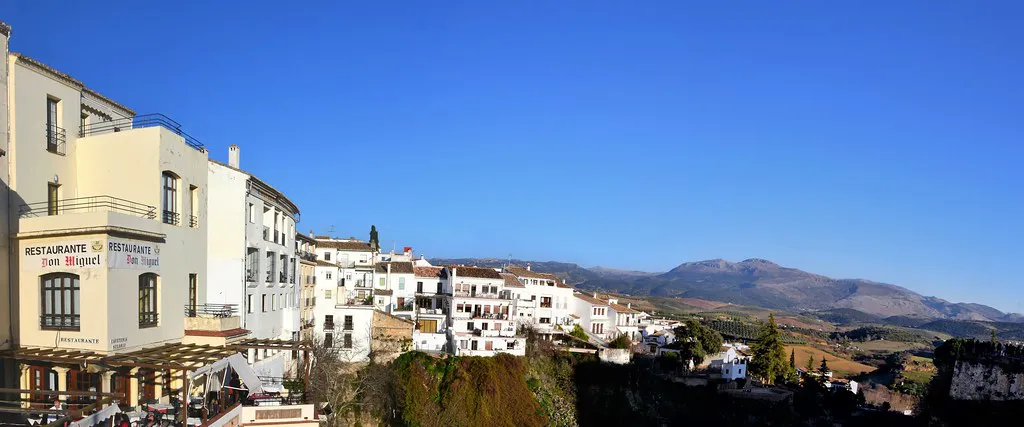
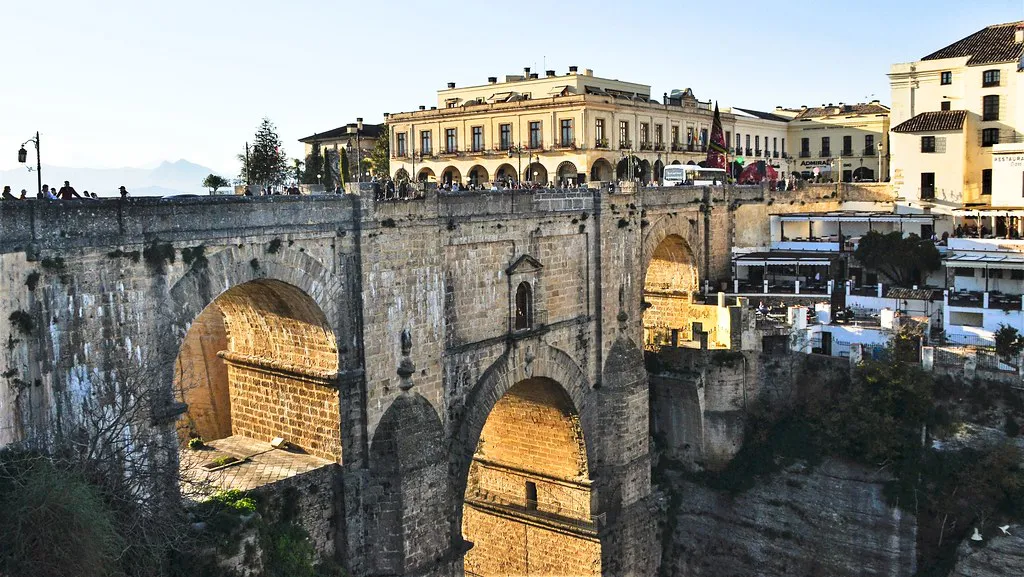
Ronda is the most popular alternative: a dramatic white town perched above a 100-metre gorge, about 1 hour 45 minutes by bus from the main bus station (€10–13 return). The Puente Nuevo bridge is the headline attraction; arriving before 10:00 lets you photograph it without crowds. Budget around four hours in town — the old town, the bullring, and the gorge walk fill a half-day comfortably before the bus back.
Nerja and Frigiliana make a natural pair on the eastern Costa del Sol. Nerja has good beaches and the Nerja Caves (€12 entry); Frigiliana is a whitewashed hillside village fifteen minutes inland by local taxi. Buses to Nerja run hourly from Málaga bus station (45 minutes, €3.70). Córdoba is 55 minutes by direct AVE from María Zambrano (from €12 booked in advance) — the Mosque-Cathedral alone justifies the fare. For a longer day trip, Seville is around one hour fifty minutes by train.
A less crowded alternative worth knowing: Antequera, 45 minutes by bus or train from Málaga, has a Moorish fortress, UNESCO-listed dolmen burial mounds, and the dramatic El Torcal limestone karst reserve just outside town. It gets a fraction of Ronda's visitor numbers and rewards the detour with a more authentically Andalusian afternoon. For a full overview of excursion options, our guide to top things to do in Málaga covers several of these in more detail.
Parque de Málaga, the Beach, and the Botanical Garden
Parque de Málaga is one of the city's most underrated assets. The park runs along the seafront between the old town and the port, lined with enormous palm trees, exotic subtropical plants, and the bright green monk parakeets that screech overhead throughout the day. It's free, always open, and a five-minute walk from the Cathedral. Use it as the natural connector between your morning in the old town and an afternoon at the beach or Muelle Uno.
La Malagueta beach is a ten-minute walk east of the port. As city beaches go it's clean and well-served with chiringuitos, but the sand can be packed in July and August. For a calmer experience, continue along the seafront to Pedregalejo — the segregated cycle path makes this an easy bike ride (hire bikes near the port for around €12 for a half-day). The Pedregalejo chiringuitos are calmer and cheaper than those right in the center, and the atmosphere is markedly more local.
The Jardín Botánico-Histórico La Concepción, about 4 km north of the city center, is one of the finest historic gardens in Spain and largely overlooked by short-stay visitors. Established in the 19th century, it covers 23 hectares of tropical and subtropical trees, including a striking rubber tree with aerial roots visible from the main path. Entry is €5.20 adults; bus 2 from Alameda Principal reaches the entrance in about twenty minutes. It's worth the journey on a hot afternoon when the shade and the scale of the trees provide a completely different pace from the tourist center.
Reading Málaga's Rhythm: Siesta, Cash, and Local Habits
Understanding how Málaga runs on a daily basis saves friction. Many smaller shops and family-run restaurants close between 14:00 and 17:00 for siesta — not universally, but commonly enough to catch out visitors who arrive expecting lunch at 14:30. The main tourist attractions and supermarkets stay open, but local butchers, bakeries, and independent clothing shops often do not. Plan your grocery runs and souvenir shopping for the morning or after 17:30.
Dinner in Málaga starts late by Northern European standards. Locals rarely sit down before 21:00; restaurants fill up between 21:30 and 23:00. If you arrive at a restaurant at 19:00 you will usually get a table easily but the atmosphere will be quiet. Arriving at 21:30 puts you in sync with the city's energy. Tapas bars run on a different clock — they're busy from around 13:00 for the lunch tapa round and again from 19:00 onwards.
Carry some cash. Card payment is accepted almost everywhere in tourist-facing venues, but smaller market stalls, chiringuitos, and local bars — including Antigua Casa de Guardia — still operate on cash. There are ATMs throughout the center; avoid the standalone kiosks on busy tourist streets, which charge high conversion fees. Bank-branded ATMs (Unicaja, CaixaBank) are cheaper.
One etiquette point that goes unmentioned in most guides: at the Atarazanas Market bars and chiringuitos, it is normal to stand at the bar rather than wait for table service. Table seating carries a small surcharge (sometimes 15–20% on drinks). Standing at the bar is both faster and cheaper, and it is genuinely how most locals use these spaces.
Málaga Neighborhoods Guide: Which Area Fits Your Trip
Knowing the city's distinct quarters helps you decide where to base yourself and where to spend your time each day. The historic center (Centro Histórico) is dense with monuments and restaurants but can feel busy in high season. The area immediately around Calle Larios — the grand pedestrian boulevard — is the most central and most visited strip.
Soho sits south of Alameda Principal and has transformed over the past decade from a quiet residential district into a creative hub. The street art is concentrated here: works by D*Face, Obey Giant, and other internationally known artists cover building-sized walls. The neighbourhood has independent galleries, specialty coffee shops, and a lower tourist density than the old town. It's also the main entry point to Muelle Uno, the waterfront promenade with the Pompidou.
La Merced, to the northeast of the Cathedral, has a more residential feel and Plaza de la Merced — Picasso's birthplace square — at its heart. This is where students gather and local families use the benches; less touristy at night than Calle Larios. Further east, Pedregalejo and El Palo are working-class seafront neighbourhoods with strong fishing-village character and the best-value seafood restaurants in the city.
For a fuller breakdown of each area including specific hotel recommendations by budget tier, the Málaga neighborhoods guide covers everything in detail. The 3-day Málaga itinerary also maps out a practical route that moves through several of these zones in logical order.
Frequently Asked Questions
How to Get to Malaga?
Málaga is served by Málaga-Costa del Sol Airport (AGP), a major international hub. From the airport, you can easily reach the city center by express bus, commuter train (C1 line), or taxi. The journey typically takes 15-25 minutes, making arrival smooth.
When to Visit Malaga?
The best times to visit Málaga are during late spring (April-May) and early fall (September-October). These months offer pleasant weather, fewer crowds, and comfortable temperatures for sightseeing and beach activities. Summer is hot and busy, while winter is mild but can be rainy.
How Long to Visit Malaga For?
A 3 to 5-day trip is ideal for experiencing Málaga's main attractions, enjoying its culinary scene, and relaxing. If you plan to include day trips to nearby towns like Ronda or Caminito del Rey, extending your stay to 5 to 7 days is recommended for a more comprehensive visit.
Where to Stay in Malaga?
For first-time visitors, the historical city center (Centro Histórico) is the best area to stay, offering easy access to major sights, restaurants, and nightlife. If you prefer a beach focus, consider La Malagueta or Pedregalejo, which are well-connected to the center.
What should travelers avoid when planning practical tips for visiting Málaga?
Avoid visiting popular attractions during midday in summer to escape the heat and crowds. Also, don't solely rely on credit cards; carry some cash for smaller purchases or local markets. Finally, avoid assuming all shops will be open during siesta hours (typically 2 PM - 5 PM).
Málaga is a city that truly rewards those who delve deeper than its sunny facade. By following these practical tips, you're well on your way to experiencing the best of what this Andalusian gem has to offer. From ancient fortresses to vibrant street art and delicious tapas, Málaga promises a rich and memorable journey. Embrace its charm and enjoy every moment of your visit.
Whether you're exploring its historical heart or venturing out on a day trip, thoughtful planning makes all the difference. We hope these insights help you create an unforgettable adventure in Málaga. Safe travels!
You might also like


Continue reading
More guides you'll find useful


