Is Málaga Worth Visiting? Honest Pros, Cons & Travel Guide
Deciding if Málaga is worth visiting? Get an honest review of its highlights, downsides, and practical tips for culture, food, beaches, and budget planning.
On this page
Is Málaga Worth Visiting? Honest Pros, Cons & Travel Guide for 2026
Yes — Málaga is absolutely worth visiting in 2026, especially if you want a city that pairs serious history with easy beach access and one of Spain's best food scenes. It is not the right fit for everyone, though. If you want quiet village life or pristine secluded coastline, other corners of Andalusia will serve you better. This honest guide covers who should go, what the real highlights are, how much to budget, and what the SERP-glossed reviews leave out.
Málaga is the capital of the Costa del Sol and a city that has spent the last decade reinventing itself. Beyond the role of airport hub for package-holiday resorts, it now holds over 30 museums, a thriving street-art district, a world-class food market, and direct high-speed rail to Madrid. This review tells you what to expect — good and bad — so you can plan with confidence.
Plan with trusted sources: cross-check opening hours and seasonal details with the official Andalusia tourism board, and read more about the city on its Wikipedia entry before you go.
Who Málaga Is For (And Who It's Not)
Málaga works exceptionally well for couples seeking a romantic short break — you can mix a morning at the Alcazaba with an afternoon on the beach and dinner in a centuries-old plaza. The compact old town is walkable, the restaurant quality is high, and the city feels genuinely lively rather than sterile. Solo travelers also thrive here: Málaga ranked safer than the Spanish national average in 2024 (approximately 35 crimes per 1,000 residents vs. the national 47), public transport covers the city well, and the nightlife runs late without feeling unsafe.
Digital nomads have been discovering Málaga for a few years now. Average broadband speeds of 100–300 Mbps, growing coworking spaces (The Living Room Coworking from around €15/day), and mild winters make it a practical base. Budget travelers can eat very well for €20–30 a day on food if they stick to market lunches and evening tapas away from the port.
Málaga is less ideal for families with very young children — the old-town streets are hectic, urban beaches get intensely crowded in July and August, and none of the headline attractions have the theme-park accessibility families with strollers need. If you're travelling with kids, nearby Benalmádena or Fuengirola offer a more forgiving layout and are 20 minutes away by train. Málaga also disappoints serious hikers: the province has great trails like Caminito del Rey, but the city itself is flat and urban. For remote mountains, head to the Sierra Nevada instead.
Málaga vs. Other Andalusian Cities: A Quick Comparison
The most common planning question is whether to pick Málaga over Seville, Granada, or Córdoba. Each city rewards a different travel priority.
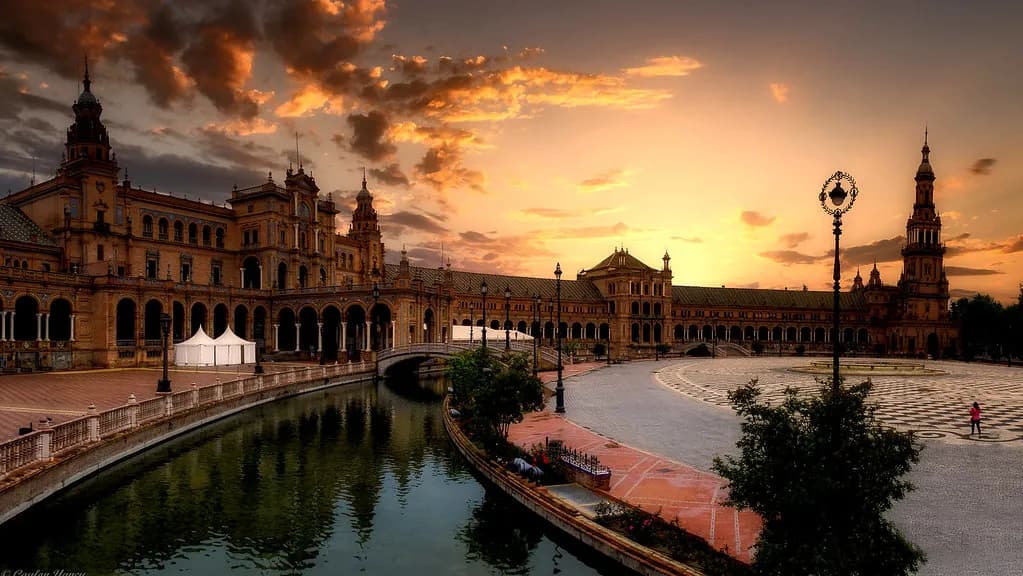
- Málaga vs. Seville: Seville is the cultural heavyweight — the Royal Alcázar, Plaza de España, and flamenco scene are hard to match. But Seville is more expensive, has no beach, and gets brutally hot in summer. Málaga gives you roughly 60% of the cultural depth at a lower price, plus a ten-minute walk to the sea.
- Málaga vs. Granada: Granada wins on monument prestige (the Alhambra is Spain's most visited site) and budget appeal. The tradeoff: Granada is colder in winter, the Alhambra requires weeks-ahead booking, and there is no coast. Málaga suits visitors who want more flexibility and less planning overhead.
- Málaga vs. Córdoba: Córdoba's Mezquita-Catedral is one of the world's great buildings and can be done in a day from Málaga by train (roughly 45 minutes). Córdoba as a base for multiple nights is quieter and less varied than Málaga. Many visitors do both: Málaga as the base, Córdoba as a day trip.
| City | Best for | Beach access | Relative cost | Headline monument |
|---|---|---|---|---|
| Málaga | Beach + culture combo, short breaks | 10 min walk | Mid-range | Alcazaba + Picasso Museum |
| Seville | Deep Andalusian culture, flamenco | None | Higher | Royal Alcázar, Plaza de España |
| Granada | Monument prestige, budget travelers | None (90 min drive) | Lower | The Alhambra |
| Córdoba | Day trip from Málaga (45 min by train) | None | Lower | Mezquita-Catedral |
The short verdict: if a beach-and-city combination matters to you, Málaga wins outright. If a single headline monument is your priority, Seville or Granada edges ahead. If budget is the overriding factor, Granada or a base in Torremolinos with train access to Málaga is worth pricing out.
Top Reasons Málaga is Worth Visiting
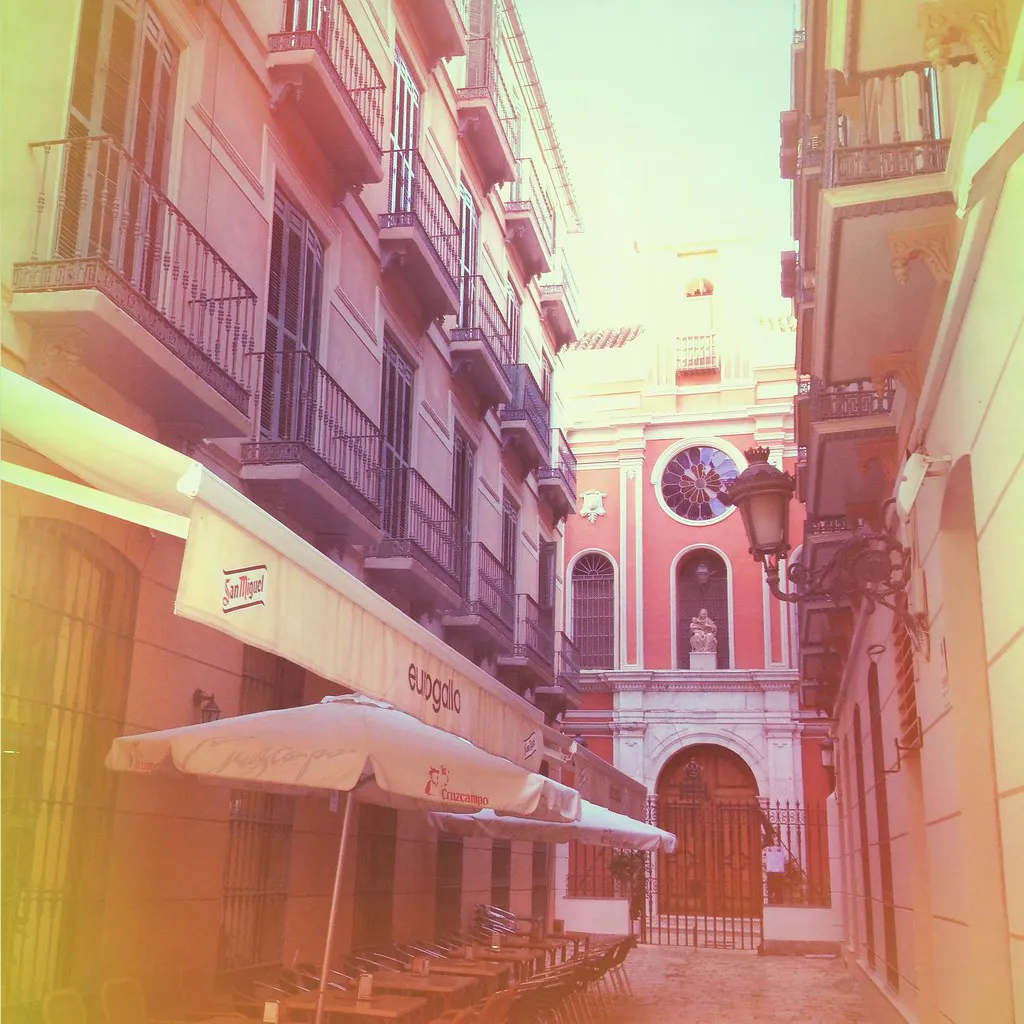
The old town is the centrepiece. Narrow marble and cobblestone streets, pedestrian-only lanes, centuries-old churches around most corners, and a density of outdoor dining that keeps the space lively from mid-morning until after midnight. The Alcazaba fortress (open Tue–Sun, 09:00–20:00 April–October, 09:00–18:00 November–March; combined ticket with Gibralfaro Castle €5.50) is one of Spain's best-preserved Moorish fortresses — allow at least 90 minutes. The Roman Theatre right below it is free to enter and dates from the 1st century BC.

The food scene is genuinely exceptional for a city this size. Fried pescaíto frito and espetos (sardine skewers grilled over olive-wood charcoal on the beach) are the local signatures. The Atarazanas Market is the best place for morning produce, fresh fish, and cheap tapas at the market bars. Málaga sweet wine — fortified, served from giant casks — is a specific local tradition most visitors miss: Antigua Casa de Guardia near the port has been doing it since 1840 and charges a few euros a glass. The top things to do in Málaga includes a dedicated food-market crawl worth building a morning around.
Picasso was born here, and the city makes the most of it. The Picasso Museum (open daily 10:00–19:00; book timed tickets online) holds nearly 300 works donated by his family and does a strong job tracing his stylistic evolution. But many visitors find the birthplace museum at Plaza de la Merced (open daily 09:30–20:00) more engaging — it gives real biographical context rather than just exhibition space. Holy Week (Semana Santa, typically mid-April) is a separate reason to come entirely: 45 Catholic brotherhoods each mount massive processional floats carried by 250 people, with three marching bands per procession. It runs for a full week, draws enormous crowds, and is one of the most viscerally impressive public events in Europe.
Underrated Málaga Experiences You Shouldn't Miss
The Soho district sits just south of the old town and most first-time visitors walk straight past it on the way to the port. It hosts the MAUS project (Málaga Arte Urbano Soho), a curated street-art programme with murals by international names like D*Face and Obey alongside local talent. A self-guided walk takes 45 minutes; organised tours run for around €15. It's a genuinely good alternative when the Alcazaba queue is long.
The Automobile and Fashion Museum ranks second on Tripadvisor for Málaga (the Alcazaba is first), which surprises most visitors until they see it. Around 100 cars are paired with haute couture pieces from the same era — a 1920s Bugatti next to a Chanel dress, a 1960s Ferrari next to Pierre Cardin. It's further from the old town (a short taxi or metro ride) and less crowded than the main museums. Budget about 90 minutes. The OXO Gaming Museum in the old town centre is smaller but includes two hours of play time on working vintage consoles — good for an afternoon if the city heat becomes oppressive.
Pedregalejo, a former fishing village about 4 km east of the centre (bus Line 14 from the centre, or Line 11 to El Palo), is where locals go for seafood rather than tourists. The chiringuitos here are better quality and less expensive than the ones on Malagueta beach. A long lunch at a Pedregalejo chiringuito — espetos, cold wine, shaded table on the sand — is the experience many visitors describe as the highlight of their trip. It's also a genuinely quieter place to swim.
Common Complaints About Málaga (And How to Avoid Them)
Summer heat is the biggest recurring complaint. July and August temperatures regularly exceed 35°C with significant humidity. The practical fix is to adopt the local schedule: explore from 09:00 to 13:00, retreat inside during 14:00–17:00, and return to sightseeing in the late afternoon. Most of the main attractions are indoor or shaded, so the schedule works if you plan for it rather than fight it.
Cruise ship days cause the sharpest crowd spikes. When a large ship docks (typically between 09:00 and 20:00), the Alcazaba, Roman Theatre, and old-town lanes can feel unnavigable by 10:30. Several cruise-tracking websites publish weekly port schedules; checking the Málaga port calendar before finalising your visit days costs nothing and lets you schedule the Alcazaba on a low-traffic morning. On a cruise day, redirect to Soho, Pedregalejo, or the Automobile Museum instead — none of them attract the port crowd.
Spanish dining hours confuse first-timers and lead to poor meals. Many locally-owned restaurants close between 16:00 and 20:00; tourist-facing places stay open but often serve lower quality during those gaps. Lunch runs 14:00–16:00 (the busiest local sitting is around 15:00), dinner from 21:00. Book ahead for dinner anywhere that looks serious — a common mistake is showing up at 19:30 and finding the kitchen not yet open. Parking in the centre is genuinely difficult and expensive (underground garages run €2–3/hour, €18–25/day). If you have a rental car, use the free parking near Sacaba Beach (25-minute walk to centre) or the El Palo Park & Ride (around €5 all day) rather than driving into the old town.
Planning Your Visit: Best Season and How Long to Stay
April–May and September–October are the consistently recommended windows. Temperatures sit in the 15–24°C range, crowds are manageable, and prices are lower than peak summer. November and December are genuinely pleasant for sightseeing — sunny, mild, and much quieter — though some chiringuitos reduce hours or close after the summer season. January and February bring the highest chance of rain. Semana Santa (Holy Week, mid-April) is worth planning around if you want the cultural spectacle; just accept that accommodation prices rise sharply and the city is very busy for that full week.
For the city highlights alone — Alcazaba, Roman Theatre, Picasso Museum, cathedral, old town, Malagueta beach, a market morning — three days is a comfortable pace. Extend to four or five days if you want to explore Soho and Pedregalejo properly and add one or two day trips. A week or more suits digital nomads or slow travelers who want to find a rhythm rather than tick boxes. Day-trippers from the Costa del Sol resort towns absolutely can see the main sights in a long day, but they miss the evenings, when the city relaxes and the best tables open.
Where to Stay in Málaga: Neighborhood Guide
The Centro Histórico (old town) is the default choice for first-time visitors and the most practical base for sightseeing on foot. The streets are narrow and atmospheric, every major attraction is within a 15-minute walk, and the density of restaurants and bars is high. It is also the most expensive area and the noisiest at night — bring earplugs if you are a light sleeper. Read the full guide on where to stay in the city for specific hotel picks across budget tiers.
The Soho district, just south of the old town near the port, offers a noticeably quieter and often cheaper alternative. Street-art walls, independent cafés, and fewer tourists make it a better fit for those wanting character without the old-town premium. La Malagueta, the beachfront neighbourhood east of the port, suits visitors prioritising beach access — you are a 10-minute walk from the old town and steps from the sand. Pedregalejo is the quietest residential option, best suited to those staying four or more nights and happy to take a short bus ride into the centre each day.
Sample Daily Budget for Málaga
Málaga remains more affordable than Madrid or Barcelona, but costs have risen in recent years. Here is a realistic per-person daily estimate for 2026:
- Budget (€65–80/day): Hostel or budget hotel (€35–45), market lunch and tapas bar dinner (€15–20), one paid attraction plus free sites (€5–10), bus transport (€3–5). Skip the rooftop bars; buy wine from a local shop.
- Mid-range (€120–160/day): Three-star hotel or Airbnb in the centre (€70–90), two restaurant meals (€30–40), two attractions including the Picasso Museum (€15–20), occasional Uber (€10–15).
- Comfort (€200+/day): Four-star boutique hotel in the old town (€120–160), restaurant dinners with wine (€50–70), guided tours (€20–30), rooftop cocktails (€20–30).
The biggest savings lever is accommodation — the same experience costs 25–30% less if you base yourself in Torremolinos or Benalmádena and commute to Málaga by cercanías train (journey time around 20 minutes, single fare around €2). For a multi-night city stay, though, the convenience of walking back from a late dinner usually outweighs the savings.
Getting Around Málaga: Transport and Car Rental
Málaga's old town is thoroughly walkable and most first-time visitors never need public transport within the city. The historic centre is compact: the Alcazaba, Roman Theatre, Cathedral, Picasso Museum, and Atarazanas Market all sit within a 15-minute walk of each other. Uber and Cabify both operate in the city, with typical fares from the centre to Pedregalejo running €8–10.
For longer city journeys, the EMT bus network covers the full city. Single tickets cost €1.40 (paid to the driver). Key tourist routes: Line 11 runs from the centre to El Palo beaches in the east; Line 14 reaches Pedregalejo; Line 1 heads to the west-side beaches. The metro has two lines serving the western suburbs and is more useful to locals than tourists. To reach the airport, take the C-1 cercanías commuter train from Málaga Centro station (journey around 8 minutes, runs approximately every 20 minutes).
A rental car is unnecessary — and actively counterproductive — for the city itself. It becomes worthwhile once you want to explore the province: Ronda, El Torcal, Caminito del Rey, and the smaller white villages are all far easier by car than by bus. Check the getting around the city guide for car-hire tips specific to Málaga Airport pickups. Key driving notes for 2026: the city centre has a Low Emission Zone (ZEZ) that restricts older vehicles, street parking in blue zones runs €0.85–1.40/hour, and the free Sacaba Beach parking lot (25-minute walk to old town) is the most practical no-cost option if you drive in for a day.
Day Trips from Málaga: What to See Nearby
Málaga is one of the best-connected cities in southern Spain for day trips. Caminito del Rey — the rehabilitated cliff-face walkway through the Málaga gorges — is reachable by train from Málaga María Zambrano station to El Chorro (around 60 minutes total) or by car in 45 minutes. Book the trail tickets online well in advance; they sell out weeks ahead in spring and autumn. Nerja, 45 minutes east by car or one hour by ALSA bus (€4.95 one-way), combines a dramatic clifftop promenade (the Balcón de Europa) with some of Spain's best day beaches and prehistoric cave paintings at the Caves of Nerja.
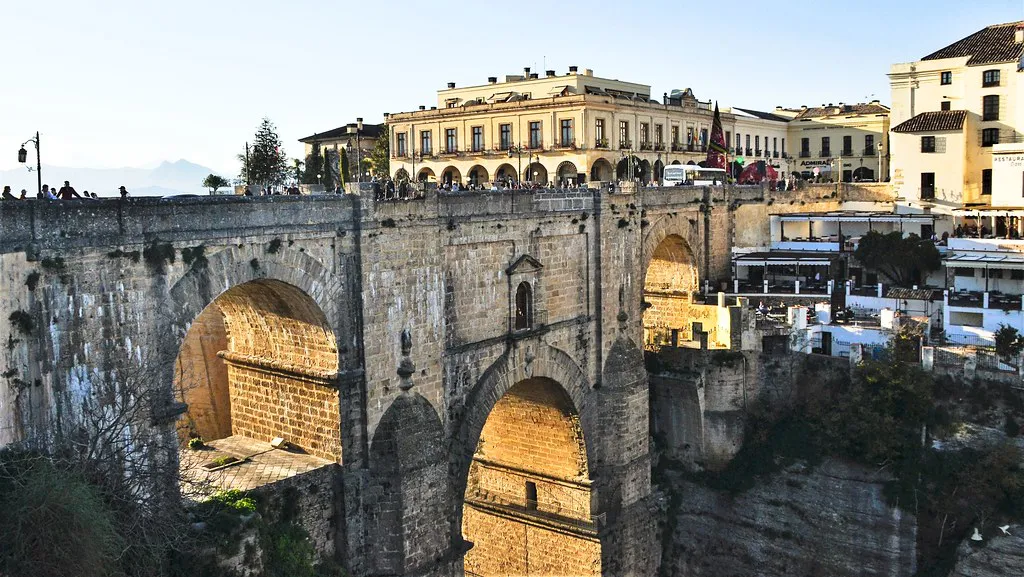
Ronda is worth a full day: the town sits above a 100-metre gorge spanned by the 18th-century Puente Nuevo bridge and holds Spain's oldest bullring. By car it's about 1h45; by train roughly 2 hours (€12–18 one-way). Consider staying overnight — the sunset light over the gorge is one of the best views in Andalusia. Antequera (45 minutes by car, 1 hour by ALSA bus at €5.45 one-way) offers UNESCO-listed prehistoric dolmens and the El Torcal limestone karst reserve with excellent hiking. For urban day trips, Córdoba is 45 minutes by high-speed train (the Mezquita-Catedral alone justifies the journey), and Granada is about 1.5 hours by bus or train. See the full list of the best time to visit and how to sequence day trips around the seasons.
Final Verdict: Is Málaga Worth Visiting for You?
Málaga earns an unqualified yes for most travellers in 2026. It is the rare city that genuinely does multiple things well simultaneously: real historical depth, an excellent food and wine culture, beaches within walking distance, and a transport network that opens up an entire region of day trips. Its museum density — over 30 museums — makes rainy or hot days workable in a way that a purely beach destination never can. The fact that it remains more affordable than Barcelona or Madrid, and less crowded than Seville at peak season, adds to the case.
The honest caveats: summer is uncomfortable and crowded if you plan poorly. Cruise-ship days create genuine bottlenecks at the main sights. It lacks the single knockout monument that Granada's Alhambra or Seville's Royal Alcázar provides. And if you are travelling with young children or have a very tight budget, adjacent coastal towns offer better value for those specific needs. Read the how many days you need guide to plan your specific itinerary length before booking.
The travellers who leave disappointed tend to share one pattern: they booked in July or August without planning for the heat, stayed purely in the old-town tourist bubble, and skipped the food markets and eastern beaches. The travellers who leave wanting to return found Pedregalejo's chiringuitos, made it to Ronda, and stayed through the evening until the city actually woke up. Málaga rewards the people who give it more than a day and look beyond the headline sights.
Frequently Asked Questions
Is Málaga worth visiting for a weekend?
Yes, Málaga is absolutely worth visiting for a weekend trip. Its compact city center makes it easy to explore major attractions like the Alcazaba, Roman Theatre, and Picasso Museum in 2-3 days. You can also enjoy the beach and local tapas within this timeframe.
Is Málaga too touristy?
Málaga can feel touristy, especially around major attractions and the port area during peak season. However, it maintains a strong local identity away from the main tourist hubs. Venturing into neighborhoods like Soho or El Perchel offers a more authentic experience.
What are the downsides of visiting Málaga?
Potential downsides include intense summer heat, significant crowds during peak season, and some areas feeling overly commercialized. Parking can also be challenging and expensive in the city center. Planning visits to popular sites early helps.
How many days do you need in Málaga?
A minimum of 3 days is recommended to experience Málaga's highlights comfortably. This allows for cultural exploration, beach time, and enjoying the food scene. If you plan day trips, extend your stay to 4-5 days for a more relaxed pace.
Málaga in 2026 is a city that keeps rewarding visitors who commit more than a single day to it. The old town, the Alcazaba, the Picasso Museum, and La Malagueta beach are all within easy reach. But Pedregalejo's seafood, Soho's street art, the sweet-wine bars on the edge of the old town, and the province's day-trip circuit are where the trip deepens. Plan for shoulder season, check the cruise-ship calendar before finalising your Alcazaba visit, and book Semana Santa accommodation well in advance if that window appeals. Málaga rarely disappoints travellers who arrive knowing what it is.
You might also like


Continue reading
More guides you'll find useful