Málaga 3 Day Itinerary: Perfect Plan for First-Time Visitors
Plan your perfect Málaga 3 day itinerary with top attractions, local dining, accommodation tips, and practical advice for a memorable trip.
On this page
Málaga 3 Day Itinerary: Your Ultimate Guide
Málaga, a vibrant city on Spain's Costa del Sol, offers a delightful blend of history, art, and sun-kissed beaches. Most people fly here as a gateway to southern Spain and keep driving — that's a mistake. Three days is exactly enough time to see why Málaga is worth the stop itself.
This itinerary is built for first-time visitors. It covers the essential sights without packing too much into each day, and it includes the restaurants, tours, and practical details that actually matter when you're on the ground.
Plan with trusted sources: cross-check opening hours and seasonal details with the official Andalusia tourism board, and read more about the city on its Wikipedia entry before you go.
Málaga 3-Day Itinerary: At a Glance
Here is what three days in Málaga looks like. The city center is compact and walkable, so each day focuses on a different zone without wasted transit time.
- Day 1: Arrive, orientate with a Tuk Tuk tour, tapas and wine tasting in the old town, flamenco show in the evening.
- Day 2: Alcazaba, Roman Theatre, Picasso Museum, Málaga Cathedral, rooftop sunset drinks.
- Day 3: Full-day trip to Ronda and Setenil de las Bodegas, or a beach day at Malagueta and El Palo.
Flights into Málaga Airport (AGP) arrive year-round from most European hubs. The city centre is about 20 minutes from the terminal by taxi or Cercanías rail. You won't need a rental car for the three days unless you plan a self-drive day trip.
Getting to Málaga: Travel Essentials
Málaga Airport is the fourth-busiest in Spain and the main gateway to the Costa del Sol. Dozens of European carriers operate year-round routes, with Ryanair, easyJet, and Jet2 covering most UK cities. From Liverpool, Manchester, or London Stansted you can reach Málaga in around 2.5 hours. Check current schedules on the airline sites — prices below €60 one-way are common outside school holidays.
From the airport to the city centre, the Cercanías Line C1 train runs every 20 minutes and costs €1.80. It drops you at Málaga-Centro-Alameda station, a short walk from most hotels. Taxis cost around €20–25 and take the same time. Avoid airport buses if you have luggage — the walk between the bus stop and the terminal is long.
Once you arrive, the historic centre is fully walkable. The Alcazaba, Cathedral, Picasso Museum, and Atarazanas Market are all within 10–15 minutes on foot from each other. For the beach at El Palo (eastern coast), city bus Line 11 runs from the centre for €1.40. The metro is only useful if your hotel is near a station — it doesn't serve the main tourist areas.
Where to Stay in Málaga: Neighborhoods & Recommendations
For a three-day trip, the Centro Histórico is the obvious base. You can walk to every Day 2 attraction, and restaurant options are dense. The AC Hotel Malaga Palacio sits directly opposite the cathedral and has a rooftop bar with one of the best views in the city — worth it for the sundowner alone, even if you don't stay there. Budget travellers should look at TOC Hostel & Suites, which offers clean private rooms and dorms near the port.
The Soho district (south of the historic centre, near the port) suits art-lovers and travellers who want quieter streets. It borders Muelle Uno and is about a 10-minute walk from the Cathedral. If beach access is your priority, stay in the Malagueta area — the Hotel Catalonia Puerto del Mar sits right between the beach and the historic core, roughly 15 minutes' walk from everything. It is a popular Jet2 Holidays option and consistently well reviewed for its breakfast and central position.
Rates across all three zones are competitive by European standards. Expect to pay €80–140/night for a decent mid-range hotel in the centre, and €30–55 for a hostel private room. Prices rise sharply in July and August — shoulder months (April, May, September, October) give better value and more comfortable temperatures.
Málaga Day 1 Itinerary: First Impressions & Getting Your Bearings
Your first afternoon in Málaga is best spent getting oriented rather than cramming in major sights. If you've come off an early flight, a 2-hour Tuk Tuk tour of the city is the smartest move. It covers the waterfront, the Gibralfaro viewpoint (which saves you a steep 40-minute climb), and several neighbourhoods at once. Guides are knowledgeable and the tour gives you a mental map for the days ahead. Book on GetYourGuide — slots fill up, especially on weekends.

For lunch or an early dinner, head to Tragata on Calle Nueva — a Michelin Guide-listed restaurant by chef Benito Gómez offering refined takes on traditional tapas. The jamón ibérico croquettes and roasted aubergine with almond pesto are standouts. Expect to spend €25–35 per person with drinks. If it is fully booked, El Tapeo de Cervantes on Calle Cárcer is a reliably excellent alternative with a strong wine list and excellent pumpkin risotto.
In the evening, a tapas and wine walking tour of the old town is one of the best introductions to Málaga's food scene. Tours typically stop at three local bars, include pours of moscatel (the sweet local wine), and cover dishes you might not order on your own — salmorejo (chilled tomato soup), mini fried fish, and goat's cheese on toast with tomato marmalade. Groups of any size enjoy them, but solo travellers in particular benefit from the social format. Round off the night at Teatro Flamenco Málaga for a 50-minute performance — book in advance as the small venue sells out regularly. Tickets are around €20–25.
Málaga Day 2 Itinerary: History, Art & Rooftop Sunset
Day two is your main sightseeing day. Start at Mercado de Atarazanas when it opens at 09:00 — the Moorish arch entrance alone is worth seeing, and the fresh produce stalls are at their best early. Grab a coffee and a pastry from one of the counter bars inside. The market closes at 15:00 so come in the morning.
From the market, walk five minutes to the Roman Theatre (free, open Tuesday–Sunday 10:00–18:00) for a quick look before heading uphill to the Alcazaba. The Alcazaba is one of the best-preserved Moorish fortresses in Spain, dating to the 11th century — budget at least 90 minutes. Entry is €3.50 (combined Alcazaba and Gibralfaro Castle ticket is €5.50). Guided tours are worthwhile: having a guide who explains the labyrinth defensive design and the history of reused Roman columns makes the visit significantly richer. Book tickets in advance, especially in spring and summer — timed entry often sells out.
After lunch, spend two hours at the Picasso Museum (€13 entry, open Monday–Thursday and Saturday 10:00–19:00, Friday–Sunday until 21:00). Picasso was born in Málaga in 1881 and the museum holds around 250 works across different periods. Pre-book timed tickets online — the museum regularly sells out by midday. Nearby, Casa Natal Picasso (his birthplace on Plaza de la Merced) is free to enter and takes 20 minutes.
Next, walk three minutes to Málaga Cathedral, known locally as La Manquita (the one-armed lady) because its second tower was never completed. Entry is €6 and does not require advance booking most days, though a short queue is normal after 13:00. The interior is extraordinary — elaborate carved choir stalls, 15 side chapels, and a scale that rewards slow exploration. End the afternoon with sunset drinks on the rooftop of the AC Hotel Malaga Palacio (€11 entry, redeemable against a drink). Reserve a table ahead; it fills quickly in summer. Alternatives include H10 Croma Málaga and Batik if the AC is fully booked.
Málaga Day 3 Itinerary: Day Trip to Ronda or a Beach Day
On day three you have a genuine choice: leave the city for a full-day excursion into rural Andalucía, or slow down and spend the day between the beach and the city's remaining attractions. Both are good options depending on your pace and interests.
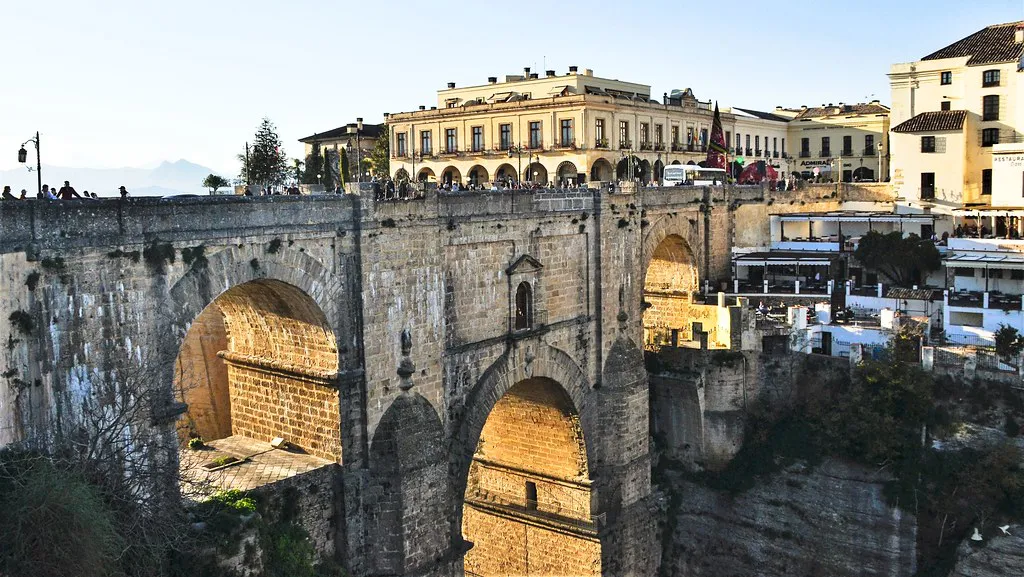
Option A — Day trip to Ronda and Setenil de las Bodegas: This is the most popular choice and one of the best day trips from the Costa del Sol. A guided tour departs around 08:30 and returns you to Málaga by 17:30. Setenil is the first stop — a tiny village where buildings are literally carved into the overhanging rock face, with one street in permanent sunshine and the adjacent "Shadow Street" always in shade. Worth 45 minutes for a wander and breakfast at a cafe under the rock. Then the tour continues to Ronda, famed for the 18th-century Puente Nuevo bridge spanning the Tajo gorge. Walk down to the gorge path (steep but 10 minutes each way) for the iconic view, visit the bullring (Plaza de Toros), and stroll through Alameda del Tajo park. Book through GetYourGuide — many tours include a walking guide in Ronda and bullring entry. This is a long day, but most travellers who do it consider it the highlight of the trip.
Option B — Beach day: La Malagueta is the closest beach to the centre (15 minutes' walk from the Cathedral) and has chiringuitos serving cold drinks and fresh fish. For a more local atmosphere, take city bus Line 11 east to El Palo — a neighbourhood with fewer tourists, older fishing boat espeteros (grilled sardines on wood skewers), and a string of simple beachfront restaurants. Try the espetos de sardinas at any chiringuito along the paseo. Pair the beach morning with an afternoon visit to the Soho district for street art and independent cafés, or revisit any attraction from Day 2 you want more time with.
Where to Eat and Drink in Málaga
Málaga has a genuine food identity that goes beyond generic tapas bars. The local cuisine is rooted in seafood, Moorish flavour combinations, and the region's sweet wines. Here are the venues worth seeking out across your three days.
- Tragata (Calle Nueva) — Michelin Guide, refined tapas, outstanding croquettes and aubergine dishes. Reservations advised.
- El Tapeo de Cervantes (Calle Cárcer) — Traditional bar-restaurant with unusual flavour combinations. The pumpkin risotto and walnut-topped cheese are consistently excellent.
- Casa Lola Strachan (Calle Strachan) — A Málaga institution for garlic prawns, croquettes, and fried aubergines with miel de caña (cane honey).
- El Pimpi (Calle Granada) — Long-standing wine bar in a beautiful old bodega. Specialises in vino dulce (sweet wine) and moscatel. Always busy; no reservations taken.
- Antigua Casa de Guardia (Alameda Principal) — The oldest winery in Málaga, open since 1840. Bills written in chalk, barrels stacked floor to ceiling, wine poured from the barrel. Cash only.
- Casa Aranda (Calle Herrería del Rey) — The definitive spot for churros con chocolate. Opens at 07:30; closes at 20:30 (don't leave it too late).
- Lucciano's (Calle Marqués de Larios) — Artisan gelato shop that draws long queues. The dulce de leche and pistachio flavours are consistently recommended.
For a proper introduction to Málaga's food scene, an evening tapas and wine tour is worth the €45–55 price. It covers three venues, includes pours of local wine, and introduces dishes you might not choose independently. Solo travellers find it especially useful for meeting other visitors.
The Best Tours to Book in Málaga
Málaga is small enough to explore independently, but several guided experiences add genuine context. These are the ones worth booking before you arrive.
- 2-hour Tuk Tuk city tour — The best Day 1 option. Covers the waterfront, Gibralfaro viewpoint, and main neighbourhoods. Saves a steep climb and gives you a strong city overview. Book 2–3 days ahead in high season.
- Alcazaba and Roman Theatre guided tour — A guide makes the 11th-century fortress dramatically more interesting. Look for small-group tours with English commentary. Often includes skip-the-line entry.
- Evening tapas and wine tour — Three local bars, dishes curated by the guide, local wine poured at each stop. The best format for experiencing Málaga's food culture without having to navigate it alone.
- Full-day Ronda and Setenil excursion — Departs 08:30, returns 17:30. Book via GetYourGuide. Many tours include bullring entry and a walking guide in Ronda. Seats fill quickly in spring and autumn.
- Teatro Flamenco Málaga show — Intimate venue near the historic centre. Performances most evenings. Book at least 3–4 days in advance — this sells out reliably. Tickets around €20–25.
You can book most of these through GetYourGuide or directly through the venue. If you're travelling with a Jet2 Holidays package, several tours are bookable as add-ons through their platform, which simplifies the logistics.
Málaga Budget Tips: Free Entry and What Things Actually Cost
One detail neither most travel articles nor tour booking sites publicise clearly: the Alcazaba and Gibralfaro Castle offer free entry on Sunday afternoons from 14:00 until closing. If your schedule is flexible, planning Day 2 around a Sunday visit saves €5.50 per person — and the afternoon light on the fortress is excellent. Arrive by 13:30 to avoid the queue that forms at 14:00 sharp.
Here are realistic per-day cost estimates for two people on a mid-range budget in 2026:
| Day | Main Activities | Key Costs (per person) | Approx. Total |
|---|---|---|---|
| Day 1 | Tuk Tuk tour, tapas & wine walking tour, flamenco show | Tuk Tuk €18–22 · Tour €45–55 · Flamenco €20–25 | €110–140 |
| Day 2 | Alcazaba, Roman Theatre, Picasso Museum, Cathedral, rooftop sunset | Alcazaba+Gibralfaro €5.50 · Picasso €13 · Cathedral €6 · Rooftop €11 | €65–90 |
| Day 3 (Option A) | Full-day Ronda & Setenil de las Bodegas guided tour | Tour €60–75 · Meals €25–35 | €90–110 |
| Day 3 (Option B) | Beach at Malagueta or El Palo, Soho district | Bus €1.40 · Chiringuito meal €15–25 | €20–35 |
The Roman Theatre is free. Picasso's birthplace (Casa Natal) is free. The beach costs nothing. Málaga is noticeably cheaper than Barcelona or Madrid — a glass of local wine rarely exceeds €3.50, and a full tapas meal for two with drinks comes in around €40 at most of the good local spots. Staying one block off the main tourist streets (Calle Larios and surrounding plazas) often cuts restaurant prices by 20–30%.
Extending Your Trip: Where to Wander Next from Málaga
If you have a fourth day or want to plan beyond three days, several destinations are within easy reach. The best choice depends on what you're after.
For dramatic scenery and history, Ronda is the obvious answer (covered in Day 3 above). For beaches and coastal towns, Nerja is 55 km east — 45 minutes by bus from the Málaga bus station (€4.50 one-way). The Balcón de Europa viewpoint and Nerja Caves are the main draws. For cave art fans, the caves require advance booking. Nerja works well as a half-day if you combine it with a morning at the beach.
For adventure, Caminito del Rey — a restored cliff-path walk through a gorge — is one hour's drive from Málaga. Tickets must be booked weeks ahead in spring (€10 entry; guided or self-guided). It is a full half-day. The full guide to day trips from Málaga covers transport options, costs, and which profile of traveller each suits best.
If you want to extend your Costa del Sol base to see more of Andalucía, Málaga sits well alongside Seville (2.5 hours by AVE train) and Granada (1.5 hours by bus). Both are worth one or two nights. The best time to visit this region is April–May or September–October — warm enough for beaches, cool enough for sightseeing.
Frequently Asked Questions
Which Málaga 3 day itinerary options fit first-time visitors?
This itinerary is specifically designed for first-time visitors, covering Málaga's main historical sites, art museums, and coastal attractions. It balances sightseeing with relaxation, ensuring a comprehensive yet enjoyable introduction to the city.
How to get around Málaga during a 3-day trip?
Málaga's city center is very walkable, making it easy to explore on foot. For longer distances, an efficient bus network and a small metro system are available. Taxis and ride-sharing apps also offer convenient options for getting around.
What are the best places to eat in Málaga for a 3-day visit?
For authentic tapas, explore the streets around Calle Larios and Plaza de la Merced. Head to Atarazanas Market for fresh seafood and local delicacies. Pedregalejo and El Palo offer excellent beachfront chiringuitos for grilled fish.
Three days in Málaga is enough to understand why it keeps appearing on city-break shortlists. The historic core is genuinely exceptional, the food scene is underrated, and having Ronda, Nerja, and the Caminito del Rey within day-trip distance makes it an unusually flexible base. Book the Picasso Museum and flamenco show before you land — everything else can be planned as you go.
For more on what to do while you're there, the full guide to top things to do in Málaga covers the city in detail. If you're still deciding when to travel, check the best time to visit for month-by-month weather and crowd breakdowns.
You might also like


Continue reading
More guides you'll find useful