
10 Best Alicante Hidden Gems: Beyond the Tourist Trail (2026)
Discover 10 Alicante hidden gems including the colorful Villajoyosa, Tabarca Island, and the mountain village of Guadalest. Plan your offbeat Spain trip today.
On this page
10 Best Alicante Hidden Gems
After wandering the sun-drenched streets of the Costa Blanca for years, I have found that the true magic lies beyond the harbor. Most visitors stick to the main beach, but the authentic soul of the region is tucked away in mountain valleys and secret alleys. This guide was last refreshed in February 2026 to ensure every local secret and opening time remains accurate for your upcoming journey.
Finding these spots requires a bit of curiosity and a willingness to leave the crowded promenades behind for a few hours. Our editors have vetted each location to ensure they offer a genuine escape from the typical tourist experience in Spain. Whether you crave silent palm groves or vibrant blue-potted streets, these selections represent the very best of the province.
Is Alicante Worth Visiting for Offbeat Travel?
Many travelers wonder is Alicante worth visiting if they prefer quiet, local experiences over massive resort crowds. The city serves as a perfect base because it balances modern amenities with ancient, winding neighborhoods that feel worlds apart. You can find Roman ruins and modernist architecture within a short walk of the bustling main attractions.
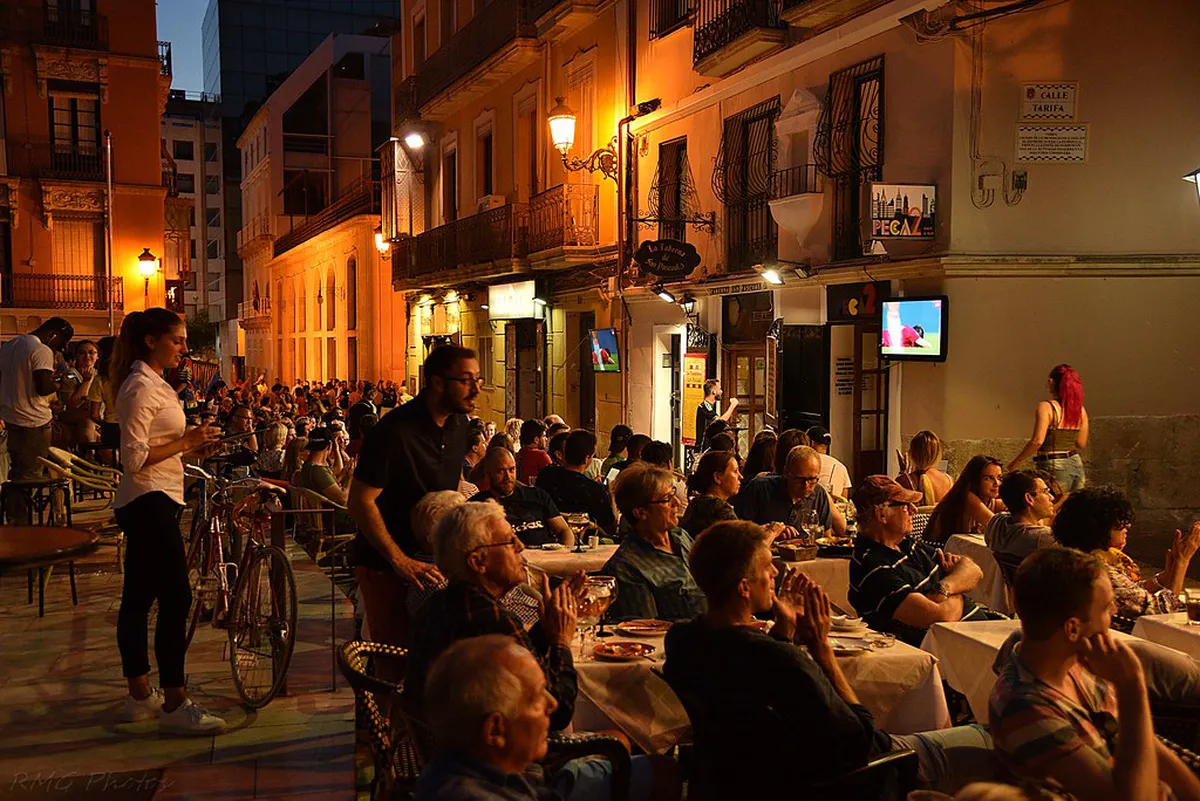
Stepping away from the Postiguet beach reveals a landscape of rugged mountains and turquoise lagoons that few tourists ever see. The hinterland offers a stark contrast to the coastline, featuring dry plains and lush vineyards that produce world-class Monastrell wines. Exploring these areas provides a deeper understanding of the Valencian culture and its historical connection to the Mediterranean Sea.
The local government has recently invested in sustainable tourism trails, making these hidden spots easier to access than ever before. Official Valencian Community guides offer curated walking and cycling routes through the region. I recommend renting a car for at least two days to reach the more remote mountain villages and coastal coves. This flexibility allows you to escape the midday heat and find solitude in places that remain untouched by large tour buses.
10 Best Alicante Hidden Gems (2026)
This list focuses on specific locations that offer something unique, from architectural wonders to protected marine environments. We have categorized these by their distance from the city center to help you plan your daily schedule efficiently. Each entry includes current pricing and seasonal hours to help you avoid arriving at a closed gate or unexpected fee.
Many of these spots are best enjoyed during the shoulder seasons when the light is soft and the air is cool. I found that visiting the mountain villages in the early morning provides the best opportunities for photography and quiet reflection. For detailed travel planning and practical tips, consult Wikivoyage's comprehensive travel guide. Be sure to pack comfortable walking shoes, as many of these gems involve steep climbs or uneven cobblestone paths.
The Alicante hinterland villages remain largely untouched by mass tourism, offering authentic Spanish mountain experiences. The Monastery of Novelda is free to visit during daylight hours. Monastrell wines from local vineyards are world-class and available for tastings at modest prices.
- La Casita de las Macetas Azules
- This tiny, vibrant corner of the Santa Cruz neighborhood features white walls covered in dozens of bright blue ceramic pots.
- It is free to visit and open all day, though morning light is best for capturing the perfect travel photo.
- Find it by climbing the narrow stairs from Plaza del Carmen toward the castle and looking for the most decorated house.
- Sanctuary of Saint Mary Magdalene in Novelda
- This stunning church resembles a Gaudi masterpiece and rises dramatically from the dusty hills of the Alicante hinterland.
- Entry is free for all visitors and the site is open daily from 10 am to 2 pm and 5 pm to 8 pm.
- The 30-minute drive from the city center is worth it to see the intricate organ made entirely of marble.
- Visit on a weekday morning to avoid the local wedding crowds that often gather here on Saturday afternoons.
- Valor Chocolate Museum in Villajoyosa
- Located in a charming coastal town, this museum offers a deep dive into the history of Spanish chocolate production.
- Guided tours are free but require advance booking on their official website to secure a spot in the tasting room.
- The museum is open Monday through Saturday with sessions typically starting at 10 am and 4 pm sharp.
- After the tour, walk five minutes to the beach to see the famous brightly colored houses lining the shore.
- Tabarca Island Marine Reserve
- This small inhabited island is a protected marine reserve featuring crystal clear waters perfect for snorkeling and swimming.
- Round-trip boat tickets from the harbor cost approximately $22 per adult and the journey takes about 50 minutes.
- Boats depart daily every hour starting at 10 am, but schedules can change based on the Mediterranean sea conditions.
- Walk past the main beach to the rocky coves on the far side for a much quieter swimming experience.
- The Castle of Guadalest
- Perched on a high ridge, this mountain village offers breathtaking views of a turquoise reservoir and the surrounding peaks.
- Entry to the main castle grounds costs roughly $5 per person and is open daily from 10 am to 7 pm.
- You can reach the Guadalest Location by car in about an hour from the city via the scenic CV-70 road.
- I suggest visiting the Micro-Gigantic Museum while you are there for a quirky look at art through a magnifying glass.
- The Palmeral of Elche
- This UNESCO World Heritage site contains over 200,000 palm trees and represents an ancient irrigation system from the Moorish era.
- Walking through the public park areas is free, while the Huerto del Cura garden costs about $6 to enter.
- The gardens are open daily from 10 am until sunset, providing a cool refuge during the hot afternoon hours.
- Take the short train ride from Alicante Terminal to Elche Parque for the most convenient access to the groves.
- Plaza Gabriel Miró Giant Ficus Trees
- This quiet square is home to massive centenarian ficus trees with sprawling roots that create a natural cathedral effect.
- The park is a public space with no entry fee and remains open 24 hours a day for visitors.
- It is located just a few blocks from the busy shopping district, offering a peaceful spot for a quick rest.
- Look for the intricate stone fountains and local kiosks that serve traditional horchata during the warmer summer months.
- Cala Moraig Secluded Cove
- Hidden beneath steep cliffs, this pebble beach features a spectacular sea cave known as Cova dels Arcs.
- Access is free, but the steep walk down from the parking area requires sturdy shoes and a bit of stamina.
- The beach is best visited in the morning before the sun disappears behind the high cliffs in the late afternoon.
- Bring your own water and snacks as the seasonal beach bar is not always open during the quieter months.
- MARQ Archaeological Museum Sanctuary Exhibit
- While the museum is well-known, the specific exhibits detailing local Iberian sanctuaries offer a fascinating look at ancient rituals.
- General admission is roughly $4 per person and the museum is closed on Mondays for weekly maintenance.
- The facility is located in the northern part of the city and is easily reached via the L2 tram line.
- Check their website for temporary international exhibitions which often include rare artifacts from across the Mediterranean region.
- Mercado Central Fish Market Lower Level
- The lower level of the central market is where local chefs source the freshest seafood directly from the morning catch.
- Entry is free and the market is open Monday through Saturday from 7 am to 2:30 pm sharp.
- I recommend arriving by 9 am to witness the energetic atmosphere before the best produce is sold out.
- Stop at one of the small bars inside the market to try a 'tapa' made with ingredients from the stalls.
Exploring the Alicante Hinterland and Novelda
The hinterland of Alicante is a rugged landscape defined by its history of marble quarrying and high-altitude viticulture. Novelda is the heart of this region, where the architecture reflects the wealth brought in by the stone trade during the 19th century. Driving through this area reveals a side of Spain that feels much more industrial and hardworking than the coastal resorts.
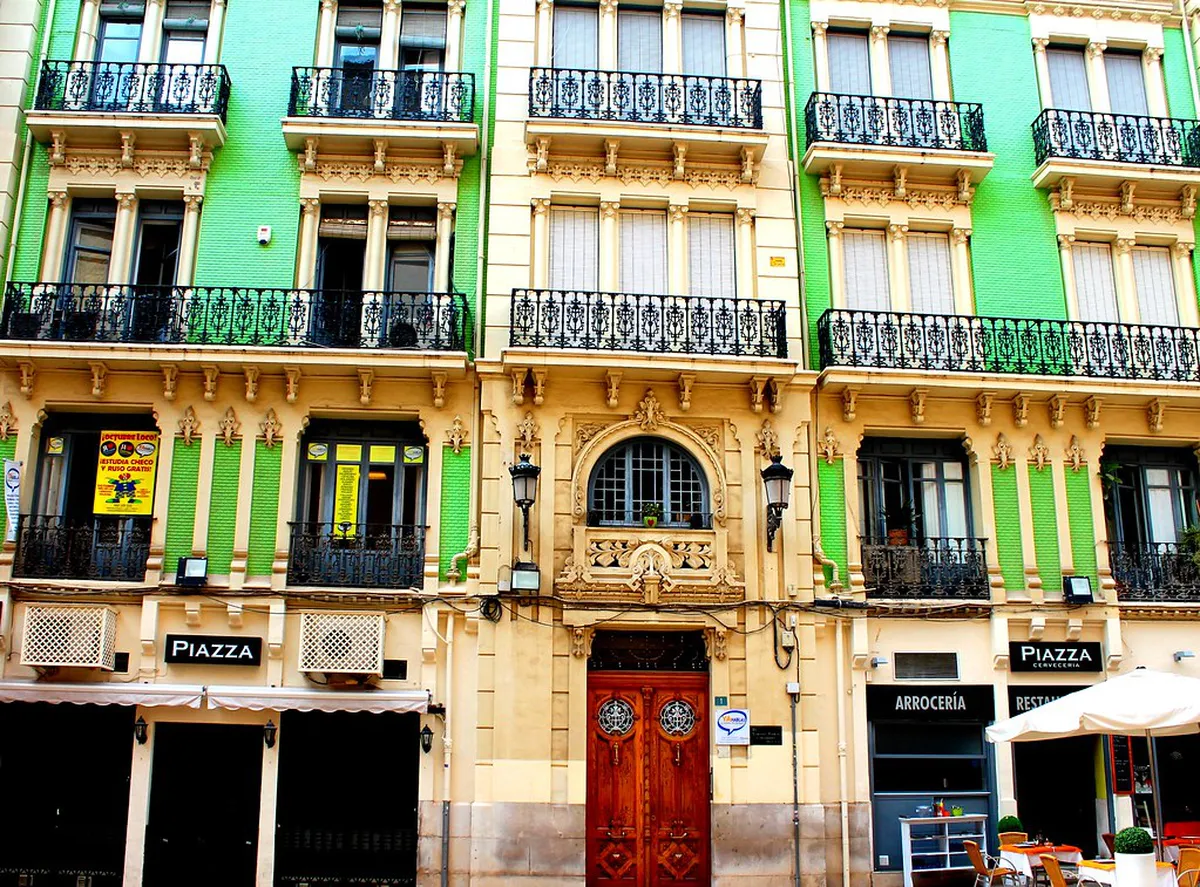
A visit to the Casa-Museo Modernista in Novelda is essential for anyone interested in the ornate Art Nouveau style of the era. The house is open Tuesday through Sunday and costs about $3 per person for a guided tour of the interior. You will see original furniture and stained glass that rivals the famous buildings found in much larger European cities.
The region is also famous for its 'Uva de Mesa Embolsada,' a unique method of growing grapes inside paper bags for protection. This agricultural tradition ensures a thin skin and intense flavor, making these grapes a prized local delicacy during the winter. Exploring the hinterland day trips allows you to see these vineyards stretching across the valley floor.
What to Skip: Overrated Spots in Alicante
While the Explanada de España is a beautiful walk, the restaurants lining this famous mosaic promenade are often underwhelming. Many of these establishments serve frozen paella and overpriced drinks to tourists who don't know better. I suggest walking three blocks inland to find authentic tapas bars where the locals actually spend their evenings.
The main beach of Postiguet can become incredibly crowded and noisy during the peak summer months of July and August. If you want a cleaner and quieter experience, take the tram to the Playa de San Juan Location which offers miles of golden sand. The extra 20 minutes of travel time results in a much more relaxing day by the Mediterranean Sea.
Avoid buying 'souvenirs' from the stalls directly in front of the cruise ship terminal as they are often mass-produced imports. Instead, visit the local craft markets in the Barrio de Santa Cruz for handmade ceramics and leather goods. Supporting local artisans ensures you bring home a piece of real Spanish culture while helping the community thrive.
Planning Your Trip: When is the Best Time to Visit?
Choosing the best time to visit Alicante depends on whether you prefer hiking or swimming. The months of May and October offer the perfect balance of warm temperatures and manageable crowd levels for exploring. During these shoulder seasons, hotel prices are lower and you can often find a table at the best restaurants without a reservation.
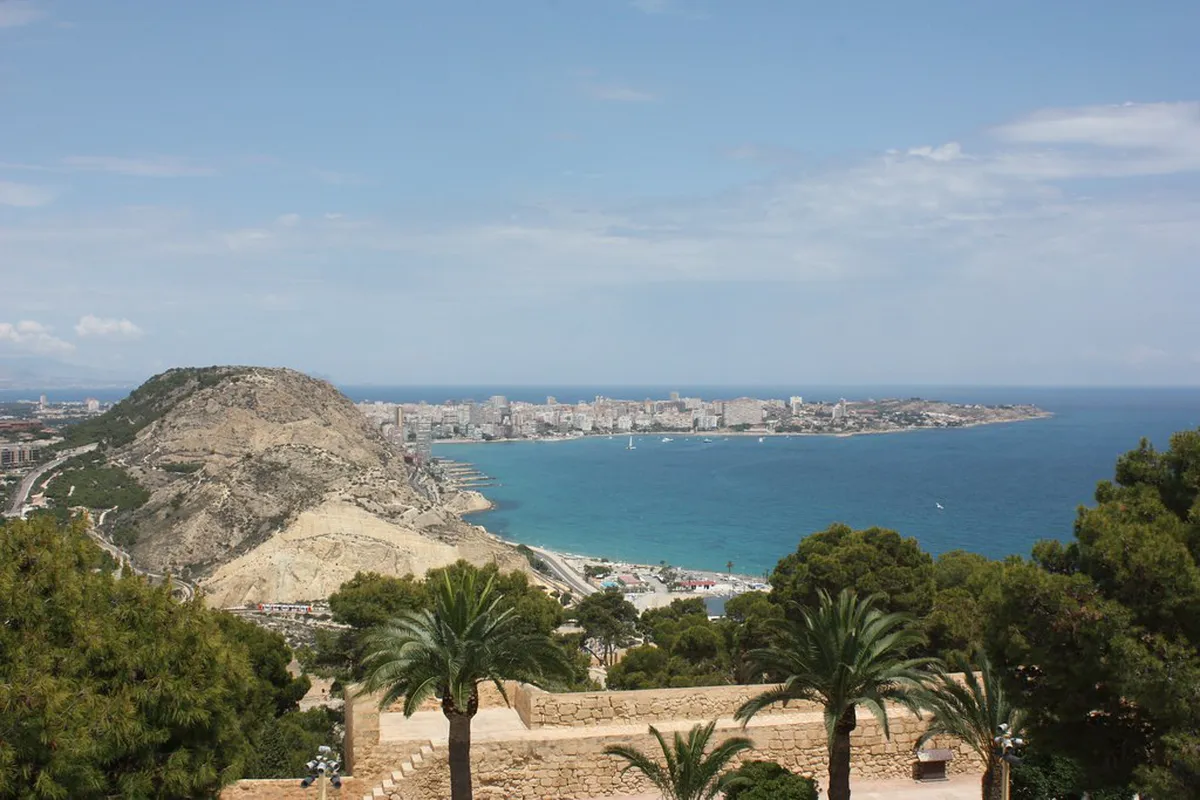
Winter is surprisingly pleasant for exploring the mountain villages like Guadalest and the palm groves of Elche. While it may be too cold for the beach, the clear blue skies provide excellent visibility for the castle viewpoints. I once visited in January and had the entire Novelda sanctuary to myself for over an hour of peaceful exploration.
Summer is vibrant but can be punishingly hot, with temperatures frequently rising above 30 degrees Celsius in the afternoon. If you visit in June, be sure to catch the Bonfires of Saint John, which is the city's most important cultural festival. Just remember to book your accommodation months in advance if you plan to attend this massive annual celebration.
Frequently Asked Questions
Which Alicante hidden gems are best for first-time visitors?
First-time visitors should prioritize the Santa Cruz neighborhood and the village of Villajoyosa. These spots are easily accessible and provide a vivid contrast to the modern city. They offer the most iconic 'hidden' visuals without requiring a long car journey.
How much time should you plan for exploring Alicante's hidden gems?
I recommend dedicating at least three full days to see the main city gems and the surrounding hinterland. One day is perfect for the Old Town and Elche, while another should be reserved for a day trip to Guadalest or Tabarca Island. This pace avoids burnout and allows for long lunches.
Is a car necessary to see the hidden gems in Alicante?
A car is highly recommended for reaching the mountain villages and secluded coves like Cala Moraig. While the tram system is excellent for coastal towns like Villajoyosa, the inland gems are difficult to reach via public transport. Rental agencies are conveniently located at the airport and train station.
Alicante is far more than just a gateway to the beach resorts of the Costa Blanca. By seeking out these hidden gems, you discover a region rich in history, unique architecture, and quiet natural beauty. I hope this guide encourages you to step off the beaten path and experience the authentic charm of this Spanish province.
Whether you are exploring the blue-potted alleys of Santa Cruz or the marble sanctuaries of Novelda, the memories will last a lifetime. Take your time, eat where the locals eat, and let the slow pace of Mediterranean life guide your journey through 2026.
You might also like


Continue reading
More guides you'll find useful