

10 Best Things To Do In Valencia: The Ultimate Travel Guide (2026)
Discover the 10 best things to do in Valencia, from the futuristic City of Arts and Sciences to the historic Barrio del Carmen. Plan your perfect trip with our expert guide.
On this page
10 Best Things To Do In Valencia (2026)
After spending weeks wandering the sun-drenched streets of the Turia capital, I have realized why travelers are flocking to this Mediterranean gem. Valencia offers a rare balance between futuristic innovation and deep-rooted Spanish tradition that larger hubs often lose in the crowds. Whether you are here for the architecture or the food, these 10 activities represent the absolute best of the city.
This guide was last refreshed in 2026 after my most recent visit to check updated prices and schedules. The city is currently enjoying a cultural renaissance, making it one of the most exciting destinations in Southern Europe right now.
From the Roman foundations to the Moorish irrigation systems, the history here is layered into every street corner. I have curated this list to help you navigate the essential sights while avoiding the most common tourist traps.
Key Takeaways
- Best Overall: The City of Arts and Sciences for its world-class architecture and aquarium.
- Best for Families: Gulliver Park and Bioparc Valencia offer unique interactive experiences for children.
- Best Rainy-Day: The Central Market and the National Ceramics Museum provide excellent indoor exploration.
- Best Free Activity: Walking the Turia Gardens or hunting for street art in the Barrio del Carmen costs nothing.
Why Valencia Is Better Than Madrid and Barcelona
Many travelers often wonder is Valencia worth visiting when compared to the heavy hitters like Madrid or Barcelona. While those cities are magnificent, Valencia offers a more manageable scale that allows you to truly breathe and explore. The city center is compact enough for walking, yet large enough to contain distinct, vibrant neighborhoods.
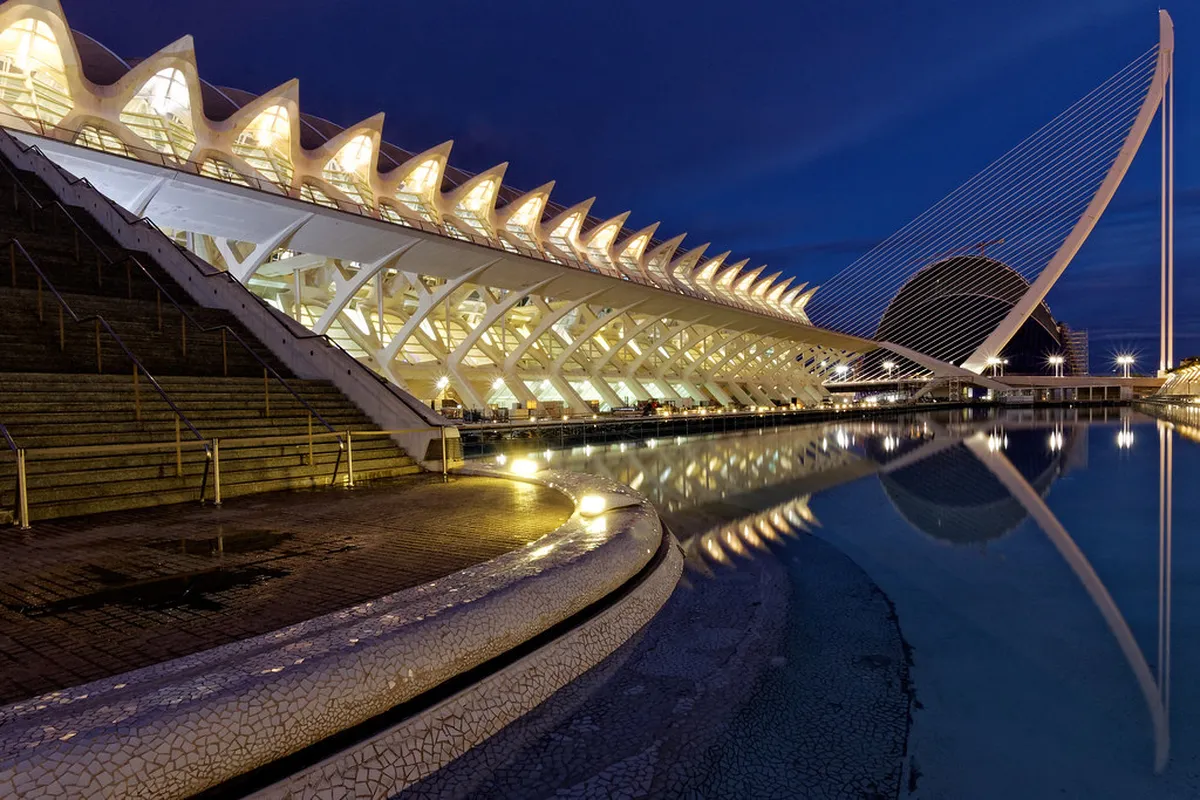
One major advantage is the seamless integration of a high-quality beach with a historic urban core. You can spend your morning admiring Gothic cathedrals and your afternoon lounging on wide, sandy Mediterranean shores. This dual nature provides a holiday variety that Madrid simply cannot match due to its landlocked location.
The cost of living and tourism here remains significantly lower than in the "Big Two" Spanish cities. You will find that your budget stretches much further when booking a Where to Stay in Valencia accommodation or dining out. Lower prices do not mean lower quality, as the local produce and hospitality are world-class.
Crowd management is another area where this city shines, as it rarely feels overwhelmed by mass tourism. Even the most popular plazas retain a local atmosphere where residents still outnumber visitors at the cafes. This authenticity creates a more relaxed environment for those who want to experience genuine Spanish life.
Selecting the best neighborhoods to stay is also easier here because each area has a clear identity. From the bohemian streets of Ruzafa to the maritime charm of El Cabanyal, there is a perfect spot for every traveler. The lack of aggressive tourist-oriented commercialism makes every walk through the city feel like a personal discovery.
10 Best Things To Do In Valencia
This curated list covers the essential landmarks and experiences that define the Valencian identity in 2026. I have included a mix of modern marvels, historic sites, and natural escapes to ensure a well-rounded trip. Each item includes practical details to help you plan your daily itinerary with ease.
Before heading out, I recommend checking the Central Market and La Lonja guide for specific opening hours. Many historic sites in the city center close for a few hours in the afternoon for the traditional siesta. Planning your route around these breaks will save you from arriving at a closed door during the heat of the day.
The city's layout is mostly flat, making it an excellent destination for those who prefer exploring on two wheels. You will find dedicated bike lanes connecting the old town directly to the futuristic City of Arts and the beach. This connectivity is one of the many reasons why the city is so highly rated by active travelers.
Keep in mind that some attractions require advance booking, especially during the peak spring and summer months. I have noted which spots benefit most from a pre-purchased ticket to help you skip the longest queues. Always carry a small amount of cash, though most major sites and restaurants now accept digital payments.
- Marvel at the City of Arts and Sciences
- This futuristic complex serves as the city's modern cultural centerpiece and features stunning Santiago Calatrava architecture.
- Tickets range from €30 to €40 for various combination passes covering the aquarium and science museum.
- Most buildings open daily from 10am until 7pm or 9pm seasonally in the Ciutat de les Arts area.
- Take the bus lines 35 or 95 from the city center for a direct fifteen-minute journey.
- Visit the Oceanogràfic aquarium first to avoid the afternoon school crowds that typically arrive after lunch.
- Shop at the Valencia Central Market
- The Mercado Central is a modernist masterpiece and one of the largest fresh produce markets in Europe.
- Entry is entirely free for visitors wanting to admire the tile work and local food stalls.
- It is located in the heart of the old town and is open Monday to Saturday from 7:30am to 3pm.
- Walk from the Plaza de la Reina in five minutes to reach the main entrance.
- Stop by the small horchata stall near the south exit for a truly authentic local mid-morning snack.
- Climb the Miguelete Tower at the Cathedral
- The Valencia Cathedral claims to house the true Holy Grail and offers a 207-step climb for panoramic views.
- General entry for the cathedral and museum is roughly €9 per adult which includes an audio guide.
- The cathedral is open for visitors from 10:30am to 6:30pm daily except during religious services.
- You can find this landmark easily at the Plaza de la Reina in the historic center.
- The climb is steep and narrow, so go early in the morning to avoid passing other visitors on the stairs.
- Bike through the Turia Gardens park system
- This nine-kilometer green ribbon was created in a former riverbed and winds through the entire city.
- Access to the park is free and open 24 hours a day for walkers, runners, and cyclists.
- Rent a bike for around €10 to €15 per day to see the full length of the gardens.
- Enter the park at any bridge crossing between the city center and the City of Arts.
- Look for the Gulliver Park section where children can climb on a massive statue of the fictional giant.
- Hunt for Street Art in Barrio del Carmen
- The oldest neighborhood in the city is a labyrinth of narrow alleys filled with vibrant, world-class murals.
- This is a free outdoor experience that is best enjoyed by getting intentionally lost in the backstreets.
- The area is active 24/7, though the murals are best viewed during daylight hours for photography.
- Walk north from the Central Market to enter the neighborhood through the historic gates.
- Keep an eye out for the 'Ninja Turtle' and 'Cat House' art pieces hidden in the smaller side streets.
- Admire the Gothic La Lonja de la Seda
- This UNESCO World Heritage site is a former silk exchange and a stunning example of late Gothic architecture.
- Tickets are very affordable at approximately €2 per person or free on Sundays and public holidays.
- The site is open Tuesday to Saturday from 10am to 7pm and until 2pm on Sundays.
- It sits directly opposite the Central Market, making it easy to combine these two major attractions.
- Look up at the twisted columns in the main hall to see the incredible detail of the stone masonry.
- Relax at the Playa de la Malvarrosa
- This wide urban beach offers golden sands and a long promenade lined with traditional paella restaurants.
- Access to the beach is free, though sunbed and umbrella rentals typically cost around €15 per set.
- The beach is always open, but lifeguards are usually on duty from June through September.
- Take the tram line 4 or 6 from the city center for a convenient twenty-minute ride to the shore.
- Walk further north to Patacona beach if you prefer a quieter, more local atmosphere away from the main crowds.
- Take a boat trip in Albufera Natural Park
- This freshwater lagoon is the birthplace of paella and offers some of the best sunsets in Spain.
- Boat tours usually cost between €5 and €8 per person for a forty-five-minute guided ride.
- The park is accessible daily, with boatmen operating from sunrise until just after the evening sunset.
- Take the number 24 or 25 public bus from the city center for a thirty-minute scenic trip.
- Book a table for a late lunch in the village of El Palmar to try authentic wood-fired paella.
- See the animals at Bioparc Valencia
- This innovative zoo uses 'zoo-immersion' techniques to recreate African habitats without visible fences or cages.
- Adult tickets are priced at approximately €25, with discounts available for children and senior visitors.
- The park opens at 10am daily and closing times vary from 6pm to 8pm depending on the season.
- It is located at the western end of the Turia Gardens and is accessible via bus line 98.
- Check the feeding schedule upon arrival to see the lemurs and elephants at their most active times.
- View the city from the Serranos Towers
- These massive twin towers once formed part of the ancient city walls and served as a defensive gate.
- Entry is roughly €2 per person, providing access to the various platforms and the rooftop battlements.
- The towers are open Tuesday through Saturday from 10am to 7pm and on Sundays until 2pm.
- They are located at the northern edge of the Barrio del Carmen overlooking the Turia Gardens.
- Visit at sunset for a golden hour view over the terracotta rooftops of the historic old town.
Is Valencia Worth Visiting Compared to Barcelona?
When planning a trip to the Mediterranean coast, many people ask if they should choose Valencia over Barcelona. Barcelona is undeniably famous for its Gaudí architecture, but it also suffers from extreme over-tourism and higher prices. Valencia offers a more relaxed pace of life where you can actually enjoy the sights without fighting through massive tour groups.

The architectural variety here is just as impressive, ranging from Roman ruins to the most futuristic buildings in the world. According to the official tourism board's park guide, the Turia Gardens guide highlights nine kilometers of continuous green space. This park provides a massive green lung that separates the historic districts from the modern residential areas.
Safety is another factor where this city often ranks higher than its larger neighbor to the north. While you should always be cautious, the instances of petty crime and pickpocketing are significantly lower here. This makes it a much more comfortable destination for families or solo travelers who want a stress-free experience.
Ultimately, the choice depends on whether you want a high-energy metropolis or a sun-soaked city with a slower pulse. I personally find that three days here provides a much more satisfying and authentic Spanish experience. The blend of beach, history, and cutting-edge design creates a unique atmosphere that is difficult to find elsewhere.
| Factor | Valencia | Barcelona |
|---|---|---|
| Crowds | Manageable, locals still outnumber tourists in most plazas | Heavy over-tourism at major sights year-round |
| Average accommodation cost | Roughly 30–40% cheaper for comparable central hotels | Premium pricing, especially near La Sagrada Família |
| Beach access | Wide city beaches reachable by tram in ~20 minutes | Smaller, more crowded urban beaches |
| Walkability | Flat and compact; most sights within a 20-minute walk | Larger and hillier; relies more on metro |
| Signature draw | City of Arts and Sciences plus Albufera paella country | Gaudí modernism and the Gothic Quarter |
| Pickpocketing risk | Notably lower | Among the highest in Europe |
The Incredible Valencia Food Scene
Eating here is not just about sustenance; it is a vital part of the local culture and daily rhythm. You must experience the ritual of 'almuerzo,' which is a substantial mid-morning snack enjoyed by locals between 10am and 11am. This typically involves a large sandwich, olives, peanuts, and a drink, often followed by a small coffee. The city's tourism board documents this tradition as central to Valencian identity.
Valencia is the birthplace of authentic paella, which traditionally uses chicken and rabbit—not seafood. Lunch menus (Menú del Día) typically cost €12-18 and include three courses plus a drink. Never order paella for dinner; locals only eat it at midday.
Finding the best places to eat paella is a top priority for most visitors. Authentic Paella Valenciana is made with chicken, rabbit, and snails rather than the seafood version popular elsewhere. Locals only eat paella for lunch, as it is considered too heavy for a traditional Spanish dinner.
For a refreshing drink, try the local 'Agua de Valencia,' which is a potent cocktail of cava, orange juice, gin, and vodka. Despite the name, there is no water in it, so be careful as it can be surprisingly strong. It is best enjoyed in the late afternoon at one of the many terraces in the Barrio del Carmen.
Sweet-toothed travelers should seek out Horchata, a milky drink made from tiger nuts, served with 'fartons' pastries. The most famous place to try this is the centuries-old Horchatería Santa Catalina near the cathedral. This drink is naturally vegan and gluten-free, making it a perfect treat for almost any dietary requirement.
Seafood lovers should head to the maritime district of El Cabanyal for the freshest catches of the day. Many small tapas bars here serve 'tellinas' (tiny clams) and 'esgarraet' (roasted peppers with salted cod). Dining in this area offers a glimpse into the city's fishing heritage away from the main tourist plazas.
If you want to eat your way through the Mercado Central, time your visit for mid-morning and aim for these stalls and bars:
- Central Bar by Ricard Camarena — the market's star tapas counter; arrive before noon to beat the queue for the bikini sandwich and montaditos.
- Horchata stall near the south exit — the spot for a freshly poured horchata and fartons as a mid-morning treat.
- The seafood and shellfish rows — best for photos and picking up tellinas or fresh prawns from the morning's catch.
- Cured-meat and cheese counters — ideal for assembling a picnic of jamón, queso curado, and local olives for the Turia Gardens.
- The produce hall — go early for the freshest tiger nuts, oranges, and seasonal fruit that locals buy daily.
How to Plan a Smooth Valencia Attractions Day
Logistics are straightforward if you understand getting around Valencia using the efficient public transport system. The metro and tram network connects the airport, the city center, and the beach with frequent and reliable service. I highly recommend purchasing a Valencia Tourist Card, which offers unlimited transport and free entry to municipal museums.
If you are planning a 3-day Valencia itinerary, try to group your activities by neighborhood to minimize travel time. Spend one day in the historic center, one at the City of Arts and Sciences, and one at the beach or Albufera. This approach allows you to see the major highlights without feeling rushed or exhausted by the end of the trip.
Respecting the siesta is crucial, as many smaller shops and historic sites close between 2pm and 5pm. Use this time to enjoy a long, leisurely lunch or relax in the shade of the Turia Gardens. The city comes back to life in the evening, with dinner rarely starting before 9pm for most locals.
While the city is walkable, you might consider a car rental if you plan to explore the surrounding region. However, parking in the historic center is notoriously difficult and expensive for most visitors. I suggest only renting a vehicle for specific day trips to the mountains or more remote coastal areas.
Finally, always carry a reusable water bottle as the city has many public fountains with high-quality drinking water. The Mediterranean sun can be intense even in the shoulder seasons of spring and autumn. Staying hydrated will ensure you have the energy to climb the towers and walk the long garden paths.
What to Skip in Valencia
Every popular destination has its share of underwhelming spots, and this city is no exception to the rule. I strongly suggest skipping the 'Tourist Menu' paella offered at the restaurants directly on the Plaza de la Reina. These are often mass-produced and lack the depth of flavor found in the specialized rice houses further afield.
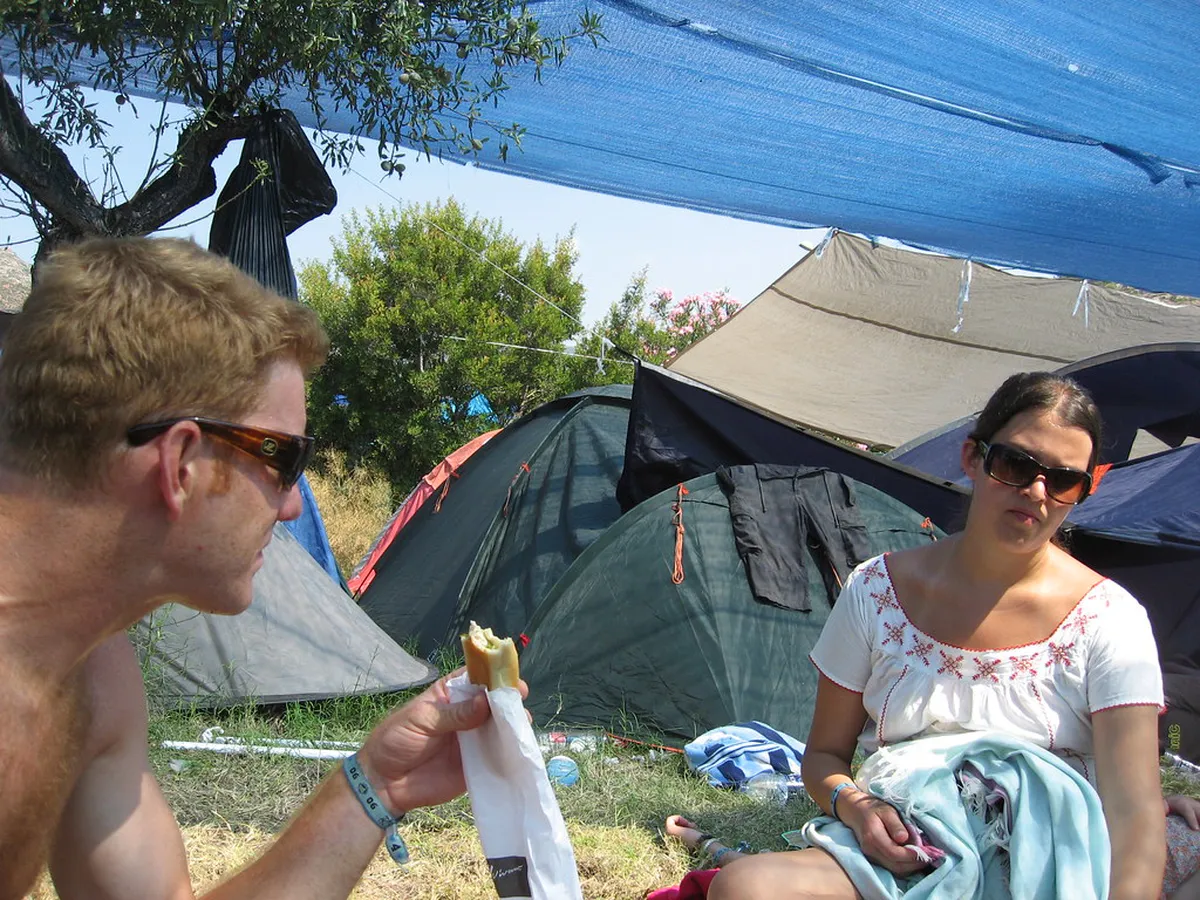
The main beachfront restaurants at Malvarrosa can also be overpriced and serve mediocre food to unsuspecting tourists. For a better experience, walk just ten minutes inland to the neighborhood of El Cabanyal for authentic local tapas. You will find much better value and a more genuine atmosphere away from the immediate shoreline.
Avoid visiting the main plazas during the peak midday heat when the sun is at its most punishing. The lack of shade in areas like the Plaza del Ayuntamiento can make sightseeing quite uncomfortable in the summer. Schedule your outdoor monument visits for the early morning or late afternoon when the light is also better for photos.
Lastly, do not feel obligated to visit every single museum if you only have a few days in the city. Focus on the unique sites like the Valencia Cathedral guide or the silk exchange rather than generic art galleries. Your time is better spent soaking in the atmosphere of the streets and parks than being stuck indoors all day.
Frequently Asked Questions
Is Valencia a walkable city for tourists?
Valencia is highly walkable, especially within the historic Ciutat Vella district. The flat terrain makes it perfect for exploring on foot or by bicycle. Most major attractions are within a twenty-minute walk of each other.
How many days do you need in Valencia?
Three days is the ideal amount of time to see the main highlights without rushing. This allows for one day in the old town, one at the City of Arts, and one at the beach. Longer stays permit day trips to Albufera.
What is the best month to visit Valencia?
April, May, and June offer the most pleasant weather with warm temperatures and clear skies. September and October are also excellent choices for avoiding the peak summer heat. March is famous for the Fallas festival.
What are the best free things to do in Valencia?
The best free experiences include walking or cycling the nine-kilometer Turia Gardens, hunting for street art in the Barrio del Carmen, and admiring the modernist architecture inside the Central Market. La Lonja de la Seda is also free on Sundays and public holidays.
Is Valencia worth visiting compared to Barcelona?
Valencia is well worth visiting and suits travelers who want a more relaxed pace than Barcelona. It offers comparable architectural variety, cheaper accommodation, easy beach access, and far lower crowds and pickpocketing risk, while Barcelona wins for Gaudí landmarks and big-city energy.
Valencia is a city that rewards those who take the time to look beyond the surface of its modern landmarks. By balancing your time between the historic center and the futuristic coast, you will experience the full spectrum of its charm. I hope this guide helps you create an unforgettable Mediterranean adventure in this vibrant Spanish city.
Remember to eat like a local, respect the siesta, and keep your eyes open for the hidden details in the architecture. The city is waiting to be discovered, one plaza and one plate of paella at a time.
Explore More Valencia Guides
Plan every part of your Valencia trip with our in-depth guides — from where to stay and what to eat to itineraries, day trips, and the sights worth your time.
Where to Stay & Neighborhoods
- Where to Stay in Valencia
- Neighborhoods to Stay in Valencia
- Valencia Neighborhoods Guide
- Hotels in Valencia
- Options for Budget Accommodation in Valencia
- Where to Stay in Valencia for Families
Food & Drink
- Valencia Weather By Month
- Restaurants and Dining Experiences in Valencia
- Tips and Restaurants for Paella in Valencia
- Spots in Our Valencia Street Food Guide
- Cheap Eats in Valencia
- Food Tours in Valencia
- Horchata And Fartons In Valencia Travel Guide
Getting Around & Practical
- Getting Around Valencia Travel Guide
- Ways to Get from Valencia Airport to City Centre
- Valencia Metro Guide
- Valencia Tourist Card Guide
Best Time & Itineraries
- Best Time to Visit Valencia
- How Many Days in Valencia
- Valencia 3 Day Itinerary
- Day Trips from Valencia
- Valencia 1 Day Itinerary
- Valencia 2 Day Itinerary
- Valencia Weekend Itinerary
- Valencia 5 Day Itinerary
- Albufera Natural Park Day Trip From Valencia
Beaches & Nightlife
Attractions & Experiences
- Valencia Hidden Gems to Visit
- Free Things to Do in Valencia | Budget Guide
- Things to Do in Valencia with Kids
- Valencia Shopping Guide
- 10 Things to Know for Your City of Arts and Sciences Valencia Guide
- Valencia Cathedral And The Holy Grail Travel Guide
- Turia Gardens Valencia Guide Travel Guide
- Valencia Central Market And La Lonja Guide Travel Guide
- Is Valencia Worth Visiting? My Honest 2026 Review
- Valencia Markets
- Souvenirs from Valencia
- 9 Essential Stops for a Valencia Museum Tour
You might also like


Continue reading
More guides you'll find useful


