10 Best Neighborhoods to Stay in Valencia (2026)
Discover the best neighborhoods to stay in Valencia for 2026. From historic Ciutat Vella to trendy Ruzafa, find your perfect base with our local guide.
On this page
10 Best Neighborhoods to Stay in Valencia
I have spent months wandering through Valencia's sun-drenched plazas and vibrant maritime streets over the last five years. Choosing the right base can transform your Spanish holiday from a simple trip into an unforgettable local experience. This guide breaks down the top districts based on my recent return visit to this Mediterranean gem. Last refreshed October 2026 to ensure all pricing and transport details are current for your 2026 planning.
Valencia offers a unique blend of medieval history and futuristic architecture that few other European cities can match. Whether you want to be steps from the beach or nestled in a bohemian alleyway, there is a perfect corner here. Our editors have reviewed every major district to help you navigate the city's diverse landscape with ease.
10 Best Neighborhoods to Stay in Valencia (2026)
Finding the right spot depends heavily on whether you prefer historic charm or modern convenience. The city is remarkably walkable, but each district offers a distinct personality and different price points. I recommend booking at least three months in advance if you plan to visit during the busy spring season. If you are still deciding is Valencia worth visiting, the architecture alone makes it a top contender.

Most visitors find that staying near the Turia Gardens provides the best balance of nature and urban access. This dried riverbed serves as a green spine connecting the old town to the futuristic coastal areas. Prices for accommodation have risen slightly recently, but the city remains more affordable than Madrid or Barcelona. For official tourism information about Valencia's districts, visit Visit Valencia, the city's official tourism portal. Check out our Valencia neighborhoods guide for a deeper dive into local culture.
The following list highlights the most popular and practical areas for travelers of all types. We have included typical costs and transport tips to make your decision as simple as possible. Each area has been vetted for safety, accessibility, and proximity to the city's best dining spots.
- Ciutat Vella Historic District
- This central district serves as the medieval heart of the city and houses the famous Gothic Cathedral.
- It is the best area for first-time visitors who want to be within walking distance of major landmarks.
- Average nightly rates range from $95 to $230, and the area is accessible 24/7 for pedestrians.
- Take the metro to Xàtiva station and walk five minutes to reach the main historic plazas.
- I suggest visiting the Plaza de la Virgen at night for a peaceful atmosphere after the day crowds leave.
- Ruzafa Trendy Quarter
- Known as the SoHo of Valencia, this former working-class area is now the city's most hip neighborhood.
- It is worth staying here for the incredible concentration of craft breweries, art galleries, and brunch spots.
- Expect to pay between $80 and $180 per night for a stylish boutique hotel or apartment.
- The area is a ten-minute walk from the main train station and comes alive after 7pm daily.
- During my last stay, I discovered that booking a room with soundproofing is essential for weekend nights.
- El Carmen Old Town
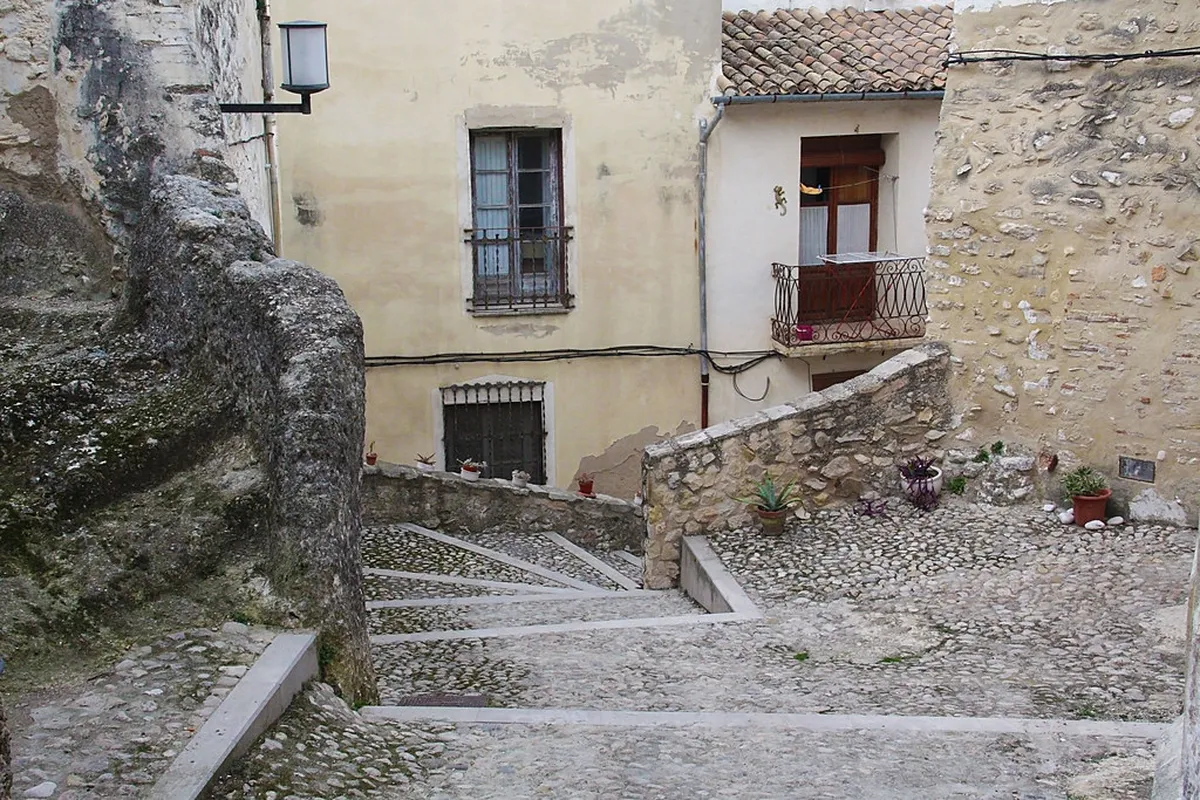
- This sub-district of the old town is famous for its winding alleys and vibrant street art displays.
- Stay here if you enjoy a bohemian vibe and want to be close to the Torres de Serranos.
- Accommodation costs average $75 to $160 per night, though street noise can be a factor here.
- Bus lines 95 and 5 stop nearby, providing easy access to the City of Arts and Sciences.
- Look for the 'Cat House' on Carrer del Museu for a quirky local photo opportunity.
- El Cabanyal Maritime Village
- This old fisherman's quarter features unique tiled facades and a relaxed, salty Mediterranean atmosphere.
- It is the perfect choice for travelers who want an authentic beach experience away from big resorts.
- Rooms typically cost $70 to $150, with most local taverns serving fresh seafood until late evening.
- The tram lines 4 and 6 connect this coastal area directly to the city center in twenty minutes.
- Try to visit the local market on Thursday mornings to see the neighborhood at its most authentic.
- L'Eixample Luxury District
- This upscale area features wide boulevards, high-end shopping, and some of the city's finest modernist architecture.
- It is worth it for those who prefer a more polished, quiet environment with excellent dining options.
- Prices here are higher, ranging from $120 to $300 per night at premium establishments.
- The Colón metro station serves as the main hub for this district and its surrounding boutiques.
- The SH Colon Valencia is a fantastic choice for those wanting to be in the heart of the action.
- Penya-Roja Modern Hub
- Located right next to the City of Arts and Sciences, this area offers modern hotels and malls.
- It is the best base for families who want easy access to the aquarium and science museum.
- Mid-range hotels usually cost between $100 and $200 per night with many offering pool facilities.
- Multiple bus routes like the 19 and 40 run frequently between here and the historic center.
- Walk through the Turia Gardens at sunset for the best views of the futuristic buildings.
- Benimaclet Student Quarter
- Once a separate village, this neighborhood maintains a small-town feel with a youthful, multicultural edge.
- Stay here to enjoy lower prices and a more local, non-touristy side of Valencian life.
- Budget-friendly options abound here, with nightly rates often falling between $55 and $110.
- The Benimaclet metro station provides a direct link to both the beach and the city center.
- Check out the local plazas on Friday evenings when students and families gather for outdoor drinks.
- La Malvarrosa Beachfront
- This is the city's main urban beach, offering a wide promenade and plenty of volleyball courts.
- It is the best spot for sunseekers who want to wake up with a view of the sea.
- Resort-style hotels here range from $110 to $280, especially during the peak summer months.
- Take the tram line 4 or bus 32 to reach the sand from the city center easily.
- Avoid the restaurants directly on the promenade for paella and head one block back for better quality.
- Alameda Garden District
- This elegant area runs alongside the Turia Gardens and features beautiful tree-lined walkways.
- It offers a peaceful retreat for those who want to stay in a green, residential environment.
- Expect to pay $90 to $190 per night for a room in this sophisticated part of town.
- The Alameda metro station, designed by Santiago Calatrava, is one of the most beautiful in Spain.
- Rent a bike to explore the full length of the park which is accessible at all hours.
- Extramurs Residential Zone
- Located just outside the old city walls, this area is convenient, safe, and very well-connected.
- It is a practical choice for those who want a central location without the old town noise.
- Typical costs range from $70 to $140 per night for comfortable, modern apartments.
- The Angel Guimerá metro station is a major interchange that makes getting around Valencia very simple.
- The Casual del Cine Valencia is located nearby and offers a fun, themed experience for travelers.
Which Area is Best for First-Time Visitors?
For your first trip, I almost always recommend staying in the Ciutat Vella or very close to it. Being central allows you to see the Cathedral, the Central Market, and the Silk Exchange on foot. You will save a significant amount of time on transport by being in the middle of the action. Our Valencia 3-day itinerary works perfectly when you use the historic center as your home base.
If you prefer a more modern vibe, the area around Colón is also an excellent choice for newcomers. This neighborhood blends the old world with high-end shopping and very reliable public transport links. You can easily catch a bus to the beach or a metro to the airport from this location. It feels slightly more organized and less chaotic than the narrow streets of the deeper old town.
Families might find the proximity to the Turia Gardens in the Alameda area more relaxing for a first visit. Having a massive park right outside your door is a lifesaver when traveling with energetic children. It provides a quiet escape from the city noise while still being a short walk from the main sights. Most hotels in this area are modern and offer larger family rooms compared to the historic center.
Is Valencia Safe for Solo Female Travellers?
Valencia is widely considered one of the safest cities in Spain for solo female travelers. The local culture is very social, meaning streets are often busy and well-populated until late at night. I have personally walked through the city center at midnight and felt completely comfortable and secure. Standard travel precautions apply, but violent crime is extremely rare in the main tourist neighborhoods.

For the highest sense of security, I recommend staying in L'Eixample or the Alameda district. These areas are well-lit, have a strong police presence, and feature wide, open boulevards. Ruzafa is also very safe, though the crowds can get quite dense on Friday and Saturday nights. If you are ever unsure, the local taxi app 'Free Now' is very reliable for late-night transport.
The only area where you should stay extra vigilant is around the main train station after dark. While not dangerous, it can attract pickpockets who look for distracted tourists arriving with luggage. Keep your belongings close and avoid looking at your phone while walking in crowded transport hubs. Overall, the city's welcoming atmosphere makes it an ideal destination for women traveling alone.
Alameda, City of Arts and Oceanogràfic
Staying near the City of Arts and Sciences offers a completely different perspective on the city. The architecture here is world-famous and provides a stunning backdrop for morning walks or evening drinks. This area is much quieter than the city center, making it ideal for those who value a good night's sleep. You can find more details in our City of Arts and Sciences Valencia guide.
The Oceanogràfic is the largest aquarium in Europe and is located at the far end of this district. Staying nearby means you can be the first in line when the doors open at 10am to beat the crowds. Many hotels in this zone offer rooftop terraces with incredible views of the white, skeletal structures. It is a bit further from the historic center, but the number 95 bus connects the two areas efficiently.
The Alameda promenade itself is a favorite for local joggers and families on the weekend. It feels very sophisticated and is home to several high-quality restaurants that cater to locals. If you enjoy being near water and greenery, this is undoubtedly the best part of the city for you. The walk from here into the center through the park takes about twenty minutes and is very scenic.
The Marina, Beaches and the Cabañal Neighbourhood
The coastal side of Valencia has undergone a massive transformation over the last decade. The Marina is now a hub for innovation, nightlife, and water sports, attracting a diverse crowd. Staying here allows you to enjoy the Mediterranean breeze while still being connected to the city. Our guide to the best beaches in Valencia highlights the top spots for sunbathing nearby.
El Cabanyal is the most interesting neighborhood in this area due to its protected historic status. The colorful, tiled houses were once home to fishermen and now house trendy bars and vermuterias. It is a great place to stay if you want to experience a slower pace of life with authentic roots. The area can feel a bit gritty in certain blocks, but it is rapidly becoming the city's coolest district.
The beach itself is massive and rarely feels overcrowded compared to other Spanish coastal cities. You can easily spend a morning on the sand and an afternoon exploring the nearby maritime museum. Dining options range from traditional paella houses to modern fusion restaurants along the waterfront. I recommend using the tram system to get here, as parking can be quite difficult during the summer.
How to Plan a Smooth Neighborhoods Attractions Day
Getting around Valencia is remarkably easy thanks to a flat landscape and excellent public transport. I highly recommend purchasing a 'Suma' card which works for the metro, tram, and city buses. You can top it up at any station and it significantly reduces the cost of individual journeys. Check our guide on getting around Valencia for more specific transport hacks.
Renting a bicycle is perhaps the best way to see multiple neighborhoods in a single afternoon. The Turia Gardens offer a dedicated bike path that is completely free of cars and very safe. You can ride from the historic center all the way to the beach in about thirty minutes. Most rental shops charge around $10 to $15 for a full day of use.
What to skip: I suggest skipping the area immediately surrounding the Estació del Nord for your accommodation. While convenient for trains, it is often loud and lacks the character found in the nearby Ruzafa district. Similarly, the far outskirts of Benicalap are often too far from the main sights for a short trip. Focus your time on the central and coastal districts to get the most out of your Valencian holiday.
Frequently Asked Questions
What is the best neighborhood for first-time visitors?
Ciutat Vella is the best choice for first-timers. It puts you within walking distance of the Cathedral and Central Market. You will save time on transport and be surrounded by the city's most iconic history.
Is it better to stay in the city center or near the beach?
Stay in the center for history and sightseeing, or the beach for a relaxed, maritime vibe. The city center offers better transport links. The beach is perfect for summer trips but is twenty minutes from the main landmarks.
Which area of Valencia has the best nightlife?
Ruzafa is the undisputed king of Valencia's nightlife scene. It is packed with craft beer bars, late-night cafes, and eclectic clubs. The area is safe and stays vibrant well into the early morning hours.
Valencia is a city of distinct neighborhoods, each offering a unique way to experience the local lifestyle. Whether you choose the historic charm of the old town or the modern energy of Ruzafa, you will find a welcoming atmosphere. I hope this guide helps you find the perfect base for your 2026 Spanish adventure.
Remember to book early and consider the proximity to the Turia Gardens for the best experience. No matter where you stay, the city's excellent transport network makes exploring every corner a breeze. Enjoy your stay in this beautiful Mediterranean paradise!
You might also like


Continue reading
More guides you'll find useful