
9 Essential Stops for a Valencia Museum Tour (2026)
Discover the best museums in Valencia, from the new Hortensia Herrero to the Fine Arts Museum. Includes ticket tips and free entry times for 2026.
On this page
9 Essential Stops for a Valencia Museum Tour
After my third visit to Valencia in late 2026, I realized how much the local cultural landscape has shifted recently. The city has evolved far beyond its traditional ceramics, now hosting world-class private collections and digital art spaces. Whether you enjoy Roman ruins or contemporary sculpture, there is a gallery here that fits your specific interests. Valencia's rich cultural heritage has deep roots in Spanish art history.
This guide was last refreshed in January 2026 to ensure all pricing and opening hours are current. Knowing is Valencia worth visiting often comes down to exploring these hidden indoor gems. Many visitors miss the best spots because they only focus on the beaches or the central plaza.
I have spent dozens of hours wandering through these halls to find the most rewarding experiences for every traveler. This list balances the famous landmarks with quiet, experimental spaces that locals love. Keep reading to discover the essential museums that define the artistic soul of this Mediterranean city.
9 Essential Stops for a Valencia Museum Tour
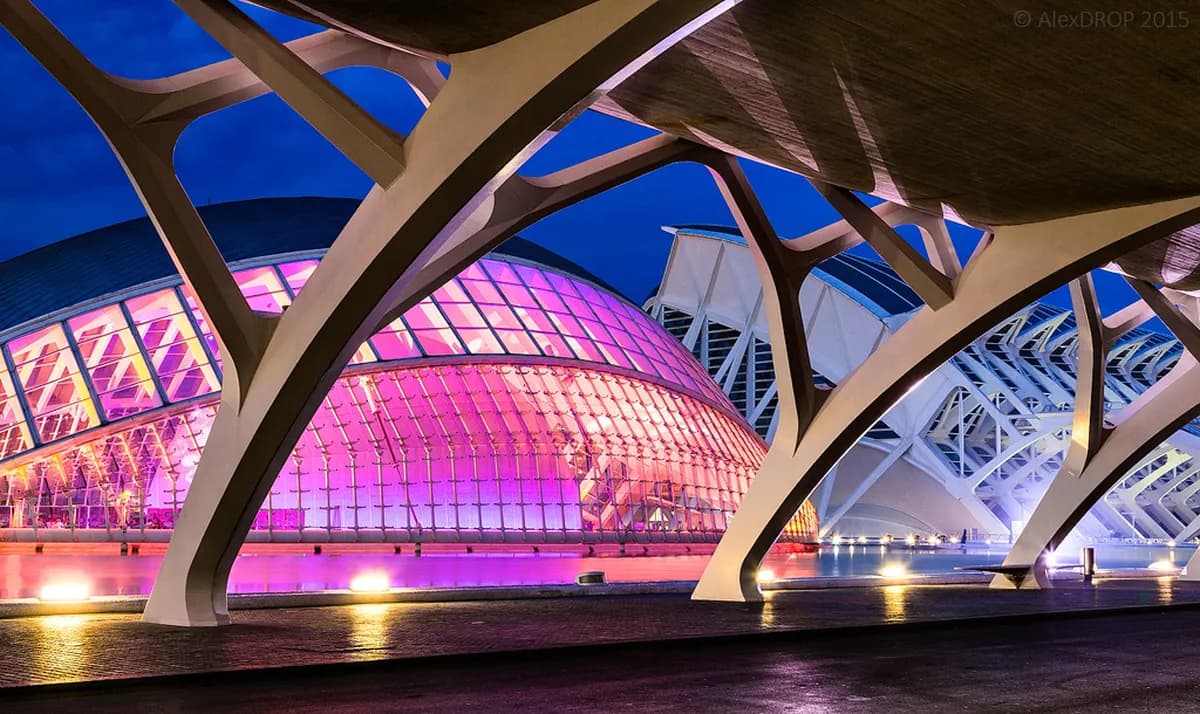
The best museums in Valencia offer a deep look into both the ancient past and the digital future. You can find everything from 17th-century palaces to futuristic structures designed by Santiago Calatrava. Planning your route carefully is key because many of these sites are spread across different neighborhoods.
Most municipal museums follow a specific schedule that can catch unprepared travelers off guard. I recommend checking the Monday rule, as almost every major cultural site closes for weekly maintenance. Sundays are the golden ticket for budget travelers because many entries become completely free of charge.
Almost every major museum closes on Mondays for maintenance, and most offer free entry on Sundays. The Museo de Bellas Artes is always free, while light in the courtyards is best in the morning.
The following list highlights the most significant collections currently open to the public. I have included a mix of fine arts, archaeological sites, and unique local traditions like the Fallas. Each entry provides the practical context you need to build a perfect daily itinerary.
- Centro de Arte Hortensia Herrero
- This private collection is housed in a beautifully restored 17th-century palace in the historic center.
- You can view Roman circus ruins beneath the modern art galleries for a unique historical contrast.
- Tickets cost €10 and the museum is open Tuesday through Saturday from 10 am to 8 pm.
- IVAM (Valencian Institute of Modern Art)
- This is the premier spot for 20th-century art and features a massive collection of Julio González sculptures.
- The basement contains a well-preserved section of the city's medieval defensive wall that is worth seeing.
- General entry is €5 but it is free on Sundays from 10 am to 7 pm.
- Museo de Bellas Artes de Valencia
- As the second-largest art gallery in Spain, it holds masterpieces by Goya, Velázquez, and El Greco.
- The building itself is a work of art with its striking blue dome and peaceful inner courtyards.
- Entry is always free and it remains open Tuesday through Sunday from 10 am to 8 pm.
- Museo Nacional de Cerámica
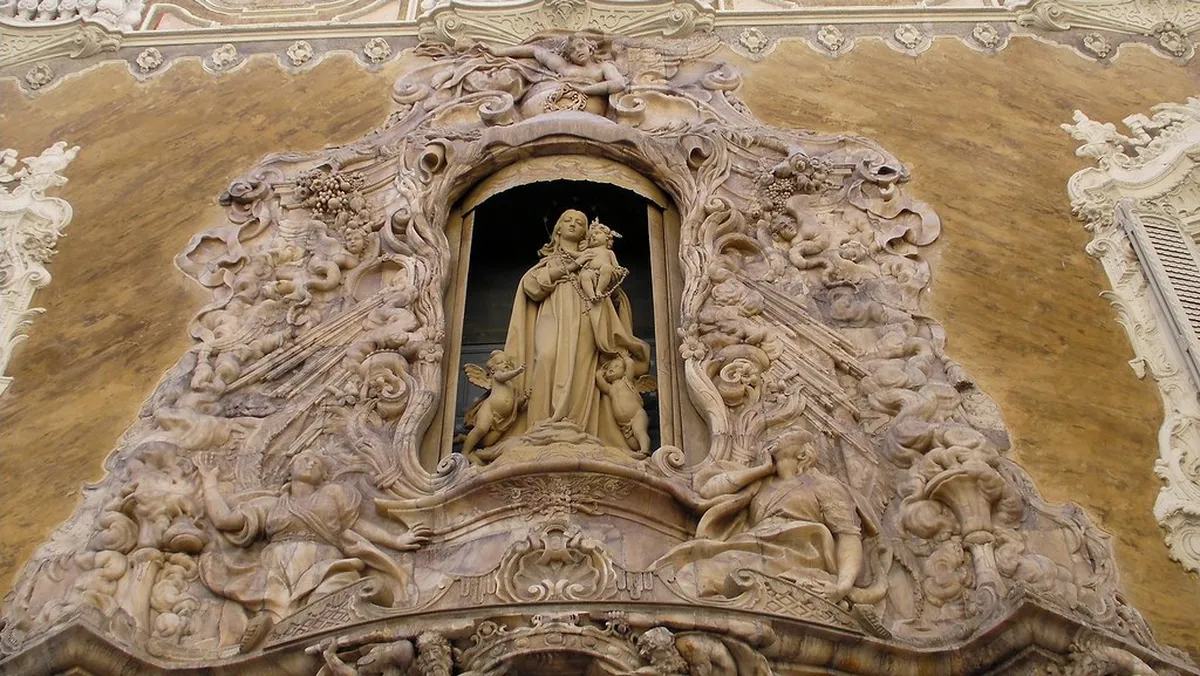
- Located in the Marqués de Dos Aguas Palace, this museum features an incredible alabaster portal.
- The rooms are filled with ornate furniture and ceramics dating back to the prehistoric era.
- Tickets are €3 and the site is free on Sunday mornings and Saturday afternoons.
- Centro Cultural del Carmen (CCCC)
- This former monastery now hosts experimental and immersive art exhibitions that change frequently.
- It is a favorite among locals for its quiet cloisters and cutting-edge digital installations.
- Admission is free for everyone and the doors are open Tuesday through Sunday until 9 pm.
- La Almoina Archaeological Museum
- Visitors walk on glass floors directly above the excavated ruins of the original Roman city.
- You can see ancient thermal baths and the remains of the first Christian baptistery in Valencia.
- Entry is roughly €2 and the museum is open Tuesday through Saturday from 10 am to 7 pm.
- Príncipe Felipe Science Museum
- This interactive museum is located within the famous City of Arts and Sciences complex.
- It is designed for hands-on learning and is the top choice for families traveling with children.
- Tickets are €9 per adult and it is open daily from 10 am until early evening.
- The Fallas Museum (Museo Fallero)
- This unique space preserves the 'ninots' or satirical figures that were saved from the annual fires.
- It provides essential context for the Fallas festival, which is the city's most important cultural event.
- Tickets cost €2 and entry is free on Sundays and public holidays.
- Bombas Gens Center for Digital Arts
- Housed in an old factory, this center focuses on digital and contemporary photography collections.
- The industrial architecture provides a gritty and modern backdrop for the rotating art displays.
- Prices vary by exhibition so check the official site before you plan your visit.
Centro de Arte Hortensia Herrero
The Centro de Arte Hortensia Herrero is the newest jewel in the city's cultural crown. Located in the Valeriola Palace, this space seamlessly blends contemporary art with ancient history. I was particularly struck by how the restoration revealed a segment of the Roman circus.
The collection features works by internationally renowned artists like Anish Kapoor and Andreas Gursky. Each room is carefully curated to interact with the architecture of the 17th-century building. Expect to spend at least two hours here to fully appreciate the scale of the installations.
Booking your tickets online is highly recommended as entry slots can fill up during peak season. The museum sits in the vibrant San Francesc neighborhood, making it easy to reach on foot. Do not miss the chapel area, which features stunning modern interventions in a sacred space.
IVAM (Valencian Institute of Modern Art)
The IVAM remains a cornerstone for anyone interested in the evolution of modern art in Spain. Its permanent collection of Julio González is world-renowned for its influence on iron sculpture. The galleries are spacious and often host significant temporary exhibitions from international partners.
One of the most surprising features is the medieval wall located in the basement level. It offers a stark contrast to the abstract paintings and avant-garde sculptures on the floors above. This museum is a perfect stop if you are exploring the western edge of the old town.
If you visit on a Sunday, you can enjoy the entire collection without paying an entry fee. The gift shop is also one of the best in the city for unique art books and prints. Most visitors find that 90 minutes is enough time to see the main highlights comfortably.
Museo de Bellas Artes de Valencia
The Museo de Bellas Artes is often overlooked by tourists, which is a major mistake. It is the second-largest art gallery in the country and is completely free things to do in Valencia. The collection of 14th and 15th-century Gothic altarpieces is among the finest in the world.
Walking through the Goya and Velázquez rooms feels like a private tour of Spanish history. The building is located just across the riverbed from the historic center, near the Royal Gardens. I love the quiet atmosphere here, which allows for a much more intimate viewing experience.
The iconic blue dome of the building serves as a great landmark for finding the entrance. According to the museum's official page, the collection includes over 2,000 works of art. Plan to visit in the morning when the light in the courtyards is most beautiful.
Museo Nacional de Cerámica
The Museo Nacional de Cerámica is housed in the most spectacular Rococo palace in the city. Even if you are not a fan of pottery, the exterior alabaster portal is worth the trip alone. It represents the peak of 18th-century Valencian wealth and architectural ambition.
Inside, the rooms are preserved with original furniture and incredible silk wall coverings. The ceramic collection spans centuries, showing how the region became a global leader in the craft. You can find this museum tucked away in the narrow streets near the Plaza de la Reina.
The entry fee is very low, making it an excellent value for budget-conscious travelers. Be sure to check the upper floors for the traditional Valencian kitchen display. This museum is closed on Mondays, so plan your visit for a Tuesday or Wednesday instead.
Centro Cultural del Carmen (CCCC)
The Centro Cultural del Carmen is where the city's creative heart beats most loudly. It is located in a former convent and uses the historic cloisters to host modern art. The contrast between the ancient stone arches and colorful street art is truly striking.
This is one of the most family-friendly spaces in the city due to its open courtyards. Many exhibitions are interactive or designed to be immersive for visitors of all ages. It serves as a cultural hub for the El Carmen neighborhood and is always free to enter.
I recommend checking their social media for special events or evening workshops. The space is large, so it rarely feels crowded even on busy weekend afternoons. It is the perfect place to escape the heat and enjoy a quiet moment of reflection.
La Almoina Archaeological Museum
La Almoina offers a literal look at the layers of history beneath your feet. The museum is built over the site where the Romans founded the city in 138 BC. Walking on the glass walkways gives you a bird's-eye view of the ancient streets and baths.
It is located right next to the Cathedral, making it an easy addition to a walking tour. The displays explain how the city transitioned from Roman to Visigothic and then Moorish rule. Most visitors spend about an hour here exploring the various archaeological pits.
The museum is quite small, so it is rarely overwhelming for those with limited time. Sunday entry is free, but expect a short queue during the middle of the day. According to local guides, this is the most important historical site in the city center.
Príncipe Felipe Science Museum
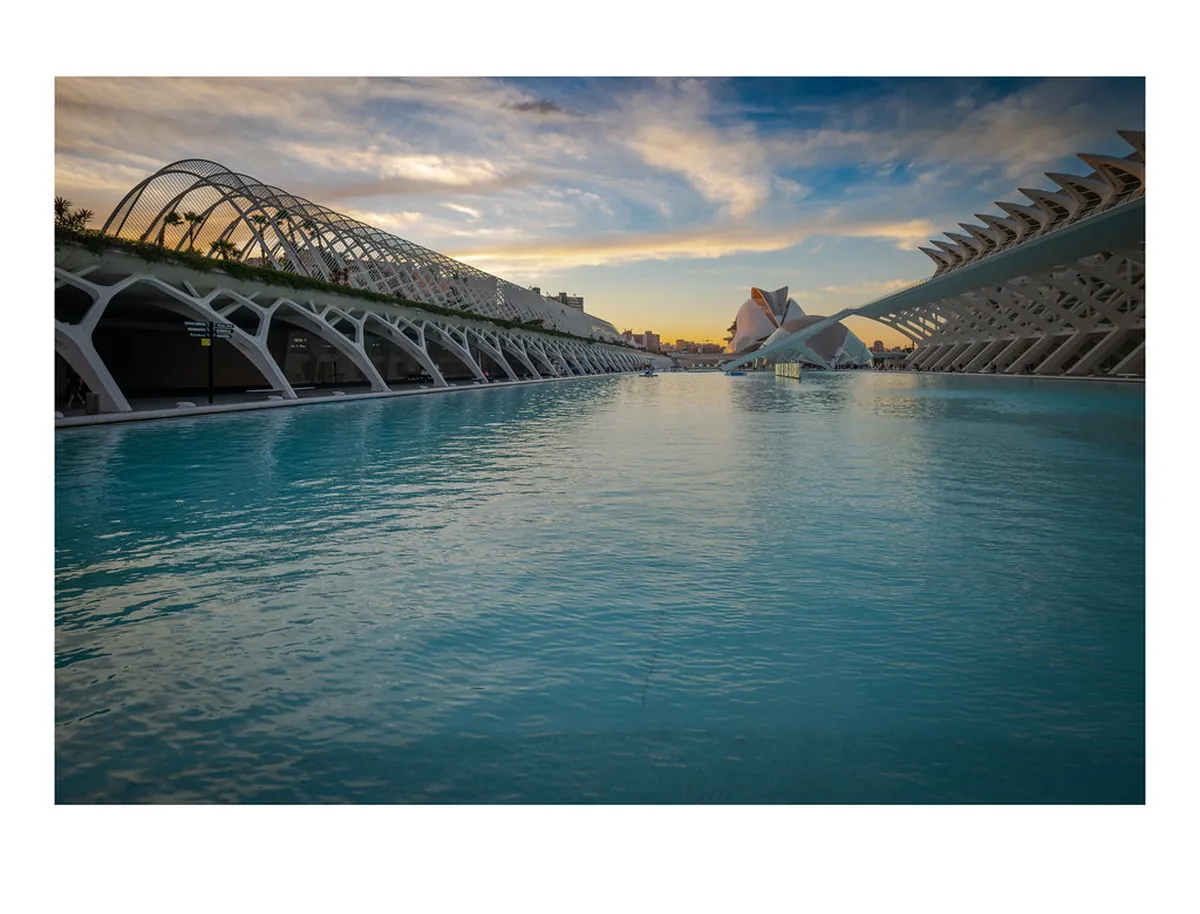
The Science Museum is the centerpiece of the city of arts and sciences Valencia guide. Its skeleton-like architecture is one of the most photographed spots in all of Spain. Inside, the philosophy is 'forbidden not to touch,' encouraging visitors to interact with every display.
This museum is particularly great for things to do in Valencia with kids. The exhibits cover everything from space exploration to the biology of the human body. You can buy a combined ticket that includes the nearby aquarium and the Hemisfèric cinema.
The building is enormous, so wear comfortable shoes for a lot of walking. During the summer, the museum stays open later to accommodate the large crowds. I suggest visiting the exterior at sunset when the white structures glow against the blue pools.
The Fallas Museum (Museo Fallero)
The Fallas Museum is essential for understanding the local obsession with fire and satire. Every year, the public votes to save one figure from the flames of the Fallas festival. These 'saved' figures are housed here, dating back several decades into the city's past.
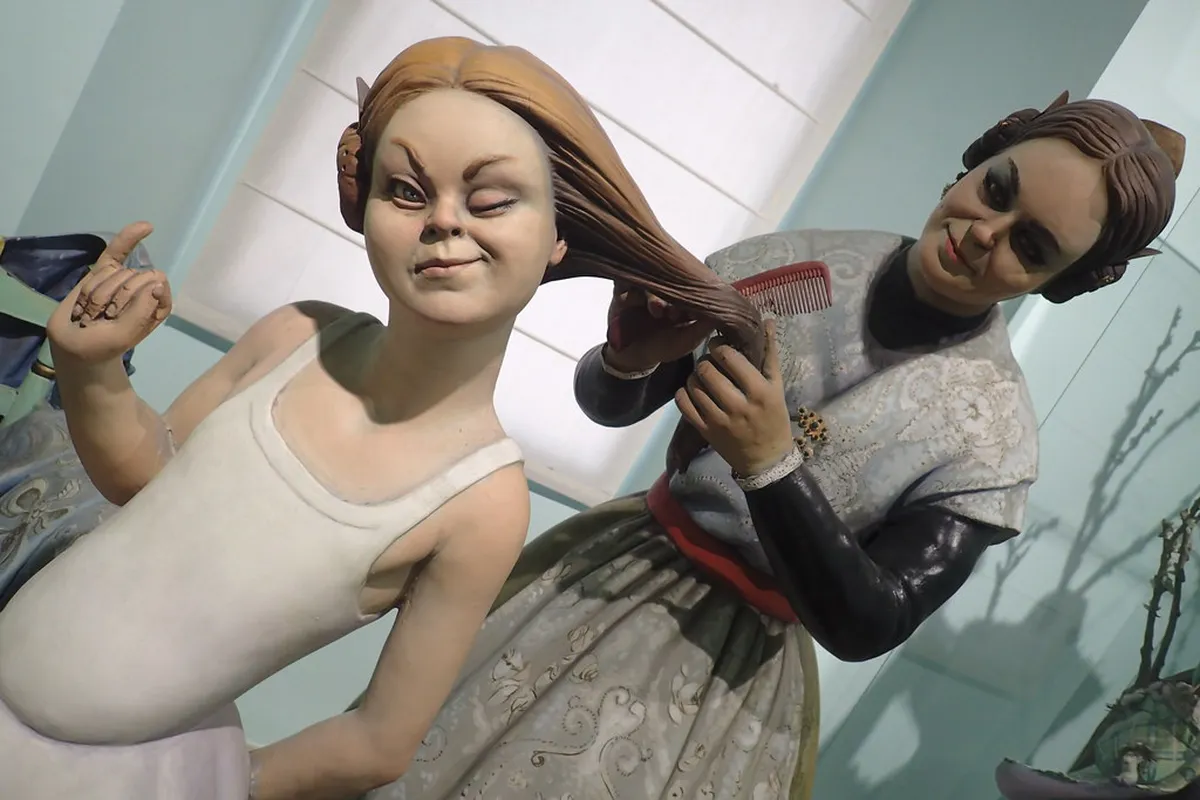
The museum is located near the Turia Park, slightly outside the main tourist center. It is a budget-friendly option that offers a deep dive into Valencian folklore and craftsmanship. You can see how the styles of the figures have changed from wax to modern materials.
I find the posters from past festivals to be just as interesting as the figures themselves. The museum provides a great alternative if you cannot visit during the actual festival in March. Most people spend about 45 minutes to an hour here before heading into the park.
Practical Guide: Tickets, Passes, and FAQs
Navigating the museum scene requires a bit of strategic planning to save money and time. You should definitely consider the Valencia Tourist Card guide for free entry to municipal sites. This card also includes unlimited public transport, which is helpful for reaching the Science Museum.
If you have limited time, I suggest skipping the Science Museum interior unless you have children. The exterior architecture is the real highlight, and your time might be better spent at the Fine Arts Museum. Always double-check the 'Monday Rule' as almost every museum in this list will be closed.
For a broader view of the city, Valencia Bus Tours can connect several of these cultural stops. This is a great way to see the city's layout while moving between the historic center and the coast. Keep a small amount of cash for the smaller municipal museums that may have finicky card readers.
Frequently Asked Questions
Which museums in Valencia are free on Sundays?
Most municipal museums, including the IVAM, Museo Nacional de Cerámica, and the Fallas Museum, offer free entry on Sundays. The Museo de Bellas Artes is always free. Check official sites for specific morning or afternoon time slots.
Is the Valencia Tourist Card worth it for museum entries?
Yes, the card is worth it if you plan to visit at least three municipal museums and use public transport. It provides free entry to sites like La Almoina and discounts for the Science Museum. It simplifies your logistics significantly.
Are Valencia museums closed on Mondays?
Almost all major museums in Valencia are closed on Mondays for maintenance. The Science Museum is a notable exception as it usually stays open daily. Always verify the specific schedule for private galleries like Hortensia Herrero.
Valencia is a city that rewards those who step inside its historic buildings and modern galleries. From the ancient ruins of La Almoina to the digital art at Bombas Gens, the variety is truly impressive. I hope this guide helps you find the perfect cultural stops for your next Mediterranean adventure.
Remember to take advantage of the free Sunday entry times to maximize your travel budget. Whether you are an art historian or a casual visitor, these museums offer a window into the soul of Valencia. Enjoy your journey through the art and history of this beautiful Spanish destination.
You might also like


Continue reading
More guides you'll find useful


