14 Best Day Trips from Valencia (2026)
Discover the best day trips from Valencia. Our guide covers 14 top destinations including Albufera, Xàtiva, and Peñíscola with expert transport and dining tips.
On this page
14 Best Day Trips and Local Getaways from Valencia
After exploring the Turia riverbed for years, I have found that the true soul of this region often lies just beyond the city limits. Many travelers ask is Valencia worth visiting for more than a weekend, and my answer always involves these diverse surrounding landscapes. From the rugged mountains of the interior to the sun-drenched shores of the Costa Azahar, the variety here is truly staggering. I recently returned from an autumn scouting trip to refresh these recommendations for the 2026 season.
The siesta period (2 PM to 5 PM) is a real factor in small towns. Many restaurants and shops close during these hours. Plan your museum visits for the morning to avoid arriving at locked doors.
| Destination | Distance | Travel Time | Best For |
|---|---|---|---|
| Albufera | 15 km | 30 min | Paella & boat tours |
| Xàtiva | 80 km | 50 min train | Historic castle |
| Peñíscola | 200 km | 2.5 hours | Templar castle & beaches |
| Montanejos | 90 km | 1.5 hours | Thermal springs |
Updated January 2026 after my latest visit to the Utiel-Requena wine region. Planning a successful getaway requires understanding the local rhythm, especially the mid-afternoon pause known as the siesta. Consulting the best time to visit Valencia will help you align your trips with local festivals and ideal hiking weather. This guide breaks down the most rewarding excursions based on travel time, cost, and unique local experiences.
14 Best Day Trips and Local Getaways from Valencia
The following destinations are organized into three thematic clusters to help you choose the right vibe for your day. Coastal Escapes focus on the Mediterranean's blue waters, while Historical Strongholds take you through Roman and medieval history. Natural Wonders offer a breath of fresh air for those looking to hike or swim in thermal springs. Each location is reachable within two hours, making them perfect for a quick return to the city by dinner.

Coastal gems like Peñíscola and Port Saplaya offer vastly different experiences despite their shared proximity to the sea. History buffs should prioritize Xàtiva and Sagunto, where ancient ruins dominate the skyline. If you prefer the mountains, the hanging bridges of Chulilla or the blue pools of Montanejos provide a rugged alternative. Always check local train schedules before departing, as service frequency can drop significantly on Sundays.
- Albufera Natural Park and El Palmar
- This massive freshwater lagoon serves as the birthplace of authentic paella and offers stunning sunset boat tours.
- Expect to pay roughly $5 to $8 for a 45-minute boat ride through the reeds.
- The park is open 24/7, but boat operators typically work from 10am until sunset.
- Visit the village of El Palmar for a traditional lunch before the afternoon siesta begins.
- Xàtiva and its Castle of a Thousand Battles
- A magnificent fortress stretches across a mountain ridge overlooking this historic town with deep ties to the Borgia family.
- General admission to the castle costs about $6 per adult and includes access to the small onsite museum.
- The gates are open from 10am to 6pm in winter and stay open until 8pm during summer months.
- Walking up the hill is steep, so consider taking the small tourist train from the town center.
- Sagunto Roman Theater and Castle
- Ancient Roman history comes alive at this sprawling hilltop site featuring a well-preserved theater and a massive fortress.
- Entry to the main archaeological sites is currently free, though some special exhibitions may charge a small fee.
- The site is open Tuesday through Saturday from 10am to 8pm and has shorter hours on Sundays.
- Wear sturdy shoes because the terrain is rocky and the climb to the top is quite long.
- Requena Wine Caves and Medieval Quarter
- Deep beneath the town square lies a network of medieval caves used for storing wine and grain for centuries.
- Guided tours of the Murviedro or Cuevas de la Villa cost between $5 and $10 per person.
- Most caves are open from 10:30am to 2pm and reopen from 4pm to 7pm after the siesta.
- Combine a cave tour with a tasting of local Bobal wine at a nearby bodega.
- Peñíscola and the Pope’s Castle by the Sea
- Known as the 'Gibraltar of Valencia,' this fortified seaport features a stunning Templar castle jutting into the Mediterranean.
- Tickets to the castle cost approximately $5 and provide access to the lighthouse and gardens.
- The monument is open daily from 9:30am to 9:30pm during the peak summer season.
- Game of Thrones fans will recognize several filming locations throughout the narrow, white-washed streets.
- Montanejos Thermal Springs and River Swims
- Natural hot springs maintain a constant temperature of 25 degrees Celsius, making them popular for year-round swimming.
- Access to the main 'Fuente de los Baños' area costs about $3 during the high summer season.
- The swimming area is technically open 24/7, but facilities like lockers operate from 10am to 6pm.
- Arrive before 11am on weekends to secure a spot on the rocky riverbanks before the crowds arrive.
- Chulilla and the Hanging Bridges Adventure
- Hikers flock to this white village to cross wooden suspension bridges dangling over the Turia River canyon.
- There is no fee for the hike itself, but the town often charges a $5 parking fee on weekends.
- The trail is accessible 24/7, though hiking in the dark is not recommended due to steep drops.
- Bring plenty of water as the canyon traps heat even during the cooler autumn months.
- Albarracín and its Medieval Pink Stone Walls
- Often cited as Spain's most beautiful village, this town is famous for its unique pink-hued architecture and Moorish walls.
- Wandering the streets is free, while guided tours of the cathedral cost roughly $4 per person.
- Museums and the cathedral generally open at 11am and close for a long break at 2pm.
- Parking is strictly regulated at the entrance of the town, so use the large designated lot.
- Port Saplaya the Little Venice of Alboraya
- This colorful residential marina features houses painted in warm ochre and red tones surrounding quiet boat moorings.
- Walking around the docks and the beach is free and provides great photo opportunities.
- The area is a public neighborhood and is accessible at any time of the day or night.
- Stop at a local horchatería for a glass of tiger nut milk, a specialty of this specific district.
- Morella and the Gothic Walled Wonder
- A massive castle crown sits atop a conical hill, surrounded by over two kilometers of perfectly preserved medieval walls.
- Entrance to the castle and the convent of San Francisco costs about $5 for adults.
- Operating hours are typically 11am to 7pm, though the castle closes earlier during the winter.
- Try the 'flaons,' a local sweet pastry filled with cottage cheese and honey, found in most bakeries.
- Cullera Castle and the Sanctuary of the Virgin
- This coastal town offers a mix of sandy beaches and a 13th-century fortress with sweeping bay views.
- The castle entrance fee is approximately $3 and includes access to the municipal museum.
- Visitors can enter from 10am to 2pm and again from 5pm to 8pm in the summer.
- Take the winding 'Camino del Calvario' path for a scenic walk up to the chapel and fortress.
- Vilafamés and the Museum of Contemporary Art
- Red sandstone buildings and narrow alleys lead to one of the region's best modern art collections.
- Tickets for the museum are roughly $3, and the castle ruins at the top are free.
- The museum is open from 10am to 2pm and 4pm to 7pm on most weekdays.
- Look for the 'Roca Grossa,' a massive boulder that seems to be sliding down the main street.
- Teruel and the Mudejar Architecture
- This city is a UNESCO World Heritage site famous for its intricate brickwork and ceramic tile towers.
- Visiting the cathedral and its ornate ceiling costs around $6 per person.
- Monuments are generally open from 11am to 2pm and 4pm to 8pm daily.
- The Mausoleum of the Lovers of Teruel is a must-see for those interested in local legends.
- Serra d'Espadà Natural Park
- Cork oak forests and red sandstone peaks offer some of the most shaded and green hiking near Valencia.
- Access to the park and its various trailheads is free for all visitors.
- The park is open 24/7, but it is best to visit during daylight hours for safety.
- Visit the village of Aín for a quiet lunch in a setting that feels worlds away from the coast.
What to Skip: The Tourist Traps to Avoid
While Benidorm is a famous name, I often suggest skipping it if you only have one day for an excursion. The city is dominated by skyscrapers and massive crowds that can feel overwhelming compared to the charm of Peñíscola. Unless you specifically want a British-style pub experience, your time is better spent in the authentic Spanish villages nearby. Parking in Benidorm during the summer is also a nightmare that can eat up hours of your precious day.
Be wary of visiting popular beaches like those in Cullera on August weekends. The density of people can make it difficult to even find a place to put your towel. Instead, head inland to the river pools or visit the coastal towns on a Tuesday or Wednesday. You will find a much more relaxed atmosphere and better service at local restaurants during the week.
Where to Eat: A Regional Gastronomy Guide
Eating outside the city offers a chance to try hyper-local variations of Valencian staples. In El Palmar, you should look for 'Arroz a banda,' a dish where the rice is cooked in fish stock and served separately. This differs from the standard paella found in best restaurants in Valencia which often features meat and beans. Always ask for the 'all i pebre,' a spicy garlic and pepper eel stew that is a local delicacy.
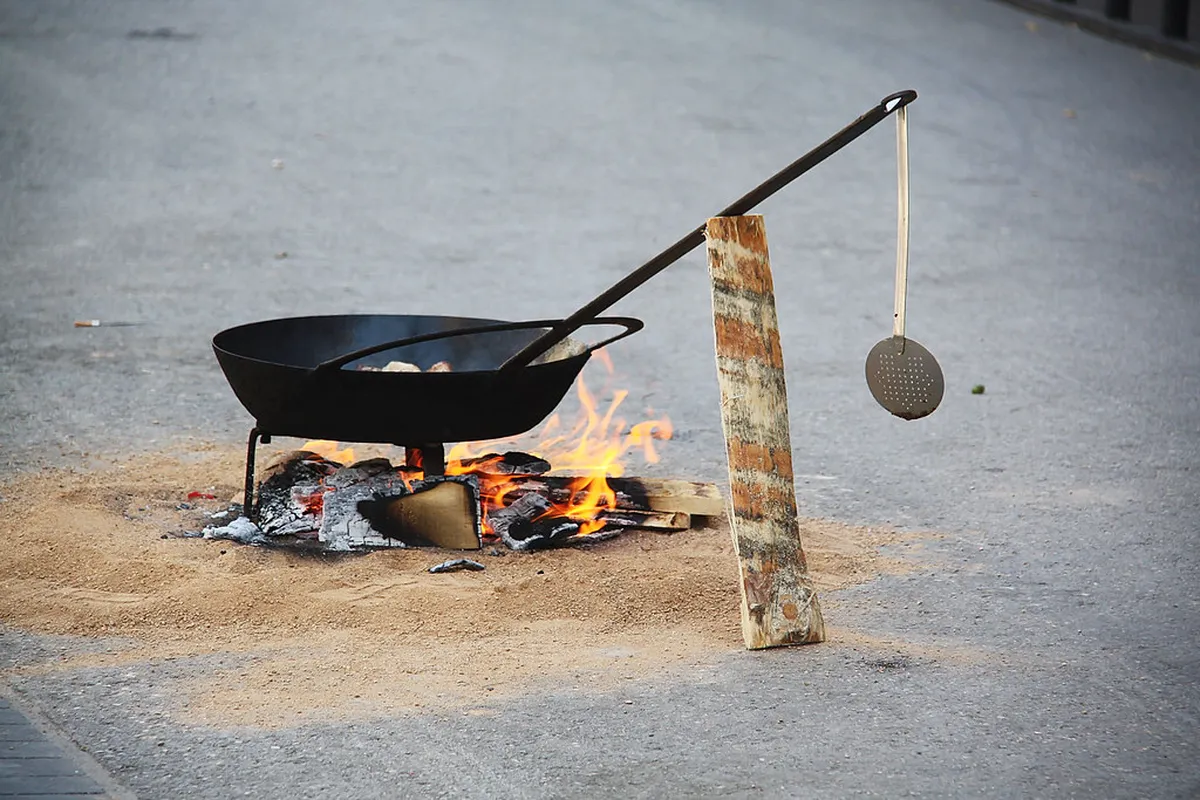
Wine lovers must head to Requena to sample the Bobal grape, which produces deep, fruity reds. Many bodegas offer tastings for under $15, often including a plate of local 'embutido' or cured meats. Remember that most restaurants in smaller towns serve lunch strictly between 1:30pm and 3:30pm. If you miss this window, you may find yourself limited to small snacks until dinner service begins at 8pm.
Transport Guide: Getting Around the Region
Navigating the local rail system is the most cost-effective way to see the sights. The Renfe Cercanías lines connect the city to Xàtiva, Sagunto, and Cullera for just a few euros. Be sure to validate your ticket at the red machines before boarding to avoid heavy fines. For longer distances, use Trainline to book Media Distancia trains which have fewer stops and more comfort.
Renting a car is essential for reaching rural spots like Albarracín or Montanejos. Most rental agencies are located near the main train station or the airport for easy pickup. When driving, keep in mind that parking in medieval villages is often restricted to residents only. Check the EMT Valencia trip planner for bus connections to closer spots like Port Saplaya.
Understanding getting around Valencia helps you transition smoothly from the city metro to the regional trains. The Estació del Nord is the primary hub for most day trip departures and is a landmark in its own right. Always carry some cash for small-town buses or parking meters that might not accept international cards. Digital tickets are becoming more common, but having a printed backup is wise in remote mountain areas.
Essential Valencia Day Trip Tips
The siesta is a real factor that can derail your plans if you are not prepared. In towns like Requena or Morella, almost every shop and monument will close from 2pm until 5pm. Use this time for a long, leisurely lunch or a siesta of your own in a shady park. Planning your museum visits for the morning ensures you don't arrive at a locked door.
Seasonal timing drastically changes the experience at Albufera Natural Park. During the winter, the rice fields are flooded to create a 'mirror' effect that is perfect for photography. September is harvest time, offering a chance to see traditional agricultural techniques in action. Check the weather patterns to avoid the humid heat of July and August for hiking trips.
Booking ahead is vital for popular attractions like the Peñíscola Castle or guided wine tours. If you plan to stay overnight, consider the Hotel Boutique La Mar for its incredible sea views. Most regional trains do not require reservations, but having your route mapped out saves time at the station. I recommend downloading offline maps as cell service can be spotty in the deep canyons of Chulilla.
Frequently Asked Questions
What is the best day trip from Valencia by train?
Xàtiva is the best choice for train travelers. The ride from Estació del Nord takes about 50 minutes on the C2 Cercanías line. The castle is a short walk or taxi ride from the station.
Can you visit Albufera and El Palmar in one day?
Yes, these two locations are right next to each other. You can take a boat trip on the lagoon and then walk into the village for lunch. Most visitors spend about 4 to 6 hours here.
Is a day trip to Madrid from Valencia worth it?
While the high-speed train takes only 1 hour and 45 minutes, Madrid is too large for a single day. You will spend most of your time traveling and only see a fraction of the city.
Valencia is a fantastic base for exploring the diverse landscapes of eastern Spain. Whether you choose the Roman ruins of Sagunto or the thermal waters of Montanejos, you will find a side of the country that many tourists miss. I suggest following a Valencia 3-day itinerary for the city itself before adding these excursions.
Remember to respect the local siesta hours and try the regional rice dishes whenever possible. These small details turn a standard sightseeing trip into a deep cultural experience. Enjoy your journey through the beautiful Valencian Community.
You might also like


Continue reading
More guides you'll find useful