Getting Around Valencia Travel Guide
Plan getting around valencia with top picks, neighborhood context, timing tips, and practical booking advice for a smoother trip.
On this page
Getting Around Valencia
Valencia is a flat city that makes exploring on foot or wheels very easy for every visitor.
Getting around Valencia efficiently depends on choosing the right transport mode for your specific neighborhood and daily goals.
Most travelers start their journey with a quick transfer from the airport via the modern metro system.
This guide covers every transit option to help you navigate the city like a local expert.
Must-See Getting Attractions
Visitors find that many iconic landmarks sit within a comfortable walking distance in the historic center. The narrow streets of El Carmen are best explored without a vehicle to fully enjoy the architecture. Walking allows you to stumble upon hidden plazas that buses simply cannot reach.
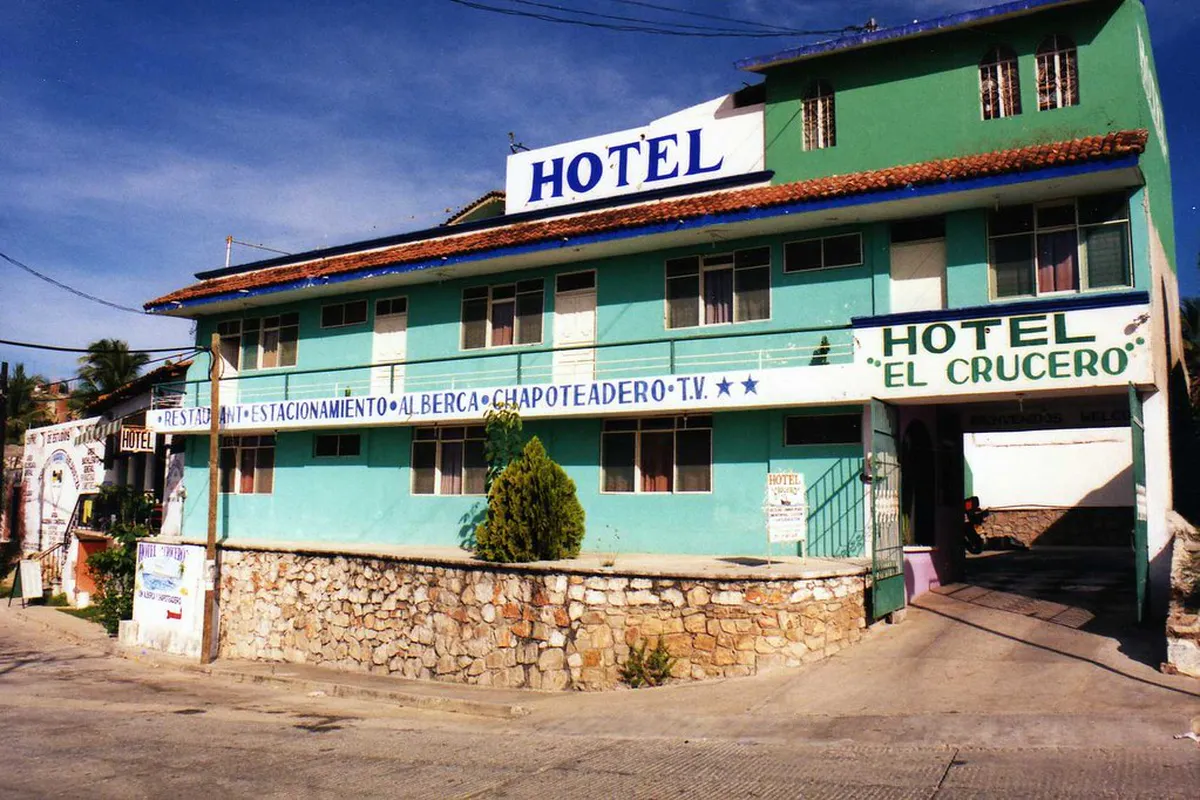
Reaching the famous beaches in Valencia requires a short trip on the tram or bus from the city center. Lines 4 and 6 of the tram system connect the northern neighborhoods directly to the Mediterranean shore. These routes run frequently during the summer months to accommodate the sun-seeking crowds.
The futuristic City of Arts and Sciences is another major hub accessible by multiple bus lines. You can take the number 95 bus, which travels along the scenic riverbed route. This specific line offers a beautiful view of the park while you transit between major sights.
Museums, Art, and Culture in Getting
Most cultural sites are concentrated in areas with excellent public transport links and clear signage. The IVAM and Fine Arts Museum are easily reached by the extensive bus network that circles the old city walls. Using a transit app helps you track real-time arrivals so you never miss a gallery opening.
Accessing the historic Silk Exchange or the Cathedral is easiest if you use the metro to Xàtiva or Colón stations. These central hubs place you within a five-minute walk of the most significant gothic buildings. Many visitors find that a Valencia 3-day itinerary works best when grouping these cultural stops by their metro proximity.
Art lovers should consider the tram for reaching smaller galleries in the maritime district or the university zone. The tram system is clean, reliable, and offers a smoother ride than the city buses on cobbled streets. It provides a relaxed way to see the city's street art as you move between destinations.
Parks, Gardens, and Outdoor Spots in Getting
The Turia Park serves as the green backbone of the city and a primary transit corridor for pedestrians. This nine-kilometer park allows you to cross the entire city without ever encountering a traffic light. It is the most pleasant way to move between the western zoo and the eastern port area.
Cycling is the preferred method for many locals navigating the Turia Gardens due to the dedicated bike paths. You can rent a bike for a few hours to enjoy the fresh air and lush scenery. The park stays well-lit at night, making it a safe and scenic route for evening travel.
Connecting to the outlying Albufera Natural Park usually requires a specific bus or a private car rental. The number 24 and 25 buses depart from the city center and reach the lake in about forty-five minutes. These routes are affordable and offer a direct link to the famous rice fields and sunset boat tours.
Family-Friendly and Budget-Friendly Options in Getting
Families often find the most value by purchasing the Valencia Tourist Card Online before they arrive. This card offers unlimited travel on buses, metros, and trams for a set period of 24, 48, or 72 hours. It also includes free entry to municipal museums, which helps keep the daily budget under control.
Budget-conscious travelers should look into the Suma card for discounted multi-trip fares across different transport modes. This card allows you to transfer between the bus and metro for free within a 90-minute window. It is a significant saving compared to buying individual single tickets for every leg of your journey.
Walking remains the most budget-friendly way to see the city while staying active. Many of the best sights are clustered together, so you only need transport for longer hauls to the beach or outskirts. Planning your day around a specific neighborhood helps minimize transit costs and maximizes your time at each attraction.
How to Plan a Smooth Getting Attractions Day
A successful day of sightseeing starts with choosing a strategic base in the city. Knowing where to stay can significantly reduce the time you spend commuting between landmarks. Central locations allow you to return to your room for a quick break before heading out for dinner.

Try to avoid using the metro or buses during the morning rush between 8:00 AM and 9:30 AM. The carriages can get quite crowded with students and office workers heading into the city center. Mid-morning and early afternoon are the best times for a comfortable and seated journey.
Download the official EMT Valencia app to check live bus times and route maps on your phone. The app also provides updates on any service changes or temporary route diversions due to local festivals. Having this information at your fingertips prevents unnecessary waiting at hot bus stops during the summer.
Tips for driving around Valencia
Driving in the city center can be challenging due to one-way systems and restricted access zones. Many streets in the historic heart are reserved for residents or public transport only. Violating these rules can result in heavy fines captured by automated traffic cameras.
Parking is another hurdle that requires careful planning and a bit of patience. Blue zones indicate paid street parking, while orange zones are typically reserved for local residents. Using a public underground parking garage is often the safest and most convenient option for visitors with cars.
In 2026, the city continues to enforce low emission zones to improve air quality for residents. Ensure your vehicle has the correct environmental sticker if you plan to drive into the central districts. Most rental cars will already have this, but it is always worth double-checking with the agency.
| Zone Color | Type | Cost |
|---|---|---|
| Blue | Paid hourly | ~1-3 EUR/hour |
| Orange | Resident only | Restricted |
| Yellow | No parking | Fines apply |
| White | Free parking | Free |
Metro in Valencia
The Metrovalencia system is one of the most efficient ways to travel longer distances across the city. It consists of nine lines that combine underground metro trains with street-level trams. The network is divided into simple zones, with most tourist attractions located within Zone A.
You can easily reach the Renfe station for regional trips using the metro lines. The system is well-integrated with the suburban Renfe trains for those planning day trips. This connectivity makes it simple to explore the wider Valencian community without needing a car.
Tickets can be purchased at automated machines found in every station, which offer multiple language options. Remember to validate your ticket at the gates both when entering and exiting the station. Keeping your ticket until the end of the trip is essential to avoid any issues with inspectors.
Using your own car or scooter in Valencia
Scooters are a very popular choice for locals because they can easily navigate through narrow streets. They are much simpler to park than cars and offer more flexibility for quick trips across town. However, you must follow strict parking rules and only use designated spaces on the pavement.
Theft can be a concern for high-end bicycles and scooters parked on the street overnight. Always use a heavy-duty lock and try to park in well-lit areas with high foot traffic. Many hotels offer secure internal parking for guests, which provides much better peace of mind.
Local drivers can be quite assertive, so staying alert is important when navigating busy intersections. Always use your indicators and be mindful of the many cyclists sharing the road with you. Understanding the local flow of traffic will make your driving experience much more relaxed.
Cycling in Valencia & Bike Rentals
Valencia is widely considered one of the most bike-friendly cities in Spain due to its flat terrain. The city has invested heavily in a network of protected bike lanes that connect all major neighborhoods. This makes cycling a fast, safe, and environmentally friendly way to get around.
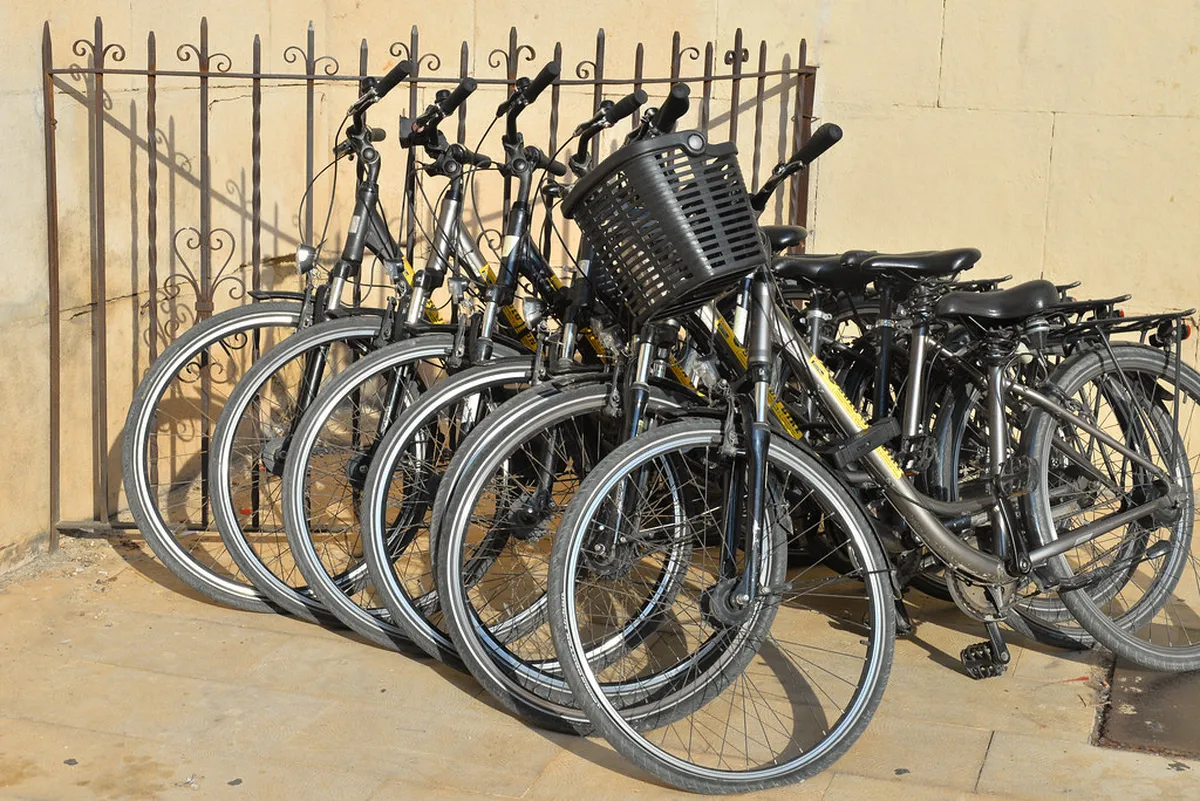
Valenbisi is the city's public bike-sharing scheme, offering hundreds of stations for short-term use. You can sign up for a weekly pass at any station terminal using a credit card. It is perfect for quick hops between attractions where you don't want to worry about long-term parking.
Private rental shops offer high-quality trekking bikes and e-bikes for those who want to ride longer distances. These shops often provide helmets, locks, and local maps to help you plan your route. E-bikes are particularly useful if you plan to cycle against the wind along the coastal paths.
Discover the Benefits of Expat Rentals
Long-term visitors and expats often find that traditional rentals are not the most cost-effective solution. Options like a bike subscription provide a personal bicycle without the upfront cost of buying one. This service often includes maintenance and theft insurance, making it a worry-free choice for residents.
Monthly public transport passes offer significant savings for those staying in the city for more than a few weeks. These passes provide unlimited travel across all zones and modes for a fixed monthly fee. You will need to apply for a personalized card at a metro office to access these rates.
Scooter leasing is another growing trend for expats who need a motorized vehicle for their daily commute. These leases are more flexible than traditional ownership and often include all necessary gear. It allows you to enjoy the convenience of a scooter without the long-term commitment of a purchase.
For the full picture, see our complete things to do in Valencia guide.
Frequently Asked Questions
Is it easy to get around Valencia without a car?
Yes, Valencia is very easy to navigate without a car due to its flat terrain and compact center. Most major attractions are reachable via the efficient metro, tram, and bus networks. Many visitors find that walking or cycling is often faster than driving in the city. Consider if is Valencia worth visiting for its walkable layout alone.
What’s the best option for getting around Valencia for a weekend?
The best option for a short trip is the Valencia Tourist Card. It offers unlimited public transport and free entry to several museums. For those on a tighter budget, a 10-trip Suma card is a great alternative. This card covers buses, metros, and trams within the city center zones.
How much time should you plan for getting around Valencia?
Plan for about 20 to 30 minutes for most cross-city trips using public transport. Walking between central landmarks usually takes 10 to 15 minutes. If you are heading to the beach or the Albufera park, allow at least 45 minutes for the journey. Traffic can slow down buses during peak evening hours.
Navigating Valencia is a stress-free experience when you understand the local transit options available.
Whether you choose the modern metro, a scenic bike ride, or a simple walk, the city is built for easy movement.
Use this guide to choose the best transport mode for your next Mediterranean adventure.
You might also like


Continue reading
More guides you'll find useful