

10 Things to Know for Your City of Arts and Sciences Valencia Guide
Plan your visit with our City of Arts and Sciences Valencia guide. Includes ticket tips, Calatrava architecture insights, and local food recommendations.
On this page
10 Things to Know for Your City of Arts and Sciences Valencia Guide
Valencia's skyline changed forever when this futuristic complex opened its doors to the world. This City of Arts and Sciences Valencia guide helps you navigate the massive white structures and blue pools. You will find everything from marine life to deep space cinema within this cultural hub. Planning ahead ensures you see the best of this Spanish landmark without feeling overwhelmed.
Many travelers wonder is Valencia worth visiting for modern architecture alone. The answer is a resounding yes once you see these organic shapes in person. The site blends science, nature, and art across several distinct buildings. Each corner offers a new perspective on how modern design can transform an urban space.
History and Vision of the Complex
The complex sits at the end of the lush Turia Gardens riverbed. It represents a bold shift toward modern tourism and scientific education for the city. Architects began this ambitious project in the late 1990s to revitalize the area. Today, it stands as a global symbol of Spanish innovation and design.
4. 3
Local leaders wanted to create a cultural destination that could rival major European capitals. They succeeded by turning a former riverbed into a futuristic wonderland. Visitors often feel like they have stepped into a science fiction movie set. The bright white structures contrast beautifully with the surrounding green parkland.
Santiago Calatrava’s Architectural Impact
Santiago Calatrava is the visionary architect behind most of these iconic structures. His style uses white concrete and glass to mimic organic forms like skeletons and eyes. The buildings appear to float on the shallow turquoise pools surrounding them. This design choice reflects the Mediterranean light and Valencia's connection to the sea.
Félix Candela also contributed by designing the striking roof of the aquarium. The collaboration between these two masters created a unique architectural language. Walking through the complex allows you to appreciate the scale of their engineering feats. Each building serves as a sculpture that changes as you move around it.
L’Hemisfèric: IMAX and Astronomy
L’Hemisfèric was the first building to open in the complex during the year 1998. It is shaped like a giant human eye that gazes out over the water. The 'eyelid' can actually open and close using a complex hydraulic system. Inside, you will find a massive IMAX cinema and a state-of-the-art planetarium.
This building serves as the perfect mid-day rest stop during your busy tour. The dark theater and comfortable seats offer a break from the Spanish sun. Most films focus on nature, space, or historical discoveries for all ages. Check the schedule early to pick a show in your preferred language.
Museu de les Ciències: Interactive Science
The Museu de les Ciències Príncipe Felipe follows a 'forbidden not to touch' philosophy. This interactive approach makes it one of the best things to do in Valencia with kids. You can participate in live experiments that explain physics and biology. The building itself resembles the skeleton of a whale stretching across the park.
Adults will find the DNA forest and zero-gravity simulators particularly fascinating. The museum spans three floors of engaging exhibits and temporary galleries. Plan to spend at least two hours here to fully enjoy the hands-on stations. The following table highlights the best exhibits for different age groups.
- The DNA Forest Exhibit
- Type: Biology interactive
- Best for: Adults and teens
- Where: First floor
- Cost: Included in ticket
- Space Simulator Experience
- Type: Motion ride
- Best for: Families with kids
- Where: Third floor
- Cost: Small extra fee
L’Oceanogràfic: Marine Life Exploration
As Europe’s largest aquarium, this site houses over 45,000 animals from diverse ecosystems. You can walk through a long glass tunnel while sharks swim directly overhead. Morning visits are best for avoiding the largest crowds in the popular tunnels. Try to arrive at opening time to enjoy the peaceful atmosphere.
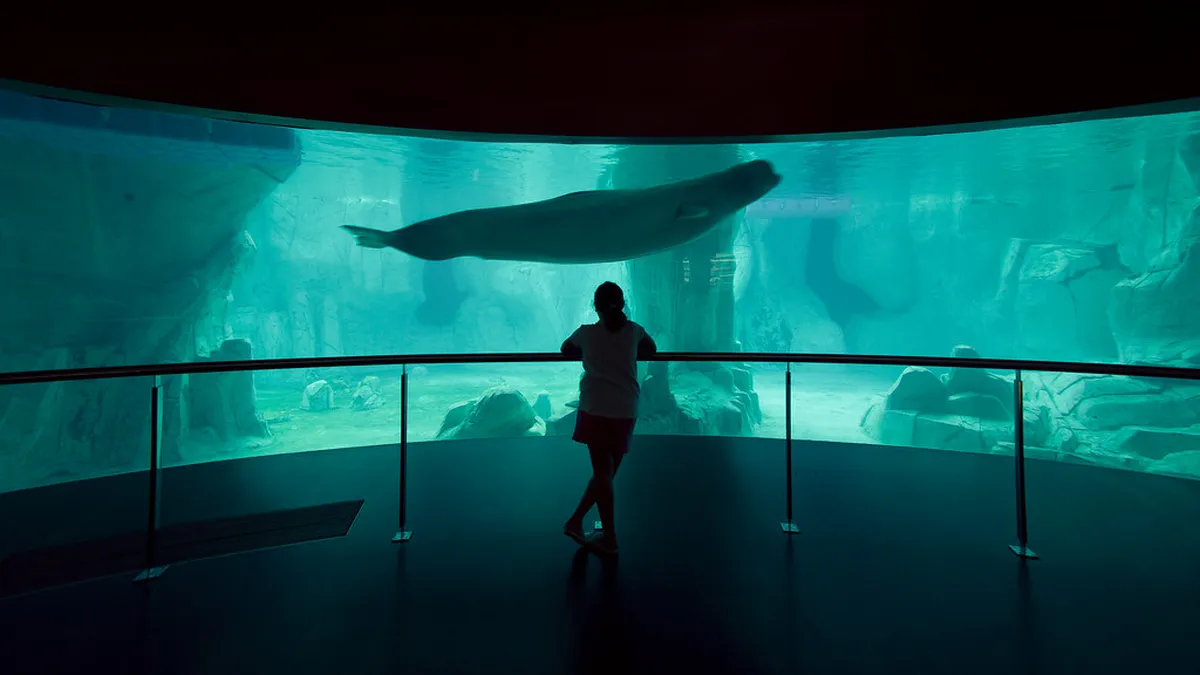
If you have limited time, follow the three-hour express route to see highlights. This path covers the Arctic belugas, the shark tunnel, and the dolphin show. Families should check the daily schedule for feeding times and educational presentations. These events provide deeper insights into marine conservation efforts in the Mediterranean.
Palau de les Arts: Culture and Opera
The Palau de les Arts Reina Sofia is a masterpiece of modern theater design. Its metallic shell looks like a futuristic helmet rising from the water. This venue hosts world-class opera, ballet, and symphonic music throughout the year. It is considered one of the finest acoustic spaces in all of Europe.
You do not need to attend a show to see the interior beauty. Technical visits are available for those interested in the engineering and stagecraft. These tours take you behind the scenes of the massive performance halls. Booking a tour in advance is highly recommended as group sizes are limited.
L’Umbracle and the Modern Bridges
L’Umbracle is a landscaped walk filled with plant species native to Valencia. It also serves as an open-air art gallery featuring contemporary sculptures. This elevated walkway provides some of the best views of the entire complex. It is a free area where you can relax and enjoy the architecture.
The Assut de l’Or Bridge is another striking feat of engineering nearby. Its curved pylon is the highest point in the city of Valencia. Photographers love this area for its clean lines and dramatic reflections. Use the coordinates below to find the most iconic photo angles.
- The Umbracle Terrace View
- Angle: Panoramic wide shot
- Best time: Golden hour
- Subject: All buildings
- Access: Free walkway
- Montolivet Bridge Reflection
- Angle: Low water level
- Best time: Night time
- Subject: Hemisfèric eye
- Access: Bridge sidewalk
Ticket Tips for Your City of Arts and Sciences Valencia Guide
Buying a combined ticket is the smartest way to save money on your visit. These passes allow you to see the museum, aquarium, and cinema over several days. You do not have to visit every building on the same afternoon. This flexibility is helpful when deciding how many days in Valencia you need.
Always book your City of Arts and Sciences Official Tickets online to skip the lines. Prices for 2026 may vary based on the season and special exhibitions. Keep your digital ticket on your phone for easy scanning at each entrance. Check for family discounts if you are traveling with children under twelve.
Local Gastronomy and Hidden Gems
The underwater restaurant at L’Oceanogràfic offers a luxury dining experience among the fish. It provides a stunning atmosphere but requires a significant financial investment. You must book several weeks in advance to secure a table for dinner. The experience is unique, though many locals prefer more traditional settings.

For a more authentic feel, pack a picnic to enjoy in the Turia park. You can find fresh local snacks at the nearby markets before your visit. Afterward, head into the city to learn where to eat paella in Valencia for a late lunch. This balance of modern sights and traditional food makes for a perfect day.
For the full picture, see our complete things to do in Valencia guide.
Frequently Asked Questions
How long do I need to see the whole complex?
You should plan for at least one full day to see the main buildings. Most visitors spend 4 hours at the aquarium and 3 hours at the science museum. If you want a relaxed pace, consider spreading your visit over two days with a combined ticket.
What is the best way to get to the City of Arts and Sciences?
The best way is to use public transport or a bicycle. Several bus lines stop directly outside the main entrances. You can also enjoy a scenic walk through the Turia Gardens from the city center. Check our guide on getting around Valencia for more details.
Is the City of Arts and Sciences suitable for toddlers?
Yes, the complex is very stroller-friendly and has many areas for young children. The aquarium is a huge hit with toddlers who enjoy the colorful fish and dolphins. The science museum also has a dedicated 'L'Espai dels Xiquets' area for children aged 3 to 8.
The City of Arts and Sciences is a must-see destination for any visitor to Spain. It perfectly captures the spirit of modern Valencia while honoring its historical roots. Whether you love architecture or marine biology, there is something here for everyone. Use this guide to plan your journey and discover more things to do in Valencia during your stay.
You might also like


Continue reading
More guides you'll find useful


