

How To Get To Seville: Your Complete Travel Guide
Plan how to get to Seville with top picks, neighborhood context, timing tips, and practical booking advice for a smoother trip.
On this page
How To Get To Seville: A Step-by-Step Guide for Travelers
Seville, with its vibrant flamenco and stunning architecture, draws millions of visitors each year. Getting to this beautiful Andalusian capital can seem daunting at first. However, several efficient options exist for reaching the city from various starting points. This guide, last updated May 2026, breaks down your best travel choices.
I've taken the high-speed AVE train to Seville multiple times, and it's always been a smooth experience. My first trip involved a late-night bus from Portugal, which was certainly an adventure. Knowing the different routes and their quirks helps immensely. Let's explore the best ways to arrive in Seville.
Whether you're flying in from overseas or taking a short hop from another Spanish city, planning is key. This guide covers everything from airport transfers to train and bus routes. You will find practical tips and comparisons to make your journey easy. Let's ensure your arrival in Seville is as pleasant as your stay.
Plan with trusted sources: cross-check opening hours and seasonal details with the official Seville tourism office, and read more Seville's history on its Wikipedia entry before you go.
Quick Answer: Your Best Route to Seville
The high-speed AVE train from Madrid is often the best default option for most travelers. It costs around €40-€80 / ~$43-$87 and takes just 2.5 hours, offering frequent departures. Alternatively, direct flights into Seville Airport (SVQ) are convenient for international arrivals. Budget-conscious travelers can find affordable bus tickets from many Spanish cities.
How to Get to Seville by Plane
Seville Airport (SVQ), also known as San Pablo Airport, is the main international gateway. It is located about 10 kilometers (6 miles) northeast of the city center. Many European airlines offer direct flights to SVQ, especially during peak tourist seasons. For travelers from outside Europe, a connecting flight via Madrid or Barcelona is common.

Upon arrival, you will need to transfer from the airport to your accommodation. There are several reliable options available, catering to different budgets and preferences. Choosing the right transfer can save you time and hassle. Consider your luggage and group size when deciding.
Does Seville airport have a train station? No, Seville Airport does not have its own train station. This means you cannot directly catch a train from the airport terminal. Travelers must use a bus, taxi, or private transfer to reach the city's Santa Justa train station. This is an important distinction for planning your onward journey.
- Step 1: Land at Seville Airport (SVQ)
- Most international flights connect through major European hubs before arriving at SVQ.
- The airport is generally compact and easy to navigate upon arrival.
- Customs and immigration are typically efficient for EU citizens, but non-EU travelers should allow extra time.
- Step 2: Take the EA Airport Bus to the City Center
- The 'Especial Aeropuerto' (EA) bus is the most economical transfer, costing €4 / ~$4.30 for a single ticket.
- It operates from early morning until late evening, usually every 20-30 minutes, taking about 30-35 minutes to reach Plaza de Armas.
- Tickets are purchased directly from the driver or at the airport's bus stop.
- Be aware that the bus can get crowded during peak hours, making it difficult with large luggage.
- Step 3: Opt for a Taxi or Ride-Share
- Taxis are readily available outside the terminal, offering a fixed fare of around €22-€25 / ~$24-$27 to the city center.
- The journey typically takes 15-20 minutes, depending on traffic conditions.
- Ride-share services like Uber or Cabify also operate from SVQ, often with similar pricing.
- This option is best for convenience, especially if you have heavy luggage or are traveling with a group.
- Step 4: Consider a Private Transfer
- Pre-booked private transfers offer door-to-door service and are ideal for peace of mind.
- Companies like Welcome Pickups provide reliable service with costs starting from €30-€35 / ~$32-$38.
- Your driver will meet you inside the terminal, holding a sign with your name.
- This is particularly useful for late-night arrivals or if you prefer a seamless, stress-free experience.
Traveling to Seville by Train: A High-Speed Guide
Spain boasts an excellent high-speed rail network, making train travel to Seville incredibly efficient. The AVE (Alta Velocidad Española) is the country's flagship high-speed service. It connects Seville to major cities like Madrid, Barcelona, and Valencia. This is often the preferred method for travelers already in Spain.

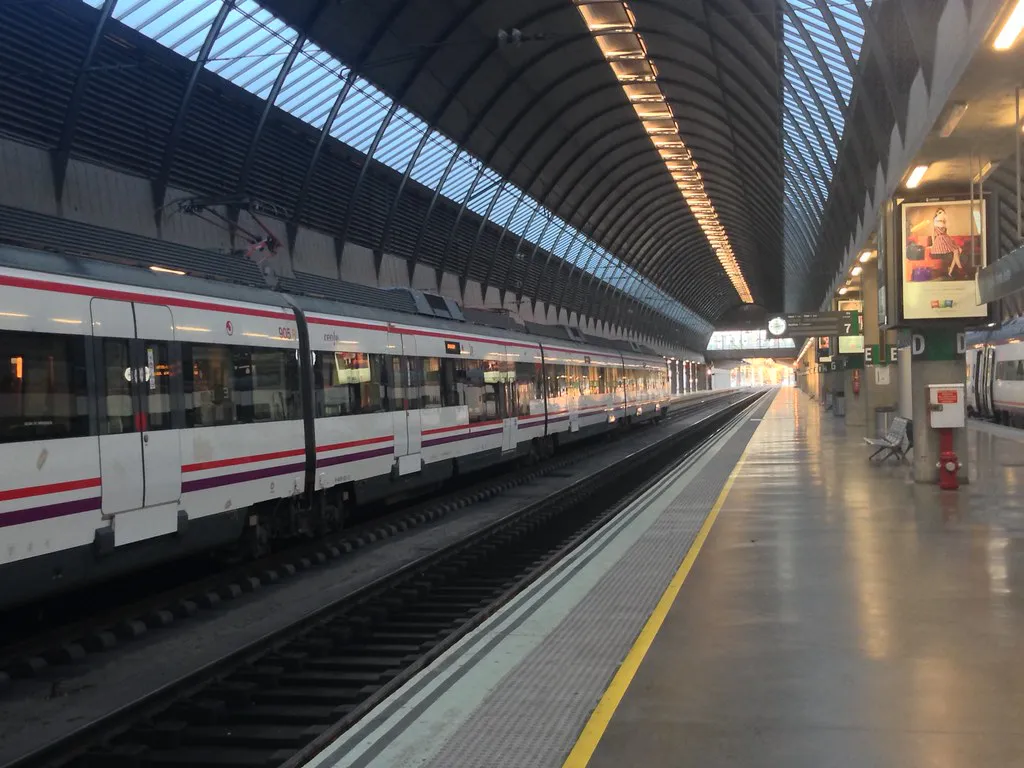
Seville's main train station is Santa Justa, located just east of the city center. From Santa Justa, you can easily reach your destination via local buses, taxis, or a short walk. The station is well-connected and offers various amenities. My first time arriving at Santa Justa, I was surprised by how modern and organized it felt.
How far is Seville Old Town from the airport? Seville Old Town is approximately 10 kilometers (6 miles) from the airport. However, it's only about 2-3 kilometers (1.2-1.8 miles) from Santa Justa train station. This makes train arrivals generally closer to central attractions. A taxi or a short bus ride will quickly get you into the heart of the historic center.
- Before You Go: Train Travel Essentials
- Book your train tickets in advance, especially for AVE services, to secure better prices.
- Use official Renfe.com or reliable platforms like Omio.com to purchase tickets.
- Download the Renfe app for mobile tickets and real-time updates on your journey.
- Arrive at the station at least 20 minutes before departure for security checks and platform finding.
- Consider a Renfe Spain Pass if you plan multiple train journeys across the country.
- Pack light enough to manage your luggage onto and off the train comfortably.
- Verify the exact departure platform upon arrival at the station.
Bus Travel to Seville: Budget-Friendly Options
Bus travel offers a cost-effective way to reach Seville from various Spanish and Portuguese cities. While slower than trains, buses provide extensive route coverage. They are an excellent choice for budget travelers or those coming from towns not served by train. I once took an overnight bus from the Algarve, Portugal, which was incredibly cheap.
Seville has two main bus stations: Plaza de Armas and Prado de San Sebastián. Plaza de Armas handles routes from western Spain, Portugal, and international destinations. Prado de San Sebastián serves routes from eastern Andalusia and some national connections. Always confirm which station your bus will arrive at.
Bus tickets are generally much cheaper than train or plane tickets, especially when booked in advance. A trip from Madrid can cost as little as €15-€30 / ~$16-$32, but takes 6-7 hours. Companies like ALSA operate frequent services across Spain. This option is best for travelers who prioritize savings over speed.
Compare Your Seville Travel Options
Choosing the best way to get to Seville depends on your budget, time, and starting location. Each mode of transport offers distinct advantages and disadvantages. Consider these factors carefully before making your booking. This comparison helps streamline your decision process.
For example, flying might be fastest for long distances but adds airport transfer time. Trains offer comfort and speed for inter-city travel within Spain. Buses are the most economical, perfect for shorter regional trips or budget-conscious travelers. Think about what matters most for your specific journey.
How to get from Seville airport to Real Betis Stadium? From Seville Airport, you can take the EA bus to Prado de San Sebastián. From there, it's a short taxi ride or a local bus (TUSSAM lines 1, 2, 6) to the stadium. Alternatively, a taxi directly from the airport will take about 20-25 minutes. This route is straightforward for football fans.
- Comparing Travel Methods to Seville
- **Plane (to SVQ):** Fastest for international, average cost €50-€200 / ~$54-$216, total travel time 3-6 hours (including transfers).
- **Train (AVE):** Fastest for inter-city Spain, average cost €40-€80 / ~$43-$87, travel time 2.5-3 hours from Madrid.
- **Bus (ALSA):** Most budget-friendly, average cost €15-€40 / ~$16-$43, travel time 6-7 hours from Madrid.
- **Car Rental:** Offers flexibility for exploring Andalusia, average cost €25-€50 / ~$27-$54 per day plus fuel.
- **Private Transfer:** Door-to-door convenience from airport, average cost €30-€40 / ~$32-$43, travel time 15-20 minutes.
- **Seville Hop on Hop off Bus:** Not a primary transport *to* Seville, but useful for city sightseeing once you arrive.
- Consider combining options, like flying to Madrid and then taking the AVE train to Seville.
Troubleshooting Your Journey to Seville
Even with careful planning, travel can sometimes present unexpected challenges. Knowing how to react to common problems can save you stress and time. This section addresses typical issues travelers might encounter on their way to Seville. Preparation is key to a smooth journey.
One common issue is flight delays or cancellations, especially during peak season. Another might be navigating a new city's public transport system. Always have a backup plan or alternative route in mind. This foresight will prove invaluable for any unexpected twists.
I remember a time when my bus from Faro was significantly delayed due to a road closure. Having some snacks and a good book made the wait much more bearable. Being flexible and patient is essential when traveling. These tips help you handle most situations.
- Common Problems and Solutions
- **Flight Delay/Cancellation:** Check airline apps for updates, contact customer service, or explore alternative flights/trains.
- **Lost/Delayed Luggage:** Report immediately to airline staff at the airport, keep your claim tag, and note down the reference number.
- **Missed Connection:** Speak to airline or train staff; they may rebook you on the next available service.
- **Public Transport Strike:** Look for official announcements, consider taxis or ride-shares, or walk if distances allow.
- **Lost Ticket:** For digital tickets, access through your email or app; for physical tickets, contact the provider for assistance.
- **Language Barrier:** Use translation apps or phrasebooks; most transport staff in Seville speak some English.
- **Unexpected Costs:** Always carry some local currency for small purchases or unforeseen expenses.
- **Finding Accommodation Near Airport:** Book in advance if you have a very early flight or late arrival. Seville neighborhoods guide can help you decide.
As you plan, our guides to Restaurants in Seville for 2026 and Tapas in Seville cover the rest of the essentials.
Frequently Asked Questions
Does Seville airport have a train station?
No, Seville Airport (SVQ) does not have its own train station. Travelers must use the EA airport bus, a taxi, or a private transfer to reach the city's main train station, Santa Justa, or the city center.
How far is Seville Old Town from the airport?
Seville Old Town is approximately 10 kilometers (6 miles) from Seville Airport (SVQ). The journey by bus or taxi typically takes 20-35 minutes, depending on traffic conditions and your exact destination within the old town.
Which how to get to seville options fit first-time visitors?
For first-time visitors, flying directly into Seville Airport and taking a pre-booked private transfer or a taxi is highly recommended for ease. Alternatively, the high-speed AVE train from Madrid to Santa Justa station offers a comfortable and efficient journey.
How much time should you plan for how to get to seville?
Allow at least 3-4 hours for travel time from Madrid by high-speed train, including transfers to/from stations. For flights, factor in 4-6 hours from airport check-in to reaching your accommodation in Seville, especially for international connections.
Getting to Seville is straightforward, with excellent connections by plane, train, and bus. Each option offers unique benefits, catering to different travel styles and budgets. The high-speed train from Madrid remains a popular and efficient choice. Careful planning ensures a smooth and enjoyable start to your Andalusian adventure.
Whether you prioritize speed, cost, or convenience, Seville is easily accessible. Remember to book tickets in advance, especially during peak seasons. Once you arrive, the vibrant city of Seville awaits your exploration. Enjoy your journey to this magnificent Spanish gem!
You might also like


Continue reading
More guides you'll find useful


