

9 Best Seville Neighborhoods Guide for 2026
Explore the best Seville neighborhoods with our 2026 guide. Find top picks, local context, and practical tips for every traveler.
On this page
9 Essential Seville Neighborhoods Guide (2026)
After three memorable visits to Seville, I’ve discovered that choosing the right neighborhood dramatically shapes your experience. This guide, refreshed in December 2025, goes beyond just listing areas; it delves into the character, practicalities, and unique charm of each one. Whether you seek historic grandeur, vibrant nightlife, or a quiet local retreat, Seville offers a district perfect for your trip. Understanding these distinct zones is key to unlocking the city's magic and planning your perfect stay.
Plan with trusted sources: cross-check opening hours and seasonal details with the official Seville tourism office, and read more Seville's history on its Wikipedia entry before you go.
9 Best Seville Neighborhoods to Explore (2026)
Seville is a city of distinct personalities, each neighborhood offering a unique slice of Andalusian life. From the labyrinthine alleys of the old Jewish Quarter to the bustling, bohemian plazas, there's an area to suit every visitor. We’ve curated a list of the top nine districts, detailing what makes each special and how to best experience them.
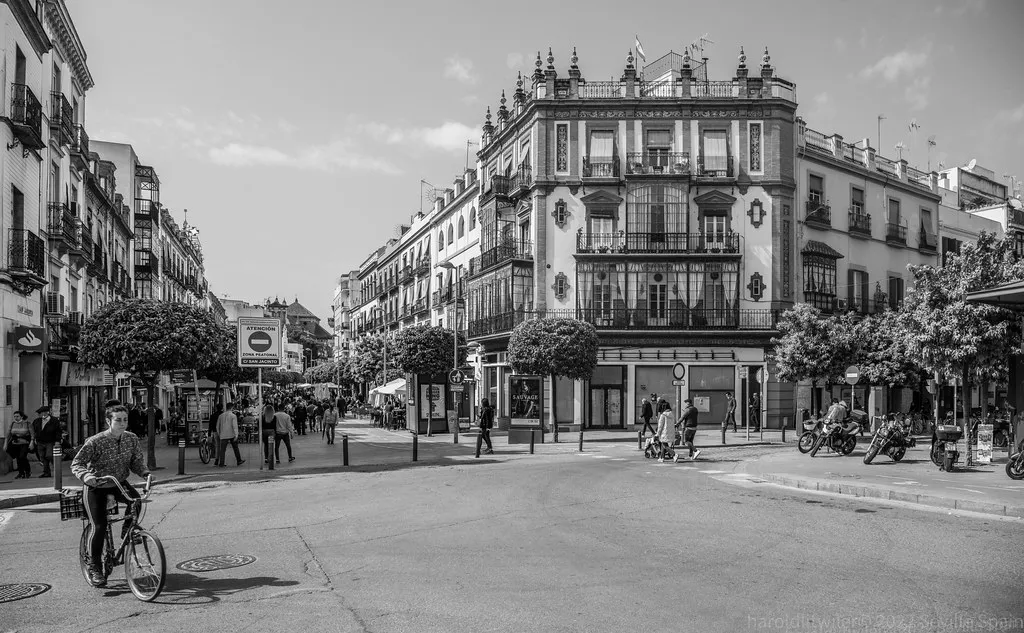
Our picks blend iconic sights with authentic local vibes, ensuring a comprehensive look at Seville's diverse urban tapestry. Consider your priorities—be it proximity to monuments, a lively food scene, or tranquil green spaces—as you explore these options. Each description includes practical details to help you plan your explorations effectively.
- Barrio Santa Cruz: Historic Heart & Winding Alleys
- This iconic former Jewish Quarter is a maze of narrow streets, flower-filled patios, and hidden squares, brimming with history.
- It's home to the Seville Cathedral and Alcázar, making it ideal for first-time visitors who want to be amidst the major attractions.
- Expect higher prices for accommodation and dining, but the charm is undeniable; many small tapas bars offer delightful local bites.
- Getting around is best done on foot, as cars are largely prohibited; plan at least half a day to get delightfully lost here.
- Tip: Visit early morning to capture photos without crowds and discover peaceful courtyards before the tour groups arrive.
- Triana: Authentic Flamenco & Ceramic Traditions
- Located across the Guadalquivir River, Triana offers a more authentic, local Sevillian experience with a strong sense of community.
- Known for its vibrant flamenco scene, traditional ceramic workshops, and the bustling Triana Market, it provides a different pace.
- Accommodation and food are generally more affordable than in the city center, making it a great base for budget-conscious travelers.
- Cross the Puente de Isabel II (Triana Bridge) to reach it; plan an afternoon to explore the market and enjoy a riverside stroll.
- Tip: Catch a flamenco show at a local tablao here, as they often feel more intimate and less touristy than central venues.
- El Arenal: Bullring, Riverfront & Tapas Culture
- Nestled between the river and the historic center, El Arenal blends Seville's maritime past with a lively modern atmosphere.
- It houses the Real Maestranza Bullring and the Torre del Oro, offering both cultural landmarks and scenic river views.
- This area is excellent for enjoying traditional tapas and lively bars, often frequented by locals after work.
- Most attractions are within walking distance; dedicate a few hours to explore the waterfront and enjoy a drink by the river.
- Tip: Enjoy an afternoon 'merienda' (snack) at one of the many cafes near the bullring, observing daily life unfold.
- Macarena: Local Life & Historic Basilica
- North of the city center, Macarena offers a glimpse into traditional Sevillian life, away from the main tourist throngs.
- It's famous for the Basílica de la Macarena, a significant religious site, and its authentic local markets and eateries.
- This neighborhood provides a more residential feel with a strong community spirit, and generally lower prices for dining and lodging.
- Accessible by bus or a pleasant walk from the center; plan a morning to visit the basilica and wander through the local shops.
- Tip: Explore the Mercado de la Feria, Seville's oldest food market, for fresh produce and a true local culinary experience.
- Alameda de Hércules: Bohemian & Nightlife Hub
- This grand, tree-lined boulevard is Seville's bohemian heart, known for its vibrant nightlife, independent shops, and artistic flair.
- It's packed with trendy bars, live music venues, and unique restaurants, appealing to a younger, more alternative crowd.
- Accommodation here ranges from boutique hotels to guesthouses, often at more competitive prices than the most central areas.
- Easily walkable from the city center; plan your visit for the evening to experience its lively atmosphere.
- Tip: Spend an evening hopping between the varied bars and enjoying the street performers who often gather here.
- Nervión: Modern Seville & Shopping Paradise
- A more modern and upscale district east of the center, Nervión is known for its shopping malls, business centers, and the Ramón Sánchez Pizjuán Stadium.
- It's ideal for those seeking contemporary amenities, major brand shopping, and a different side of Seville.
- While further from historic sights, it offers excellent public transport links and a quieter, more residential environment.
- Accessible via metro or bus; dedicate an afternoon for shopping or if attending a football match.
- Tip: If you're a football fan, consider catching a Sevilla FC match here for an electric local experience (check schedules and book tickets in advance).
- Los Remedios: Residential Calm & Feria Grounds
- Located south of Triana, Los Remedios is a tranquil, affluent residential area characterized by wide avenues and green spaces.
- It's famously home to the grounds of the Feria de Abril, Seville's spectacular spring festival, which transforms the area annually.
- This neighborhood offers a peaceful retreat from the city bustle, with comfortable hotels and a more local, family-oriented vibe.
- Accessible by metro or a pleasant walk across the river; explore it for a quiet afternoon stroll or during the Feria.
- Tip: If visiting during Feria de Abril (usually April), this is the heart of the festivities, but plan well in advance as prices soar.
- El Porvenir / Viapol: Quiet & Family-Friendly
- Situated south of Parque de María Luisa, El Porvenir and Viapol are peaceful, largely residential areas favored by families.
- These districts offer a calm atmosphere with local parks, schools, and a slower pace of life, distinct from the bustling center.
- You'll find more modern apartments and fewer tourist-oriented services, but excellent connections to the city's green spaces.
- Best reached by bus or a longer walk; ideal for those seeking a quiet stay and a glimpse into everyday Sevillian family life.
- Tip: Enjoy a picnic or a leisurely walk in the nearby Parque de María Luisa, one of Seville's most beautiful public gardens.
- Encarnación-Regina: Metropol Parasol & Shopping
- This central neighborhood is defined by the striking Metropol Parasol (Las Setas), a modern architectural marvel offering panoramic city views.
- It's a vibrant commercial hub with a mix of traditional shops, contemporary boutiques, and a lively food scene.
- Being very central, it offers easy access to most attractions and a wide array of dining options, from tapas to international cuisine.
- Walkable from virtually anywhere in the city center; plan an hour or two to explore Las Setas and the surrounding market.
- Tip: Ascend the Metropol Parasol just before sunset for breathtaking 360-degree views of Seville as the city lights up.
Which Part of Seville is Best to Stay?
Deciding where to stay in Seville depends entirely on your travel style and priorities. For first-time visitors eager to see the major sights, the historic core is often the top choice. However, those seeking a more local immersion or a quieter experience might prefer areas slightly further afield. Consider what kind of atmosphere you desire and how much you plan to rely on public transport versus walking.
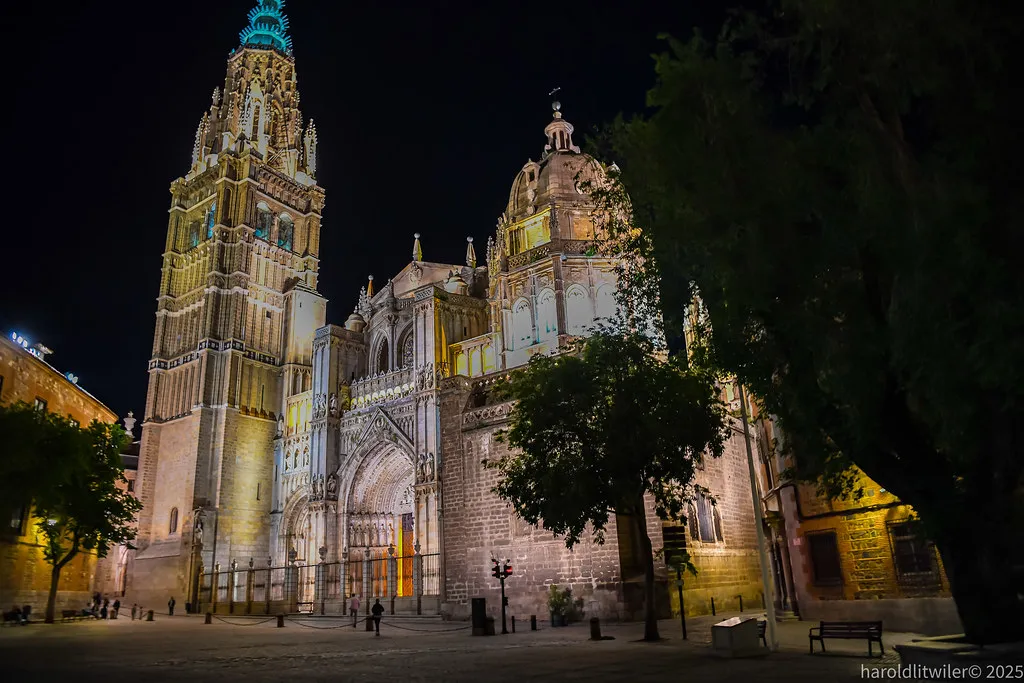
If proximity to attractions like the Alcázar and Cathedral is paramount, Barrio Santa Cruz or El Arenal are excellent. These areas place you right in the heart of the action, with countless dining options and a vibrant evening buzz. Keep in mind that central areas can be pricier, especially during peak seasons, and sometimes noisier. Booking accommodations well in advance is crucial for securing good rates in these popular districts.
For a more authentic and budget-friendly experience, Triana or Macarena offer a genuine slice of Sevillian life. These neighborhoods provide a deeper dive into local culture, with traditional markets and fewer tourist traps. They are still easily accessible to the center by foot or public transport, offering a good balance of immersion and convenience. Families or those desiring a quieter stay might find El Porvenir/Viapol or Los Remedios appealing, with their parks and residential charm.
Seville's Cool Neighborhoods and Hidden Gems
Beyond the well-trodden paths, Seville boasts several 'cool' neighborhoods brimming with local character and hidden gems. These areas offer a chance to experience the city like a local, discovering unique shops, authentic eateries, and vibrant community spaces. Stepping away from the most famous landmarks can reveal a different, equally captivating side of Seville. This is where you'll find the true pulse of the city, often without the crowds.
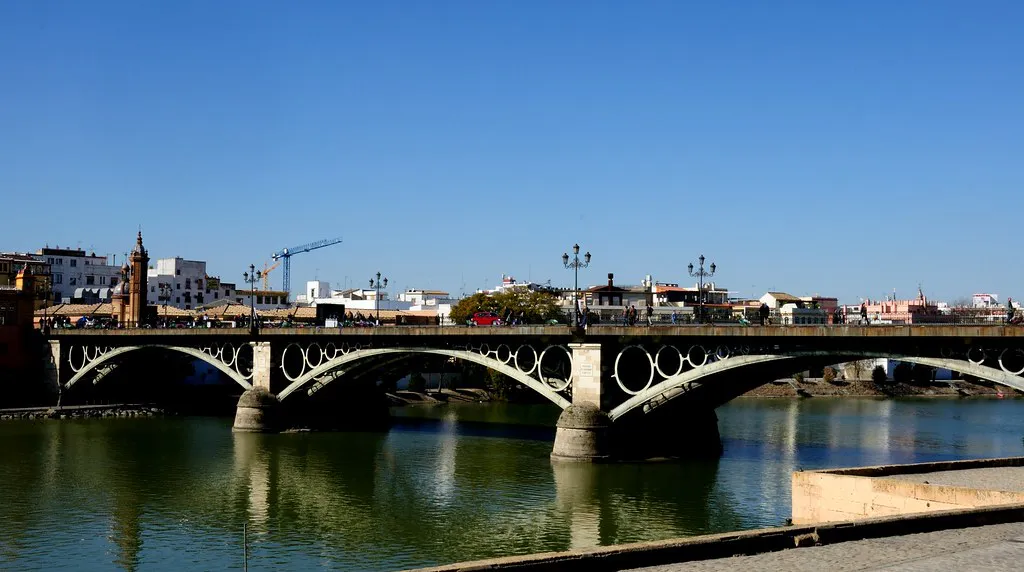
Triana, for instance, is not just about flamenco; it's a hub for artisan ceramic workshops where you can watch potters at work. Its lively market is a fantastic place to sample local produce and engage with friendly vendors. Alameda de Hércules stands out with its independent boutiques, vintage stores, and a thriving arts scene. The grand plaza often hosts local markets and events, providing a dynamic social atmosphere. For more insights on exploring beyond the main sights, check out our guide on Seville's hidden gems.
Macarena offers a genuine residential feel, with the Mercado de la Feria providing a sensory overload of local flavors and sounds. Wandering its streets, I stumbled upon a tiny, unassuming bar serving the most incredible 'montaditos' (small sandwiches), a true local secret. Even within Barrio Santa Cruz, venturing down a seemingly insignificant alley can lead to a stunning, secluded patio. These are the moments that truly enrich a visit, offering an authentic connection to Seville's enduring charm.
Tips for Staying in Seville
Planning a trip to Seville involves more than just picking a neighborhood; practical considerations can significantly enhance your visit. Understanding local customs, transport options, and timing can help you navigate the city smoothly. These tips are designed to ensure your stay is as enjoyable and stress-free as possible. A little preparation goes a long way in this vibrant Andalusian capital.
Book your accommodation and major attraction tickets well in advance, especially if traveling during peak season (spring and autumn). Seville is incredibly popular, and prime spots fill up quickly, often leading to higher prices for last-minute bookings. For popular sites like the Royal Alcázar, purchasing tickets online weeks ahead can save hours of waiting in line. Consider a Seville City Pass if you plan to visit multiple attractions to save time and money.
Seville is a wonderfully walkable city, particularly its historic center, making comfortable shoes essential. While a car is largely unnecessary within the city, public transport via buses and the metro is efficient for longer distances. Embrace the Spanish dining schedule: lunch is typically 2-4 PM, and dinner often starts after 8:30 PM. Many tapas bars stay open late, offering a lively atmosphere into the night. Stay hydrated, especially during the hot summer months, and consider scheduling a 'siesta' during the hottest part of the afternoon.
Frequently Asked Questions
Which part of Seville is best to stay?
For first-time visitors, Barrio Santa Cruz or El Arenal are ideal due to their central location and proximity to major attractions. If you seek a more local vibe and better value, consider Triana or Macarena, which offer authentic experiences and good transport links.
What is the main area of Seville?
The main area of Seville is generally considered the historic center, encompassing neighborhoods like Barrio Santa Cruz, El Arenal, and parts of Encarnación-Regina. This central zone hosts the city's most iconic landmarks, bustling commercial streets, and vibrant cultural life.
What areas are good to stay without a car?
Most central neighborhoods in Seville are excellent for staying without a car, as they are highly walkable and well-served by public transport. Barrio Santa Cruz, El Arenal, Triana, and Alameda de Hércules all offer easy access to sights and amenities on foot or by bus/metro.
Is 2 days enough for Seville?
While two days in Seville allows you to see the main highlights like the Cathedral, Alcázar, and Plaza de España, it will be a fast-paced visit. To truly immerse yourself and explore a few neighborhoods in depth, we recommend a minimum of three to four days. For detailed plans, see our 2-day Seville itinerary.
Seville's charm lies in its diverse neighborhoods, each offering a unique window into Andalusian culture and history. From the ancient alleys of Santa Cruz to the bohemian buzz of Alameda de Hércules, there's a district to captivate every traveler. By understanding the distinct character and practicalities of each area, you can tailor your visit to perfectly match your preferences.
Whether you're a history buff, a food lover, or simply seeking a tranquil escape, Seville's neighborhoods promise unforgettable experiences. Embrace the city's rhythm, explore its hidden corners, and allow yourself to be enchanted by its enduring beauty. Your ideal Sevillian adventure awaits, thoughtfully planned with this guide.
You might also like


Continue reading
More guides you'll find useful


