

10 Best Beaches in Málaga: Your Ultimate Guide (2026)
Discover the best beaches in Málaga! Our guide covers top picks, local tips, amenities, and how to choose the perfect beach for your trip.
On this page
The 10 Best Beaches in Málaga for Every Traveler (2026)
Málaga's coastline stretches across more than 160 kilometres of the Costa del Sol, but not all beaches are equal. Some are best for families with small children. Others reward those willing to drive an hour east for crystal-clear snorkeling water. A few are quietly excellent urban spots that locals use every day while tourists queue for the famous one. This guide covers the ten best beaches in Málaga in 2026, with specific details on amenities, access, parking, and who each beach suits best.
The city's own waterfront is dark-sand volcanic terrain — fine and clean, but very different from the white-powder beaches of the Balearics. Further east toward Nerja, the coast turns wilder, with protected cliffs and cove beaches that rank among the best on the Mediterranean. Whatever draws you to the Costa del Sol, there is a beach on this list that fits your trip.
Plan with trusted sources: cross-check opening hours and seasonal details with the official Andalusia tourism board, and read more about the city on its Wikipedia entry before you go.
1. Playa de la Malagueta: Closest to the City
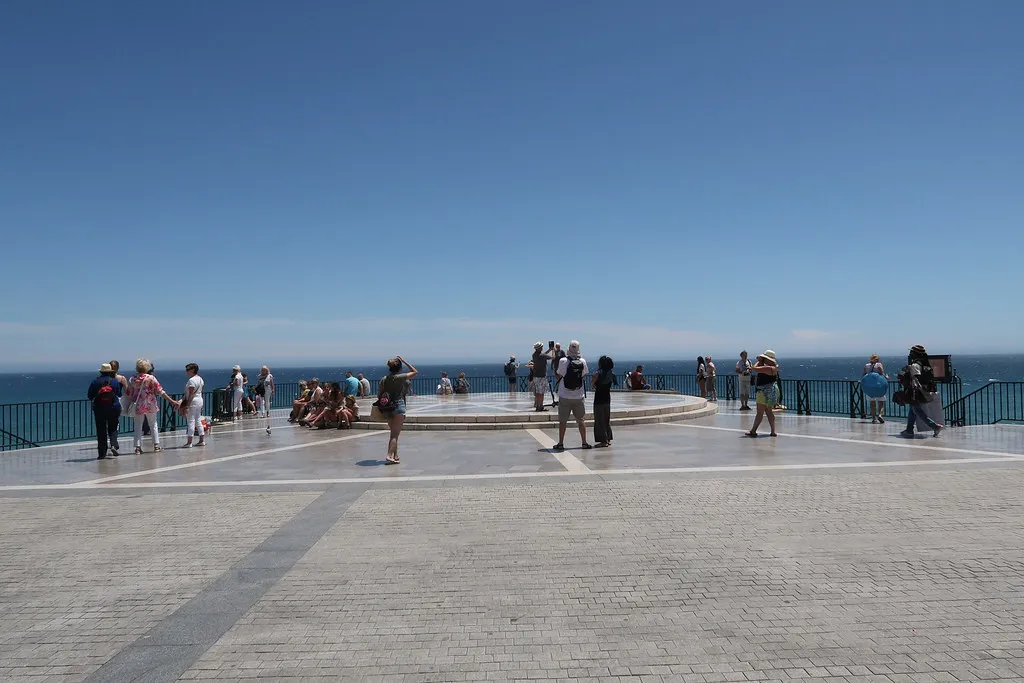
Malagueta is Málaga's most famous urban beach and the obvious first stop for visitors staying in the city center. The 1-kilometre stretch of dark grey sand sits a 10-minute walk from the historic quarter, along a promenade lined with restaurants and chiringuitos. It is not the most beautiful beach on this list, but for a quick swim between sightseeing, nothing comes close in terms of convenience.
The beach is approximately 45 metres wide and has full amenities: showers, toilets, sunlounger and parasol rental (around €7/day), a playground, outdoor gym, and several chiringuitos. Lifeguards are on duty from 11:00 to 19:00 in summer. Access is free and open 24 hours.
One practical note: Malagueta's dark sand absorbs heat intensively. In July and August, the sand is genuinely painful to walk on barefoot by midday. Arriving before 10:00 or after 18:00 solves this, and the wide promenade provides shade during the hottest hours. Getting there is simple — a 10-minute walk from the city center, or EMT bus lines 3, 11, 14, or 32. Parking in the surrounding streets is very limited in peak season; use the paid underground garages nearby.
2. Playa de Pedregalejo: Authentic Fishing Village Charm
Pedregalejo sits about 3 kilometres east of Malagueta in a former fishing neighbourhood that has kept much of its original character. The beach itself is a series of small sandy coves rather than one long unbroken stretch, which gives it a sheltered, community feel quite unlike the main city beach. Calm, shallow water makes it excellent for families with young children.
The main draw here is the row of traditional chiringuitos along the shore. These are some of the best places in the city to eat espetos de sardinas — fresh sardines skewered on bamboo and grilled over an open fire on the beach. A full meal at one of these restaurants typically costs €15–25 per person. Sunlounger rentals are available, and the beach has showers and toilets. It is free and open all hours.
From the city center, take EMT bus line 3 or 11 (journey around 15 minutes), or walk the coastal promenade in about 30–35 minutes. Parking in the neighbourhood is easier than at Malagueta but still fills quickly in summer; arriving before 10:00 gives you options.
3. Playa de la Caleta: Quieter Urban Option
La Caleta sits between Malagueta and Pedregalejo and is often overlooked, which is precisely what makes it worthwhile. The dark sand beach is well-maintained and slightly less crowded than its neighbours, with a relaxed promenade and good views of the city to the west. It suits people who want a beach close to the center but prefer a lower-key atmosphere.
Amenities include showers, toilets, and sunlounger rental (€6–10/day). Lifeguards patrol during peak season. The beach is free and always accessible. A 15-minute walk east from the historic center, or the same EMT bus lines (3 and 11) that serve Pedregalejo will drop you nearby.
4. Playa de El Palo: Best Urban Beach for Locals
El Palo is the standout urban beach on this list. Further east than Pedregalejo, it offers fine dark sand, very clean and relatively clear water, gentle swells, and free street parking — a rare combination on the Málaga waterfront. Locals use this beach daily, and prices at the restaurants here tend to run lower than in the tourist-heavy areas closer to the center.
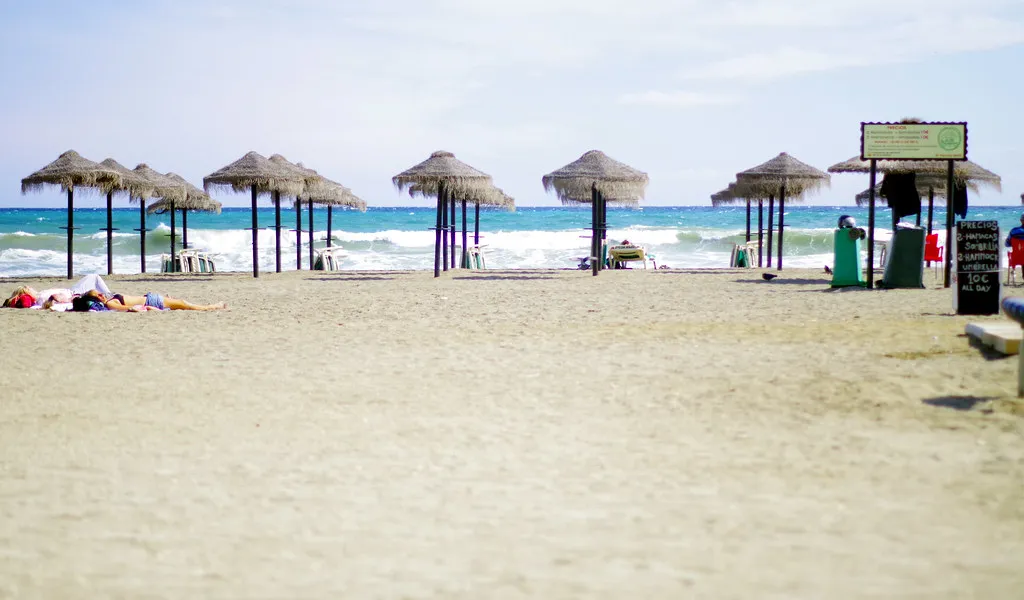
The beach has full amenities: toilets, showers, sunlounger and parasol rental, kayak and SUP rental, football and basketball courts, an outdoor gym, and multiple restaurants. Lifeguards are present in season. Fresh seafood at El Palo tends to cost €12–20 per person at the chiringuitos, which is noticeably more affordable than equivalent spots at Pedregalejo. Bus lines 3 and 11 connect El Palo to the city center in around 20 minutes.
5. Playa Peñón del Cuervo: Málaga's Hidden Local Gem
Peñón del Cuervo — sometimes called Raven Rock Beach — is one of the most underrated beaches in the Málaga area. A 20-minute drive east of the city center, it escapes the crowds that build on the more famous urban beaches by late morning. A large limestone rock splits the beach into two distinct bathing areas, and a grove of tall palms provides genuine shade during the hottest part of the day — something almost none of the city beaches offer.
The water is very clean with good clarity, and the atmosphere is calm and family-friendly. A coastal path connects Peñón del Cuervo to Malagueta to the west, making it a good destination for cyclists and walkers too. Amenities are simpler than at El Palo — showers but no toilets — and there are no sunlounger rentals, so bring your own gear. A free car park with ample space for campervans sits directly behind the beach, making this the most car-friendly option on the urban stretch of coast.
This beach is not well-known among tourists and rarely appears on top-ten lists, which is exactly why it's worth the short drive. If you want a real Málaga beach day without paying for parking or fighting for sunbeds, Peñón del Cuervo is the answer.
6. Playa de Burriana (Nerja): Best Family Beach Near Málaga
Burriana is the main beach in Nerja, roughly an hour east of Málaga by car or direct bus from the main bus station. It is a wide, sandy beach with very clean dark sand and excellent water clarity. The combination of free parking directly behind the beach, calm conditions suitable for children, and a full range of facilities makes it the strongest family beach option in this guide.
Amenities at Burriana are comprehensive: toilets, showers, sunlounger and parasol rental, water sports hire (kayaks, paddleboards, jet skis — €15–40/hour), beach volleyball, a playground, and a promenade lined with shops and restaurants. The beach holds a Blue Flag award. Lifeguards are on duty in season. Water sports rentals are among the best-organised on the Costa del Sol east of Málaga city.
From Málaga, the direct bus from the Málaga Estación de Autobuses takes around 1 hour and costs approximately €4.50 each way. Driving via the A-7 takes similar time. Arrive before 10:00 in July and August — the free car park fills early and the beach becomes very busy by midday.
7. Playa de Maro (Nerja): Best Snorkeling Beach
Maro sits inside the Maro-Cerro Gordo Cliffs Natural Park, 5 kilometres east of Nerja's town center. The beach is a mix of pebble and coarse sand, sheltered by dramatic cliffs, and the water here is the clearest of any beach in this guide — crystal visibility, abundant marine life, and a protected status that keeps development minimal. It is the top choice for snorkeling on the Costa del Sol east of Málaga.
Amenities are limited by design: there are some services in the coves nearest to the access point, including a restaurant and showers, but the further coves are completely natural. Bring your own snorkeling gear or rent a set for around €10–15 from shops in Nerja. Access is free, but the road down to the beach is steep and narrow. In summer (June–September), vehicle access is restricted to early morning; a shuttle bus runs from a car park above. Arrive before 09:00 if you want to drive down, or use the shuttle (around €2 return).
Maro is one of those beaches that genuinely justifies the trip to Nerja on its own. The walk from town along the coastal path is pleasant and takes about 45 minutes if you prefer not to deal with the parking situation.
8. Playa de Cabopino (Marbella): Dunes, Marina and Naturism
Cabopino sits between Marbella and Fuengirola, about 30 minutes west of Málaga on the A-7. It is unusual on the Costa del Sol for having protected sand dunes immediately behind the beach, a small marina nearby, and a designated naturist section to the west of the main beach. The combination gives it a distinct character compared to the more developed resort beaches further west.
The main beach has showers, toilets, and sunlounger rental (€5–8/day). Chiringuitos near the marina operate roughly 11:00–20:00 in season. Paid street parking costs around €1–2/hour. The Torre Ladrones watchtower nearby is a quick historical detour worth the five-minute walk. Beach access is free.
9. Playa de Artola-Cabopino: Protected Dunes and Solitude
Adjacent to Cabopino, the Artola section is part of a protected natural monument covering an extensive dune system. There is almost no commercial development here — no sunlounger rentals, no chiringuitos — just open beach backed by wild dunes. It draws people who want absolute quiet and an unspoiled natural setting on the Costa del Sol.
Access is via the same route as Cabopino. Stay on marked paths through the dune area; the ecosystem is fragile and protected under Andalusian environmental law. Bring everything you need. This is not a beach for a half-day outing without planning — water, food, sun protection, and a mat are all essential. The reward is a stretch of coast that feels genuinely remote even in high season.
10. Playa de Calahonda (Nerja): Cliffside Cove Below the Balcón
Calahonda is a small cove in central Nerja, directly below the Balcón de Europa viewpoint. It is only 120 metres long, with grey sand that contrasts sharply against turquoise water and dramatic cliff walls on both sides. The setting is among the most photogenic on the Costa del Sol. The beach fills quickly — it is small, central, and well-known — so arrive before 10:00 in high season.
Being in the middle of Nerja means restaurants and services are a two-minute walk in any direction. Sunlounger rental runs around €5–7. Lifeguards are present in season. The beach is free and accessible all hours. Reach it from the Balcón de Europa by descending a short staircase — the descent takes about three minutes. There is no parking directly at the beach; use the town's paid car parks and walk down.
The Underrated Way to See Multiple Beaches in One Day
None of the main competitor guides mention this, but EMT bus line 11 runs the length of Málaga's eastern coastal strip — from the city center out past Malagueta, La Caleta, Pedregalejo, and all the way to El Palo. Buses run every 10–15 minutes in summer and cost €1.40 per journey on the standard fare (or effectively free with the Bonobus card, which costs €7 for 10 trips). A full beach-hopping afternoon — stopping at Malagueta for lunch, walking the promenade to La Caleta for a swim, then catching the bus to Pedregalejo for espetos at sunset — requires no car and no planning beyond checking the EMT app.
For beaches further east (El Palo, Peñón del Cuervo), bus line 3 covers the route and connects back to the Alameda Principal terminus in the center. The entire eastern urban coast is therefore accessible without a rental car, which matters most for visitors based in the city center. For Nerja and Marbella beaches, intercity buses from the Málaga Estación de Autobuses (ALSA operator) are frequent and affordable — Nerja costs around €4.50 each way and the journey takes roughly 1 hour.
Quick Comparison: Which Málaga Beach Suits You?
Use this table to match your priorities to the right beach before you go:
| Beach | Sand | Best for | Crowd level | Parking | Distance from Málaga |
|---|---|---|---|---|---|
| Malagueta | Dark grey | Convenience, city visitors | Very busy | Difficult (paid garages) | In city |
| Pedregalejo | Dark sand / coves | Espetos, families, local feel | Moderate–busy | Limited street | 3 km east |
| La Caleta | Dark grey | Quiet alternative to Malagueta | Moderate | Limited street | 2 km east |
| El Palo | Fine dark sand | Local vibe, affordable dining | Moderate | Free street parking | 5 km east |
| Peñón del Cuervo | Sand + pebble | Shade, quiet, families, cyclists | Low | Free car park | 8 km east |
| Burriana (Nerja) | Dark sand | Families, water sports | Busy | Free behind beach | 55 km east |
| Maro (Nerja) | Pebble/coarse | Snorkeling, nature, solitude | Low–moderate | Restricted in summer | 60 km east |
| Cabopino (Marbella) | Fine sand + dunes | Naturism, dune scenery | Low–moderate | Paid street (€1–2/hr) | 45 km west |
| Artola-Cabopino | Sand + dunes | Total solitude, nature | Very low | Same as Cabopino | 45 km west |
| Calahonda (Nerja) | Grey sand | Scenic cove, photography | Busy (small beach) | Town car parks | 55 km east |
For visitors staying in Málaga city with 2–3 days, the practical route is: Malagueta on arrival, Pedregalejo or El Palo for a proper sit-down meal, then a day trip to Burriana or Maro in Nerja if the schedule allows. Marbella beaches (Cabopino, Artola) suit people who are driving west toward Marbella anyway or have a specific interest in dune landscapes.
Best Time to Visit Málaga's Beaches
The Costa del Sol earns its name — Málaga sees around 300 days of sunshine per year. Sea temperature is the most useful guide for planning. The water reaches its warmest between July and September (22–23°C), which is genuinely comfortable for extended swimming. May, early June, and October offer pleasant air temperatures (22–26°C) and fewer crowds, with sea temperatures of around 18–21°C — cool but swimmable for most people.
July and August are peak season. Malagueta and Burriana can reach capacity by 11:00 on hot weekends. Prices for accommodation and car hire are highest. The advantage is maximum atmosphere — beach bars run late, events happen, and the water is at its best. If you visit in these months, aim to be on the beach before 10:00 and plan to leave or find shade between 14:00 and 17:00.
September and early October remain warm and are widely considered the best time for beach visits if you want warm swimming water without peak-season crowds. Late October through April is too cool for most swimmers but suits those who want peaceful coastal walks and off-season restaurant prices. Winter temperatures in Málaga regularly reach 16–18°C midday, and several chiringuitos stay open year-round.
Practical Tips for Your Beach Day in Málaga
Transportation along the urban coast is easy without a car. EMT bus lines 3 and 11 connect the city center to Malagueta, La Caleta, Pedregalejo, and El Palo. For beaches further out — Nerja, Marbella, Benalmádena — intercity buses from the main bus station are reliable and affordable, though a rental car gives more flexibility and is essential for reaching Maro and Peñón del Cuervo comfortably. For a full guide to moving around the city, see our article on getting around Málaga.
Parking at urban beaches is genuinely difficult from late June through August. Malagueta has almost no free street parking nearby — use the paid underground garages (expect €2–3/hour). El Palo and Peñón del Cuervo have free parking and are worth the extra 15-minute drive specifically for this reason. For Nerja beaches, the free car park behind Burriana fills by 10:00 in July; arrive earlier or use the town's paid options.
Budget essentials: sunbed and parasol rental runs €5–10 per item at most beaches. A meal at a chiringuito costs €15–30 depending on how close it is to the tourist zone (El Palo and Pedregalejo run cheaper than Malagueta or Burriana). Water sports hire — kayaks, SUP, jet skis — ranges €15–40/hour. Bring sunscreen rated SPF 50 or higher; the Andalusian summer sun is intense between 12:00 and 17:00.
If you are planning a wider trip combining beaches with city sightseeing, consider day trips from Málaga to Nerja or Frigiliana — the inland village above Nerja pairs easily with a Maro beach afternoon and makes for a much more varied day than staying on the city waterfront alone.
Frequently Asked Questions About Málaga Beaches
Frequently Asked Questions
Which are the best family-friendly beaches in Málaga?
For families, Playa de Pedregalejo and Playa de El Palo are excellent choices due to their calm, shallow waters and abundance of amenities. These beaches offer a relaxed atmosphere with many chiringuitos and playgrounds. They are easily accessible from the city center.
What are the quietest beaches near Málaga?
If you seek tranquility, Playa de Maro (near Nerja) and Playa de Artola-Cabopino (near Marbella) are ideal. These beaches are known for their natural beauty and secluded feel. They offer a peaceful escape from the busier urban shores.
How to get to the best beaches from Málaga city center?
Urban beaches like Malagueta and Pedregalejo are a short walk or bus ride (lines 3 or 11) from the city center. For beaches further afield like Nerja or Marbella, direct intercity buses are available. Renting a car provides the most flexibility for exploring.
What amenities can I expect at Málaga's beaches?
Most popular beaches offer a range of amenities including public restrooms, showers, sunbed and parasol rentals, and lifeguards during peak season. You'll also find numerous chiringuitos serving fresh seafood and drinks. Some larger beaches have water sports rentals.
Is parking available at Málaga beaches?
Parking can be challenging at popular beaches, especially during summer. Urban beaches often have paid underground parking garages nearby. For beaches outside the city, free street parking might be available but fills up quickly. Arriving early is always advisable.
When is the best time to visit Málaga beaches?
The best time to visit Málaga's beaches is during the shoulder seasons: May, June, September, and early October. The weather is warm and sunny, perfect for swimming, but the crowds are significantly smaller than in July and August. This allows for a more relaxed experience.
Málaga's beaches range from a ten-minute walk from the city center to wild protected coves an hour east along the coast. The best one for your trip depends entirely on what you want: convenience, snorkeling, family calm, local authenticity, or pure solitude. The comparison table above should make that decision straightforward. Once you've sorted the beach plan, the rest of a Málaga trip falls into place easily — explore the top things to do in Málaga for the city side of your visit, and check where to stay in the city if you haven't settled on a base yet.
You might also like


Continue reading
More guides you'll find useful


