10 Best Restaurants in Alicante: A Local Foodie Guide (2026)
Discover the 10 best restaurants in Alicante, from traditional rice houses (Ciudad del Arroz) to modern tapas bars and Michelin-starred saffron dishes.
On this page
10 Best Restaurants in Alicante
After my last three visits to the Costa Blanca, I discovered that Alicante is far more than a beach gateway. The city holds the official title of Ciudad del Arroz and takes its grain heritage very seriously. Our editors have reviewed every neighborhood to find the most authentic flavors available this year. Whether you want a rustic tavern or a modern gastrobar, the local scene offers incredible variety.
Last refreshed February 2026, this guide reflects the latest pricing and reservation trends in the city. You will find that the best restaurants in Alicante often hide in plain sight down narrow alleys. I personally found that the most memorable meals happened far from the main tourist promenades. Local chefs are currently focusing on hyper-local ingredients like saffron and Monastrell grapes.
Planning a culinary trip requires more than just knowing where to eat. If you are organizing your full trip, check our guide on things to do in Alicante for more ideas. The following list balances iconic landmarks with the hidden gems that locals usually keep to themselves.
Understanding the City of Rice Heritage
Alicante is globally recognized as the City of Rice, boasting over 300 distinct regional preparations. Unlike the paella found in Valencia, Alicante focuses heavily on the intensity of the fish stock. The most prized element of any dish is the soccarat, which is the caramelized crust at the bottom. Achieving this perfect crunch requires a precise balance of heat and high-quality olive oil.
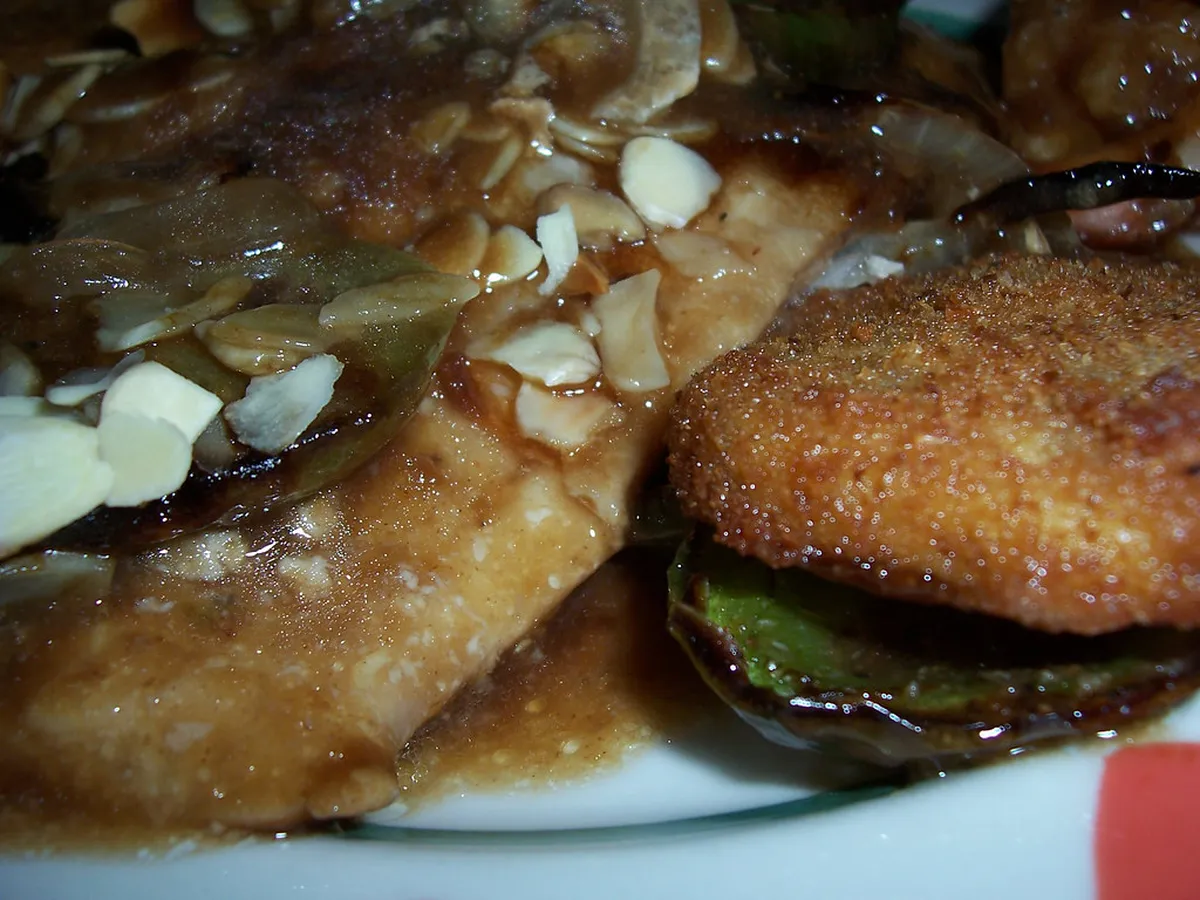
Lunch is served from 1:00-4:30 PM at most rice restaurants; order only before 4:00 PM to ensure fresh ingredients. The soccarat crust at the bottom of the pan is the most prized element—ask your server to ensure it is properly caramelized. Monastrell wine pairs perfectly with rice dishes and represents the local terroir.
Diners can choose between arroz seco, which is dry and thin, or arroz meloso, which is creamy. The seco style is usually served in a wide, flat pan to maximize the surface area for soccarat. According to the local tourism board, traditional recipes often use the small-grain Senia or Bomba varieties. These grains absorb the rich flavors of the saffron and seafood stock without becoming mushy.
Many of these historic rice houses are located near the Alicante old town Santa Cruz guide area. Eating rice is traditionally a lunchtime activity, as the dishes are quite heavy for the evening. Most locals will only order rice before 4:00 PM to ensure the freshest ingredients from the morning market. Following this local rhythm ensures you get the best possible version of these iconic Spanish meals.
| Rice Style | Texture | Price Range | Best Time |
|---|---|---|---|
| Arroz seco | Dry, thin grains | €35-€55 | 1:00-3:00 PM |
| Arroz meloso | Creamy, soupy | €35-€55 | 1:00-3:00 PM |
| Arroz a banda | Saffron-infused | €40-€60 | 1:00-4:00 PM |
| Arroz de Señoret | Pre-peeled seafood | €40-€60 | 1:00-4:00 PM |
10 Best Restaurants in Alicante (2026)
The dining landscape in Alicante ranges from century-old taverns to avant-garde Michelin-starred venues. I have grouped these selections into three main categories: Iconic Rice Houses, Modern Gastrobars, and Fine Dining. Each entry was chosen for its consistency, ingredient quality, and unique contribution to the local food culture. Be aware that prices in 2026 have stabilized, but the most popular spots still require early booking.
Traditionalists should head to the residential neighborhoods for the most authentic rice experiences. The city center is better suited for those who enjoy hopping between different tapas bars in one night. Seafood lovers will find the best catches near the port, where the daily haul arrives each morning. Regardless of your choice, always look for the Monastrell wine label to pair with your Mediterranean meal.
Before diving into the full list, consider these practical tips for visiting Alicante to navigate the city easily. The following restaurants represent the absolute peak of what the Costa Blanca has to offer right now. From the mountain views of La Ereta to the bustling counters of Nou Manolin, every meal is an event.
- La Taverna del Racó del Pla
- This rustic tavern in the Carolinas Alta neighborhood serves the city's most authentic arroz a banda.
- Expect to pay €35–€55 per person for a full meal including local wine and starters.
- They open daily from 1:00 PM to 4:30 PM and 8:00 PM to 11:30 PM for guests.
- The soccarat here is legendary, so ensure you scrape the bottom of the pan for the best bits.
- Cesar Anca Restaurante
- Located near the waterfront, this restaurant is famous for creative tapas and modern Mediterranean seafood dishes.
- Typical costs range from €40 to €70 depending on whether you choose the tasting or a la carte.
- The kitchen operates Tuesday through Sunday from 1:30 PM to 4:00 PM and 8:00 PM to 11:00 PM.
- Try the shrimp carpaccio, which is a signature dish that highlights the freshness of the local bay.
- Nou Manolin & Piripi
- These sister restaurants are legendary for their long bars where diners eat while watching the chefs work.
- A high-end tapas experience here usually costs between €45 and €80 per person for several plates.
- Both locations are open daily from 1:00 PM to 4:30 PM and 8:00 PM to midnight for dining.
- Sit at the bar rather than a table to experience the high-energy atmosphere that locals truly love.
- La Taberna del Gourmet
- This award-winning gastrobar focuses on organic produce and premium deli items like Iberico ham and cheeses.
- Small plates and wine usually total €30–€50, making it a great mid-range option for casual dinners.
- They are open every day from 12:30 PM to 11:30 PM, offering continuous service for late lunches.
- The vegetable tempura is surprisingly light and features seasonal greens sourced from the nearby Central Market.
- Monastrell
- This Michelin-starred venue by Maria Jose San Roman focuses on elevated flavors and premium local saffron.
- Tasting menus range from €90 to €160, providing a world-class culinary journey in a sleek setting.
- Service is available Wednesday through Sunday, with evening sessions starting at 8:00 PM for the best ambiance.
- Ask the sommelier for a vertical tasting of Monastrell wines to see how the local grape ages.
- La Ereta
- Perched on Mount Benacantil, this restaurant offers the most spectacular views of the city and the sea.
- Fixed-price menus are the standard here, typically costing between €75 and €110 per adult guest.
- The restaurant opens for lunch and dinner most days but always check for private event closures online.
- Arrive thirty minutes before your reservation to watch the sunset over the harbor from their terrace.
- Dársena
- Dársena has been a staple of the Alicante port since 1961, specializing in maritime rice and shellfish.
- A traditional rice meal here will cost about €40–€60 per person including appetizers and dessert.
- They serve lunch daily from 1:00 PM and dinner from 8:00 PM in a bright, nautical-themed room.
- The 'Arroz de Señoret' is perfect for those who prefer their seafood already peeled and ready to eat.
- Restaurante Govana
- Govana is a local favorite for its daily-changing rice menus that prioritize seasonal ingredients and tradition.
- Their lunch menu is one of the best deals in town, often priced around €25–€35 per person.
- They primarily focus on the lunch crowd, opening from 1:30 PM to 4:00 PM most weekdays.
- The arroz con costra, featuring a distinct egg crust, is a regional specialty worth trying here specifically.
- Bar Manero
- This boutique tapas bar feels like a glamorous 1920s lounge and serves incredible canned gourmet goods.
- Expect to spend €30–€60 on high-quality tinned seafood, fine wines, and creative small meat plates.
- They are open daily from 12:00 PM until late, making it ideal for an afternoon vermouth session.
- The lobster roll is a modern addition to the menu that has quickly become a local cult favorite.
- Mercado Central (Central Market)
- While primarily a market, the stalls inside offer some of the freshest and cheapest tapas in Alicante.
- You can eat well for €10–€20 by hopping between different stalls for ham, olives, and wine.
- The market is open Monday to Saturday from 7:00 AM to 2:30 PM for all visitors.
- Visit the 'Kiosko El Peret' stall for a quick snack and a glass of cold local beer.
Booking Secrets and What to Skip
One of the biggest mistakes travelers make is trying to walk into top-tier restaurants without a reservation. Spots like La Taverna del Racó del Pla are often booked out three to five days in advance. I recommend using online booking platforms or calling at 11:00 AM when the staff first arrives. If you show up at 2:00 PM without a name on the list, you will likely be disappointed.
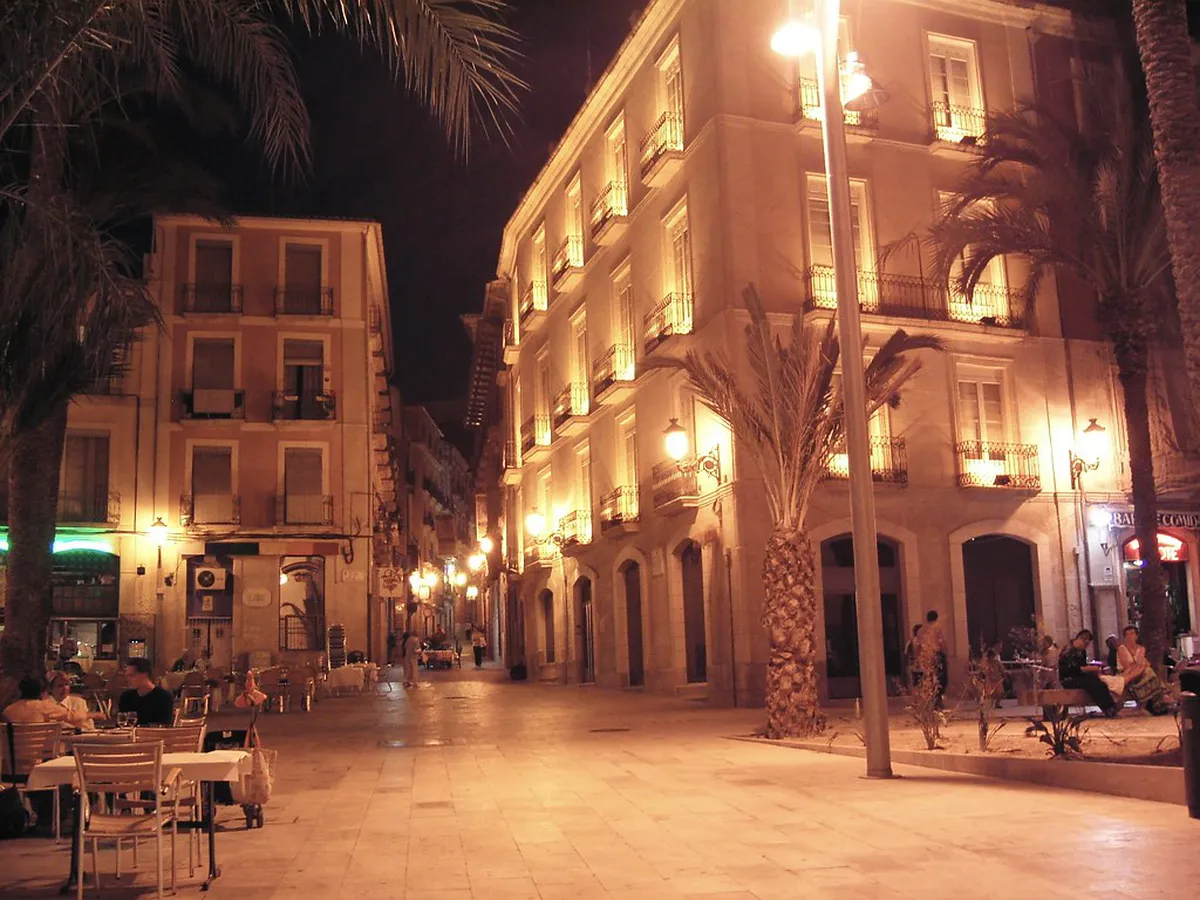
When it comes to what to skip, I suggest being cautious with the restaurants directly on the Explanada. While the view of the palm trees is lovely, many of these spots prioritize speed over authentic quality. You will often find better value and more soul just two blocks inland in the historic center. Avoid any place that has large plastic photos of food displayed on the sidewalk outside.
Another tip is to pay attention to the bread and 'alioli' service often brought to the table. Most restaurants charge a small fee for this per person, even if you did not explicitly order it. This is a standard practice in Spain, so do not be surprised when it appears on the bill. The local experts at Gourmet Gorro: A Few Great Places to Eat in Alicante also emphasize checking for daily specials.
A Guide to Local Alicante Wine Pairings
Alicante has a rich winemaking history that centers on the robust Monastrell grape variety. This red grape thrives in the hot, dry climate of the Vinalopó region just outside the city. It produces deep, earthy wines that pair perfectly with the charred flavors of a rice dish. Many local bodegas are now producing organic versions that are gaining international recognition for their quality.
For those who prefer white wine, the Moscatel de Alejandría grape is the regional star. While often used for sweet dessert wines, it is also crafted into dry, aromatic whites for seafood. The floral notes of a dry Moscatel complement the delicate saffron used in high-end rice preparations. According to Olive Magazine: Alicante Foodie Guide, these wines are essential for a complete meal.
Do not forget to try Fondillón, a unique aged wine that is exclusive to the Alicante province. It is one of the few wines in the world that is naturally sweet without added sugar. Locals usually enjoy a small glass of Fondillón with a piece of traditional almond turrón for dessert. This pairing is a centuries-old tradition that serves as the perfect end to a long Spanish lunch.
Is Alicante Worth Visiting for Foodies?
In my opinion, Alicante is one of the most underrated culinary destinations in the entire Mediterranean. It offers a much better price-to-quality ratio than more famous cities like Barcelona or Madrid. You can enjoy a Michelin-level meal here for a fraction of the cost found in other capitals. For more context on the city's appeal, read our article on is Alicante worth visiting for travelers.
The combination of fresh sea access and fertile inland orchards provides chefs with incredible raw materials. Walking through the Central Market reveals the sheer variety of produce available to local kitchens. From red Denia prawns to seasonal artichokes, the ingredients are always the main focus of the plate. This commitment to seasonality makes every visit feel different depending on the month you arrive.
If you are a serious food lover, I recommend staying for at least three to four days. This allows you to try multiple rice styles and explore the vibrant nightlife in the El Barrio district. To plan your timing, you might want to look at the best time to visit Alicante for food festivals. Ultimately, the city rewards those who are willing to eat at the local pace and explore.
Frequently Asked Questions
What is the best time to eat lunch in Alicante?
Locals typically eat lunch between 2:00 PM and 4:00 PM. Most traditional rice restaurants only serve these dishes during this window to ensure maximum freshness. You should aim to arrive by 2:30 PM for the best atmosphere.
How much does a typical meal cost in Alicante?
A mid-range meal usually costs between €30 and €50 per person including wine. Tapas bars are more affordable, with plates ranging from €5 to €15 each. Fine dining tasting menus can reach €150 or more.
Do I need to tip at restaurants in Alicante?
Tipping is not mandatory in Spain, but it is appreciated for excellent service. Most locals leave small change or round up the bill by a few euros. For a high-end dinner, a 5-10% tip is considered very generous.
Alicante truly earns its reputation as a premier destination for Mediterranean gastronomy and rice heritage. By following this guide, you can avoid the tourist traps and dine exactly like a local expert. The city's mix of tradition and innovation ensures that every foodie finds something to love here.
Remember to book your tables early and always save room for the famous soccarat at the bottom. Whether you are here for a weekend or a longer stay, the flavors of Alicante will surely linger. Enjoy your culinary journey through the heart of the Costa Blanca.
You might also like


Continue reading
More guides you'll find useful