18 Best Things to Do and Travel Tips for Alicante
Discover the best things to do in Alicante, from Santa Barbara Castle to hidden rooftop bars and 2-day itinerary tips for first-time visitors.
On this page
18 Best Things to Do and Travel Tips for Alicante
I first visited this coastal gem during a warm June weekend. The city offers a perfect mix of history and relaxation for every first-timer. This guide helps you navigate the streets without feeling any unnecessary overwhelm. I refreshed these details after my most recent autumn visit in 2026. This plan ensures you see the best landmarks while enjoying the local Mediterranean pace.
Alicante balances ancient fortifications with a vibrant, modern social scene. Most travelers find that 48 hours is the sweet spot for a first visit. You will discover why many visitors return to these sun-drenched shores annually. The local culture is welcoming and the layout remains incredibly walkable for most tourists. We found that starting early helps avoid the peak heat of the Spanish afternoon.
Whether you crave mountain views or sandy beaches, this city delivers. I built this 2-day Alicante itinerary to help you maximize your time effectively. This article answers is Alicante worth visiting for your specific travel style. Let's dive into the historic neighborhoods and the best culinary spots the city offers. You are about to explore one of Spain's most charming coastal destinations.
Key Takeaways
- Visit Santa Barbara Castle at 10:00 AM to avoid the largest crowds and peak heat.
- Use the local tram system for easy and affordable trips to nearby beaches like San Juan.
- Book popular restaurants and the Tabarca ferry in advance during the busy summer weekends.
At a Glance: 2 Days in Alicante
Planning a short trip requires a clear focus on the top highlights. This overview provides a quick snapshot of how to structure your weekend. I recommend staying near the Old Town to minimize your daily travel time. Alicante is compact enough to explore mostly on foot during your stay. We found that grouping activities by neighborhood saves significant energy and time.
The following list summarizes the main areas you will visit each day. Each slot is designed to balance active sightseeing with essential relaxation. Use this as your quick-reference guide while you are out exploring. Make sure to check the weather before you head out each morning. The Mediterranean sun can be intense even during the shoulder seasons of spring and autumn.
Each day is themed to give you a well-rounded experience of the city. Day one focuses on the heights and the history of the center. Day two takes you out to the water for a change of pace. You can find more detailed practical tips for visiting Alicante in our dedicated guide. This will help you manage local customs and expectations.
- Day 1: Old Town classics and castle views
- Morning: Castle and historic Barrio walk
- Afternoon: Central Market and Mushroom Street
- Evening: Marina dinner and sunset drinks
- Day 2: Coastal vibes and island escapes
- Morning: Tabarca Island boat trip excursion
- Afternoon: Beach relaxation and seaside promenade
- Evening: Tapas crawl and shopping district
2-Day Itinerary for First-Timers
This detailed plan is perfect for those seeing the city for the first time. I have organized the stops to flow naturally from one to the next. You will start with the most iconic landmark to beat the crowds. Walking is the primary mode of transport for this specific itinerary. The city center is mostly pedestrian-friendly and very easy to navigate with a map.
Day one takes you from the peaks of Mount Benacantil down to the colorful streets. We found that the morning light is best for photography in the Old Town. You will end your first day with a view of the harbor. Day two is all about the Mediterranean Sea and its unique island life. The ferry ride itself is a highlight of the trip for many visitors. It offers a fresh perspective of the coastline from the water.
Remember to wear comfortable shoes as you will be covering several miles. Most of the terrain is flat, except for the initial climb to the castle. You can always use the elevator if you prefer to save your legs. I recommend starting your mornings around 9:00 AM to stay ahead of the heat. This timing also aligns well with the opening hours of most local attractions.
- Day 1: Exploring the historic heart and heights
- Morning: 9:00 AM – 12:30 PM, Santa Barbara Castle
- Afternoon: 1:00 PM – 4:00 PM, Santa Cruz Barrio
- Evening: 7:00 PM – 10:00 PM, Marina and dinner
- Time: ~8 hours of active exploration
- Logistics: Use the elevator for the castle ascent
- Optional: Swap the Barrio for a museum visit
- Day 2: Sun-soaked shores and Mediterranean island life
- Morning: 10:00 AM – 3:00 PM, Tabarca Island trip
- Afternoon: 4:00 PM – 6:30 PM, Postiguet Beach rest
- Evening: 8:00 PM – 11:00 PM, Explanada and Tapas
- Time: ~9 hours including the ferry travel
- Logistics: Take the Kontiki ferry from the marina
- Optional: Swap Tabarca for a shopping afternoon
Is Alicante Worth Visiting?
Many travelers wonder if this city is just a gateway to the Costa Blanca. I found that it stands on its own as a vibrant cultural destination. The mix of history and modern amenities makes it very appealing. Compared to larger cities like Valencia, it feels more manageable and relaxed. You get the benefits of a major city without the overwhelming crowds or noise.
The affordability of the city is another major draw for many international visitors. Dining out and local transport often cost less than in Madrid or Barcelona. This makes it a great choice for budget-conscious travelers. The city also boasts a unique microclimate that stays pleasant throughout most of the year. You can enjoy outdoor dining even in the heart of the winter months.
We loved the contrast between the rugged castle and the sleek, modern waterfront. It provides a variety of backdrops for your travel photos and memories. You should definitely consider it for a short Spanish getaway. For more details, check out our guide on is Alicante worth visiting today. It breaks down the pros and cons for different types of travelers.
Castillo de Santa Barbara
This massive fortress sits atop Mount Benacantil and dominates the local skyline. It is one of the largest medieval fortresses in Spain and offers 360-degree views. I recommend visiting as soon as it opens at 10:00 AM. Entry to the castle grounds is free, making it a must-see for everyone. You only pay if you choose to use the convenient lift service. Check the Alicante tourism board for seasonal hours and event schedules.
The elevator costs approximately €2.70 and is located across from Postiguet Beach. We hit the castle at 9:30 AM and walked past the 11:00 AM queue. Walking up the path through the park is also a lovely option. Expect the castle to be open daily from 10:00 AM until 8:00 PM usually. Always verify the seasonal hours on the official site before you start your climb.
Once at the top, explore the various levels and the small museum exhibits. The views of the harbor and the city are truly breathtaking from the ramparts. You will find a small kiosk for snacks and cold drinks. Our Santa Barbara Castle Alicante guide provides more specific tips for your visit. It covers the history and the best photo spots in detail.
Barrio de Santa Cruz
This neighborhood is the most picturesque part of the city's historic old town. It features narrow, winding streets filled with colorful houses and blooming flower pots. I found that wandering aimlessly here is the best way to explore. The area is located on the slopes leading up toward the castle walls. You should prepare for some stairs and uneven cobblestones as you walk.
Most residents take great pride in decorating their homes with beautiful ceramic tiles. You will see many locals sitting outside their doors during the cooler evening hours. It feels like a small village tucked inside a busy city. Photography enthusiasts will find endless inspiration in the vibrant blues and whites of the buildings. We recommend visiting in the late afternoon for the softest lighting conditions.
There is no cost to enter this public neighborhood and it is open 24/7. However, please remember to be respectful of the local residents living in these homes. Keep your noise levels down as you explore the quiet alleys. Read our Alicante Old Town Santa Cruz guide for a mapped walking route. This will help you find the most famous colorful corners.
Basilica Santa Maria
This is the oldest active church in the city and sits on a former mosque. It features a striking Baroque facade that contrasts with its darker Gothic interior. I was impressed by the intricate details of the main altar. The church is typically open for visitors from 10:00 AM to 1:00 PM daily. It often reopens in the evening from 6:00 PM to 8:00 PM.
Entry is usually free, though donations are always welcomed for the building's upkeep. We found that the interior is much cooler than the outside streets in summer. It provides a peaceful refuge from the busy city center noise. Photography is allowed but you must avoid using a flash during your visit. Make sure to check if a mass is in progress before you enter. Silence is expected as this remains an active place of worship.
The square outside the basilica is a great place to sit and people-watch. You can see the blend of architectural styles from the surrounding historic buildings. It is a central point for many local walking tours. Look for the two asymmetrical towers that define the church's unique exterior silhouette. They are a landmark for navigating the lower part of the old town.
Alicante Town Hall
The Ayuntamiento is a beautiful Baroque building located just a short walk from the marina. It features two tall towers and a grand entrance that commands your attention. I recommend stepping inside to see the impressive Blue Room. You can visit the interior on weekday mornings, usually between 9:00 AM and 2:00 PM. Admission to the public areas is generally free of charge.
One unique feature is the 'Cota Cero' or zero point on the main staircase. This is the reference point for measuring sea levels across all of Spain. We found this small historical detail to be quite fascinating during our tour. The building faces a large, open square that often hosts local events and markets. It is a hub of civic life and a great spot for photos. The ornate facade looks particularly beautiful when illuminated at night.
Check the official schedule if you want to see the grand assembly halls inside. They are sometimes closed for official government business or special local ceremonies. A quick look at the exterior is worth it even if the doors are shut. The surrounding streets are filled with small cafes where you can grab a quick coffee. It is a perfect starting point for exploring the nearby shopping districts.
Postiguet Beach
This is the city's main urban beach and it sits right at the foot of the castle. It is incredibly convenient for a quick swim after a morning of heavy sightseeing. I found the sand to be clean and the water very calm. The beach is free to access and features excellent facilities like showers and toilets. You can rent sun loungers and umbrellas for around €7 to €10 per day.
During the peak summer months, this beach can become very crowded by mid-morning. We recommend arriving before 10:00 AM to secure a good spot near the water. The promenade behind the beach offers plenty of shade and snacks. Lifeguards are usually on duty from June through September for your safety. The water remains shallow for quite a distance, making it ideal for families with children. It is a classic Mediterranean beach experience right in the city.
You can easily walk here from the Old Town in less than ten minutes. For those staying further away, several bus lines stop directly at the beach entrance. It is the most accessible stretch of sand in the entire region. Discover more options in our guide to the best beaches in Alicante today. There are several hidden coves nearby that offer more privacy.
Many visitors debate whether to stick with central Postiguet or head out to the larger Playa de San Juan. The table below compares the two so you can decide based on your priorities.
| Beach | Best For | Distance from Old Town | Vibe |
|---|---|---|---|
| Postiguet | Convenience and quick swims | ~10-minute walk | Busy, urban, family-friendly |
| Playa de San Juan | Space, quality sand, watersports | ~20 minutes by tram (Line 3) | Wide, open, resort-style |
La Explanada de España
This iconic promenade is paved with over six million tricolor marble floor tiles. The waving pattern mimics the Mediterranean waves and is lined with towering palm trees. I love walking here in the early evening during the local paseo. The walkway stretches for about 500 meters along the city's bustling waterfront area. It is completely free to enjoy and open at all hours of the day. The Valencian Community heritage shines through in every architectural detail along this coast.
You will find many street performers and local craft stalls along the route. It is a lively place where families and couples gather to socialize and relax. We found the atmosphere to be festive and very quintessentially Spanish. Many of the city's most famous cafes and ice cream parlors are located here. It is the perfect place to sit down and enjoy a cold horchata. The sea breeze helps keep the area cool even on the hottest days.
The promenade connects the city's main beach with the modern marina and harbor. It serves as the social heart of the city for both locals and tourists. You should walk the full length at least once during your visit. Look out for the beautiful Casa Carbonell, a stunning historic building at one end. Its white facade stands out against the blue sky and green palm leaves.
Central Market (Mercado Central)
The Mercado Central is a food lover's paradise housed in a beautiful historic building. It spans two floors and offers everything from fresh seafood to local cheeses. I found the energy here to be infectious and very authentic. The market is open from 7:00 AM until 2:30 PM, Monday through Saturday. It is closed on Sundays and most public holidays.
We recommend visiting before 11:00 AM to see the market at its most active. This is when the fishmongers have their best displays and the crowds are manageable. You can sample local olives and cured meats at many of the stalls. The building itself features interesting architectural details and a grand vaulted ceiling. It was unfortunately bombed during the Spanish Civil War, a fact noted on local plaques. It stands today as a symbol of the city's resilience.
Entry is free, but you will definitely want to bring some cash for snacks. Many stalls now accept cards, but smaller vendors still prefer traditional payment methods. It is a great place to buy edible souvenirs for your friends. The surrounding plaza is full of flower stalls and small bars for a mid-morning beer. This tradition, known as 'tardeo', often starts here on Saturday afternoons.
One important timing note: the market follows the local siesta rhythm and closes for the day at 2:30 PM. Do not plan an afternoon visit expecting open stalls, as the vendors pack up shortly after lunch. There is no Sunday trading either, so aim for a weekday or Saturday morning. Arriving between 9:00 AM and noon gives you the liveliest atmosphere and the freshest produce.
The Mushroom Street (Calle de las Setas)
Calle San Francisco was transformed from a neglected alley into a whimsical fantasy land. It features giant, colorful mushroom sculptures and yellow-painted pavement for pedestrians. I found it to be a delightful surprise in the city center. This street is a favorite for families and anyone looking for a fun photo. It is free to visit and located right in the main shopping district.
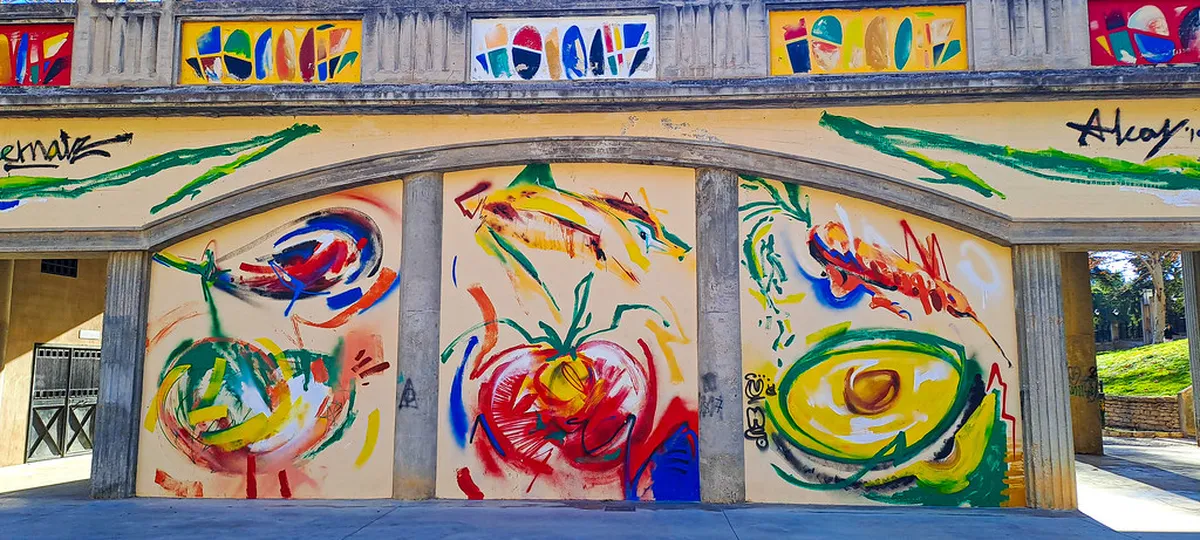
The mushrooms were installed to revitalize the area and attract more local business. We found that it has become one of the most Instagrammed spots in town. You can find several small boutiques and tapas bars along the way. The street is entirely pedestrianized, making it a safe place for kids to run. It provides a nice break from the more traditional historic sights of the city. Most people spend about 15 to 20 minutes here taking pictures.
It is located just a few blocks away from the main Town Hall square. You can easily include it in your walk between the Old Town and the marina. The bright colors are especially vivid on a sunny Mediterranean afternoon. Check out our guide on things to do in Alicante with kids for more. This street is always a highlight for younger travelers.
Puerto de Alicante (The Marina)
The modern marina is a great place to see luxury yachts and enjoy the sea air. It has been extensively renovated and now features many shops and restaurants. I enjoyed the walk along the pier during the golden hour. Access to the public walkways is free and open throughout the day and night. You can find boat tours departing from various points along the waterfront.
The area comes alive in the evening as people head out for dinner and drinks. We found that the restaurants here offer great views but can be slightly pricier. It is a popular spot for both tourists and local residents. You can find the Volvo Ocean Race Museum located at the far end of the pier. It offers a look into the world of professional offshore sailing and racing. The museum usually has a small entry fee of around €4.
The marina is also the departure point for the ferries heading to Tabarca Island. Make sure to check the departure boards for the latest boat schedules and prices. It is a hub of nautical activity all year round. Our Alicante nightlife guide features several bars located right on the water. These spots offer a sophisticated atmosphere for an evening cocktail.
Tabarca Island Day Trip
Tabarca Island is the only inhabited island in the Valencian Community and a protected marine reserve. It features a small, walled village and crystal-clear waters for snorkeling. I found the boat ride to be a refreshing escape from the city. Ferries depart from the Alicante marina several times a day, especially during the summer. The round-trip ticket usually costs between €18 and €22 per person.
The journey takes about 50 minutes to an hour depending on the sea conditions. We hit the island at 11:00 AM and found the main beach already filling up. Exploring the quiet streets of the village is a great way to avoid the heat. Most visitors stay for about 5 to 6 hours before taking the afternoon boat back. You should bring your own snorkeling gear to explore the rocky coves and fish. The island is famous for its traditional 'caldero' fish stew.
Make sure to book your boat tickets at least 30 minutes before your desired departure. During peak weekends, the boats can reach capacity quite early in the day. It is a fantastic day trip for nature lovers and swimmers. For more ideas, look at our list of the best day trips from Alicante. There are many other coastal towns worth exploring nearby.
Fuegos Del Sur Brasería
This steakhouse is a local favorite for those who appreciate high-quality grilled meats. They specialize in traditional Spanish cuts prepared over an open flame for maximum flavor. I was impressed by the attentive service and the cozy atmosphere. The restaurant is located near the city center and is popular for both lunch and dinner. We recommend making a reservation at least a day in advance.
Expect to pay around €30 to €50 per person for a full meal with wine. We found that the portions are quite generous and perfect for sharing with friends. The house specialty is the aged beef, which is cooked to perfection. Typical dinner hours in Spain start late, usually around 8:30 PM or 9:00 PM. If you prefer a quieter experience, try booking an earlier slot at 8:00 PM. The staff is very knowledgeable about their wine selection and pairings.
The decor is rustic yet modern, creating a very comfortable dining environment for guests. It is a great choice for a special occasion or a final holiday dinner. You will find a mix of locals and savvy tourists here. Check out our best restaurants in Alicante guide for more dining tips. There are many great tapas spots nearby for a lighter meal.
Highbar Rooftop Bar Alicante
Located atop the Odyssey Rooms, this bar offers some of the best views in the city. You can see the castle, the cathedral, and the Mediterranean Sea all at once. I found it to be the perfect spot for a sunset drink. The bar usually opens in the late afternoon, around 5:00 PM or 6:00 PM. It is a popular spot, so arriving early is a very good idea.
Cocktails here typically cost between €10 and €15, which is fair for the view. We found that the atmosphere is chic yet relaxed, with comfortable lounge seating. It is a great place to unwind after a long day of walking. Reservations are highly recommended, especially on Friday and Saturday evenings during the summer. You can often book a table through their website or social media pages. The sunset timing varies, so check your weather app before you go.
The bar is located right in the heart of the historic center near the Town Hall. It is easy to find and provides a unique perspective on the city's rooftops. You will definitely want to bring your camera for the panoramic shots. Stay nearby at the Hotel Odyssey Rooms for easy access. This boutique hotel is one of our top recommendations for the area.
Avenida De Maisonnave
This is the main commercial artery of the city and a dream for shoppers. It features two large El Corte Inglés department stores and many international fashion brands. I found it to be a great place for a rainy-day activity. The stores are generally open from 10:00 AM until 9:30 PM or 10:00 PM. Most shops remain open throughout the afternoon, unlike smaller local boutiques.
The wide sidewalks make it easy to browse the many window displays at your leisure. We found that the area is very busy on Saturday afternoons with local shoppers. It is located about a 15-minute walk from the historic Old Town. You can find everything from high-end luxury goods to affordable fast-fashion retailers here. There are also several pharmacies and specialty shops located on the side streets. It is the best place in the city to update your wardrobe.
The street is well-served by local buses and the tram system for easy access. Several parking garages are available nearby if you are traveling with a rental car. It is a modern contrast to the ancient streets of the Santa Cruz district. For more shopping tips, see our guide on where to stay in Alicante. Many visitors prefer staying near this district for the convenience of the stores.
Book in Advance for Alicante
While Alicante is generally relaxed, some attractions require a bit of forward planning. This ensures you don't miss out on the most popular experiences during your stay. I recommend booking your top choices at least a week before you arrive. Timed entry is becoming more common for major landmarks and specialized tours. This helps manage the flow of visitors and improves your overall experience.
Popular restaurants like Fuegos Del Sur can fill up quickly, especially on weekends. We found that booking a table two days in advance is usually sufficient for most spots. For peak summer dates, you might want to extend that to a week. The castle elevator and Tabarca ferry don't usually require advance booking but can have long queues. Arriving early is the best way to handle these non-ticketed logistics. It saves you from waiting in the hot sun for an hour.
If you plan on taking a guided tour, those should be booked several days ahead. This is especially true for small-group walking tours or specialized food tastings. You can find many reputable options online through major travel platforms. Check our how to get to Alicante guide for booking your transport early too. Trains from Madrid can sell out during the busy holiday periods.
Add an Extra Day: Day-Trip Add-On
If you have more than two days, I highly recommend exploring the surrounding region. The Costa Blanca is filled with charming mountain villages and hidden coastal gems. A day trip can provide a wonderful change of scenery and pace. The most famous option is the stunning Guadalest Valley Info, which is about an hour away. It features a castle perched on a cliff and a beautiful turquoise reservoir.
Another great option is visiting the nearby palm groves of Elche, a UNESCO World Heritage site. You can reach it in about 20 minutes by train or car from the center. It offers a unique landscape that feels very different from the coast. We found that renting a car for a day gives you the most flexibility for these trips. However, many organized bus tours depart from the marina area daily. These are a great hassle-free way to see the sights without driving.
For beach lovers, a trip to Playa de San Juan Location is a must. It is a much larger and more spacious beach than the central Postiguet. You can reach it easily via the local tram system in 20 minutes.
Food in Alicante: What to Eat
Alicante sits in the heart of rice country, so the local cuisine leans heavily on rice dishes and fresh Mediterranean seafood. The signature plate here is not the famous Valencian paella but rather 'arroz a banda', a rice cooked in fish stock and served separately from the seafood. I found the local 'caldero' fish stew to be another unmissable specialty, especially out on Tabarca Island. Salazones, or salt-cured fish, are a classic tapas snack you will see in most traditional bars.
A common question first-timers ask is whether to order tapas or paella. The honest answer is that authentic rice dishes are almost always a lunchtime affair, traditionally served between 1:30 PM and 3:30 PM. Restaurants rarely cook a proper paella for one or two people in the evening, so plan your big rice meal for lunch. Save the evenings for a relaxed tapas crawl, hopping between bars for small plates and a glass of local Alicante DO wine.
- Lunch (rice dishes): arroz a banda, caldero, seafood paella — order for two or more
- Evening (tapas): salazones, montaditos, croquetas, jamón, local wine
- Don't miss: a glass of horchata with fartons on the Explanada
For a sit-down steakhouse experience, the Fuegos Del Sur Brasería covered above is a strong choice. For a wider spread of options across every budget, see our dedicated best restaurants in Alicante guide.
Where to Stay in Alicante
Choosing the right base makes a short trip far smoother, and Alicante offers a few distinct neighborhoods to consider. For first-time visitors, I almost always recommend staying in or near the Old Town and the Explanada, since most landmarks are within a ten-minute walk. This area puts you close to the castle, the marina, and the best tapas bars without needing any transport. The Casco Antiguo can get lively at night, so light sleepers may prefer the streets just behind the Explanada.
If you are travelling with family or prioritise a long stretch of beach, Playa de San Juan is the resort-style alternative about 20 minutes away by tram. It trades walkable old-town charm for wider sands and a quieter, more spacious feel. Business travellers and shoppers often pick the area around Avenida de Maisonnave for its modern hotels and easy transport links. Wherever you land, the compact city centre means you are never far from the action.
- Old Town / Explanada — best for first-timers and sightseeing on foot
- Playa de San Juan — best for beach days and families
- Maisonnave / centre — best for shopping and transport convenience
For a full neighborhood breakdown with hotel picks, read our guides on the best area to stay in Alicante and where to stay in Alicante.
Best Time to Visit Alicante
Alicante enjoys one of the mildest climates in mainland Spain, with over 300 days of sunshine a year. The sweet spot for most travelers is the shoulder season — May, June, September, and early October — when temperatures sit comfortably in the mid-20s Celsius and the beaches are pleasant without the peak crush. July and August bring the hottest weather and the largest crowds, so book accommodation and the Tabarca ferry well ahead if you visit then. Winter remains gentle, and you can still enjoy outdoor dining on a sunny December afternoon.
If you want to experience the city at its most festive, time your visit for the Hogueras de San Juan around 20-24 June. This is Alicante's biggest celebration, featuring giant sculptures, fireworks, and bonfires on the beach. We found the energy unforgettable, though hotel prices spike and the city fills quickly during the festival. For quieter sightseeing, the weeks just before or after offer the same warm weather without the festival rush.
Our dedicated best time to visit Alicante guide breaks the year down month by month so you can match your trip to your priorities.
How to Get Around Alicante
The good news for visitors is that Alicante's historic core is almost entirely walkable, and you can reach the castle, Old Town, marina, and Postiguet Beach on foot. For anything further afield, the TRAM Metropolitano light rail is the most useful option. Line 3 connects the city centre to Playa de San Juan in about 20 minutes, while Line 1 carries you up the coast toward Benidorm and El Campello. A single ticket costs roughly €1.45, and you can buy and top up a travel card at the stations.
City buses fill in the gaps, with frequent routes linking the centre to the beaches and the train station. Taxis and ride-hailing are readily available and reasonably priced for short hops. The main RENFE and AVE train station, Alicante-Terminal, sits a short walk west of the centre and connects you to Madrid, Valencia, and Murcia. Most visitors find they never need a rental car unless they plan to explore the wider Costa Blanca by road.
- On foot — Old Town, castle, marina, Explanada, Postiguet
- TRAM Line 3 — Playa de San Juan and the northern beaches
- Train (Alicante-Terminal) — Madrid, Valencia, day trips inland
Planning your arrival? Our how to get to Alicante guide covers airport transfers and onward connections in detail.
Frequently Asked Questions
What is Alicante best known for?
Alicante is best known for the historic Santa Barbara Castle and its beautiful Postiguet Beach. It also features the iconic palm-lined Explanada de España promenade. The city is a major hub for the Costa Blanca region.
Is 2 days enough to see Alicante?
Yes, 2 days is enough to see the main city highlights and take a short day trip. You can explore the Old Town, the castle, and the beach comfortably. Most visitors find this timeframe perfect for a first visit.
When is the best time to visit Alicante?
The best time to visit is during the spring or autumn months for pleasant weather. May, June, and September offer warm temperatures without the intense summer heat. This is also when the city is less crowded with tourists.
How do you get around Alicante?
Most of Alicante's main sights are walkable from the Old Town. For the beaches at Playa de San Juan, take TRAM Line 3 (about 20 minutes, ~€1.45). City buses and taxis cover everything else, so a rental car is rarely needed.
What should you avoid when planning a trip to Alicante?
Avoid arriving at the Central Market after 2:30 PM, as it closes for the day, and skip Sundays when it is shut entirely. Don't expect a proper paella for dinner — authentic rice dishes are a lunchtime affair. In July and August, book the Tabarca ferry and restaurants in advance.
Alicante is a city that surprises many visitors with its depth and variety. From the heights of the castle to the depths of the marine reserve, there is something for everyone. I hope this itinerary helps you plan a truly memorable trip to the coast. The combination of historic charm and modern Mediterranean life makes it a standout destination. You will leave with a new appreciation for this sun-soaked corner of Spain.
Remember to take your time and enjoy the local pace of life while you are here. The best moments often happen while sitting at a cafe or wandering a quiet alleyway. Safe travels and enjoy every moment of your Alicante adventure. If you found this guide helpful, feel free to share it with your fellow travelers. We look forward to hearing about your own favorite moments in this beautiful city.
Explore More Alicante Guides
Plan every part of your Alicante trip with our in-depth guides — from where to stay and what to eat to itineraries, day trips, and the sights worth your time.
Where to Stay & Neighborhoods
- Areas and Tips for Where to Stay in Alicante
- Best Area To Stay In Alicante Travel Guide
- Hotels in Alicante
- Budget Accommodation in Alicante
Food & Drink
- Alicante Weather by Month
- Restaurants in Alicante
- Tapas Bars in Alicante
- Places to Eat Rice Dishes in Alicante
- Rooftop Bars in Alicante for Stunning Views
Getting Around & Practical
- 9 Ways to Get to Alicante
- 7 Practical Tips for Visiting Alicante
- 10 Essential Tips for Getting Around Alicante by Tram
Best Time & Itineraries
- Best Time to Visit Alicante
- How Many Days in Alicante? 7 Key Planning Tips & Itineraries
- Alicante One Day Itinerary
- Day Trips from Alicante
- Alicante 2 Day Itinerary
- Alicante 3 Day Itinerary
- Tabarca Island Day Trip From Alicante
- 8 Tips for a Guadalest Day Trip From Alicante
- Things to Do on an Elche Day Trip from Alicante
Beaches & Nightlife
Attractions & Experiences
- Alicante Hidden Gems
- Free Things to Do and Budget Tips in Alicante
- Things to Do in Alicante with Kids
- Alicante Festivals and Bonfires of Saint John
- Santa Barbara Castle Alicante Guide
- 10 Essential Stops in Alicante Old Town & Santa Cruz Guide
- Is Alicante Worth Visiting? 8 Things to Know Before You Go
- Alicante Marina And Explanada Guide Travel Guide
You might also like


Continue reading
More guides you'll find useful