Is Alicante Worth Visiting? 8 Things to Know Before You Go
Is Alicante worth visiting? Discover the truth about this Spanish coastal city with our guide to top attractions, beaches, costs, and a comparison to Benidorm.
On this page
Is Alicante Worth Visiting? 8 Things to Know
Yes, Alicante is worth visiting for its perfect balance of historic Spanish culture and relaxing Mediterranean beaches. If you prefer a massive metropolis with endless museums, Valencia is a better alternative for your trip. I visited Alicante last May and found the local atmosphere far more authentic than nearby resort towns. Updated June 2026 after my most recent spring visit to the Costa Blanca region.
Many travelers overlook this city as just a gateway to the surrounding beach resorts. We found that staying in the city center reveals a vibrant world of tapas and history. The stunning Castillo de Santa Barbara dominates the skyline and offers incredible views. This review covers everything from costs to the best time for avoiding the summer heat.
The Verdict: Is Alicante Worth Visiting?
The city offers a genuine Spanish experience that feels lived-in rather than just built for tourists. You get a mix of a working port, a historic old town, and a modern shopping district. Most major attractions are within walking distance, making it a very low-stress destination for a weekend. We loved the "tardeo" culture where locals fill the streets for afternoon drinks and snacks.

Admission to the main castle is free, though the elevator costs about €2.70 per person. Most museums in the city charge between €3 and €5, which is excellent value for money. The Central Market is a must-visit and is open daily from 7am to 2:30pm except Sundays. Expect to pay around €15 to €25 for a high-quality mid-range meal at a local restaurant.
Verdict: Yes, it is a fantastic mid-sized city for culture and sun. Best for: Couples, history buffs, and foodies looking for an affordable and authentic coastal escape. Skip if: You want high-octane nightlife or a quiet, secluded beach with no city noise. Alternative: Malaga offers a similar vibe but with more high-end art galleries and shopping.
We recommend staying overnight rather than visiting as a quick day trip from the resorts. The city truly comes alive after the cruise ships depart and the evening lights hit the castle walls. Staying for at least two nights allows you to experience the sunset from the hilltop fortress properly. Early mornings in the Barrio de Santa Cruz are peaceful before the midday heat arrives.
- Pros: What visitors usually love
- Authentic Spanish atmosphere in the old town
- Incredible panoramic views from the free castle
- Very affordable dining and public transport options
- Beautifully tiled Explanada promenade for evening walks
- Excellent connectivity via the international airport
- Cons: What may disappoint
- Postiguet beach gets extremely crowded in summer
- Steep climbs required to explore the historic district
- Cruise ship crowds can overwhelm the narrow streets
- Humidity can be very high during August
- Limited luxury shopping compared to larger cities
Is Alicante worth the money?
Alicante remains one of the most budget-friendly coastal cities in all of Spain. A local beer usually costs under €3, and a coffee is often less than €2. Public transport is efficient, with tram tickets to nearby beaches costing around €1.45 per zone. We found that a daily budget of €60 per person covers food and sights comfortably.
Accommodation prices vary by season but generally stay lower than in Barcelona or Madrid. You can find charming boutique hotels in the old town for roughly €100 per night. Budget travelers can find many free things to do throughout the city center. The local The Central Market of Alicante offers fresh produce at local prices for those self-catering. One surprising cost was the price of water at beachfront cafes, so buy from supermarkets instead.
Here's what surprised me about the local pricing during my last visit. The set lunch menus, known as "menu del dia," are exceptionally good value here. For about €12, we enjoyed three courses including wine and bread near the market. Avoid the restaurants directly on the Explanada if you want to save money on meals.
- Typical Daily Costs
- Hostel bed: €25 to €40 per night
- Mid-range hotel: €90 to €150 per night
- Simple breakfast: €4 to €7 per person
- Casual dinner: €15 to €25 per person
- Tram ticket: €1.45 per single journey
Top Things to Do in Alicante
The Castillo de Santa Barbara is the absolute highlight of any visit to the city. Walking up through the Parque de la Ereta provides stunning views of the coastline. The fortress is open from 10am to 8pm during the busy spring and summer months. I recommend visiting about an hour before sunset for the most dramatic photo opportunities.

Strolling along the Explanada de España is a quintessential local experience you cannot miss. The walkway features 6.5 million marble tiles arranged in a distinctive wavy pattern. Lined with palm trees and craft stalls, it is the perfect place for people-watching. The nearby marina offers a chance to see impressive yachts and enjoy the sea breeze.
The best beaches in Alicante are surprisingly clean for a city-center location. Playa del Postiguet is right at the foot of the castle and is very convenient. For a quieter experience, take the tram to Playa de San Juan just north of the center. This expansive beach offers golden sand and much more space even during the peak season.
- Must-See Attractions
- Santa Barbara Castle for panoramic views
- Barrio de Santa Cruz for historic architecture
- Explanada de España for the iconic tiling
- Alicante Central Market for local food culture
- MARQ Archaeological Museum for regional history
When to Visit: Weather and Crowd Calendar
Choosing the right time to visit can make or break your experience in Alicante. July and August are the hottest months and see the highest number of tourists. We found the humidity in August made sightseeing quite difficult during the middle of the day. Many locals head to the mountains or north to escape the intense summer heat.
The shoulder seasons of May to June and September to October are the best times. Temperatures are pleasant for walking, and the sea is often warm enough for swimming. Crowds are significantly thinner, allowing for a more relaxed pace in the old town. Check the best time to visit Alicante for specific festival dates like the Bonfires.
Winter is surprisingly mild, making it a great destination for a sunny escape. While it may be too cold for swimming, the clear blue skies are perfect for hiking. Prices for accommodation drop significantly between November and March, excluding the Christmas period. Be aware that some beach-focused restaurants might have shorter operating hours in winter.
- Crowd Calendar Guide
- July–August: Saturated with peak summer crowds
- May–June: Ideal balance of weather and space
- September–October: Warm water and fewer families
- April: Pleasant but occasionally rainy days
- January–February: Quietest months for budget travelers
Alicante vs. Benidorm: What's the Catch?
Many people confuse these two destinations, but they offer completely different travel experiences. Benidorm is famous for its massive skyscrapers, theme parks, and British-style nightlife. Alicante retains a much more traditional Spanish feel with historic plazas and local markets. The architecture in Alicante is varied, featuring Gothic churches and beautiful modernist buildings.

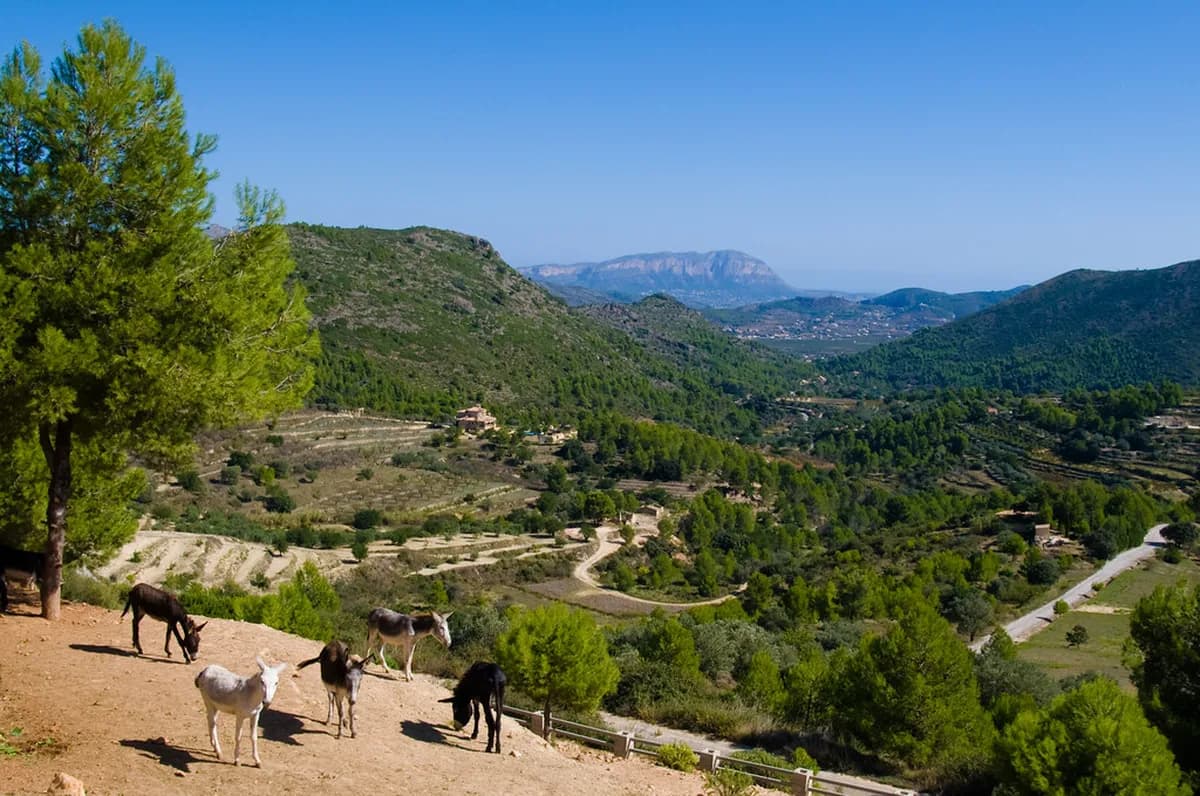
If you want all-inclusive resorts and non-stop partying, Benidorm is likely your best choice. Travelers seeking culture, history, and authentic tapas will vastly prefer the atmosphere in Alicante. We noticed that the service in Alicante restaurants felt more personal and less transactional. Alicante serves as a better base for exploring the stunning Guadalest Valley and other inland villages.
The city doesn't feel like it was built solely for the purpose of tourism. You will hear Spanish spoken everywhere, and the shops cater to locals first. This authenticity is the main reason why many people find Alicante so charming. It offers a slice of real life that is often missing from high-density resort areas.
- Key Differences
- Alicante: Historic charm and local culture
- Benidorm: High-rise hotels and theme parks
- Alicante: Walkable city with a castle
- Benidorm: Focused on mass-market beach tourism
- Alicante: Better for foodies and couples
Alicante FAQs: Safety and Budget
Alicante is generally considered a very safe city for international tourists and solo travelers. Standard precautions against pickpockets should be taken in crowded areas like the beach promenade. The city is well-lit at night, and the main tourist areas remain busy until late. Local police are visible and helpful if you need directions or assistance.
Deciding how many days in Alicante depends on your interest in day trips. Three days is usually enough to see the city highlights and enjoy the beach. If you want to visit Tabarca Island or the mountains, plan for at least five days. The pace of life is slow, so don't try to rush your itinerary.
One common pitfall is visiting the castle during the hottest part of the day. The stone walls reflect the heat, making it feel much warmer than the city below. Always bring water and wear comfortable shoes for the uneven historic pathways. We found that using the elevator up and walking down was the best strategy.
- Practical Tips
- Book castle elevator tickets in advance online
- Most shops close for siesta in the afternoon
- Tipping is appreciated but not strictly required
- Tap water is safe but tastes quite chlorinated
- Learn basic Spanish greetings to help build rapport
For the full picture, see our complete things to do in Alicante guide.
Frequently Asked Questions
Is Alicante a safe place to visit?
Yes, Alicante is very safe for tourists. Violent crime is rare, though you should watch for pickpockets in busy areas like Postiguet Beach. Most neighborhoods are perfectly safe to walk through at night.
How many days in Alicante is enough?
Three days is the ideal amount of time for a city break. This allows you to explore the castle, the old town, and spend a day at the beach. Add more days for trips to Tabarca Island.
Is Alicante better than Benidorm?
It depends on your travel style. Alicante is better for history, culture, and a local feel. Benidorm is superior for those seeking high-rise resorts, theme parks, and intense international nightlife.
Alicante is a hidden gem that offers much more than just a convenient airport location. The combination of affordable prices and rich history makes it a standout Mediterranean destination. I highly recommend it for anyone wanting a relaxed but culturally significant Spanish holiday. You can find more travel inspiration on our Spain travel blog for your next adventure.
Whether you are exploring the castle or eating tapas, the city never fails to charm. Avoid the peak summer heat to see the city at its absolute best. Alicante truly proves that you don't need a massive budget to enjoy the Costa Blanca.
You might also like


Continue reading
More guides you'll find useful