El Escorial Day Trip From Madrid Travel Guide
Plan el escorial day trip from madrid with top picks, neighborhood context, timing tips, and practical booking advice for a smoother trip.
On this page
El Escorial Day Trip From Madrid
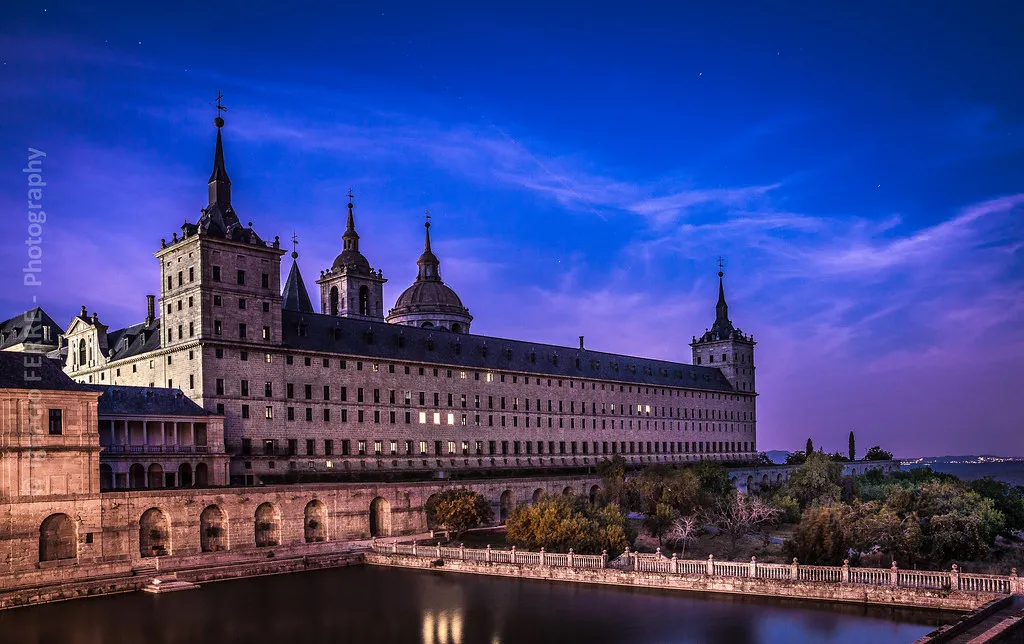
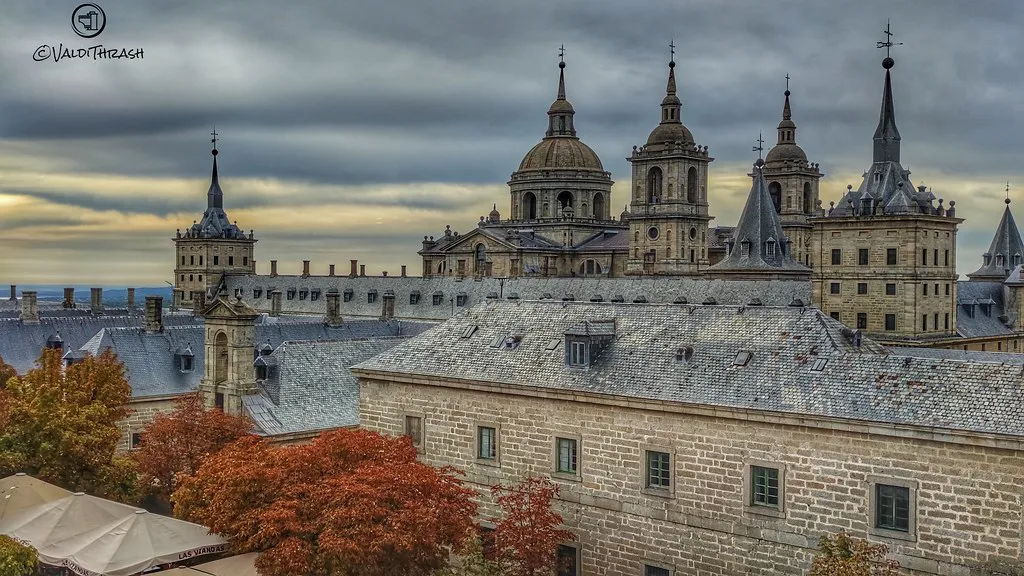
El Escorial is one of the most rewarding the best day trips you can make. The Royal Monastery of San Lorenzo de El Escorial sits about 49 km northwest of the capital, in the foothills of the Sierra de Guadarrama. It combines a palace, basilica, royal tombs, museum, and one of the finest Renaissance libraries in the world — all inside a single granite complex.
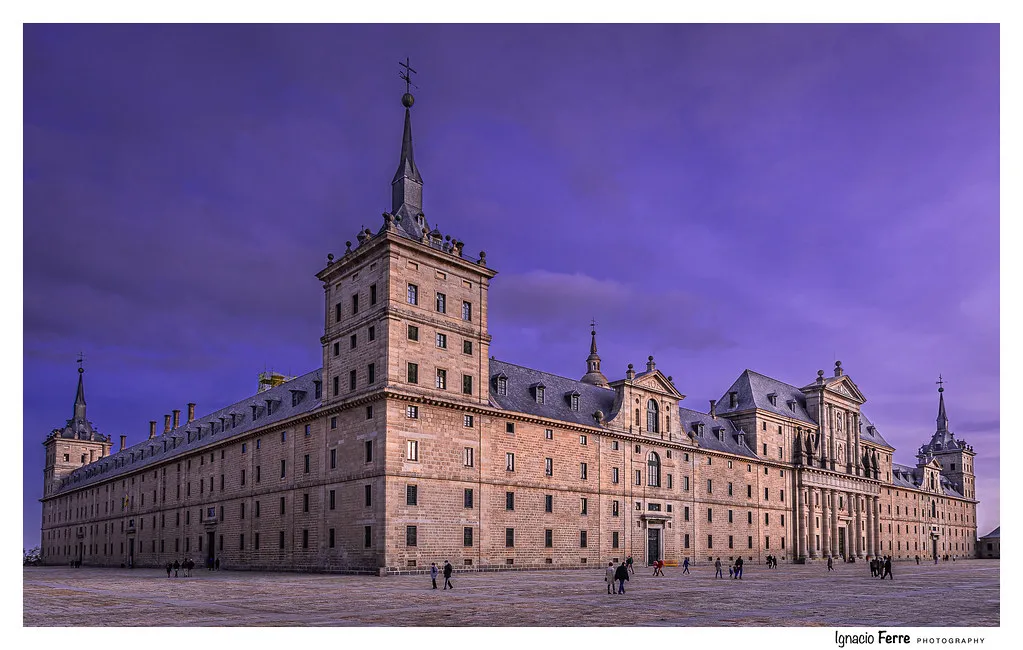
A UNESCO World Heritage Site since 1984, the building took 21 years to construct and stands as the largest Renaissance building in the world. The surrounding town of San Lorenzo de El Escorial is quietly charming, with cobblestone streets, good lunch options, and a forested hillside viewpoint above the monastery that most visitors skip entirely.
This guide covers everything you need: what you will actually see room by room inside the monastery, how long to allow, how to get there by train, bus, or car, ticket prices, the free entry windows, and a few things competitors rarely mention.
Plan with trusted sources: cross-check opening hours and seasonal details with the official Madrid tourism site, and read more about the city on its Wikipedia entry before you go.
A Brief History of El Escorial
King Philip II commissioned El Escorial in 1563 as a monastery, royal palace, and mausoleum — initially to house the remains of his parents, Holy Roman Emperor Charles V and Isabella of Portugal. Construction lasted until 1584, designed first by Juan Bautista de Toledo and completed by Juan de Herrera, whose austere Herrerian style defines the entire complex.
Philip II ruled Spain during its Golden Age, a period that included the conquest of the Incan Empire, the Spanish Armada, and the Inquisition. He died at El Escorial in 1598 after years confined to his modest bedroom, deliberately positioned so he could watch Mass from his deathbed without leaving his chamber.
Every Spanish monarch since has been buried in the Royal Pantheon beneath the basilica — with two exceptions. The complex also housed a university and a hospital during its active monastic years. Understanding this layered history makes each room significantly more interesting when you walk through it.
Inside the Monastery: What You'll Actually See
The interior tour follows a set route. It begins at the Patio of the Kings, the first courtyard behind the main gates, named for the six large statues of the kings of Judah — David, Solomon, Hezekiah, Jehoshaphat, Josiah, and Manasseh — carved into the basilica's façade. From there you move through the Museum of Architecture, which displays original construction drawings and scale models, and the Museum of Art, which holds Flemish, Spanish, and Italian paintings from the 16th and 17th centuries.
The Basilica of San Lorenzo is the spiritual and architectural centrepiece. Its patron saint, St. Lawrence, was martyred in 258 AD by being roasted alive on a gridiron — the story goes that he eventually told his torturers to turn him over because he was done on one side. The basilica's floor plan mirrors that gridiron shape. Inside, a monumental retablo rises to the ceiling, flanked by royal oratories where Philip II and other monarchs could attend Mass in private.
The Royal Palace surprises visitors with its modesty. Philip II's bedroom is notably small, with plain white walls and no ornamentation. He reportedly chose this as penance in his final years. The later Palace of the Bourbons, added by Charles IV, is the opposite: a long, tapestry-lined suite of rooms that feels deliberately opulent against Philip's stark chambers.
Deep below the basilica, the Royal Pantheon holds the sarcophagi of most Spanish kings and queens since Charles I. The circular chamber is clad in black marble and gilded bronze, lit by a single chandelier. Adjacent to it is the Panteón de los Infantes, where royal children and consorts are buried. The sight of dozens of small coffins — many from infants who died young during the Habsburg era, when dynastic inbreeding caused high infant mortality — is genuinely affecting.
The tour ends in The Library, the room most visitors remember longest. Over 40,000 books and 4,700 manuscripts line the shelves, and the vaulted ceiling carries elaborate frescoes representing the seven liberal arts. The bookshelves face spine-inward — the books were shelved with their pages outward to protect the spines from light. A sign above the exit still threatens excommunication to anyone who steals a volume.
Tickets, Prices, and the Free Entry Windows
In 2026, a full-price ticket to the Royal Monastery costs €14 per person. An audio guide, which most visitors strongly recommend for making sense of the rooms, costs an additional €5. Without a guide — audio or human — the rooms can feel like anonymous stone chambers.
What almost no travel blog spells out clearly: entry is free every Wednesday and Sunday between 15:00 and 18:00. If your schedule is flexible, arriving on a Sunday around 14:45 lets you join the free queue and still get a solid two to three hours inside. The trade-off is that these windows attract larger crowds. On a quiet Tuesday morning with a paid ticket, you will have long stretches of the monastery largely to yourself.
The monastery is closed on Mondays and on certain public holidays. Opening hours Tuesday through Sunday are 10:00 to 18:00. Book tickets in advance at the official Patrimonio Nacional website, especially between June and September, when queues at the door can run 45 minutes or more.
Note: photography is not permitted inside the building. The only spots where cameras are allowed are outside and in the Patio of the Kings. This catches many visitors off guard. The gift shop sells postcards and prints if you want a visual record.
How Long Does the Visit Take?
The monastery alone, with an audio guide, takes most visitors three to four hours. The complex has over 4,000 rooms, 1,200 doors, and 2,600 windows — you are not seeing all of it, but the set tour route covers the highlights thoroughly. Rushing takes around two hours and leaves you feeling you missed the detail.
If you add a walk through the monastery's three gardens — the Friars' Garden, the King's Garden, and the Queen's Garden — allow another 30 to 45 minutes. If you want to hike to the Silla de Felipe II (King Philip II Chair) viewpoint, that adds another two hours round-trip. A full day of about eight hours, including travel, covers everything comfortably.
For a half-day option: take the 09:00 bus from Moncloa, arrive around 10:30, tour the monastery until 14:00, have lunch in town, and catch a return bus by 16:00 to be back in Madrid by 17:30. That schedule works well for travellers who want the afternoon free in the city.
Getting to El Escorial From Madrid
Three practical options connect Madrid to San Lorenzo de El Escorial. Each has real trade-offs worth knowing before you decide.
By bus is the most convenient choice for most visitors. Lines 661 and 664 depart from Intercambiador de Moncloa bus station roughly every 30 minutes. The journey takes about one hour and drops you at San Lorenzo de El Escorial bus station, a 10 to 15 minute walk from the monastery entrance. Buses run from around 07:30 to 22:00. The fare is under €5 each way.
By train (Cercanías) you take the C8-a line from Atocha or Chamartín stations. The train ride itself is around 55 minutes. The catch is that El Escorial train station sits at the bottom of the hill, about 30 minutes on foot from the monastery. Most train travellers take a taxi or the local bus from the station — factor in the extra 10 to 15 minutes and a few euros.
By car, drive the A-6 motorway northwest from Madrid for 43 km and take exit 47. The total drive is around 50 minutes in normal traffic. Parking is available at Plaza de la Constitución near the monastery. This is the most flexible option if you plan to do the King Philip II Chair hike or visit the outlying royal houses.
| Option | Departure point | Journey time | Walk to monastery | Approx. cost |
|---|---|---|---|---|
| Bus (661/664) | Moncloa Intercambiador | ~60 min | 10–15 min | <€5 each way |
| Train (Cercanías C8-a) | Atocha / Chamartín | ~55 min | 30 min (or taxi) | ~€4 each way |
| Car (A-6, exit 47) | Madrid city centre | ~50 min | Parking at Plaza de la Constitución | Fuel + parking |
Organised day tours from Madrid typically include coach transport, a local guide, and entry tickets. Many also combine El Escorial with the Valle de los Caídos. You can book a combined El Escorial and Valley of the Fallen day trip from Madrid, transport included, or book monastery entry only if you prefer to travel independently.
Beyond the Monastery: Town, Gardens, and the King's Chair
San Lorenzo de El Escorial deserves more than a rushed pass-through. The old town has cobblestone streets, a decent selection of restaurants serving Castilian cooking — roast lamb and suckling pig appear on most menus — and a pleasant central square. Lunch here after the monastery tour is a more enjoyable experience than eating at the on-site café.
The monastery's three gardens are free to enter and undervisited. The Queen's Garden blooms with roses in late spring and early summer. The Friars' Garden has clipped hedges and long shaded walks. Both are good places to decompress after the dense historical interior.
The hike to La Silla de Felipe II (King Philip II Chair) starts from Parque Adolfo Suárez, just outside the monastery gardens. The trail is 5.4 km, with 160 metres of elevation gain, rated easy, and takes about two hours return including time at the top. The viewpoint is a natural rock formation — legend says Philip II sat here to watch the monastery's construction. The panorama from the top looking back down at the complex and the surrounding Sierra de Guadarrama is worth every step. Wear shoes with grip; the descent on some trail sections is loose.
On weekends only, two additional royal buildings open: the Casita del Príncipe (Royal House of the Prince), a neoclassical palace built in the 1770s for Carlos IV, and the Casita del Infante (Prince's Cottage), designed by architect Juan de Villanueva for Gabriel of Bourbon. Both are small, ornate, and crowd-free compared to the main monastery. If your visit falls on a Saturday or Sunday, they are worth adding to your itinerary.
Practical Tips for Your Day Trip
Arrive early. The monastery opens at 10:00 and the first hour is noticeably quieter than the mid-morning rush that builds between 11:00 and 13:00, especially in July and August. Weekday mornings in autumn are the least crowded time of year to visit.
Take the audio guide. Without context, many rooms feel like empty stone chambers. With it, Philip II's bedroom, the Pantheon, and the library all become genuinely moving. The guide costs €5 and is available in multiple languages.
Wear comfortable shoes with good grip. The interior involves long corridors, staircases, and uneven stone floors. If you plan to hike to the King's Chair afterwards, trail shoes or proper walking shoes are worth the planning.
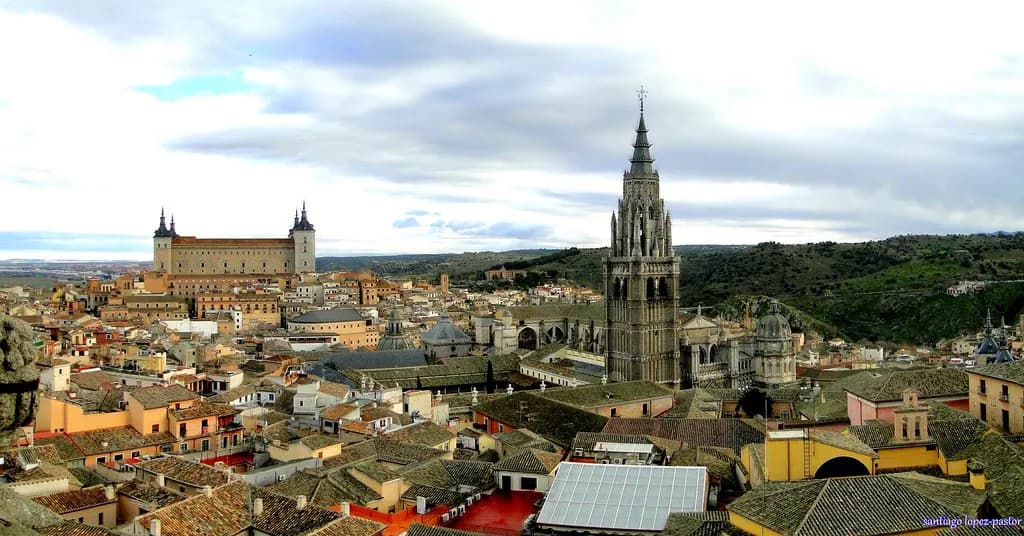
The monastery visit fits naturally into a broader Madrid itinerary. Most travellers do El Escorial on a day when they want a break from the capital's museums, or as a half-day extension before or after visiting other day trips from Madrid such as Toledo or Segovia. The bus connection makes it easy to combine with an evening back in the city.
Frequently Asked Questions
Which El Escorial day trip from Madrid options fit first-time visitors?
First-time visitors often benefit from an organized tour to El Escorial. These tours typically include transportation, entry tickets, and a guide. This simplifies logistics and provides valuable historical context. Alternatively, taking a direct bus from Madrid's Moncloa station is also a straightforward option.
How much time should you plan for El Escorial day trip from Madrid?
Plan for a full day, roughly 6-8 hours, for an El Escorial day trip from Madrid. This includes travel time (about 1 hour each way) and 3-4 hours inside the monastery. If you wish to explore the charming town of San Lorenzo de El Escorial, allocate extra time.
What should travelers avoid when planning El Escorial day trip from Madrid?
Avoid visiting without pre-booked tickets, especially during peak tourist seasons. This prevents long queues and potential disappointment. Also, do not underestimate the amount of walking involved; wear comfortable shoes. Lastly, avoid rushing your visit to truly appreciate this vast historical site.
Is El Escorial day trip from Madrid worth including on a short itinerary?
Yes, an El Escorial day trip from Madrid is definitely worth including, even on a short itinerary. Its historical significance and architectural grandeur make it a highlight. If time is very limited, consider a half-day guided tour focusing on the main monastery highlights.
El Escorial rewards visitors who give it time. The monastery's exterior is fortress-like and deliberately austere — the real experience is inside, room by room, with the context of four centuries of Spanish royal history. Allow at least a half-day for the monastery itself, more if you want the gardens and the viewpoint hike.
Getting there is straightforward. The bus from Moncloa is the easiest option for most travellers. If budget matters, time your arrival for the Wednesday or Sunday free-entry window. Either way, book your audio guide — it transforms the visit.
From the child-sized coffins of the Royal Pantheon to the library's spine-inward bookshelves and the view from King Philip II's chair looking back down at the mountain valley he watched being built — El Escorial is not a place you forget quickly. It earns its place on any serious Madrid itinerary.
You might also like


Continue reading
More guides you'll find useful