

Best Time To Visit Málaga: A Month-by-Month Guide
Discover the best time to visit Málaga with our comprehensive month-by-month guide, covering weather, events, and top activities for every season.
On this page
Best Time To Visit Málaga: A Month-by-Month Guide
Málaga sits on Spain's Costa del Sol and enjoys over 300 days of sunshine a year — which makes the question of timing less obvious than it sounds. The city genuinely works in every month. What changes is the heat, the crowd density, the price of accommodation, and the calendar of events. For most visitors, late spring (May to early June) and early autumn (September to October) hit the sweet spot: manageable temperatures, warm sea, and full cultural programming. Summer means peak-season crowds and real heat. Winter is Málaga's secret weapon for budget travellers who do not mind trading beach days for museum afternoons and spectacular Christmas lights.
Plan with trusted sources: cross-check opening hours and seasonal details with the official Andalusia tourism board, and read more about the city on its Wikipedia entry before you go.
What is the Best Time to Visit Málaga?
The honest answer depends on what you want from the trip. If comfortable sightseeing and pleasant beach days matter most, May and September stand out. Temperatures sit between 22–28°C, sea water is warm enough to swim (20°C in May, 20°C in September), and the main attractions have short queues. Both months also carry strong event calendars: International Museum Day (18 May, free entry) and the Málaga Jazz Festival in November bookend the high shoulder seasons.
If budget is the priority, January and February offer the lowest hotel rates and virtually no queues anywhere. The tradeoff is shorter daylight (sunset around 18:00) and an average of 5–6 rainy days per month. Conversely, July and August deliver heat, long beach days, and the famous Feria de Málaga, but daytime temperatures regularly hit 30–35°C and accommodation costs peak. Most repeat visitors avoid August for sightseeing and return in September when the city empties out but the warmth lingers.
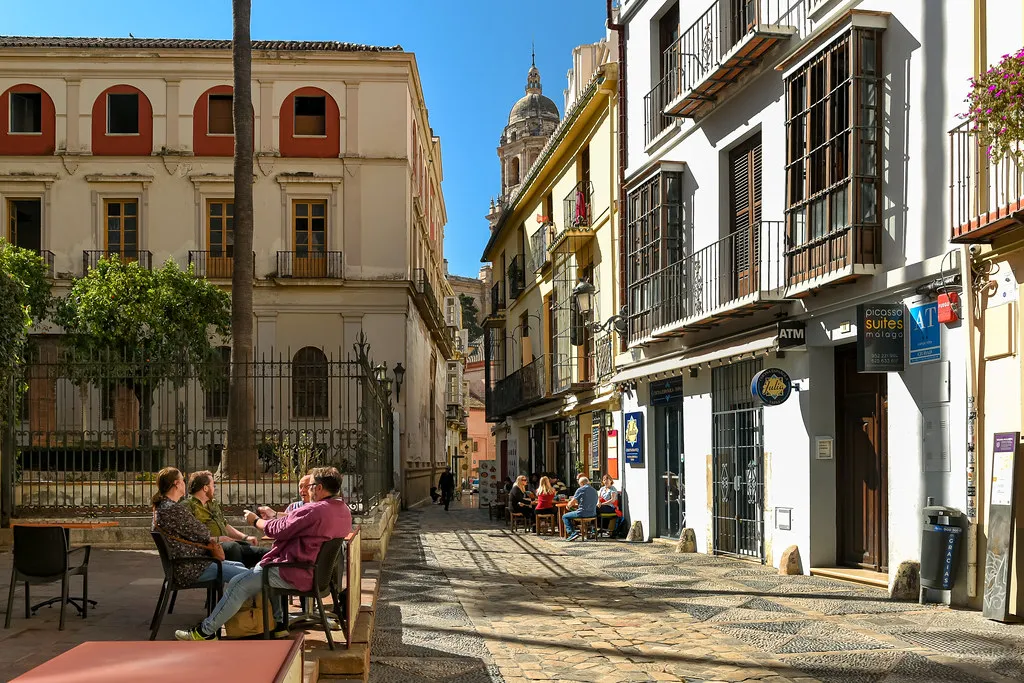
Málaga in Spring (March–May): Weather, Events & Activities
Spring arrives early on the Costa del Sol. By March, daytime temperatures average 20°C with about 4–5 rainy days — warm enough for al fresco lunch but cool enough to walk for hours. The Málaga Film Festival takes place in mid-March, drawing Spanish cinema's biggest names to Calle Larios, where a red carpet stretches the full length of the street. If Holy Week (Semana Santa) falls in late March or early April (in 2026 it runs 29 March–5 April), you will see the city's most spectacular religious processions, with floats bearing Baroque religious sculpture paraded through the old town by candlelight after dark.
April steps up to 22°C average, and the Concepción Botanical Garden fills with wisteria in full bloom — a detail that surprises first-timers expecting a beach city. May is arguably the month where everything clicks: 24°C average, a sea temperature of 20°C, and barely four rainy days. On 18 May, International Museum Day gives free entry and often English-language guided tours at the Picasso Museum, the Carmen Thyssen, and the Automobile and Fashion Museum. Later in May, Noche en Blanco turns a Saturday evening into a free, city-wide arts festival with outdoor performances across the centre.
Spring is the best time to hike the Caminito del Rey as a day trip from Málaga. The cliffside trail runs along the Guadalhorce gorge about 60 km north of the city. Cooler temperatures make the exposed walkways comfortable, and the landscape is green. Tickets sell out weeks ahead in peak spring; book at least two to three weeks in advance and aim for a weekday if possible. Bus transfers from Málaga city centre connect to the trailhead in under 90 minutes.
Málaga in Summer (June–August): Weather, Events & Activities
June is the month locals describe as near-perfect: 26°C average, sea at 22°C, and one rainy day in the entire month. The Tango Festival brings concerts to the Cervantes and Echegaray Theatres, and the Noche de San Juan beach festival on 23 June ends with a midnight firework display. Sightseeing is still comfortable, especially in the morning before noon. The city's famous shaded awnings go up on Calle Larios in mid-June, making the main shopping street walkable even on hotter days.
July and August are peak heat: 28–30°C average with overnight minimums around 21°C. Practical sightseeing should happen before 11:00 or after 17:00. The beaches — La Malagueta closest to the centre, El Palo and Pedregalejo farther east — are packed by 10:00. Every museum and monument is air-conditioned, making afternoon culture sessions an attractive midday refuge. Sea temperatures reach 24°C, the warmest of the year. The Feria de Málaga dominates August, running 15–22 August in 2026: a week of free live concerts, fairground rides, traditional flamenco dress, and late-night dancing at the fairground site east of the port.
One event most visitors miss: on 16 July, the Virgen del Carmen procession takes place in the fishermen's neighbourhoods of El Palo and Pedregalejo. The patron saint of seafarers is carried from the church, down to the beach, and launched on a boat into the sea accompanied by a flotilla of small vessels. It is a genuinely local celebration, far removed from the tourist-facing Feria, and one of the most atmospheric evenings of the Málaga summer. The walk from the city centre takes about 40 minutes along the beach promenade, or take bus line 11 to Pedregalejo.
Málaga in Autumn (September–November): Weather, Events & Activities
September is consistently ranked by repeat visitors as the best month in Málaga. Schools return around 10–12 September, crowds thin quickly, and the heat drops to a very manageable 28°C average. The sea stays warm at 20°C through October. Temporary art exhibitions open throughout September and October, and the Málaga Fashion Week transforms Calle Larios into the longest outdoor catwalk in Europe for two evenings. On 27 September, World Tourism Day brings free entry and guided tours to the Alcazaba, the Roman Theatre, and the cathedral.
October (24°C average, sea at 17°C) is excellent for mixed beach-and-city trips. Picasso was born in Málaga on 25 October, and the city celebrates his birthday through the month with special exhibitions and events centred on the Picasso Museum and the house where he was born on Plaza de la Merced. Crowds at major sites are noticeably smaller than in July, and you can explore the Alcazaba at a slow pace without a queue at the entrance (ticket price: €3.50 in 2026; combined with Gibralfaro €5.50).
November cools to 20°C average with 5–6 rainy days. The Málaga Jazz Festival — one of Spain's most respected jazz events — brings international acts to the Cervantes Theatre and the smaller Echegaray Theatre for about two weeks. It is worth timing a trip around if you enjoy live music, as tickets remain reasonably priced and the city is pleasantly quiet. The roasted chestnut vendors (castañeros) appear on street corners from late October, and chocolate con churros season moves indoors at the city's traditional cafeterías.
Málaga in Winter (December–February): Weather, Events & Activities
Winter is Málaga's underrated season. Daytime temperatures average 17–18°C in December and January, with sunshine most days and roughly 6 rainy days per month. That is warmer than many European cities in summer. Evening temperatures drop to 8–10°C, so a mid-weight jacket is necessary after dark. One practical detail all the travel guides miss: most private apartments in Málaga lack central heating, relying on reverse-cycle air-conditioning or portable electric heaters. If you book a holiday apartment in December or January, check specifically whether it has adequate heating, as cold nights in a poorly insulated flat can catch visitors off guard.
December is one of the best months for the city centre. The Christmas lights on Calle Larios are nationally famous — the displays change design each year and the illuminations run from late November through to January. The lights are switched on ceremonially in late November, so a visit from late November onwards catches the full display. A Christmas market near the cathedral sells turrón (Andalusian nougat), handcrafted ornaments, and local food. On New Year's Eve, Plaza de la Constitución fills for the midnight grape tradition: locals eat 12 grapes on each stroke of the clock for good luck in the new year. The Three Kings parade on 5–6 January closes out the festive calendar.
February brings Carnival (Carnaval de Málaga), one of the most colourful events of the year. Over 10 days, the city stages costumed parades, satirical song competitions (the chirigota groups perform comic routines in the Cervantes Theatre), and late-night celebrations in the streets around Plaza de la Constitución. The festival wraps up with the Entierro del Boquerón — the "Burial of the Anchovy" — a satirical funeral procession for a giant papier-mâché anchovy that marks the official end of the festivities. It is a uniquely Andalusian piece of absurdist tradition. For budget travellers, January outside the Christmas holiday window is the cheapest month: flights cost the least, hotel rates drop by 30–50% compared to August, and every museum is walkable without a queue.
Monthly Weather in Málaga: A Detailed Breakdown
The table below shows average daytime temperature, typical rainy days per month, and sea temperature based on historical AEMET (Spanish Meteorological Service) data. Sea temperature matters because the Mediterranean stores heat slowly — it peaks in August–September, which is why late summer swimming is so good even as air temperatures cool.
| Month | Avg. Temp (°C) | Rainy Days | Sea Temp (°C) | Notes |
|---|---|---|---|---|
| January | 17 | 6 | 15 | Quietest month; winter sales; Three Kings parade (5–6 Jan) |
| February | 18 | 5 | 15 | Carnival; cold evenings; cheapest prices |
| March | 20 | 5 | 16 | Film Festival; spring bloom; early Semana Santa in some years |
| April | 22 | 5 | 18 | Semana Santa 2026 (29 Mar–5 Apr); Botanical Garden wisteria |
| May | 24 | 4 | 20 | International Museum Day (18 May); Noche en Blanco; rose gardens |
| June | 26 | 1 | 22 | Tango Festival; Noche de San Juan; near-perfect sightseeing |
| July | 28 | 0 | 24 | Peak heat; Virgen del Carmen (16 Jul); festival season |
| August | 30 | 1 | 24 | Feria de Málaga 15–22 Aug; hottest month; highest prices |
| September | 28 | 2–3 | 20 | Crowds thin post-10 Sep; Fashion Week; World Tourism Day |
| October | 24 | 6 | 17 | Picasso birthday events; autumn exhibitions; comfortable hiking |
| November | 20 | 6 | 16 | Jazz Festival; chestnuts on street corners; Christmas lights from late Nov |
| December | 18 | 7 | 16 | Christmas lights on Calle Larios; festive market; New Year's grapes |
April and October have the highest statistical rainfall, but even so, five to six rainy days means many more dry ones. Carry a compact umbrella in shoulder seasons and you are covered. The Costa del Sol's microclimate shelters Málaga from the colder inland air of interior Andalusia, which is why the city stays mild even in January when Granada (just 90 km north) can sit below freezing.
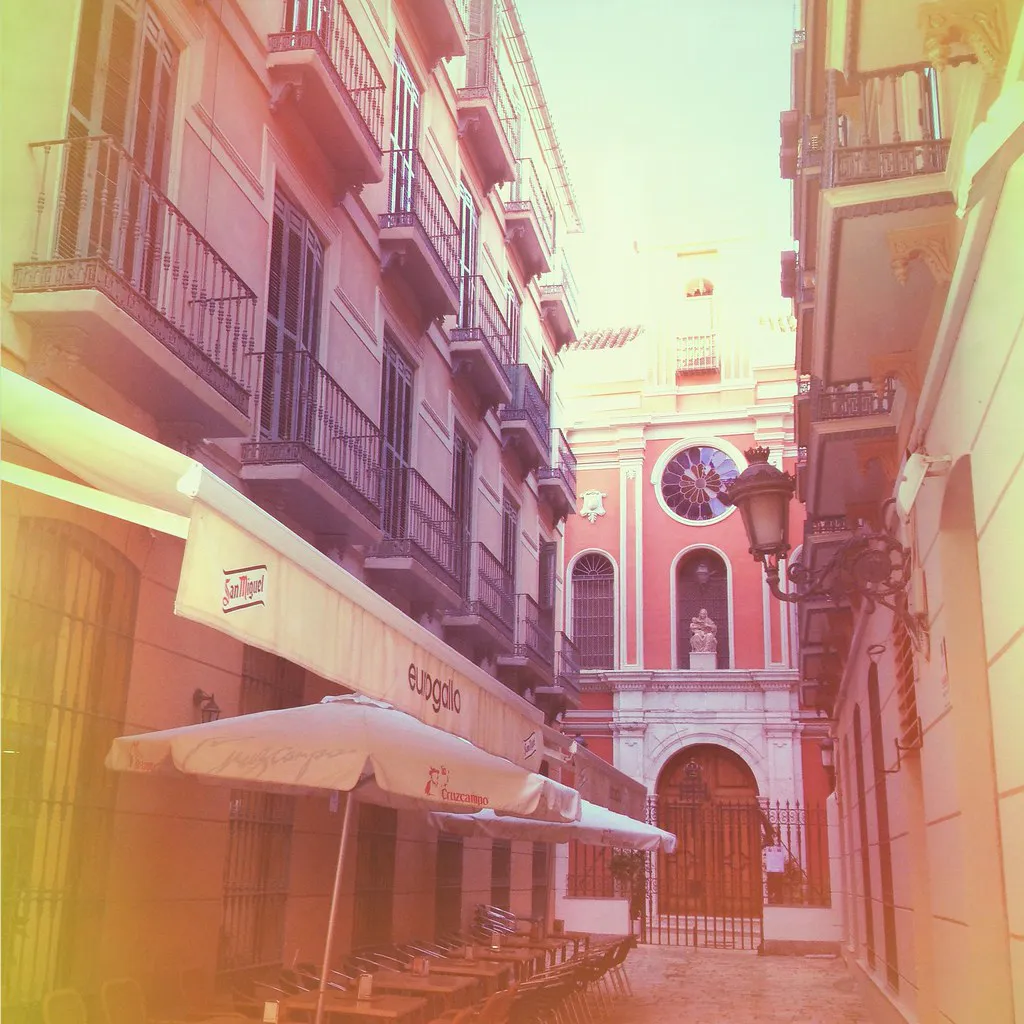
Top Things To Do In Málaga By Season
Málaga's core sights work across every season, but the experience shifts significantly depending on when you visit. Discover more things to do in Málaga to plan your full itinerary around the right season for your priorities.
- Spring: Walk the old town before 10:00 to catch the light on the cathedral's façade before tour groups arrive. The Concepción Botanical Gardens peak in April. The Caminito del Rey gorge hike is at its best in March–May — book tickets at least two weeks ahead.
- Summer: Mornings at La Malagueta beach (arrive before 09:30 for a good spot), museum afternoons from 13:00–17:00 to escape peak heat, and Feria evenings at the fairground or impromptu street dancing near the city hall in August.
- Autumn: The Alcazaba and Gibralfaro Castle are most enjoyable in October when daytime heat has fully eased. The view from the castle ramparts over the port and old town is exceptional in clear autumn light. Free entry days on 27 September (World Tourism Day) make it worth planning a visit that week.
- Winter: Málaga's museum circuit is at its most accessible. The Picasso Museum, Carmen Thyssen Museum, and the quirky Automobile and Fashion Museum can all be visited on foot in a single day without queuing. Evening walks along Calle Larios for the Christmas lights are a genuine highlight from late November through early January.
A detail worth knowing for summer visitors: the Roman Theatre, just below the Alcazaba entrance, is free to visit year-round and rarely crowded even in August. The small interpretive centre alongside it explains the site's history; combine it with the Alcazaba in a single morning before the heat builds.
Museums of Málaga: Year-Round Cultural Gems
Málaga has more museums per square kilometre than almost any city of its size in Spain — a legacy of the early-2000s investment that transformed the port area and city centre. The Picasso Museum (Palacio de Buenavista, Calle San Agustín) is the anchor: housed in a 16th-century palace, it holds over 200 works spanning Picasso's full career. Entry costs around €12 in 2026; free entry is available on Sunday afternoons from 17:00 until closing. Queues are longest in July and August; arrive at opening (10:00) or book online.
The Carmen Thyssen Museum on Calle Compañía focuses on 19th-century Andalusian painting — landscapes, flamenco scenes, and portraits of local life that give real context to the city you are walking around. Entry is around €10; free on Sundays. The Automobile and Fashion Museum (Avenida de Sor Teresa Prat) is the surprise addition: it pairs vintage cars with haute couture from the same era in themed rooms, and it rarely gets the attention it deserves. Entry is approximately €9.50.
On 18 May (International Museum Day), most Málaga museums offer free entry and extra guided tours, often in English. On 27 September (World Tourism Day), the main monuments including the Alcazaba, Gibralfaro, and the Roman Theatre offer free access. Both dates are worth planning around if you are flexible. Checking opening times is a good practical tip for visiting Málaga — hours change seasonally, particularly at smaller venues.
Explore Málaga's Top Historic Sights: When to Visit
The Alcazaba (Moorish fortress, 11th century) and the Castillo de Gibralfaro (14th century) are best visited in spring or autumn when the uphill walks are comfortable and the views from the battlements are sharp. In July and August, both sites become exposed and hot by mid-morning — go at 09:00 or accept a sweaty climb. The combined ticket is €5.50 and covers both. The Alcazaba closes for lunch (14:00–16:00) from November to March; plan accordingly if visiting in winter.
Málaga Cathedral ("La Manquita" — the one-armed lady, because its second tower was never built) is a short walk from the Picasso Museum. The Gothic-Renaissance interior is cooler than the street on hot summer days. Admission is around €6; the rooftop tour costs extra and runs in limited time slots — book ahead in summer. The Roman Theatre directly below the Alcazaba is free entry throughout the year and is the least crowded major monument in the city even in peak season.
Málaga's historical centre rewards early-morning walking in any season. The narrow streets around Plaza de la Merced (Picasso's birthplace), the Soho arts district south of Calle Larios, and the port promenade at Muelle Uno feel different before the tour groups arrive at 10:00. In winter, the same streets are calm throughout the day, and the low-angle winter sun creates warm light on the whitewashed facades until mid-afternoon.
Where to Stay in Málaga: Seasonal Recommendations
The historic centre (Centro Histórico) is the best base in any season. You can walk to the Alcazaba, the cathedral, the Picasso Museum, and the beach from a central hotel. In summer, proximity to the beach and nightlife is the priority; in winter, being near the museum cluster and evening restaurant scene matters more. Read the full guide on where to stay in the city for neighbourhood breakdowns and specific recommendations.
Seasonal price swings in Málaga are significant. A mid-range hotel in the centre that costs €80–100 per night in August can drop to €45–60 in January. Carnival week in February is an exception — prices rise around the main parade dates, and accommodation fills up. Similarly, Feria de Málaga week in August is the single most expensive period of the year. Booking 6–8 weeks ahead for Feria is wise; for any other period, 2–3 weeks is usually sufficient for good availability.
Budget travellers who want Málaga in winter should note the heating issue mentioned above: apartments without central heating can feel cold on January and February nights when temperatures drop to 8–10°C. Check property listings carefully. Hotels with climate-control systems avoid this problem. If you are set on an apartment, look for those listing "heating" or "calefacción" explicitly in the amenities. The alternative — staying near a beach chiringuito — will not help you in January.
Hike the Caminito del Rey from Málaga: Seasonal Tips
The Caminito del Rey is one of the most dramatic day trips available from any city in Andalusia. The trail follows a restored cliffside walkway above the Guadalhorce gorge, with the most exposed sections suspended 100 metres above the river. The one-way trail is approximately 8 km; total time on site is around 4 hours including the approach walk. Entry costs €10 in 2026 and must be booked online in advance at caminitodelrey.info — slots sell out weeks ahead between March and October.
Spring (March–May) and autumn (September–October) are the optimal seasons for the hike. Temperatures are mild, the landscape is green in spring, and the exposed sections are not dangerous in the midday heat. Summer bookings are possible but bring extra water and sun protection — there is minimal shade on the boardwalk sections and temperatures at the gorge in July can exceed 35°C. Avoid winter bookings on rainy days; some sections close after heavy rain.
Transport from Málaga: a direct bus runs from Álamo bus station (near María Zambrano train station) to the Caminito del Rey start point at El Chorro, with return buses scheduled. Journey time is around 80–90 minutes. Alternatively, RENFE cercanías trains to El Chorro run from Málaga María Zambrano in about 70 minutes. The bus option is generally easier for timing the return.
Frequently Asked Questions
What is the best month to visit Malaga for good weather?
For consistently good weather, May and September are excellent choices. Temperatures are mild, typically ranging from 20-28°C (68-82°F). You will find less rain and comfortable conditions for sightseeing and outdoor activities.
Is Malaga too hot in July and August?
Yes, July and August in Málaga can be very hot, with daily highs often exceeding 30°C (86°F). The 'siesta heat' makes midday exploration challenging. These months are best for beach holidays and evening activities.
When is the cheapest time to go to Malaga?
The cheapest time to visit Málaga is typically during the low season, from November to February. Excluding the Christmas and New Year holidays, you will find lower prices for flights and accommodation. Crowds are also significantly smaller during these months.
Málaga rewards visitors in every month, but the decision really comes down to your priorities. May and September offer the best balance of weather, activities, and manageable crowds. Summer delivers beach energy and Feria but comes with heat and price tags. Winter — especially December for the Christmas lights and February for Carnival — suits travellers willing to swap beach time for culture and authenticity at a fraction of the cost. No matter when you visit, book the Caminito del Rey, arrive early at the Alcazaba, and leave one evening free for a slow walk along Calle Larios. Plan how many days you need based on the season and your list of priorities.
You might also like


Continue reading
More guides you'll find useful


