14 Best Day Trips from Alicante (2026)
Discover the best day trips from Alicante, from the colorful streets of Villajoyosa to the mountain fortress of Guadalest. Includes transport guides and local tips.
On this page
14 Best Day Trips from Alicante (2026)
After spending three summers navigating the sun-drenched roads of the Costa Blanca, I have found that Alicante is the perfect base. While the city itself is vibrant, the real magic lies in the diverse landscapes just an hour away in any direction. Many travelers ask is Alicante worth visiting for more than a weekend, and the answer is a resounding yes. The variety of nearby mountain fortresses, white-washed villages, and hidden coves makes it a premier destination for explorers.
This guide was last refreshed in June 2026 after my most recent coastal road trip through the Alicante province. I have personally visited each of these spots, dealing with the parking headaches and finding the best local rice dishes. Our editors have reviewed these routes to ensure the transport details and pricing remain accurate for the current season. Whether you prefer the ease of the TRAM or the freedom of a rental car, these excursions offer something for every traveler.
14 Best Day Trips from Alicante (2026)
Planning your excursions requires a mix of coastal charm and inland history to truly see what this region offers. You will find that many of these things to do in Alicante surroundings are accessible via public transport. I recommend grouping your trips by direction to save time and maximize your holiday schedule. Most coastal spots are best visited in the morning to avoid the intense heat of the Spanish afternoon sun.

The list below covers everything from UNESCO World Heritage sites to hidden modernist architectural wonders. I have included specific transport lines and typical costs to make your trip planning as seamless as possible. Remember that some mountain roads are quite winding, so plan accordingly if you are prone to motion sickness. Always carry some cash for smaller villages where card machines can occasionally be temperamental.
For those who enjoy active adventures, there are plenty of opportunities for hiking and water sports. You can even go rafting on the Júcar River if you want a break from the beach. This specific activity is a fantastic way to see the inland nature that most tourists completely overlook. Make sure to book your specialized tours at least a week in advance during the peak summer months.
- Altea's Iconic White-Washed Old Town and Blue-Domed Church
- This stunning coastal village features steep cobblestone streets lined with whitewashed houses and vibrant bougainvillea.
- Most visitors spend 4–6 hours exploring the hilltop church plaza and the local craft boutiques nearby.
- Entry to the town is free, and the church is open daily from 10 am to 8 pm.
- Take the L9 TRAM from Benidorm or drive 50 minutes north along the scenic N-332 highway.
- Arrive before 10 am to photograph the famous blue domes before the midday crowds arrive.
- Villajoyosa's Rainbow Houses and Valor Chocolate Museum
- Famous for its brightly painted fisherman houses, this town offers a more authentic feel than neighboring resorts.
- The Valor Chocolate Museum is a must-visit for families, offering free guided tours and delicious tastings.
- Tours run Monday to Saturday from 10 am to 7 pm, but you should book online in advance.
- Reach this colorful spot in 35 minutes using the L1 TRAM line from Alicante's Luceros station.
- Try the local chocolate with churros at the seafront cafes for a perfect afternoon treat.
- Guadalest Mountain Fortress and San Jose Castle
- Perched on a dramatic limestone pinnacle, this medieval village offers breathtaking views over a turquoise reservoir.
- Entry to the San Jose Castle costs approximately €4 per adult and is open daily from 10 am.
- The drive from Alicante takes about an hour through winding mountain roads with spectacular scenery.
- Parking at the base of the village costs around €2 for the entire day.
- Visit the Micro-Miniatures Museum for a quirky experience that children and adults both enjoy.
- Elche's UNESCO Palm Grove and Huerto del Cura
- Elche is home to Europe's largest palm grove, featuring over 200,000 trees across the entire city.
- The Huerto del Cura garden is a private botanical oasis with an entry fee of roughly €6.
- Gardens are typically open from 10 am to 6 pm, with hours extending slightly in the summer.
- Getting here is easy via the C1 Cercanias train which takes only 25 minutes from Alicante terminal.
- Eat the local Arroz con Costra, a traditional rice dish topped with a baked egg crust.
- Tabarca Island Marine Reserve and Snorkeling Crystal Waters
- This inhabited island is a protected marine reserve located just a short boat ride from the mainland.
- Return ferry tickets from Alicante harbor cost between €15 and €20 depending on the season.
- Boats depart throughout the day starting at 10 am and return by 6 pm in the evening.
- Pack your own snorkeling gear to explore the rocky coves filled with diverse Mediterranean fish.
- Avoid the overpriced harbor restaurants and head into the village backstreets for better value seafood.
- Benidorm Skyline Views and Terra Mitica Theme Park
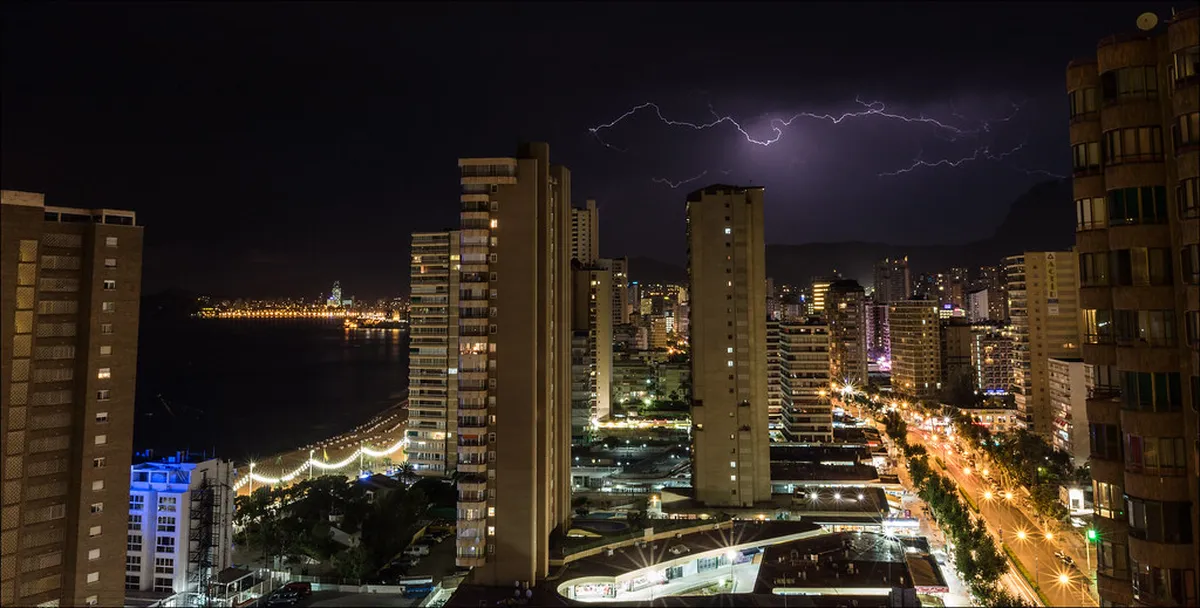
- Known for its towering skyscrapers, Benidorm offers a mix of beach life and high-energy entertainment.
- Terra Mitica theme park tickets usually range from €30 to €50 depending on online booking discounts.
- The park is open seasonally from June to September, typically from 10 am until late evening.
- The L1 TRAM connects Alicante to Benidorm in about 75 minutes for a very low cost.
- Walk up to the Mediterranean Balcony for the best panoramic photos of the two main beaches.
- Calpe's Peñón de Ifach Rock and Salt Lake Flamingos
- The massive limestone outcrop of Peñón de Ifach is the most recognizable landmark on the Costa Blanca.
- Hiking to the summit is free but requires a mandatory online reservation due to daily visitor limits.
- The trail is open from sunrise to sunset, but the upper section is quite rugged and steep.
- Drive 1 hour north or take the TRAM L1 and transfer to the L9 for a longer journey.
- Look for the wild flamingos in the salt lake located right in the center of the town.
- Murcia City and the Baroque Cathedral of Santa Maria
- Murcia is a grand inland city known for its impressive baroque architecture and lively tapas culture.
- The Cathedral is free to enter, though climbing the bell tower costs approximately €5 per person.
- Most monuments are open from 10 am to 5 pm, with a traditional siesta break in between.
- The ALSA bus or the RENFE Media Distancia train takes about 1 hour from Alicante center.
- Head to Plaza de las Flores for the city's best outdoor dining and people-watching opportunities.
- Cartagena's Roman Theatre and Ancient Naval History
- This historic port city features a stunningly preserved Roman Theatre discovered only in the late 1980s.
- Museum entry is roughly €6 per adult and includes access to the archaeological site and exhibits.
- The site is open Tuesday through Sunday from 10 am to 8 pm during the summer months.
- Driving takes about 1 hour and 15 minutes via the AP-7 toll road from Alicante.
- Take the panoramic lift up to Conception Castle for a bird's-eye view of the entire harbor.
- Novelda's Modernist Sanctuary of Saint Mary Magdalene
- This unique sanctuary is often called a 'Little Gaudi' due to its striking Catalan Modernism style.
- Entry to the sanctuary and the adjacent castle ruins is free for all visitors throughout the year.
- Opening hours are usually 10 am to 2 pm and 5 pm to 8 pm daily.
- The drive is a quick 30-minute trip inland from Alicante via the A-31 highway.
- Visit the Casa Museo Modernista in the town center to see incredible period furniture and decor.
- Javea's Cala Granadella and Historic Fishing Port
- Javea is famous for its rugged coastline and the crystal-clear waters of Cala Granadella beach.
- Access to the beach is free, but parking is strictly limited and often fills by 9 am.
- The town is split between the historic center, the port, and the main Arenal beach area.
- A rental car is the only practical way to reach Javea, taking about 1 hour and 15 minutes.
- Book a kayak tour to explore the sea caves that are inaccessible from the shore.
- Denia's Moorish Castle and Gastronomic Creative Port
- Denia is a UNESCO City of Gastronomy with a rich history centered around its hilltop castle.
- Castle entry is approximately €3 and provides excellent views of the marina and the Montgo mountain.
- The castle is open daily from 10 am to 7 pm, with extended hours during the summer.
- Take the TRAM L1 to Benidorm and transfer to the L9 for a scenic but long journey.
- Try the famous red prawns of Denia at the local market for a true gourmet experience.
- Canelobre Caves in Busot and the Highest Vault in Spain
- These prehistoric caves feature a 70-meter high vault that resembles a cathedral made of stone.
- Guided tours cost around €7 per adult and last approximately 45 minutes inside the caverns.
- The caves are open daily from 10 am to 6 pm, but check for seasonal schedule changes.
- The drive to Busot takes 30 minutes from Alicante, or you can take a local bus.
- Wear a light jacket as the temperature inside the caves remains a constant 18 degrees Celsius.
- Júcar River Nature and Adventure Rafting Experiences
- The Júcar River offers a lush, green contrast to the arid coastal landscapes of the Costa Blanca.
- Professional rafting trips typically cost between €40 and €60 per person including all safety equipment.
- Excursions are usually available from April through October and require pre-booking with a guide.
- The river access points are located about 1 hour and 30 minutes inland from Alicante.
- Bring water shoes and a waterproof camera to capture the stunning canyon scenery during your trip.
How Long Should You Spend in Alicante?
Deciding how many days you need in Alicante depends heavily on your interest in these day trips. If you only want to see the city highlights, three days is usually sufficient for most travelers. However, I recommend staying for at least five to seven days if you plan on taking multiple excursions. This allows you to balance busy travel days with relaxing afternoons on the local sands.
A five-day itinerary allows for two full days of exploring the city and three separate day trips. I personally suggest picking one coastal town, one mountain village, and one historical city like Murcia. This variety ensures you don't feel overwhelmed by seeing too many similar white-washed villages in a row. You will also have enough time to enjoy the famous nightlife without feeling rushed the next morning.
For those with a full week, you can delve deeper into the hidden gems of the province. You might consider a 'Three-Town Loop' combining Villajoyosa, Altea, and Guadalest into a single long day. This is only feasible with a rental car and requires an early start to beat the tour buses. Longer stays also mean you can wait for the best weather before heading to Tabarca Island.
Costa Blanca Travel Tips: Transport and Logistics
Navigating the region is surprisingly easy thanks to the TRAM Metropolitano and the RENFE train network. The TRAM L1 is your best friend for reaching Benidorm and transferring to the L9 for northern towns. I always tell visitors to buy a 'Bono' card at the station to save money on multiple journeys. The TRAM is incredibly scenic as it hugs the coastline, offering views you can't see from the highway.
For inland cities like Murcia or Elche, the RENFE Cercanias C1 line is the fastest and most reliable option. Trains depart from the main Alicante Terminal and are generally very punctual and air-conditioned. Tickets can be purchased at the self-service machines in the station lobby using cash or card. Be aware that these trains can get crowded during the morning commute and late afternoon.
Renting a car provides the most flexibility, especially for reaching mountain spots like Guadalest or the caves. Most major rental agencies have offices at both the Alicante Airport and the main train station. Driving in Spain is straightforward, but parking in historic centers like Altea can be a nightmare in August. I once spent 45 minutes circling Altea before giving up and parking nearly a mile away.
What to Skip: Honest Editorial Advice
While most guides praise every destination, I believe it is important to know what might under-deliver. The main harbor restaurants on Tabarca Island are often overpriced and offer mediocre quality compared to the mainland. I suggest walking just two blocks into the village to find smaller family-run spots with better prices. You will save money and likely enjoy a much more authentic 'Caldero' rice dish.
Benidorm's Levante Beach is another spot that can be overwhelming due to the sheer volume of tourists. If you want a beach day, the smaller coves in Javea or Villajoyosa offer a much more peaceful atmosphere. The 'Benidorm Strip' is great for a wild night out but lacks the cultural depth of the surrounding area. Manage your expectations if you are looking for traditional Spanish charm in the skyscraper district.
Finally, avoid visiting the inland cities like Murcia or Elche during the peak of a summer heatwave. Temperatures can easily exceed 40 degrees Celsius, making walking tours quite uncomfortable and even dangerous. Save these cultural escapes for slightly cooler days or visit them very early in the morning. The coastal breeze makes the seaside towns much more bearable during the intense July and August heat.
Where to Stay in Alicante for Easy Day Trips
Choosing where to stay in Alicante is crucial for efficient day-tripping. The area around Plaza de los Luceros is the most convenient for those relying on the TRAM system. This central hub connects all major lines and is within walking distance of the main shopping district. You can easily hop on a train after breakfast and be in a new town within an hour.

If you plan on using the RENFE trains frequently, look for accommodation near the Estación de Tren. This neighborhood is slightly more residential and often offers better value for money than the Old Town. It is also a great spot for finding authentic local bakeries and coffee shops that aren't aimed at tourists. The walk to the seafront from here takes about 15 to 20 minutes through pleasant avenues.
Travelers with a rental car should consider staying slightly outside the historic center to find hotels with parking. Parking in the narrow streets of the Old Town is nearly impossible and often restricted to residents. Many hotels near San Juan beach offer private garages and easy access to the main highways. This allows you to bypass city traffic when heading out on your morning adventures.
Frequently Asked Questions
Where can I go from Alicante by train?
You can reach Elche in 25 minutes and Murcia in about an hour using the RENFE Cercanias C1 line. For coastal towns like Benidorm or Denia, use the TRAM Metropolitano system from Luceros station.
Do you need a car for day trips from Alicante?
A car is not required for coastal towns or major cities, as the TRAM and trains are excellent. However, you will need a car to reach mountain villages like Guadalest or remote beaches in Javea.
What is the best day trip from Alicante for families?
Villajoyosa is the top pick for families due to its colorful houses, sandy beaches, and the free Valor Chocolate Museum. The town is flat and easy to navigate with strollers compared to hilly Altea.
Alicante serves as a magnificent gateway to the diverse treasures of the Costa Blanca and beyond. From the historical depths of Cartagena to the palm-filled horizons of Elche, each trip offers a unique perspective on Spanish life. I hope this guide helps you plan an unforgettable journey through one of my favorite corners of the Mediterranean.
Before you head out, remember to check the best beaches in Alicante to round out your itinerary. The combination of city life and easy excursions makes this region a place you will want to return to year after year. Safe travels and enjoy the sun, the history, and of course, the incredible local food.
You might also like


Continue reading
More guides you'll find useful