

7 Best Areas to Stay in Seville for Tourists (2026)
Plan best area to stay in seville with top picks, neighborhood context, timing tips, and practical booking advice for a smoother trip.
On this page
7 Best Areas to Stay in Seville for Tourists (2026)
After three visits to Seville over five years, I've learned that choosing the right neighborhood dramatically shapes your experience. This guide, last refreshed in November 2025, distills my insights to help you find the best area to stay in Seville. Whether you seek historic charm, vibrant nightlife, or quiet luxury, Seville offers a district perfectly suited to your travel style. Let's explore the unique character of each area, ensuring your stay in this Andalusian gem is unforgettable.
Plan with trusted sources: cross-check opening hours and seasonal details with the official Andalusia tourism board, and read more Seville's history on its Wikipedia entry before you go.
The 7 Best Neighborhoods in Seville for Tourists (2026)
Seville's diverse neighborhoods each offer a distinct flavor, from ancient winding alleys to bustling modern boulevards. Understanding these differences is key to finding the best area to stay in Seville that aligns with your travel goals. Our curated list focuses on accessibility, atmosphere, and proximity to key attractions. We've considered various budgets and preferences to ensure a perfect match for every visitor.
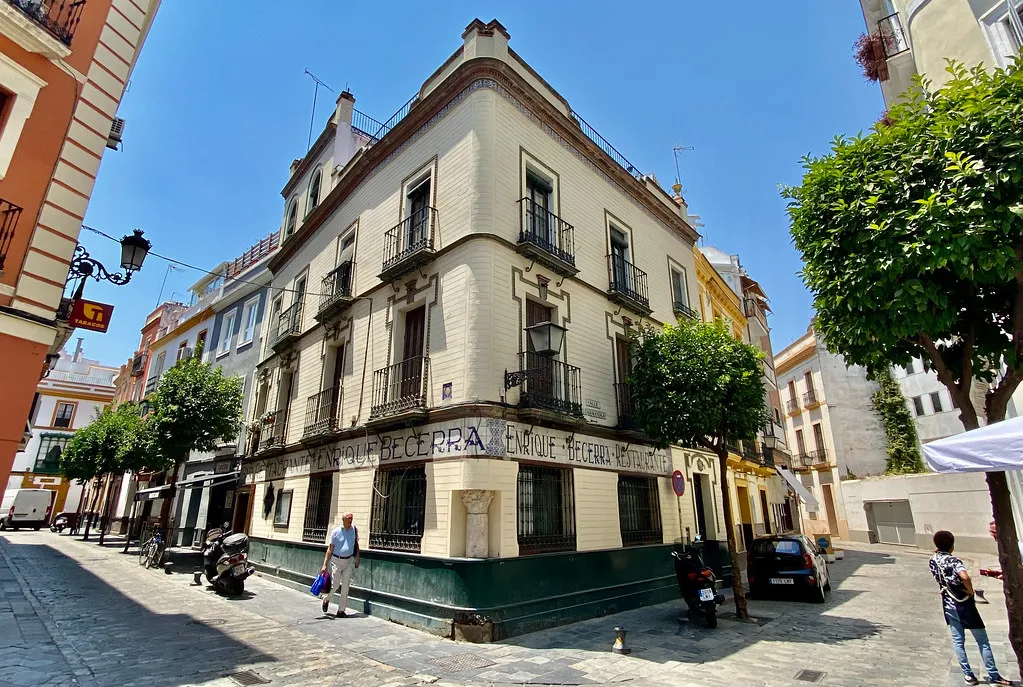
For first-time visitors, proximity to the main sights is often a priority. Those returning might seek a more local experience or a quieter retreat. Consider what kind of evening atmosphere you prefer and how much walking you're comfortable with. This guide aims to simplify your decision-making process.
- Barrio Santa Cruz (Historic Charm & Central)
- This ancient Jewish quarter offers a labyrinth of narrow, cobbled streets and flower-filled patios, perfect for romantic strolls.
- It's right next to the Cathedral and Alcázar, making it ideal for sightseeing on foot.
- Expect a vibrant atmosphere, charming boutique hotels, and plenty of tapas bars, though it can be crowded.
- Rooms typically range from €80–€200 per night, and many shops close for siesta from 2 PM to 5 PM.
- Triana (Authentic Flamenco & Local Vibe)
- Located across the Guadalquivir River, Triana is known for its ceramic workshops, lively market, and authentic flamenco.
- It offers a more local, less touristy experience with excellent traditional eateries.
- Walk across the Puente de Isabel II to reach the center; accommodation is often slightly more affordable than Santa Cruz.
- Prices for stays generally run €70–€180, and the market is open daily from 9 AM to 3 PM.
- El Arenal (Riverside & Bullring)
- Nestled between the river and the city center, El Arenal is home to the Maestranza Bullring and Torre del Oro.
- It combines historic architecture with a sophisticated dining scene and vibrant nightlife.
- This area offers easy access to both the old town and Triana, perfect for those who want to explore widely.
- Hotels here usually cost €90–€250 per night, and many riverside restaurants stay open late.
- La Alameda de Hércules (Bohemian & Nightlife)
- This grand, tree-lined boulevard is a hub for Seville's bohemian crowd, filled with trendy bars, live music venues, and independent shops.
- It's a fantastic choice for younger travelers and those seeking a lively, alternative nightlife scene.
- While a bit further north from the main attractions, it's well-connected by bus and offers a more local feel.
- Budget-friendly hostels and guesthouses can be found for €50–€120, with most bars open until late.
- Macarena (Authentic Local Life & History)
- Known for its iconic Basilica de la Macarena and ancient city walls, this neighborhood provides a glimpse into traditional Sevillian life.
- It's less touristy and offers a more authentic experience with local markets and family-run tapas bars.
- Accommodation is generally more affordable here, making it a great option for budget-conscious travelers.
- Expect prices around €60–€150 per night; the Basilica is open daily from 9 AM to 2 PM and 5 PM to 8 PM.
- Nervión (Modern & Shopping)
- As Seville's modern business and commercial district, Nervión boasts shopping malls, department stores, and contemporary hotels.
- It's ideal for those seeking modern comforts, excellent transport links, and a quieter atmosphere away from the tourist crowds.
- While not as charming as the historic center, it offers good value and a different side of Seville.
- Mid-range hotels typically cost €80–€180, and shopping centers are open until 10 PM.
- Los Remedios (Quiet Luxury & Parks)
- South of Triana, Los Remedios is a more affluent residential area with wide avenues, elegant buildings, and proximity to Parque de María Luisa.
- It offers a peaceful, upscale environment, perfect for families or those desiring a tranquil retreat.
- While a short walk or tram ride from the center, it provides a sense of calm and green spaces.
- Higher-end apartments and hotels often range from €100–€300 per night, with parks open from dawn to dusk.
What is the Main Area of Seville?
The main area of Seville, often considered its beating heart, encompasses the historic core around the Cathedral, the Alcázar, and the Barrio Santa Cruz. This zone is where most of Seville's iconic landmarks are concentrated. It's incredibly walkable, allowing visitors to easily navigate between world-famous sites. For many, this central district defines the quintessential Sevillian experience.

Staying within this central zone means you're steps away from major attractions like the Giralda Tower and Plaza de España. You'll also find an abundance of restaurants, tapas bars, and flamenco venues. However, this popularity also means higher prices for accommodation and more significant crowds, especially during peak season. Despite the bustling atmosphere, the convenience for sightseeing is unmatched.
If your itinerary is packed with historical sights and you prefer minimal travel time, this is undeniably the best area to stay in Seville. Consider booking your accommodation well in advance, particularly if visiting during Semana Santa or Feria de Abril. For a deeper dive into what to do, explore our guide on Things to Do in Seville, Spain. My own experience taught me that waking up early in Santa Cruz offers a magical, quieter start before the crowds arrive.
Which Part of Seville is Best to Stay for First-Timers?
For first-time visitors to Seville, the choice of where to stay significantly impacts the ease and enjoyment of your trip. Most experts and seasoned travelers, including myself, recommend sticking close to the historical center. This ensures you're immersed in the city's charm and have quick access to its most famous sights. The convenience often outweighs any slight price premium for a debut visit.
Barrio Santa Cruz is an exceptional choice for its unparalleled atmosphere and proximity to the Cathedral, Alcázar, and Archivo de Indias. You'll feel completely enveloped in Seville's history, with charming plazas and hidden courtyards at every turn. However, be aware that its narrow streets mean limited vehicle access, which can be a consideration if you have heavy luggage. Opt for a hotel that offers assistance with luggage upon arrival.
Alternatively, El Arenal offers a slightly more spacious feel with excellent access to the river and the bullring, while still being very central. It strikes a good balance between historical charm and modern amenities. Both areas are incredibly walkable, allowing you to explore Seville's wonders on foot without needing public transport for major attractions. Many first-timers find that staying central simplifies their visit, especially when exploring Seville's 3-day itinerary.
Tips for Staying in Seville
Planning a trip to Seville involves more than just picking the best area to stay in Seville; practical considerations enhance the overall experience. Booking your accommodation and major attraction tickets in advance is crucial, especially during spring and autumn. These are peak seasons, and popular spots fill up quickly. Checking official websites for opening hours and booking slots can save you time and disappointment.
Seville is a wonderfully walkable city, particularly its historic center. You absolutely do not need a car to explore the main sights. In fact, a car can be a hindrance due to narrow streets, limited parking, and pedestrian zones. Utilize public transportation like buses or trams for longer distances, or simply enjoy strolling through the charming neighborhoods.
Embrace the local dining schedule: dinner typically starts around 8:30 PM and can extend past midnight. Many kitchens close for siesta in the afternoon, so plan your meals accordingly. Don't miss the opportunity to eat lots of tapas; it's a social and delicious way to sample a variety of local dishes. For more dining advice, see our guide on Tapas in Seville (2026) – Your Ultimate Guide.
Is 2 Days Enough for Seville?
Many travelers wonder if two days are sufficient to experience Seville's magic. While you can certainly hit the major highlights in 48 hours, it will be a fast-paced visit. A two-day trip requires careful planning to prioritize key attractions and make the most of your time. Focus on the absolute must-sees to avoid feeling rushed.
In two days, you can realistically visit the Seville Cathedral and Giralda, the Royal Alcázar, and Plaza de España. You might also squeeze in a walk through Barrio Santa Cruz and a flamenco show. This intense schedule means less time for leisurely exploration or discovering hidden gems. For a comprehensive plan, check out our Seville 2-day itinerary.
For a more relaxed pace and a deeper dive into the city's culture, I personally recommend at least three to four days. This allows you to explore neighborhoods like Triana, visit a museum, or enjoy a longer evening experiencing the local nightlife. It also provides flexibility for unexpected discoveries or simply soaking in the atmosphere. Ultimately, any time in Seville is well spent, but more time allows for richer experiences.
Frequently Asked Questions
Which part of Seville is best to stay?
Barrio Santa Cruz is widely considered the best area to stay in Seville for its historic charm and central location. It offers easy walking access to major attractions like the Cathedral and Alcázar. However, El Arenal and Triana also provide excellent options depending on your preference for nightlife or local culture.
What is the main area of Seville?
The main area of Seville is its historic city center, encompassing the Seville Cathedral, the Royal Alcázar, and the Barrio Santa Cruz. This zone is the hub for most major tourist attractions, vibrant tapas bars, and traditional flamenco venues. It is highly walkable and bustling with activity.
What areas are good to stay without a car?
Almost all central areas of Seville are excellent for staying without a car, as the city is very walkable. Barrio Santa Cruz, El Arenal, and Triana are particularly well-suited. Public transport is efficient for longer distances, but most key sights are easily reached on foot from these neighborhoods.
Is 2 days enough for Seville?
While you can see Seville's main highlights in two days, it will be a very packed itinerary. To truly experience the city's charm, explore its neighborhoods, and enjoy its relaxed pace, a minimum of three to four days is recommended. This allows for deeper exploration and less rushing between sights.
Choosing the best area to stay in Seville is a personal decision that shapes your entire trip. Whether you opt for the historic allure of Barrio Santa Cruz, the authentic vibe of Triana, or the bohemian energy of La Alameda, each neighborhood offers a unique window into this captivating city. By considering your priorities, budget, and desired atmosphere, you can ensure a stay that perfectly complements your travel style. Seville awaits, ready to enchant you with its beauty and vibrant spirit.
You might also like


Continue reading
More guides you'll find useful


